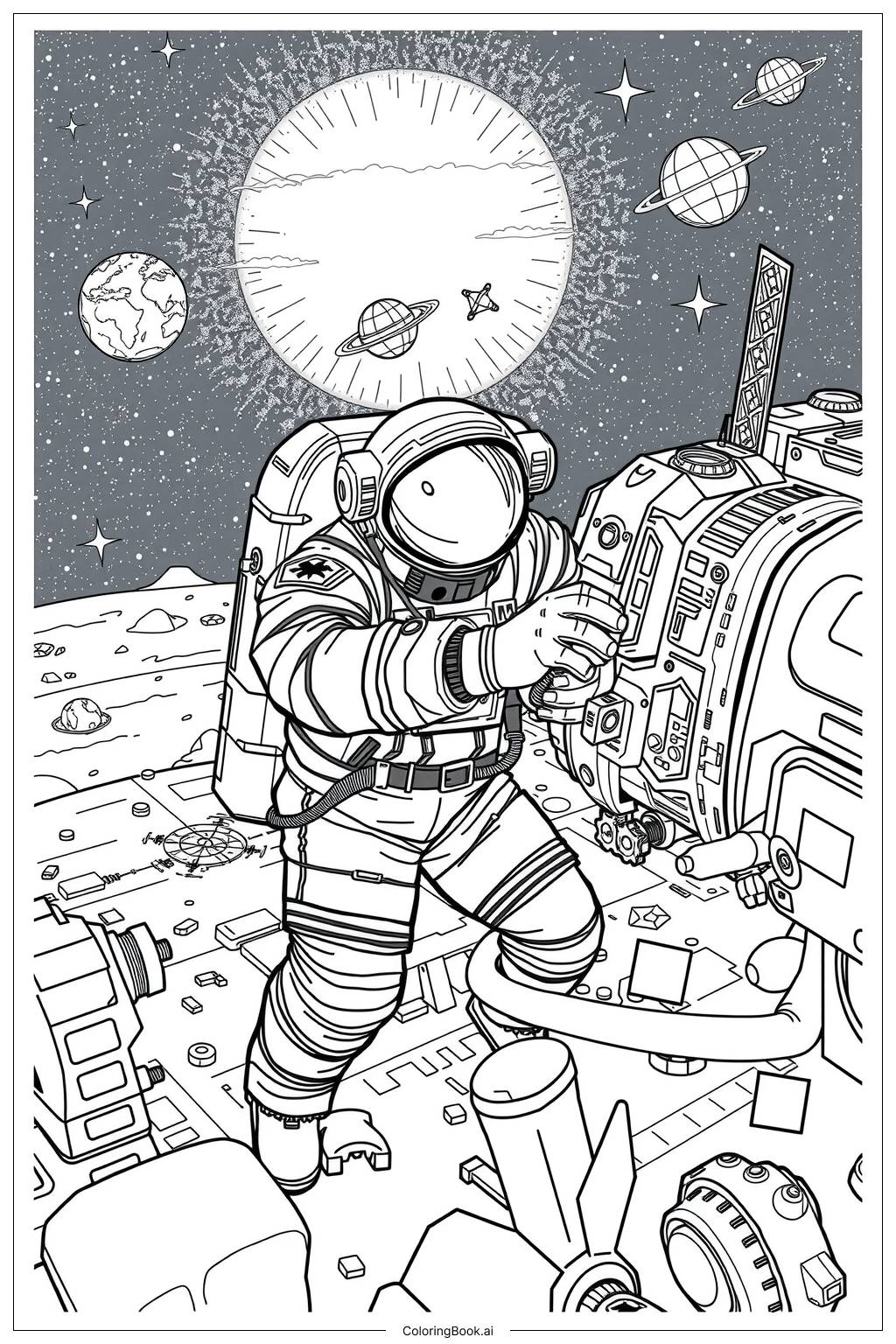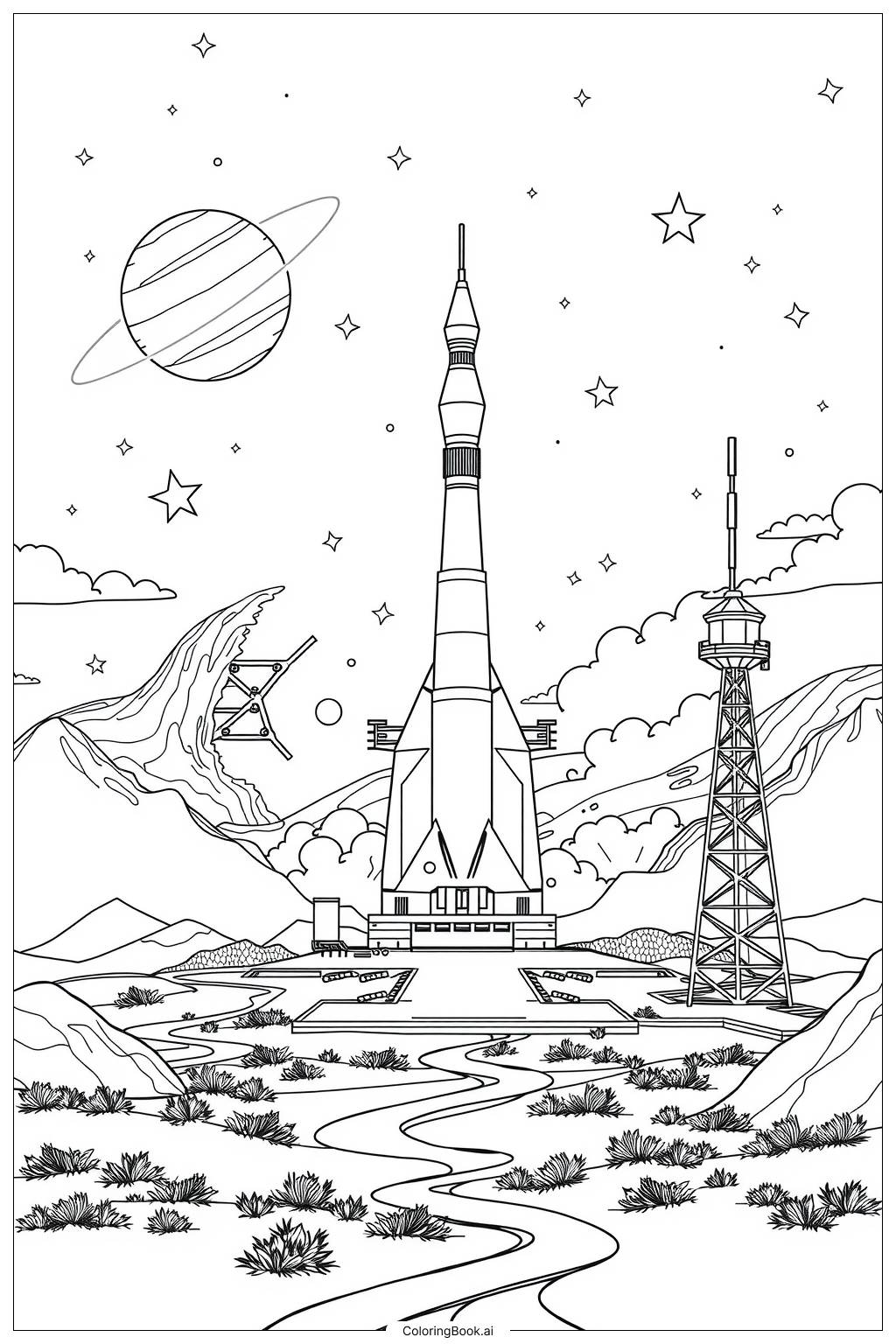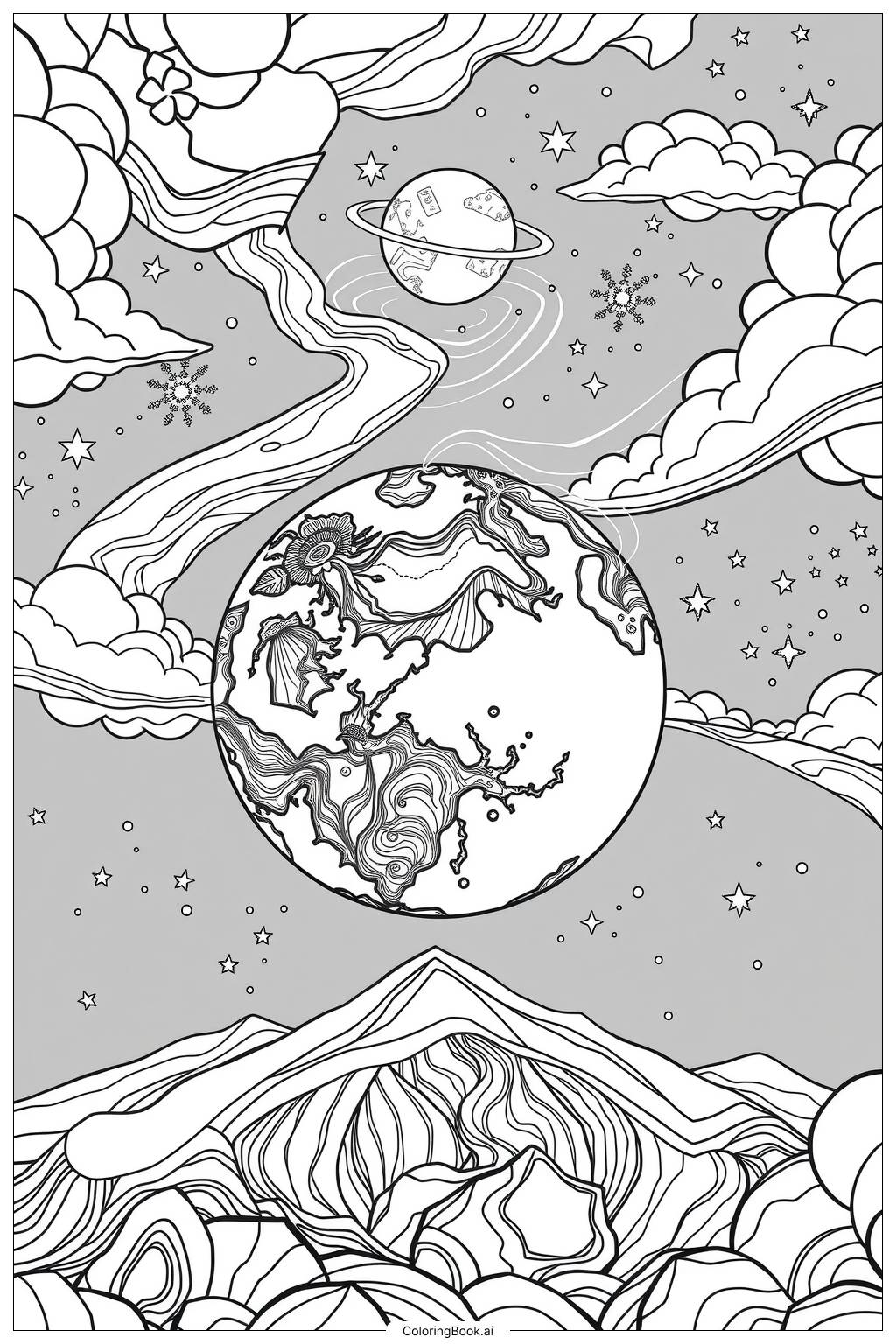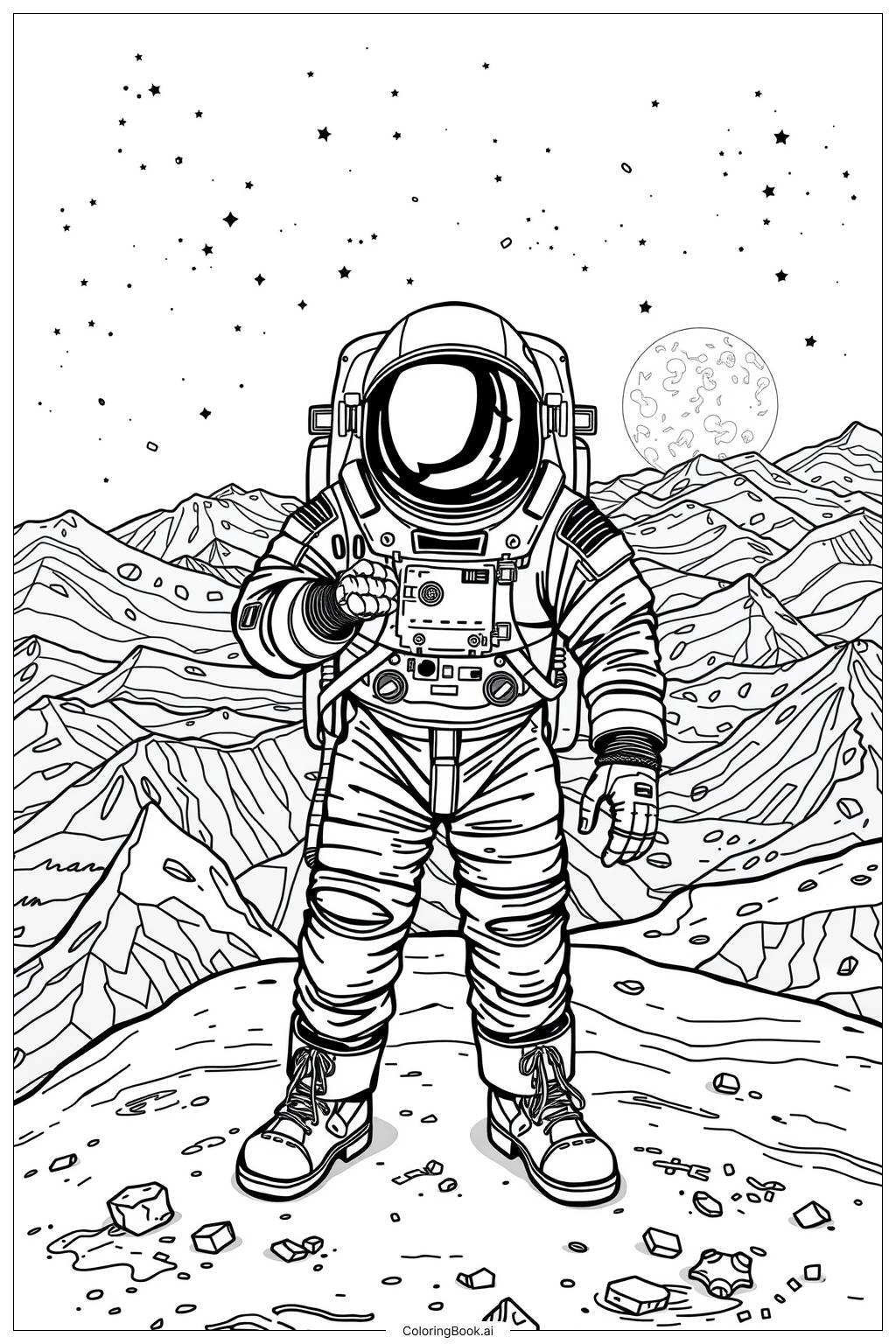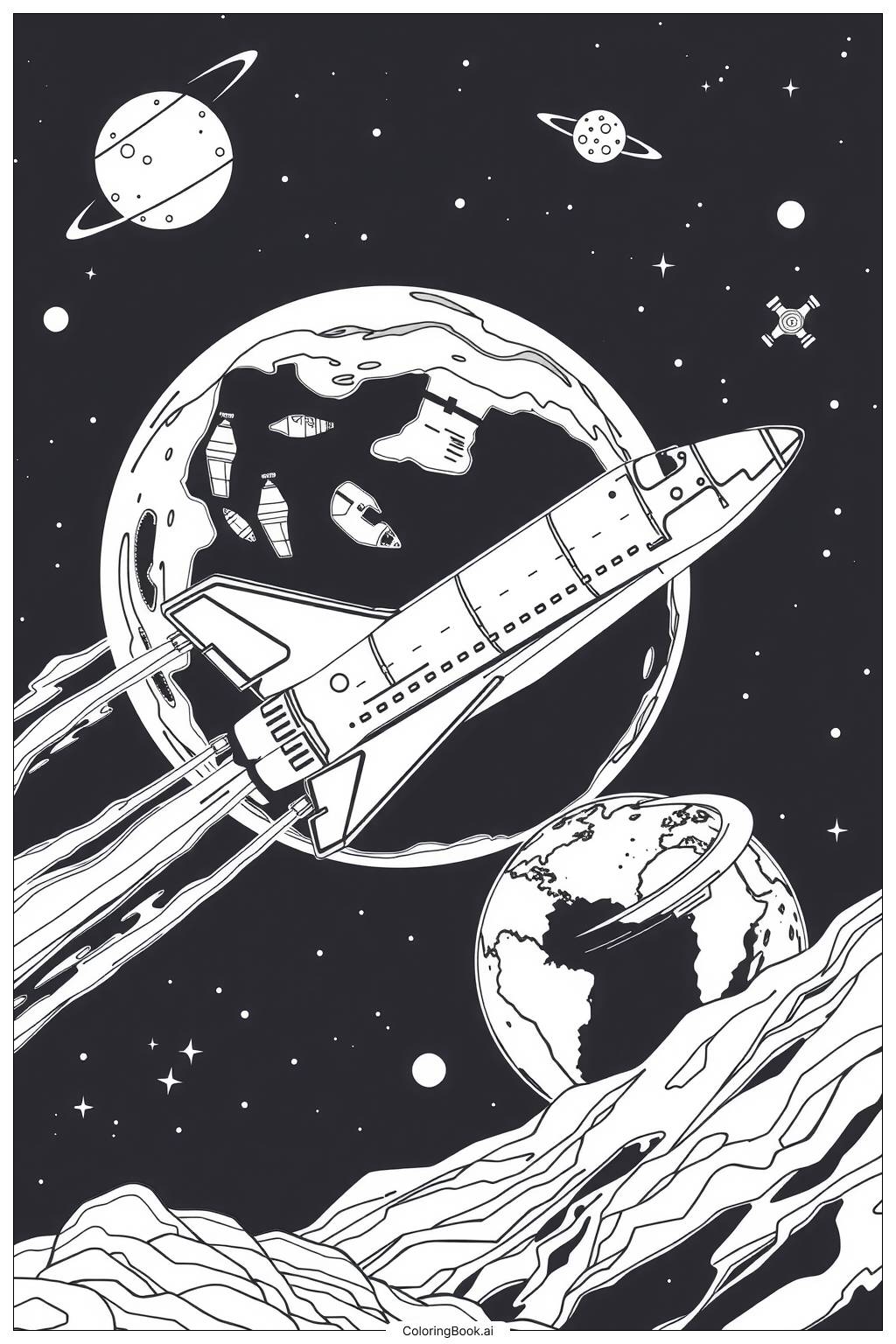
Coloring tips: How to color Space Shuttle in Orbit coloring page well?
For this coloring page, try using white and light gray for the Space Shuttle to show its metallic body. The shuttle’s black nose and wing edges can be shaded carefully to add contrast. Use bright blues and greens for the Earth to make the land and oceans stand out. You can color the clouds with soft white and light gray shades. For the background, dark blues, purples, or even black work well to create a deep space effect. Add touches of yellow or white dots for stars. Feel free to use your imagination to add colorful accents on the shuttle’s panels or the details around the engines.
Coloring challenges: Which parts are difficult to color and need attention for Space Shuttle in Orbit coloring page?
• Fine Detail Areas: The shuttle has many small panels and parts that require careful coloring to avoid going outside the lines.
• Color Contrast: Choosing the right shades of black, white, and gray to make the shuttle look realistic without blending the colors together can be tricky.
• Background Complexity: The stars and space background need subtle coloring to keep them looking like distant stars rather than bold spots.
• Earth’s Features: Coloring continents and oceans with accurate shapes and smooth edges needs patience and attention to detail.
• Engine Details: The rocket engines have circular and complex shapes which can be hard to color neatly, requiring steady hands.
Benefits of coloring books: Advantages of drawing Space Shuttle in Orbit coloring page
Coloring this Space Shuttle in Orbit page helps improve hand-eye coordination and fine motor skills by requiring precise coloring of small, detailed areas. It encourages children to focus and pay attention to shapes and patterns. This image also sparks curiosity and learning about space, science, and technology. Using different shades and contrasts helps develop color recognition and creativity. Additionally, coloring such exciting space themes can boost motivation and make learning fun by connecting art to real-world exploration.