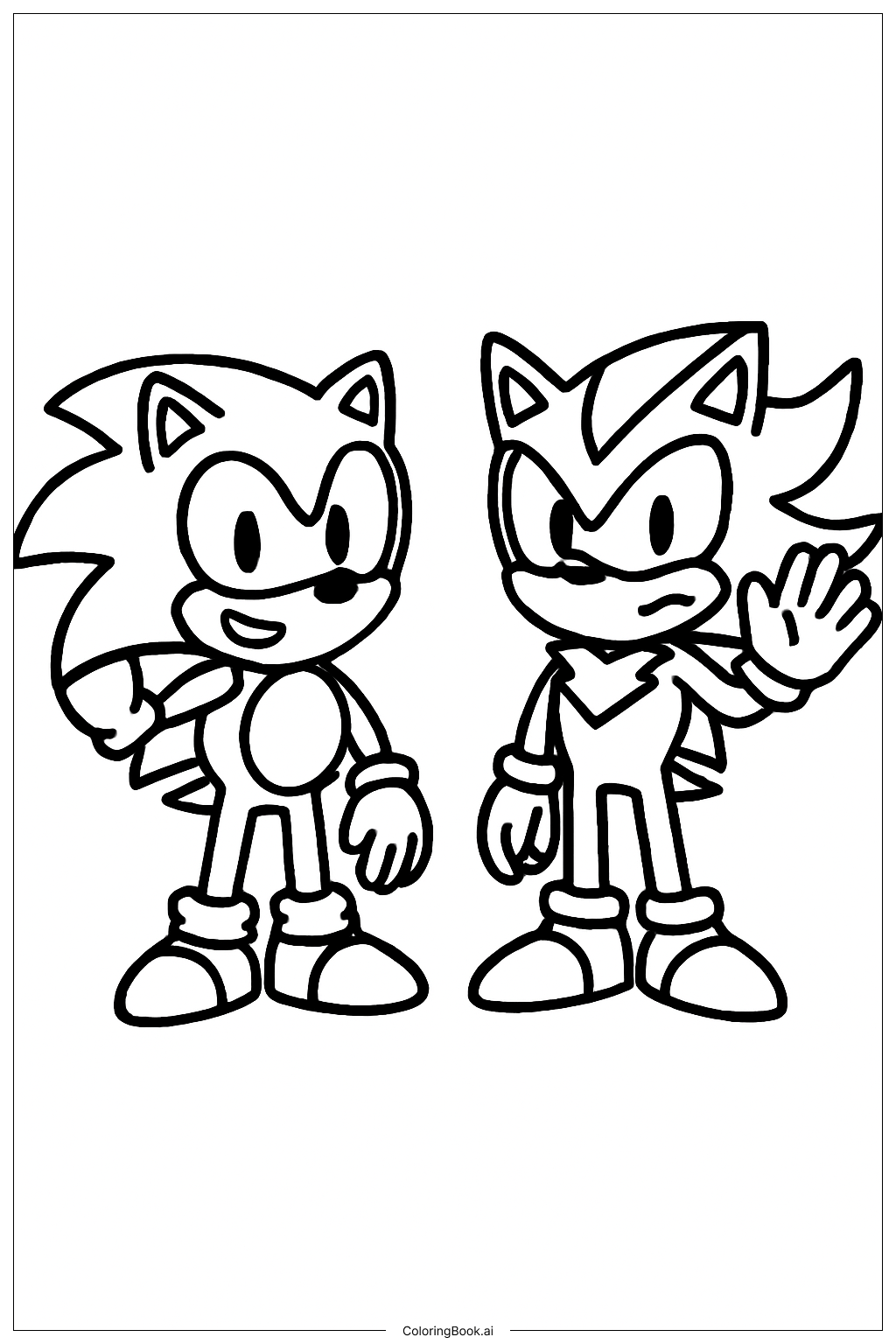
Coloring tips: How to color Sonic and Shadow Waving Hello coloring page well?
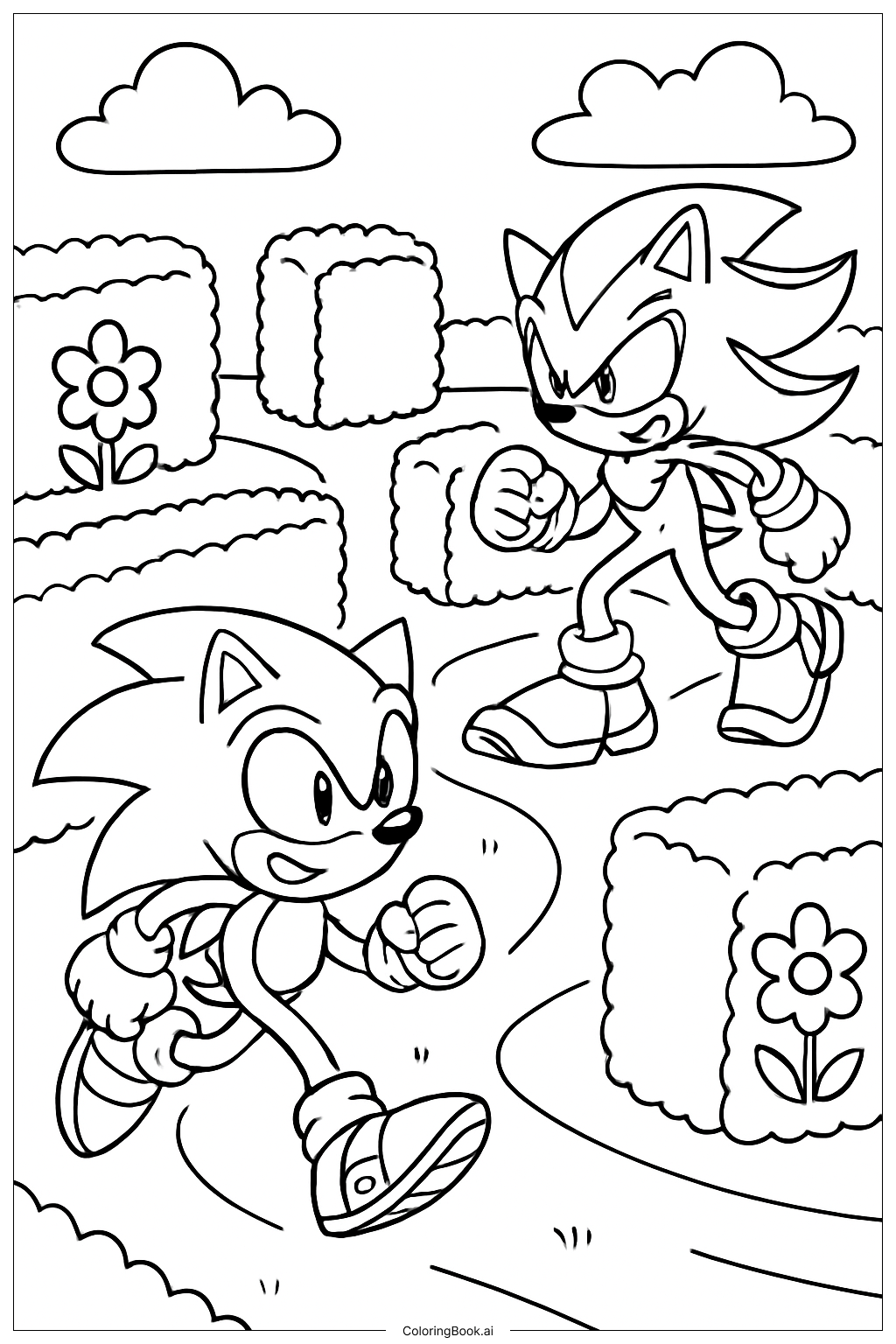
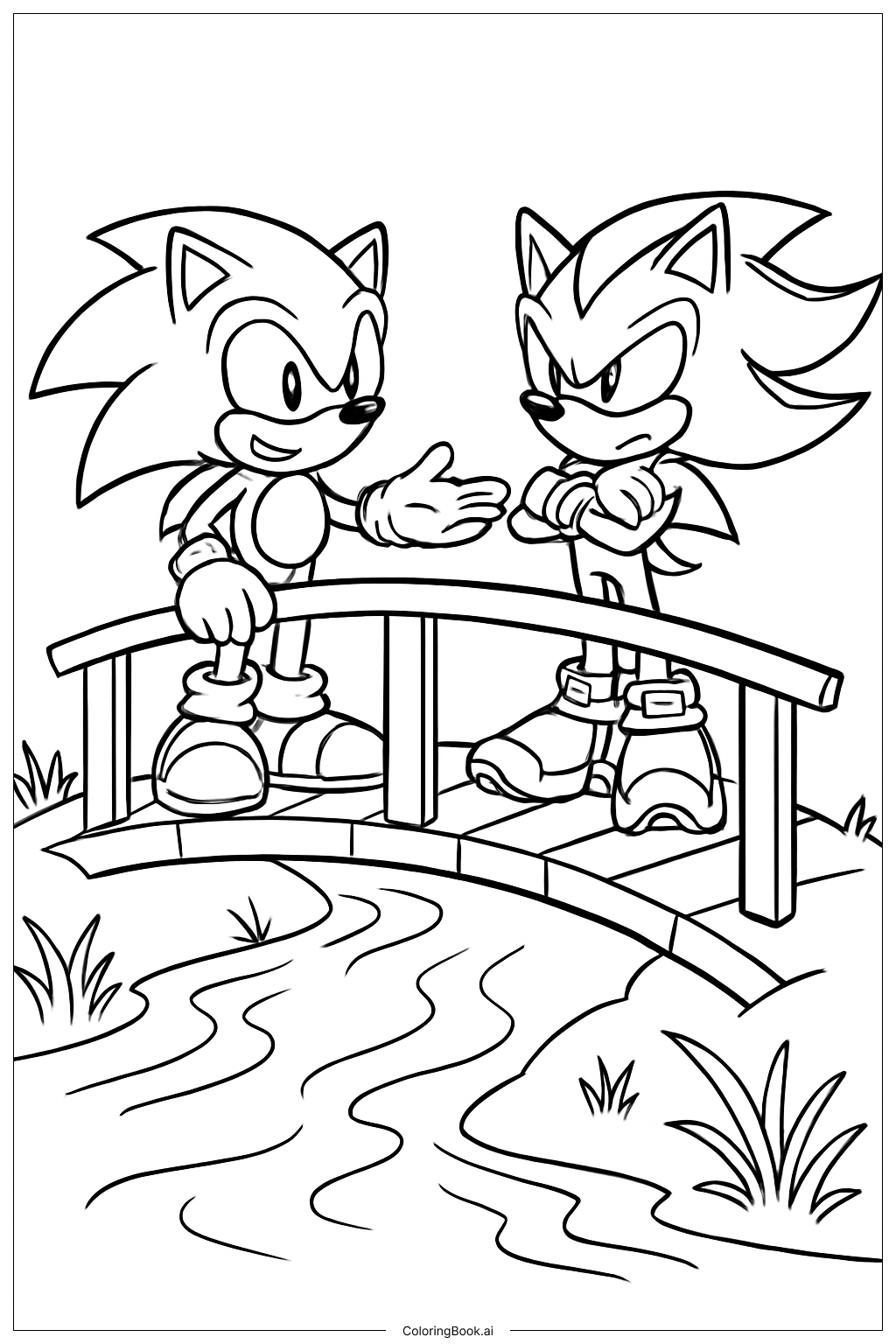
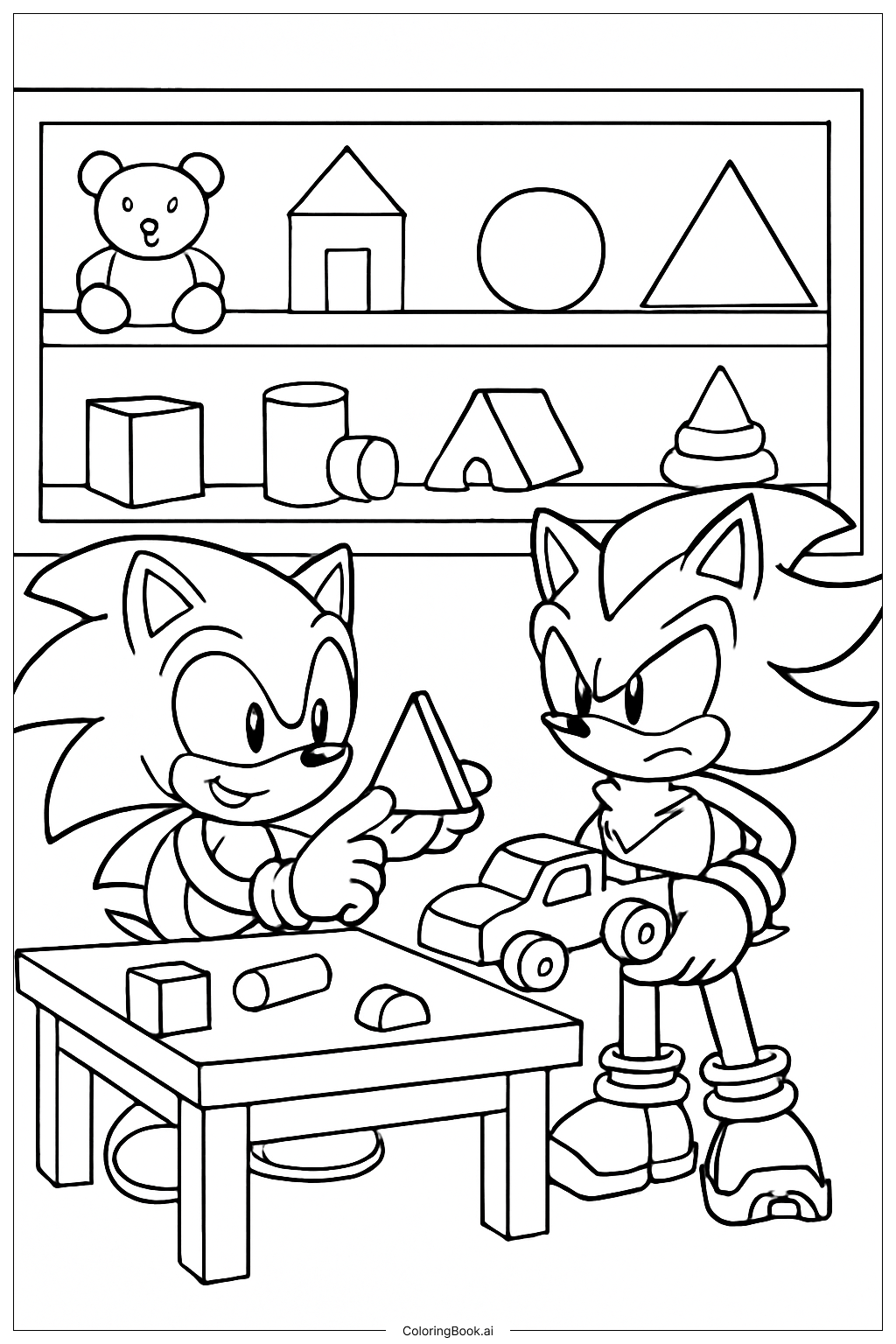
When coloring Sonic, use bright blue for his spikes and a vibrant yellow for his shoes. His gloves can be white, making a nice contrast. For Shadow, use deep black for his body and add splashes of red on his shoes and arm bands. Consider using a lighter gray or blue for the shadowy parts of his design to add depth. You can even mix in additional colors, like green or pink, in the background to create a vibrant scene!
Coloring challenges: Which parts are difficult to color and need attention for Sonic and Shadow Waving Hello coloring page?
1. Coloring the spikes: Sonic has a lot of spikes, and getting the correct shade of blue can be tricky. Kids need to choose the right blue and stay inside the lines.
2. Shadow’s color combination: Using black and red together can be difficult for younger kids. They might need guidance on blending these colors without making a mess.
3. The hands and facial details: Making sure to color Sonic’s joyful expression distinctly while giving Shadow a serious look requires attention to detail, which can be challenging.
4. Shading: Adding shadows and highlights to both characters for a three-dimensional effect can be complex, especially for children without experience in shading techniques.
5. Background color coordination: Picking colors that match well with both characters while making the scene lively may confuse younger kids, as they may want to use multiple colors.
Benefits of coloring books: Advantages of drawing Sonic and Shadow Waving Hello coloring page
Coloring this Sonic and Shadow page offers numerous benefits for children. First, it enhances creativity as kids choose colors and create their own version of these characters. It also improves fine motor skills, as children learn to control their coloring tools with precision. Furthermore, coloring can be a great way to relax and reduce stress. Engaging with their favorite characters makes the activity enjoyable and fun! Kids can also learn about color theory as they experiment with mixing different shades. Lastly, sharing their completed artwork with friends or family boosts their confidence and self-expression.