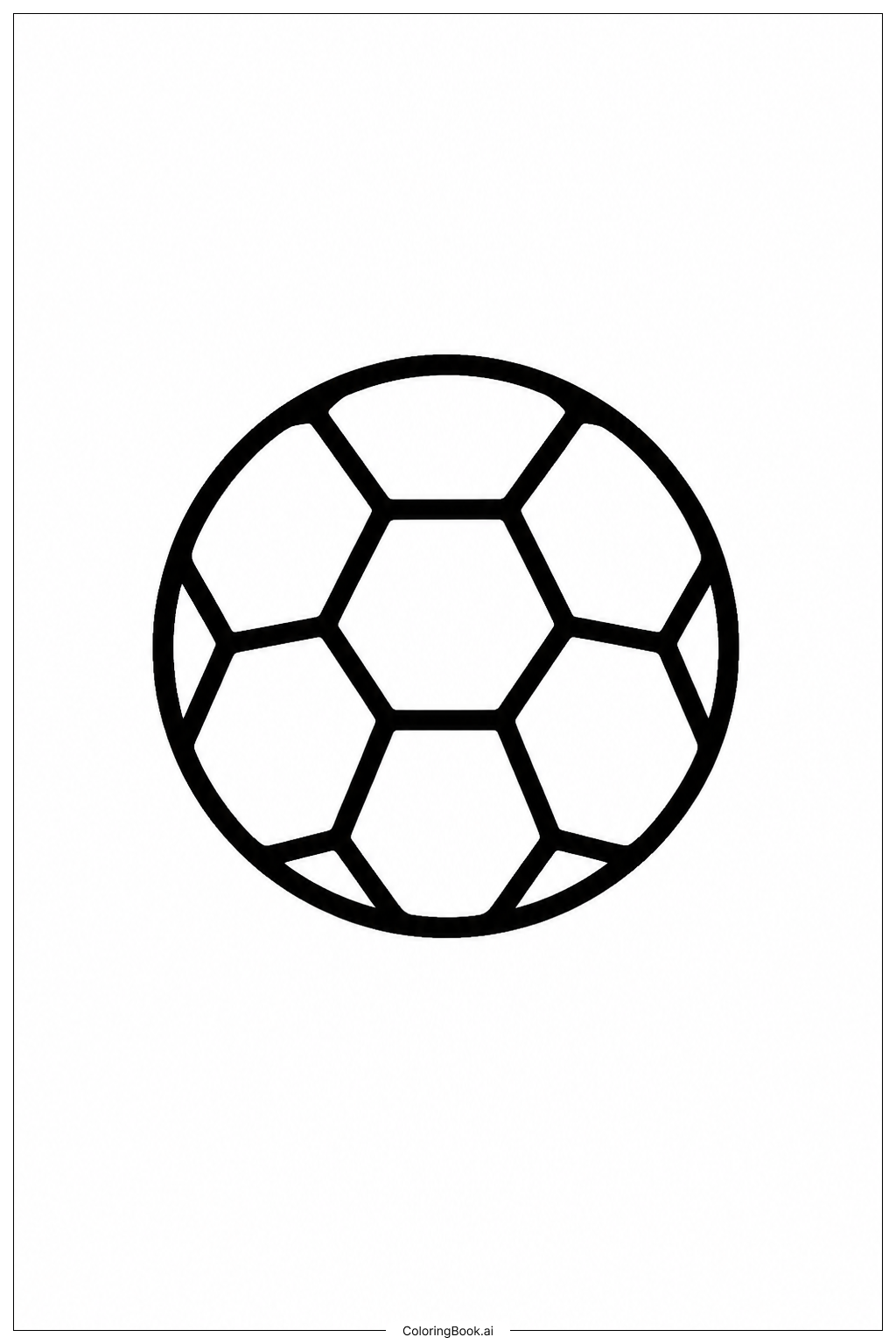
Coloring tips: How to color Tiny Soccer Ball coloring page well?
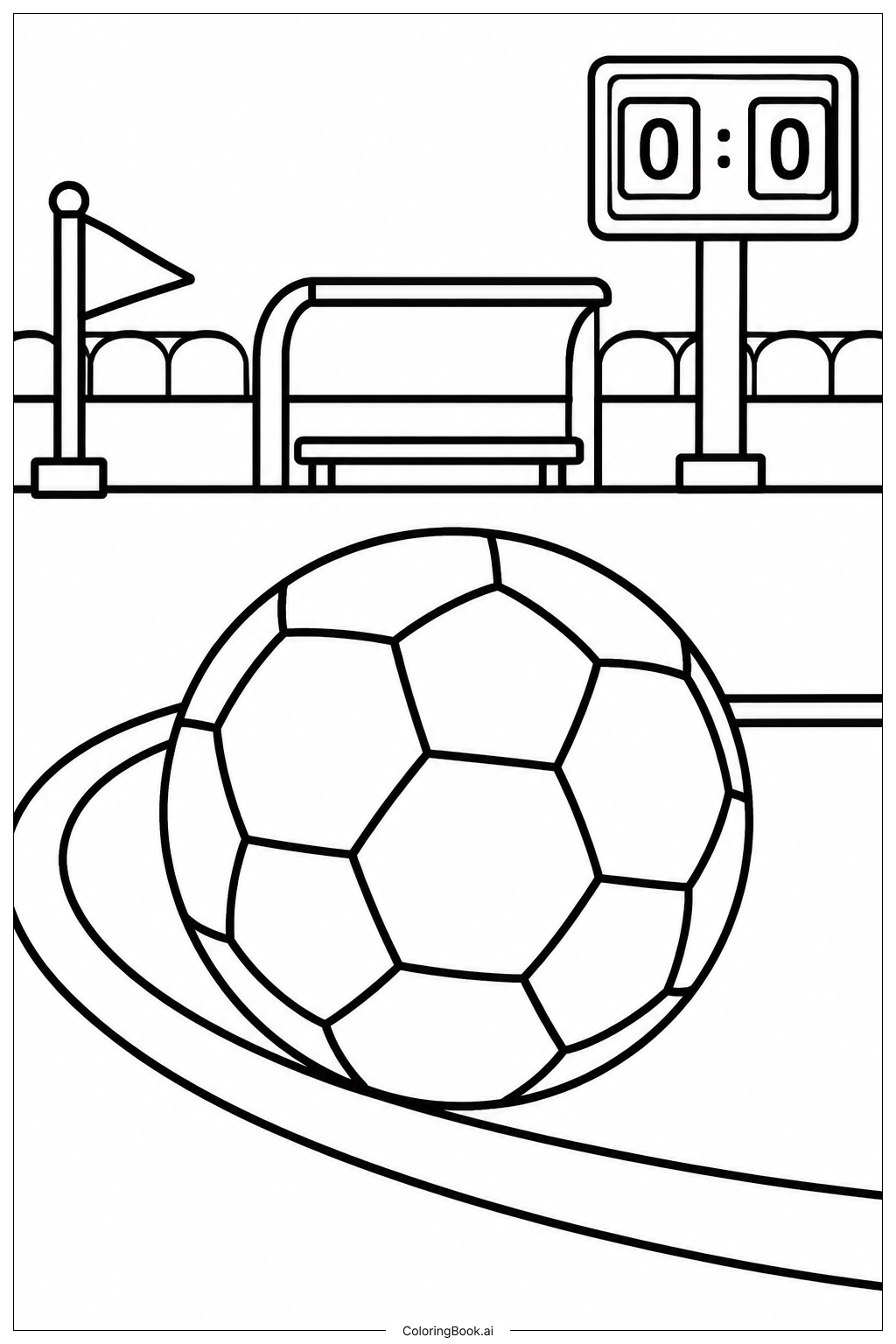
Start by choosing two or three colors for the ball's panels. The classic look uses black for the pentagons and white for the hexagons, but feel free to get creative! Try bright colors like red, blue, yellow, or green to make your ball pop. You can even mix colors and make each panel a different shade for a rainbow effect. Use a darker shade of your chosen color along the edges of each panel to add depth and make the ball look round. A light gray or pale yellow shading on one side can suggest a light source and give the ball a 3D look. Younger kids can keep it simple with just two colors, while older kids can try blending or adding shading for a more realistic finish. There are no wrong choices — the most important thing is to have fun and make it your own!
Coloring challenges: Which parts are difficult to color and need attention for Tiny Soccer Ball coloring page?
Coloring this tiny soccer ball looks simple at first, but there are a few tricky parts to watch out for:
• Panel Boundaries: The soccer ball is made up of small pentagons and hexagons fitted tightly together. Staying inside the lines of each individual panel without accidentally coloring over the borders into a neighboring section can be challenging, especially for younger children. Using a fine-tipped marker or a sharpened colored pencil can help you stay precise.
• Curved Surface Shading: Because the ball is round, creating a shading effect that makes it look three-dimensional takes some planning. You need to decide where your light source is coming from and gradually darken the colors on the opposite side. Blending smoothly across the curved panels requires patience and a light hand.
• Consistent Color Pressure: Applying even color pressure across small sections is difficult. Too much pressure in one spot can make the color look uneven or patchy. Practicing light, consistent strokes from the edge inward helps achieve a smooth fill.
• Tiny Panel Size: Because this is a tiny soccer ball, the individual panels are quite small. Fitting your coloring tool neatly inside each section without smudging nearby areas can be frustrating. Thinner tools work best here, and taking your time on each panel pays off.
• Color Pattern Repetition: The classic pentagon-hexagon pattern alternates across the ball. Keeping track of which panels should be which color so the pattern looks balanced and accurate requires attention and focus, especially as you work your way around the ball.
Benefits of coloring books: Advantages of drawing Tiny Soccer Ball coloring page
Coloring this tiny soccer ball is a wonderful activity for kids of all ages. Here are some great benefits:
Working on the small panels of the soccer ball helps children develop fine motor skills and hand-eye coordination. Carefully coloring within the tight outlines strengthens the muscles in the fingers and hands, which is great preparation for writing.
The geometric pattern of the ball introduces kids to shapes like pentagons and hexagons in a fun, hands-on way. This makes coloring a sneaky learning experience that connects art with early math concepts.
Choosing colors and deciding how to shade the ball encourages creative thinking and self-expression. Kids feel a sense of pride and ownership when they see their unique, colorful creation finished.
Focusing on staying inside the lines and planning a color pattern builds concentration and attention to detail. These are skills that carry over into schoolwork and everyday tasks.
Finally, coloring is a calming, screen-free activity that helps children relax and unwind. It gives them a quiet moment to focus on something they enjoy, reducing stress and boosting their mood. Completing the page gives a satisfying sense of accomplishment that builds confidence.