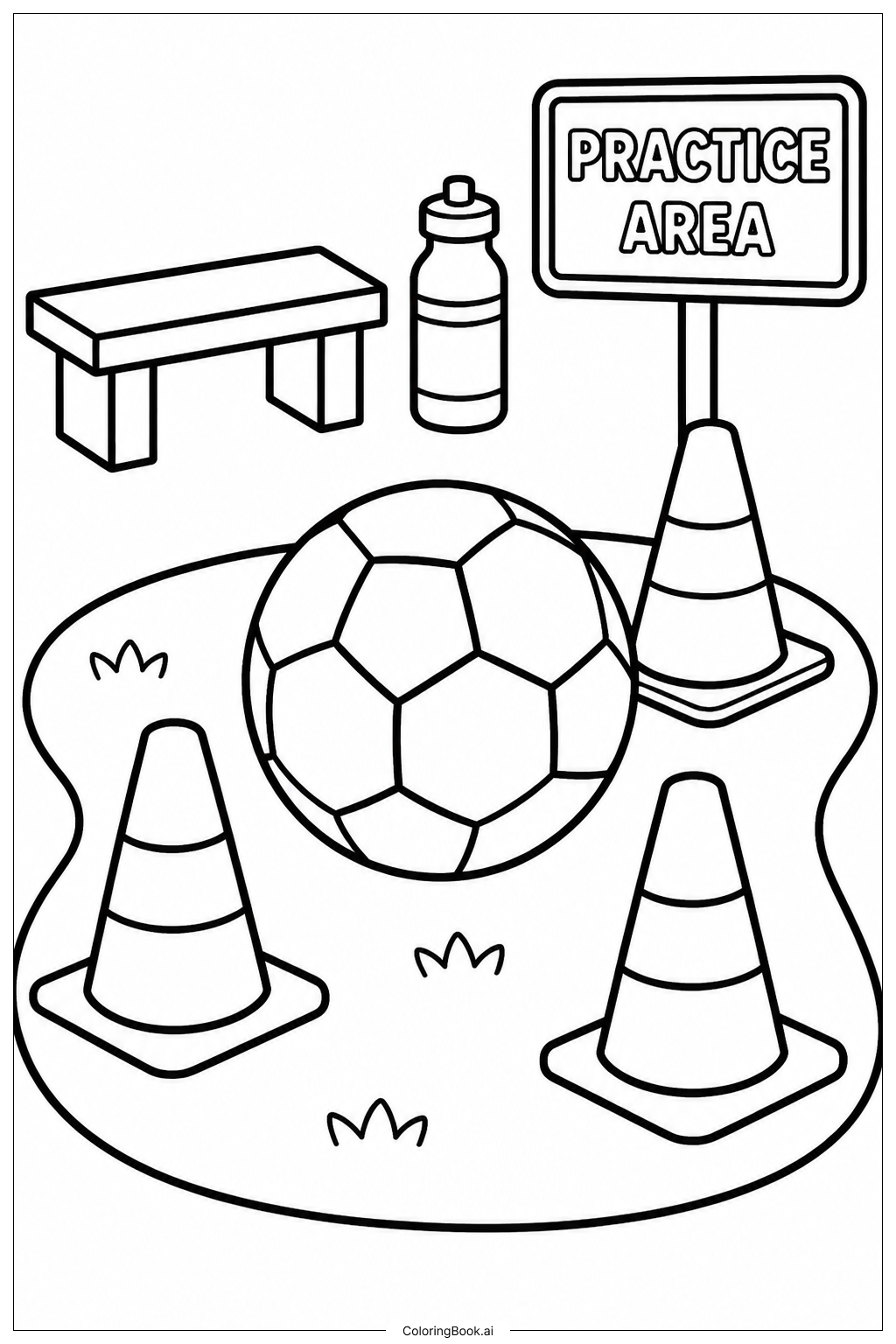
Coloring tips: How to color Soccer Ball With Training Cones coloring page well?
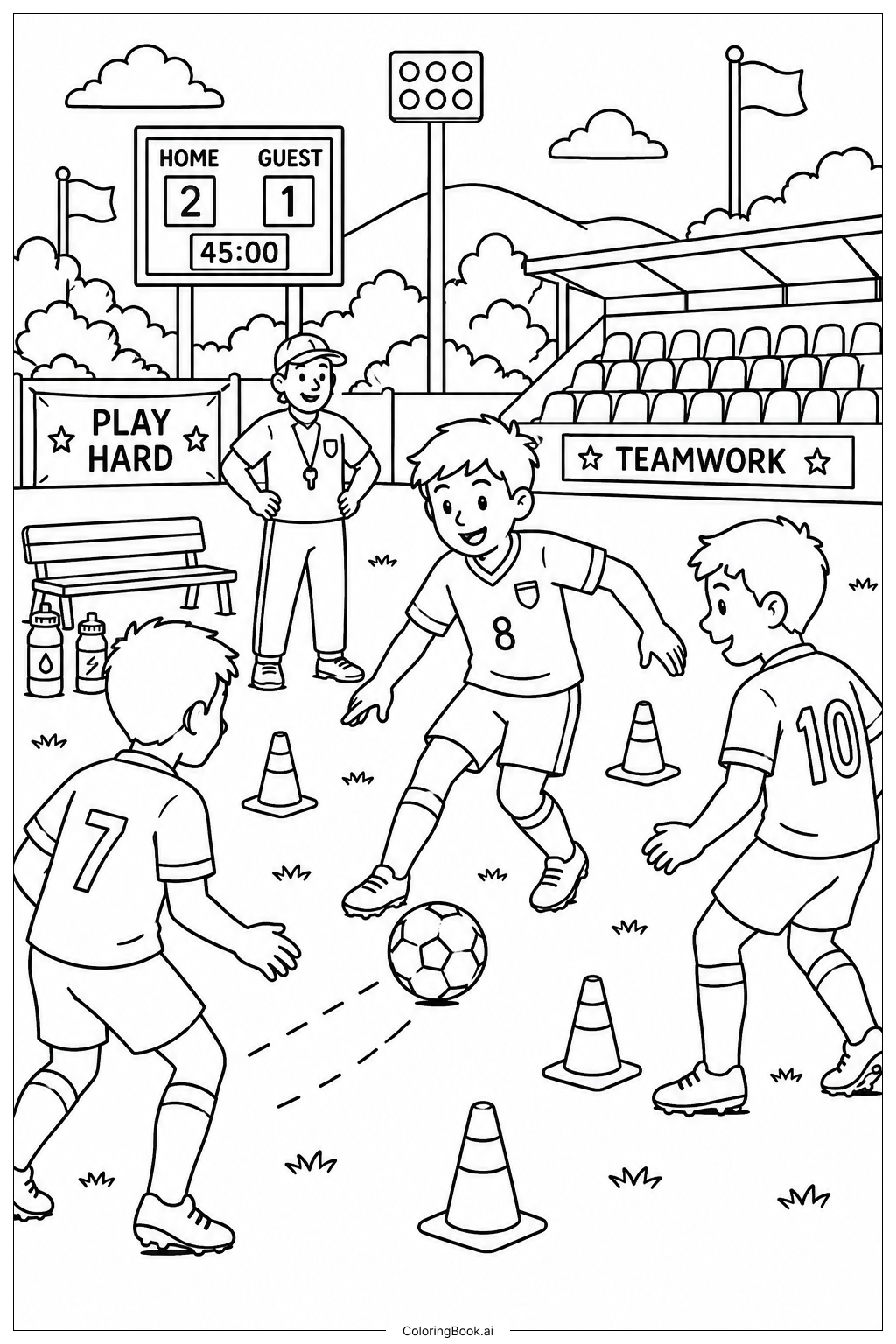
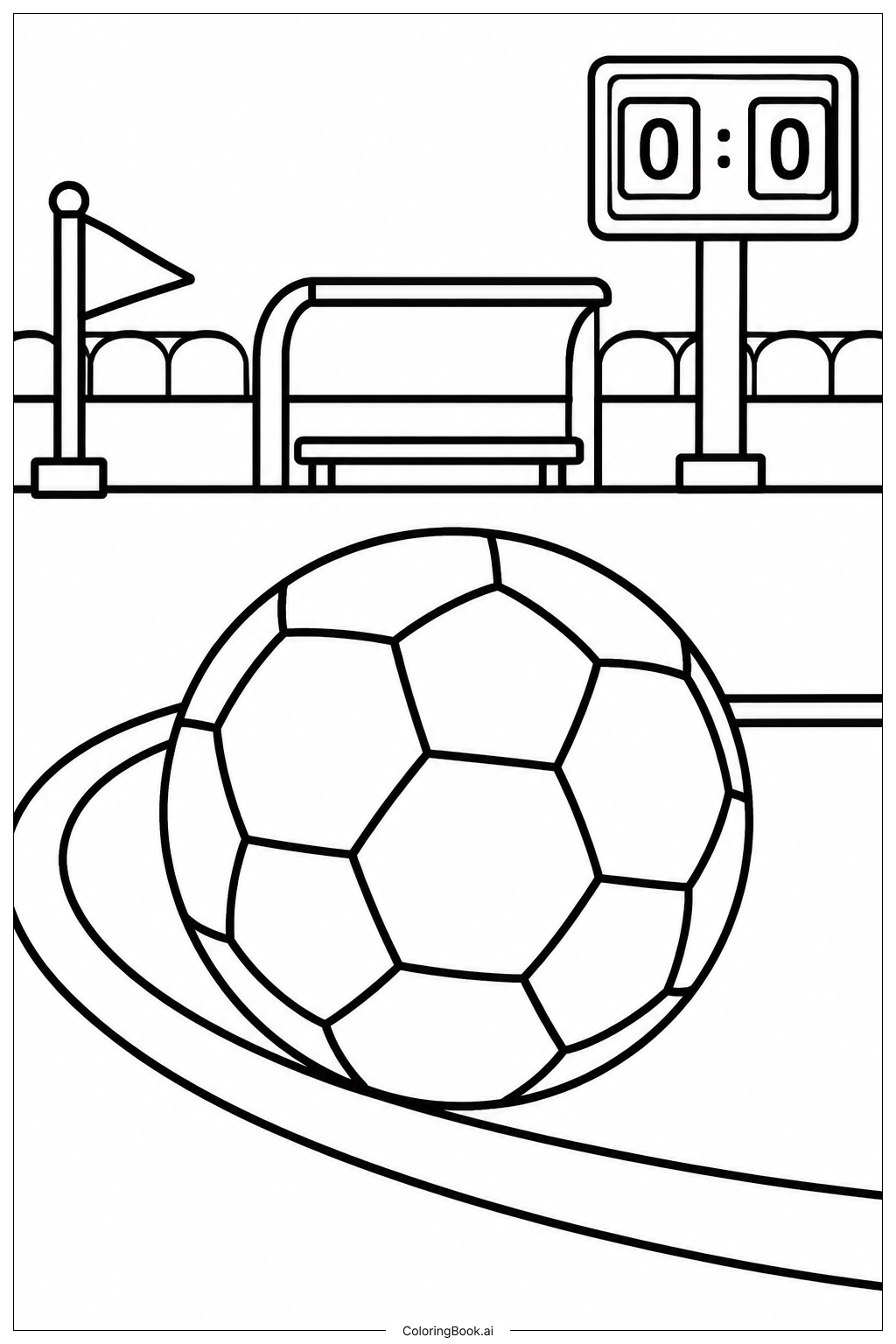
Start with the soccer ball. Color the pentagonal patches dark black or navy blue, and leave the hexagonal panels white or very light gray. This gives the ball a realistic look. Next, move on to the training cones. Bright orange is the most classic choice, but you can also try red, yellow, or neon green to make them pop. Add a thin white or light stripe near the top of each cone for extra detail. Use a light green or bright yellow-green for the ground beneath the cones to suggest fresh grass on a soccer field. Try to keep your coloring inside the lines for a neat and tidy result. If you want to be creative, mix different colors for each cone to make the scene more fun and colorful. Take your time with the ball's panels — getting those right makes the whole picture look great.
Coloring challenges: Which parts are difficult to color and need attention for Soccer Ball With Training Cones coloring page?
• Soccer Ball Panel Accuracy: The soccer ball is made up of alternating pentagon and hexagon shapes. Carefully coloring each panel the correct color without going over the dividing lines is tricky, especially where multiple panels meet at a single point. Young colorists may find it hard to stay within these small, angular sections, so using a sharp colored pencil or fine-tip marker is recommended.
• Cone Shape and Shading: Each training cone has a three-dimensional, tapered shape. To make the cones look realistic rather than flat, you need to apply lighter color near the center and darker shades along the edges. This kind of gradual shading can be challenging for beginners who are still learning blending techniques.
• Consistent Spacing and Color Balance: There are multiple cones arranged around the ball. Keeping each cone the same color and tone requires patience and attention. If one cone is colored much darker or lighter than the others, the overall scene can look uneven or unbalanced.
• Fine Outline Details: The outlines of both the soccer ball panels and the bases of the cones are detailed and close together. Using too thick a marker or crayon may cause colors to bleed into neighboring sections, muddying the final result. Thin tools work best for these tight areas.
• Background Space: The open area around the cones and ball can feel empty and uncertain to color. Deciding what color to use for the ground or background — and applying it evenly without disturbing the detailed foreground elements — takes a steady hand and careful planning.
Benefits of coloring books: Advantages of drawing Soccer Ball With Training Cones coloring page
Coloring this Soccer Ball With Training Cones page offers a wonderful range of benefits for kids and young learners. Working carefully within the detailed panels of the soccer ball builds fine motor skills and hand-eye coordination, helping children gain better control over their coloring tools. Choosing colors for the cones and ball encourages creative thinking and decision-making, letting kids express their own style. Focusing on a detailed image also trains concentration and patience, which are skills that carry over into schoolwork and everyday life. For young soccer fans, this page connects a beloved sport with a fun, calming activity, making the creative process feel personally meaningful and engaging. Completing the full image gives children a real sense of achievement and builds confidence. The repetitive, focused nature of coloring is also known to reduce stress and anxiety, providing a healthy and enjoyable way to unwind. Parents and children can color together, making it a great bonding activity. Overall, this page blends artistic creativity with a love of sport in a simple, accessible way that children of all skill levels can enjoy.