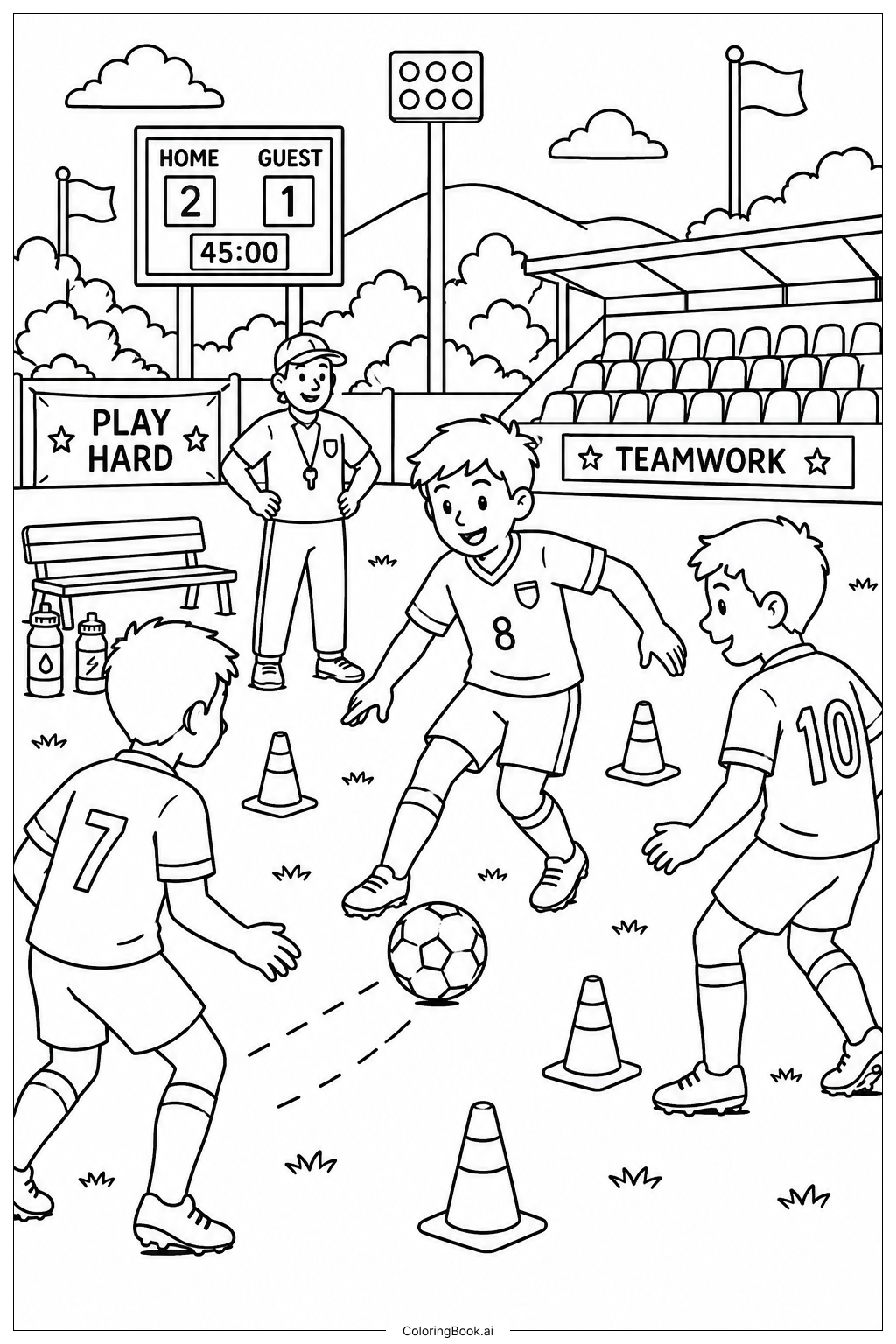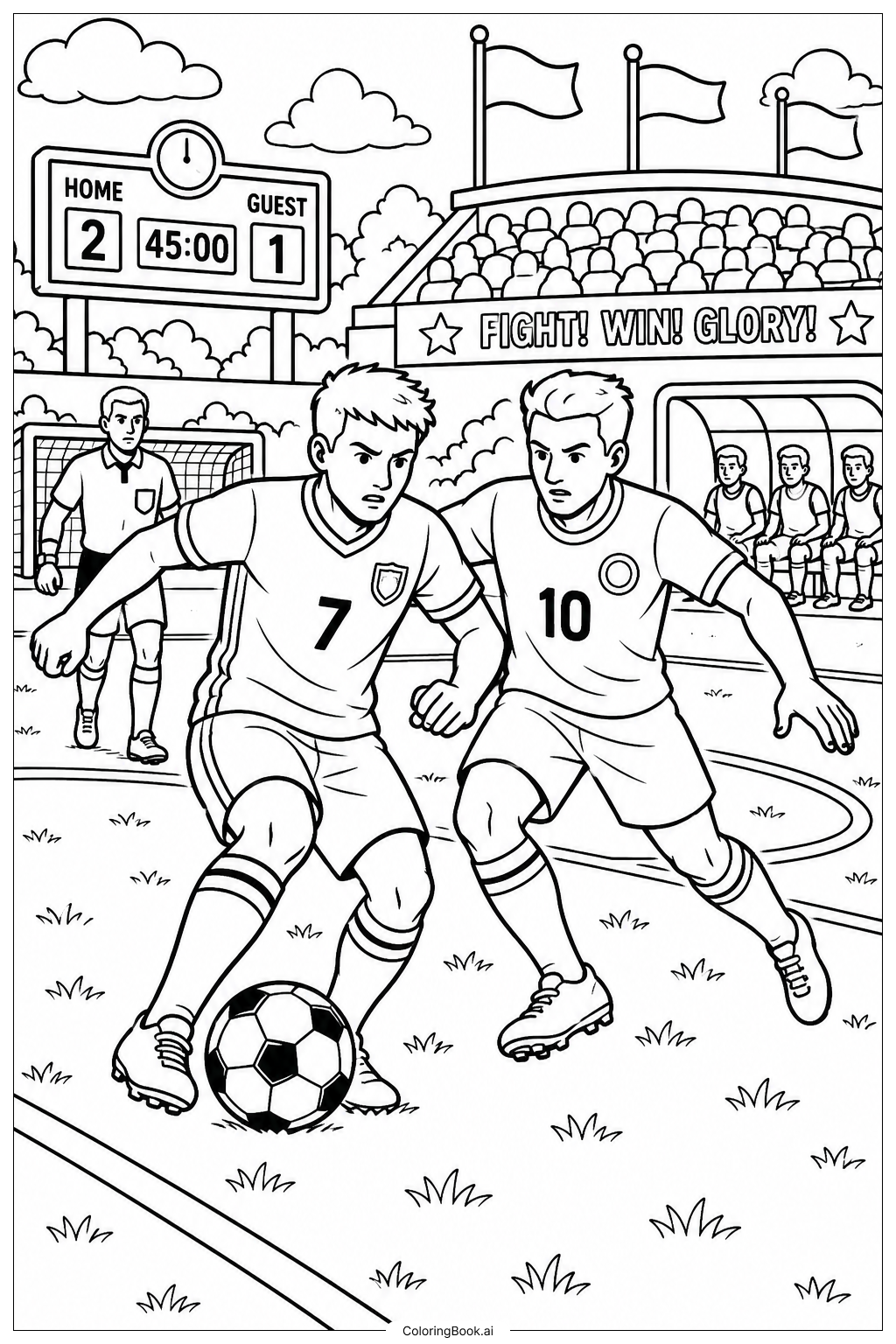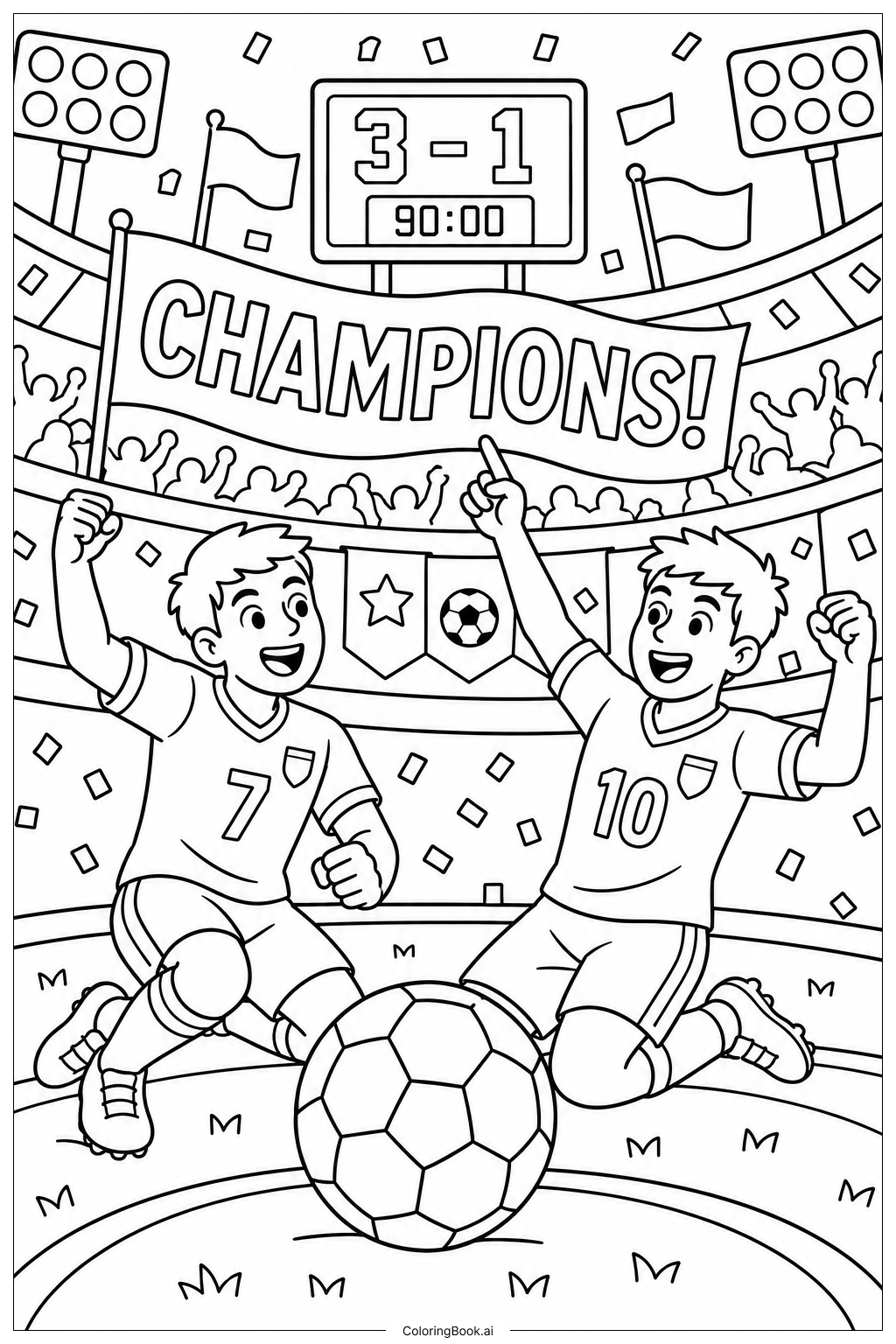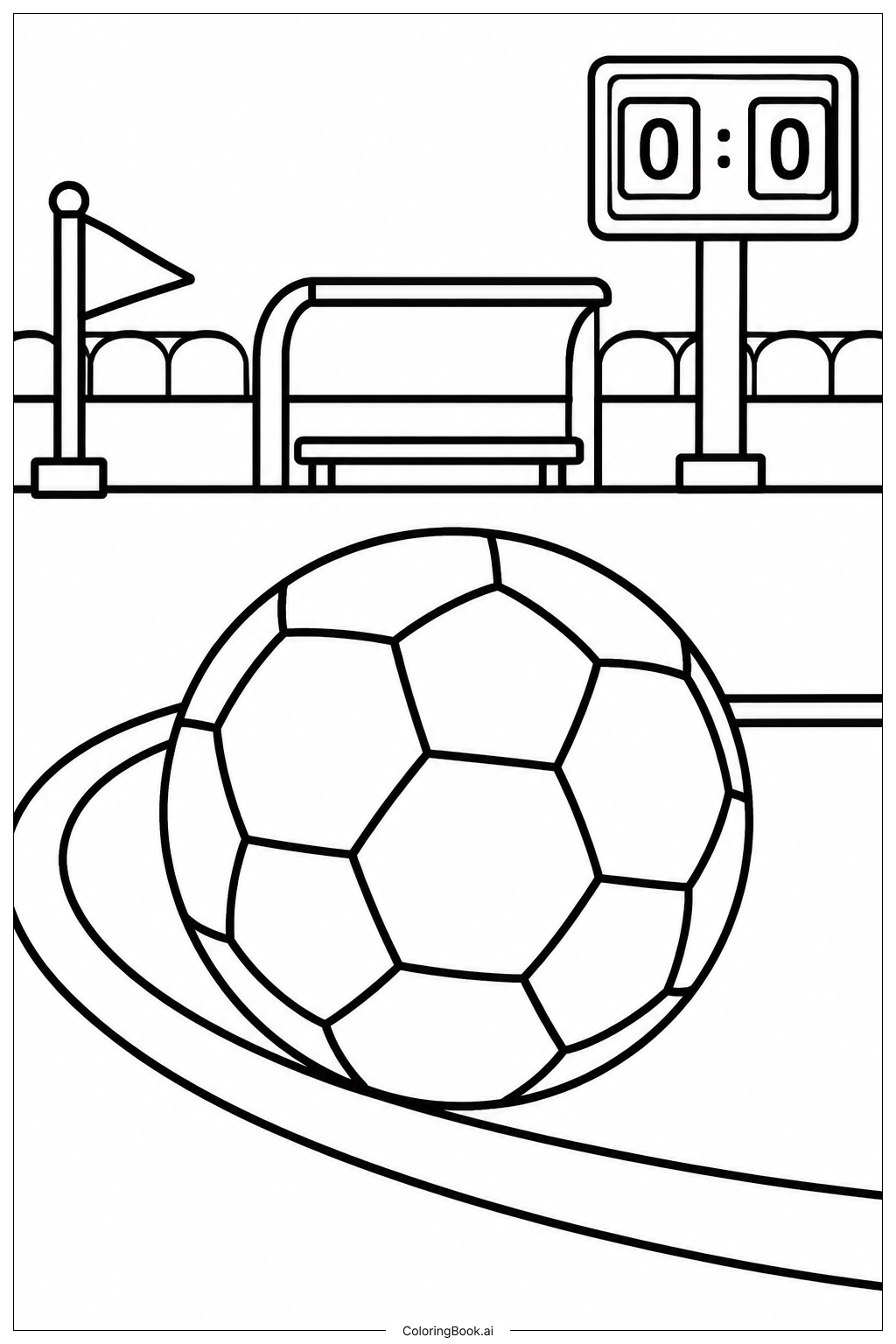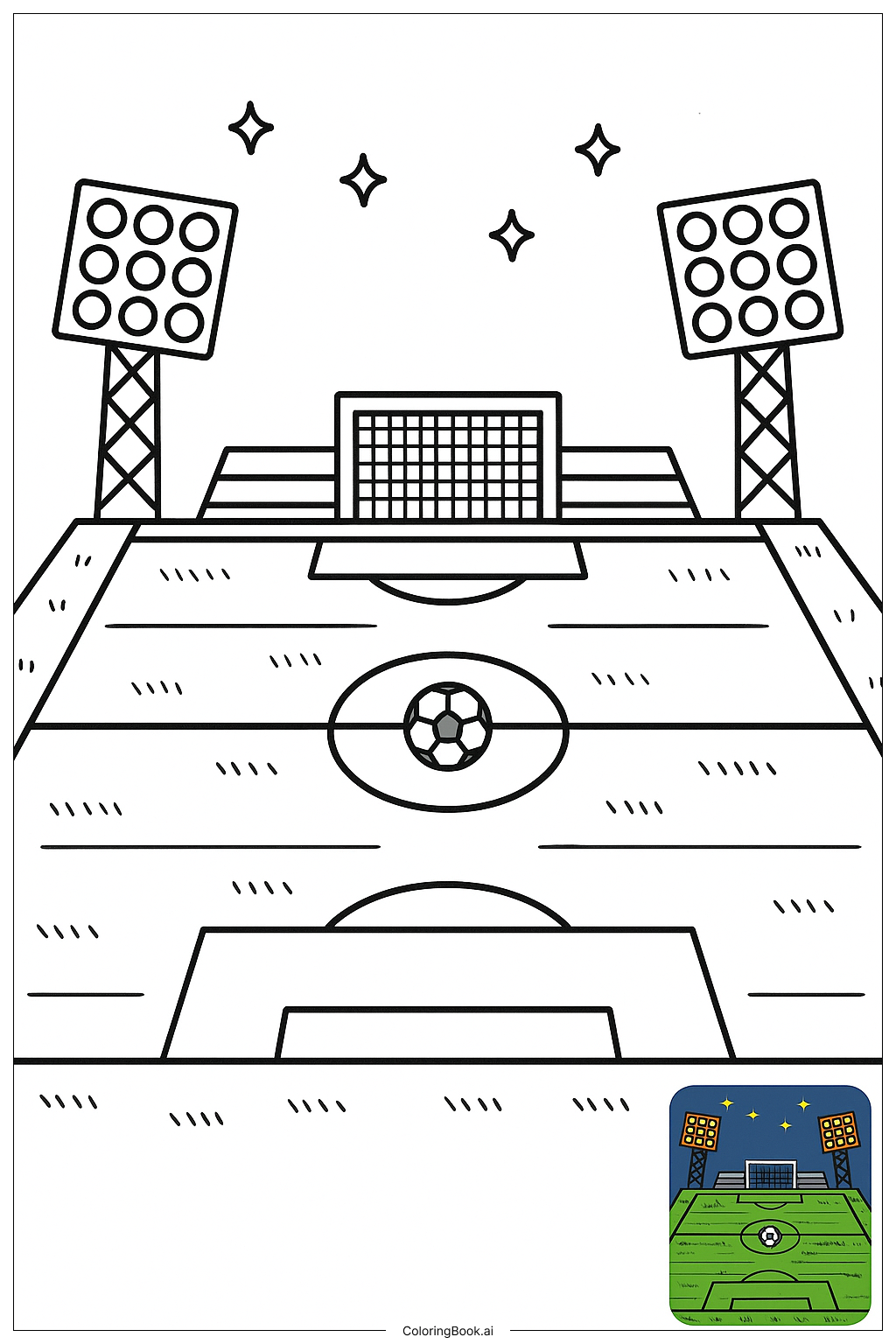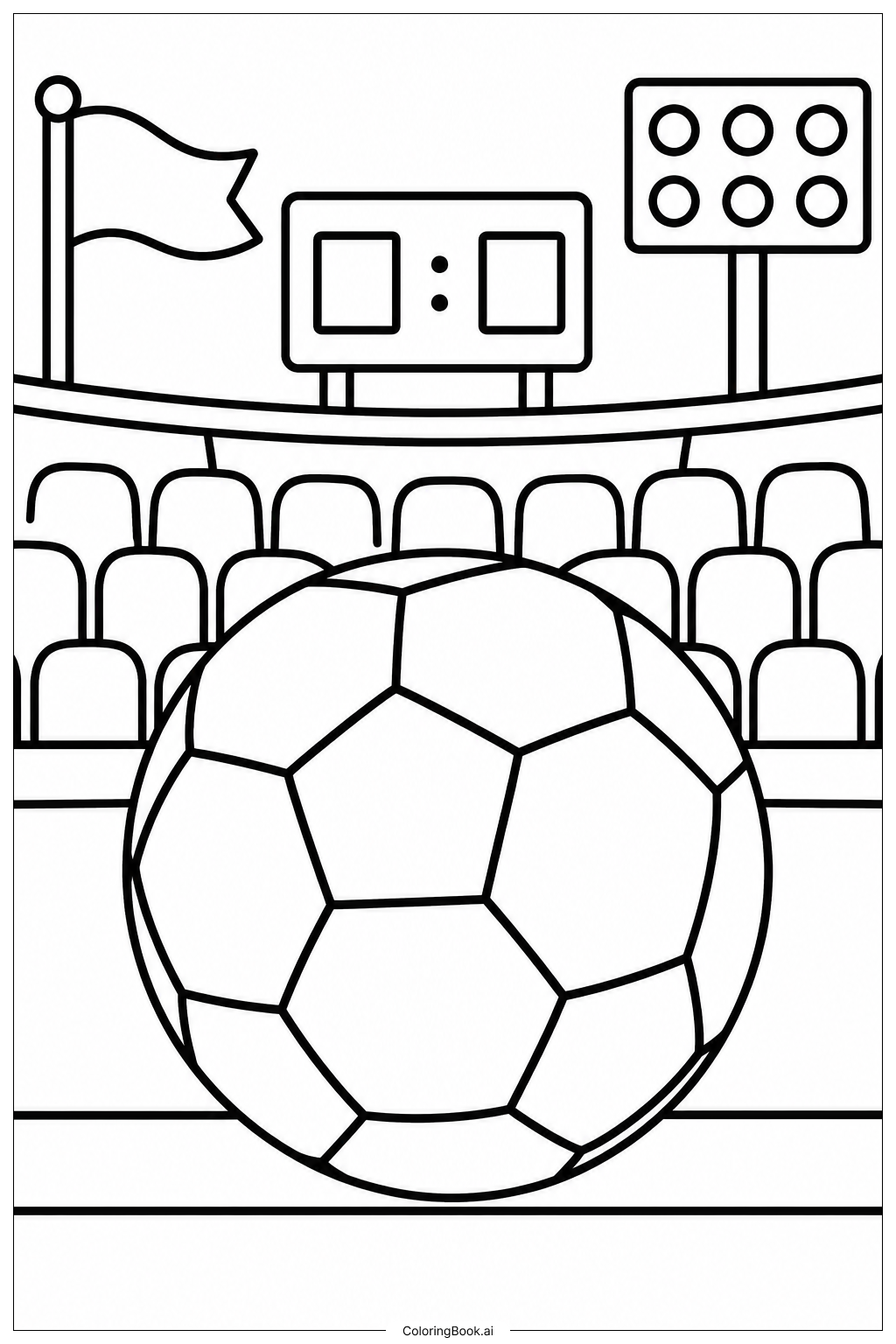
Coloring tips: How to color Soccer Ball With Stadium Seats coloring page well?
Start with the soccer ball at the center. Color the pentagonal patches dark navy or black and leave the hexagonal panels white or light gray to keep the classic look. You can also try a bold twist — use bright colors like red, blue, or purple for the panels to make your ball totally unique. For the stadium seats, pick one or two colors and alternate them in rows to create a lively, realistic crowd effect. Stadium seats are often red, blue, green, or yellow, so feel free to mix and match. Use a light tan or gray for the stadium floor and concrete areas. Add a sky blue or golden yellow in the background to hint at bright stadium lights or an open sky. Light shading along the curved edges of the ball can give it a rounder, more three-dimensional look. Younger colorists can keep things simple with flat colors, while older kids can try blending or gradients for extra depth.
Coloring challenges: Which parts are difficult to color and need attention for Soccer Ball With Stadium Seats coloring page?
• Soccer Ball Panel Geometry: The ball is made up of alternating pentagons and hexagons that fit together precisely. Staying neatly within each small, curved panel without crossing the lines takes a steady hand. The boundaries between patches are close together, so a fine-tipped colored pencil or marker works better than a thick crayon for this area.
• Curved Perspective of the Ball: The panels wrap around a sphere, meaning their edges bow outward slightly. To make the ball look round rather than flat, you need to shift your shading gradually from light at the top or center to darker toward the edges. This kind of gradual blending can be tricky for younger colorists who are still learning shading techniques.
• Repeating Stadium Seat Pattern: The rows of seats repeat across a wide curved area. Keeping a consistent color rhythm — for example, alternating red and blue seats row by row — requires patience and careful attention. It is easy to lose track of the pattern and accidentally color two seats the same color in a row where they should alternate.
• Depth and Distance in the Stands: Seats closer to the viewer appear larger, while those farther away look smaller. Adjusting the intensity of your colors to reflect this distance — slightly lighter or less saturated for the far rows — adds realism but demands careful planning before you begin coloring.
• Balancing the Focal Point: The soccer ball must stand out from the busy stadium background. If the seats are colored too brightly, they can overpower the ball. Choosing slightly muted tones for the background while keeping the ball vibrant is a compositional challenge that takes some forethought.
Benefits of coloring books: Advantages of drawing Soccer Ball With Stadium Seats coloring page
Coloring this Soccer Ball With Stadium Seats page offers a wonderful mix of fun and skill-building for kids of all ages. Working through the detailed panel pattern on the soccer ball builds fine motor control and hand steadiness, which are skills that support handwriting and other detailed tasks. Choosing colors for the stadium seats and deciding how to alternate them exercises early math thinking, like patterns and sequences, in a playful way. The scene also sparks creativity — there are no wrong color choices, so kids feel free to express themselves and build confidence. Focusing on staying inside the lines and completing the full image trains concentration and patience, both of which are valuable habits in and out of the classroom. For kids who love soccer, coloring a familiar subject makes the activity feel personally meaningful and exciting. It can also be a great conversation starter about their favorite teams, players, or matches. Overall, this page is an engaging, low-pressure activity that blends artistic expression with cognitive development, making it rewarding for young colorists whether they are just starting out or already love coloring regularly.