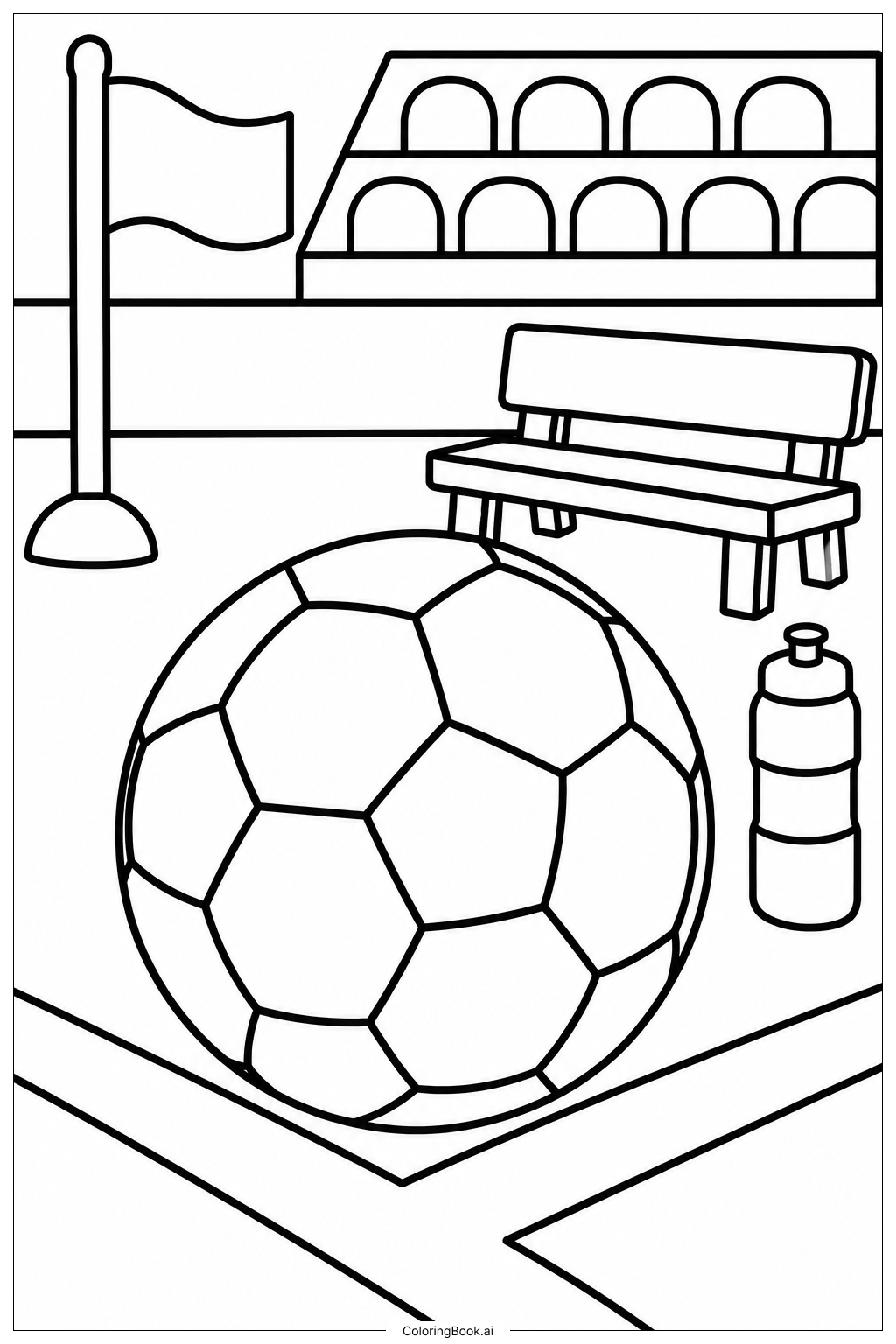
Coloring tips: How to color Soccer Ball On Sideline Chalk coloring page well?
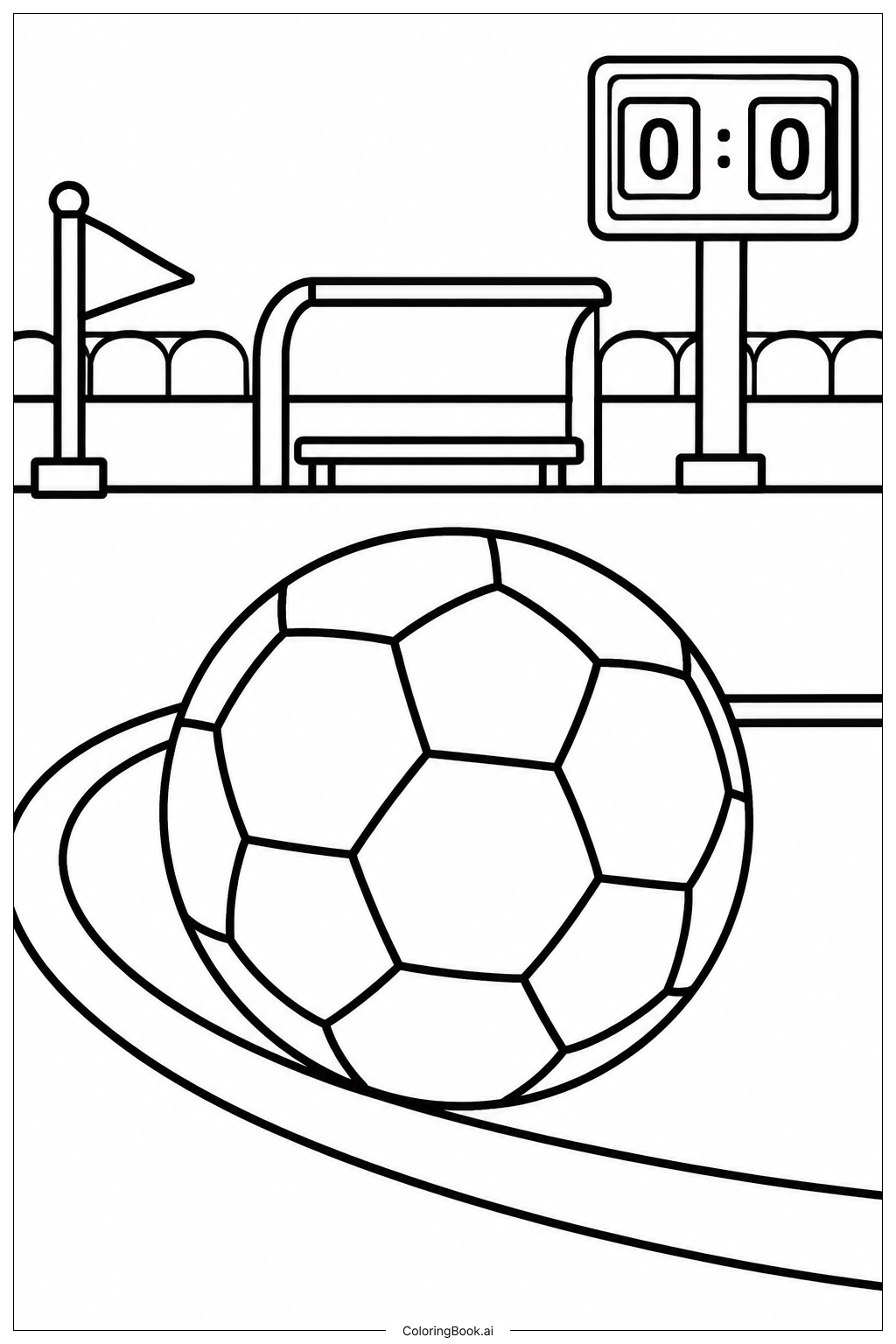
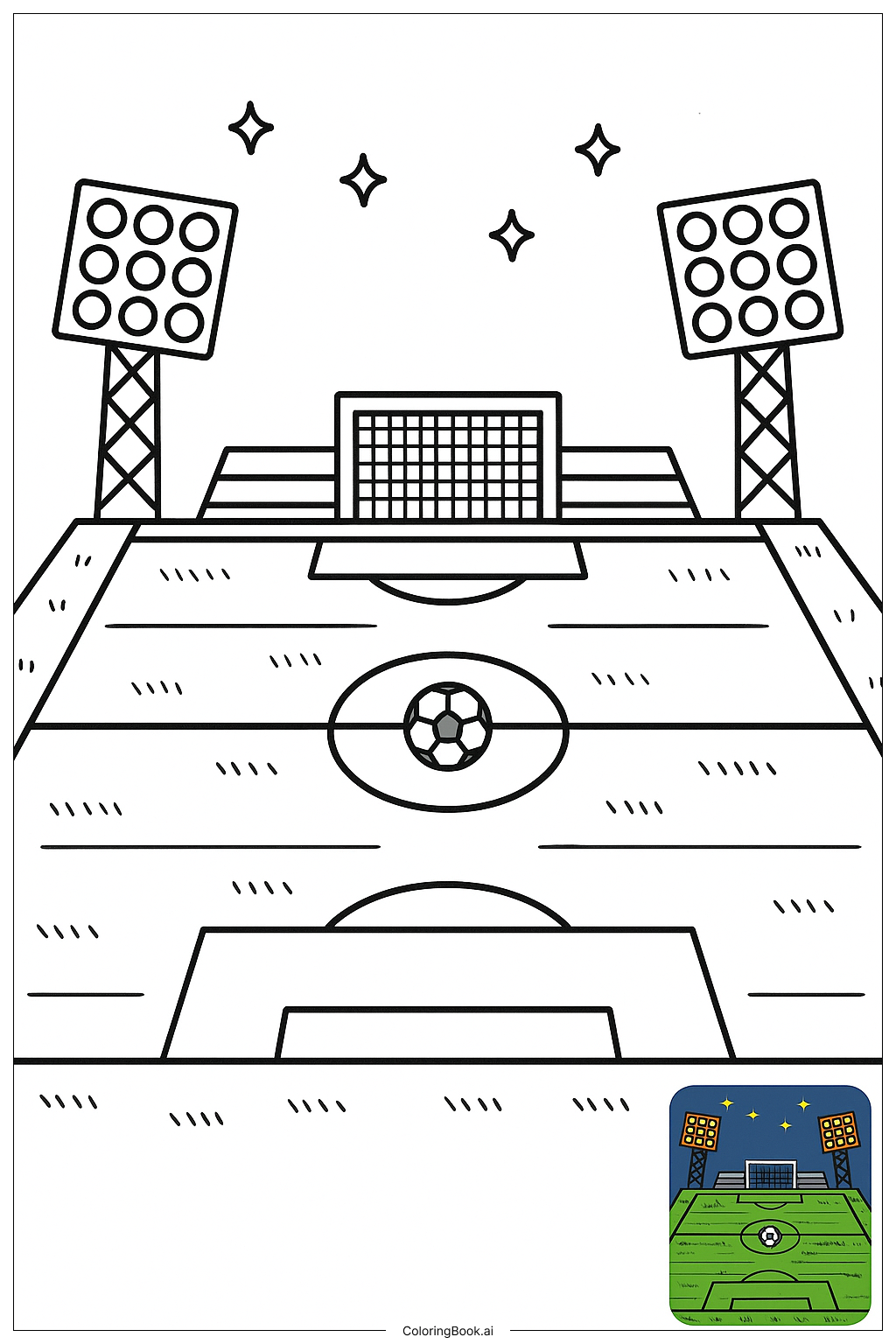
Start with the soccer ball by coloring the pentagon shapes black and leaving the hexagons white or a light gray. This gives the ball its classic look. You can also try a fun version by using bright colors like red, blue, or orange for the pentagons to make it pop. For the chalk lines on the ground, use white or a pale yellow to show the markings on the field. The grass around the ball can be colored in different shades of green to add depth and texture. Try a lighter green for highlights and a darker green for shadows. The background sky, if visible, works well in light blue. Encourage kids to experiment with their own color choices and make the scene feel alive and personal.
Coloring challenges: Which parts are difficult to color and need attention for Soccer Ball On Sideline Chalk coloring page?
• Soccer Ball Pattern Accuracy: The alternating pentagons and hexagons on the soccer ball require careful attention. Staying inside the small curved lines without bleeding into the wrong section can be tricky, especially for younger children. Take your time and use a fine-tipped coloring tool for better control.
• Chalk Line Precision: The chalk boundary lines are thin and straight, making them easy to accidentally color over. Use a light hand and a sharp pencil or thin marker to keep the lines neat and clear. Coloring around them carefully will help the lines stand out naturally.
• Grass Texture Detail: Suggesting grass texture without overworking the area is a challenge. If the image includes small grass strokes, coloring each one individually takes patience. Blending two or three shades of green helps create a realistic look without requiring perfect line work on every single blade.
• Shading the Ball for Depth: Making the ball look round and three-dimensional is one of the hardest parts. Adding a slightly darker shade on one side and a lighter tone on the other helps create a sense of volume. This technique takes practice but makes the final image look much more polished and realistic.
• Keeping the Background Clean: Balancing the field ground, chalk lines, and any background elements without making the image look too busy requires restraint. Using softer, less saturated colors for the background helps keep the soccer ball as the clear focal point of the scene.
Benefits of coloring books: Advantages of drawing Soccer Ball On Sideline Chalk coloring page
Coloring this soccer ball scene offers a range of benefits for kids and young artists. First, it helps build fine motor skills. Carefully coloring inside the small panels of the soccer ball trains hand-eye coordination and steady hand control. These skills are valuable in writing, drawing, and everyday tasks. Second, it encourages focus and patience. The detailed pattern of the ball requires concentration, which helps children practice staying on task and finishing what they start. Third, it sparks creativity. Choosing colors for the ball, the grass, and the field lines lets kids express themselves freely and build confidence in their own artistic choices. Fourth, it connects coloring to real-world experiences. Kids who love soccer will feel excited to color something familiar, making the activity feel meaningful and personally relevant. Fifth, it supports color recognition and planning skills as children decide which colors to use and where. Overall, this image is a great mix of fun, challenge, and learning that makes coloring both enjoyable and rewarding.