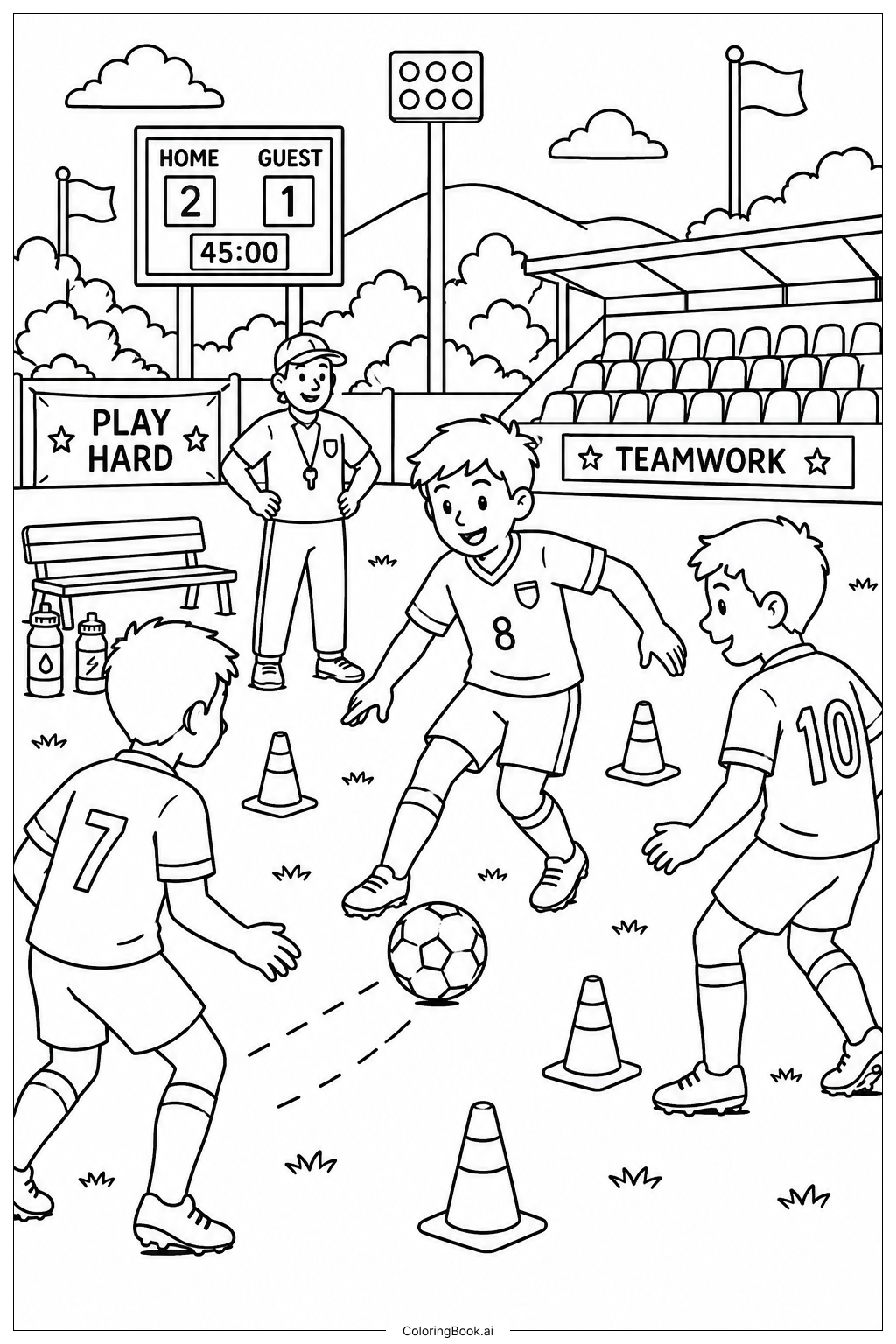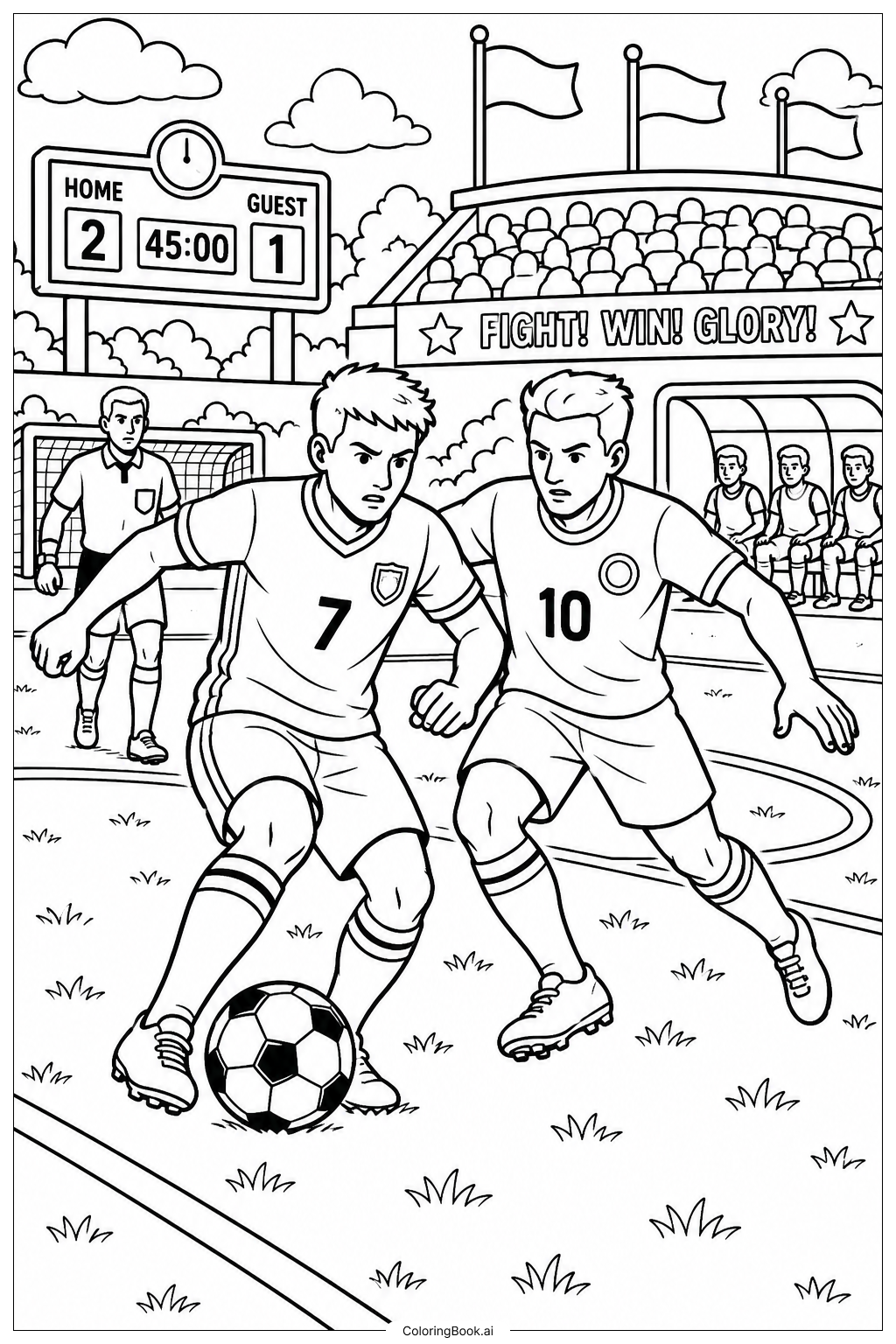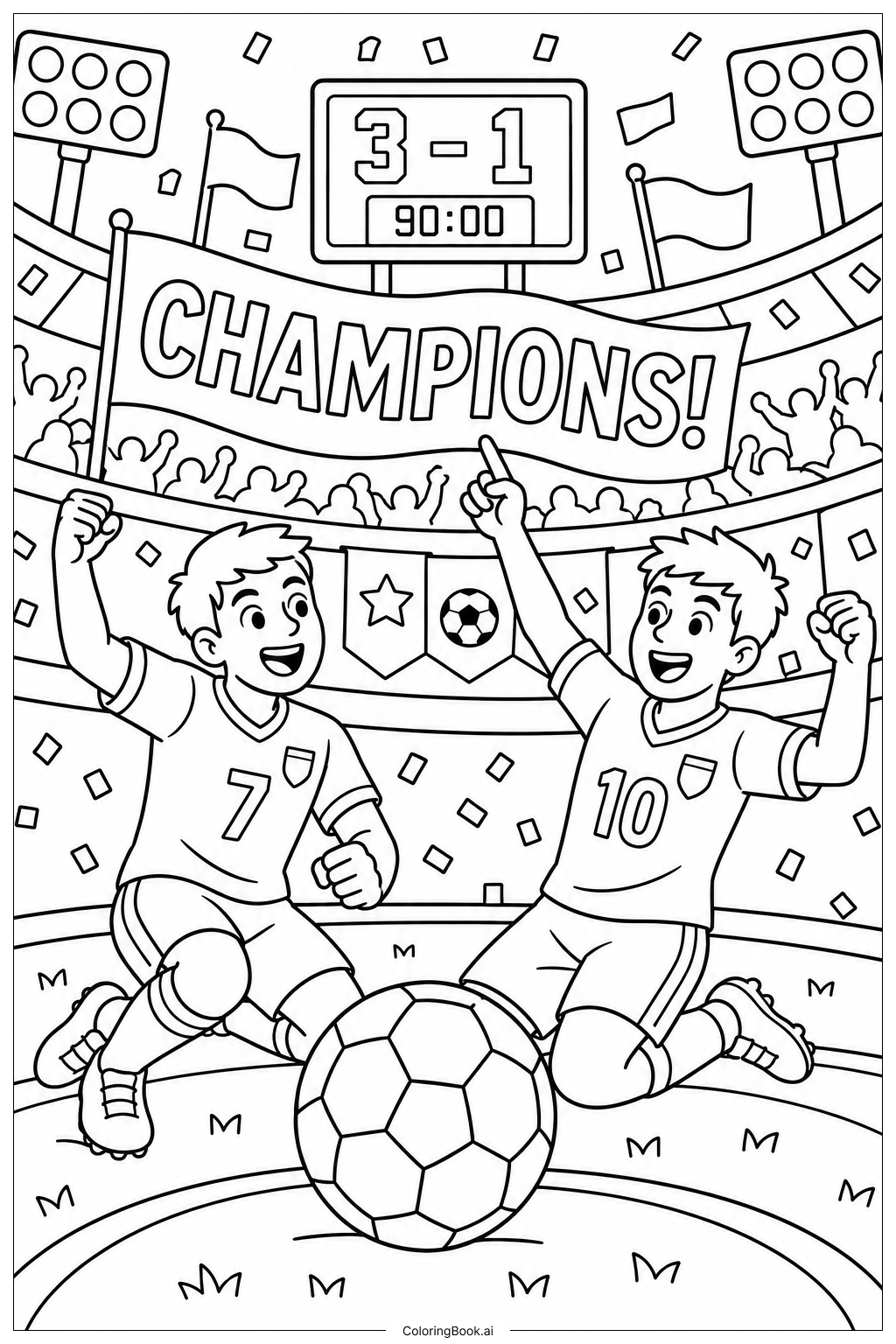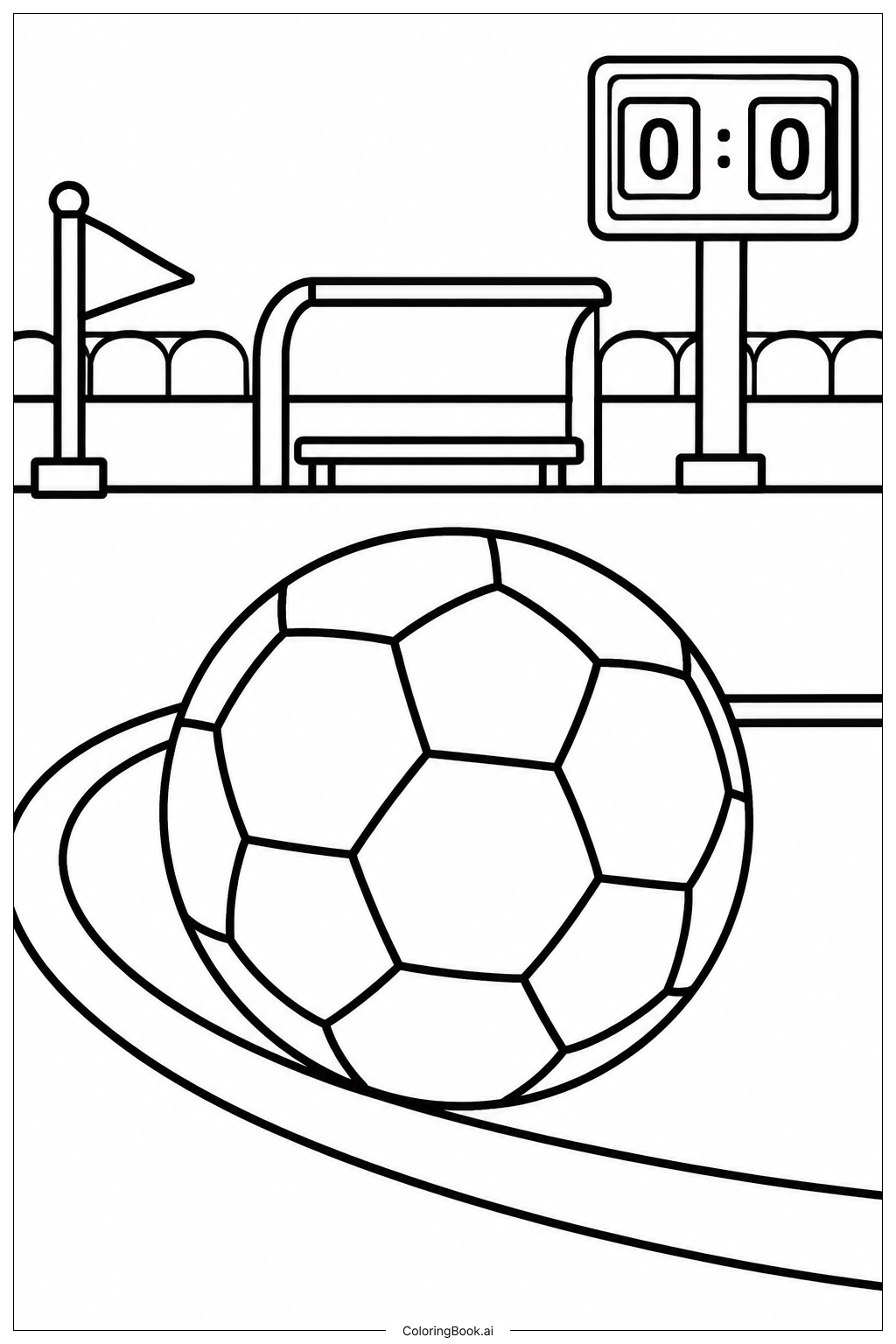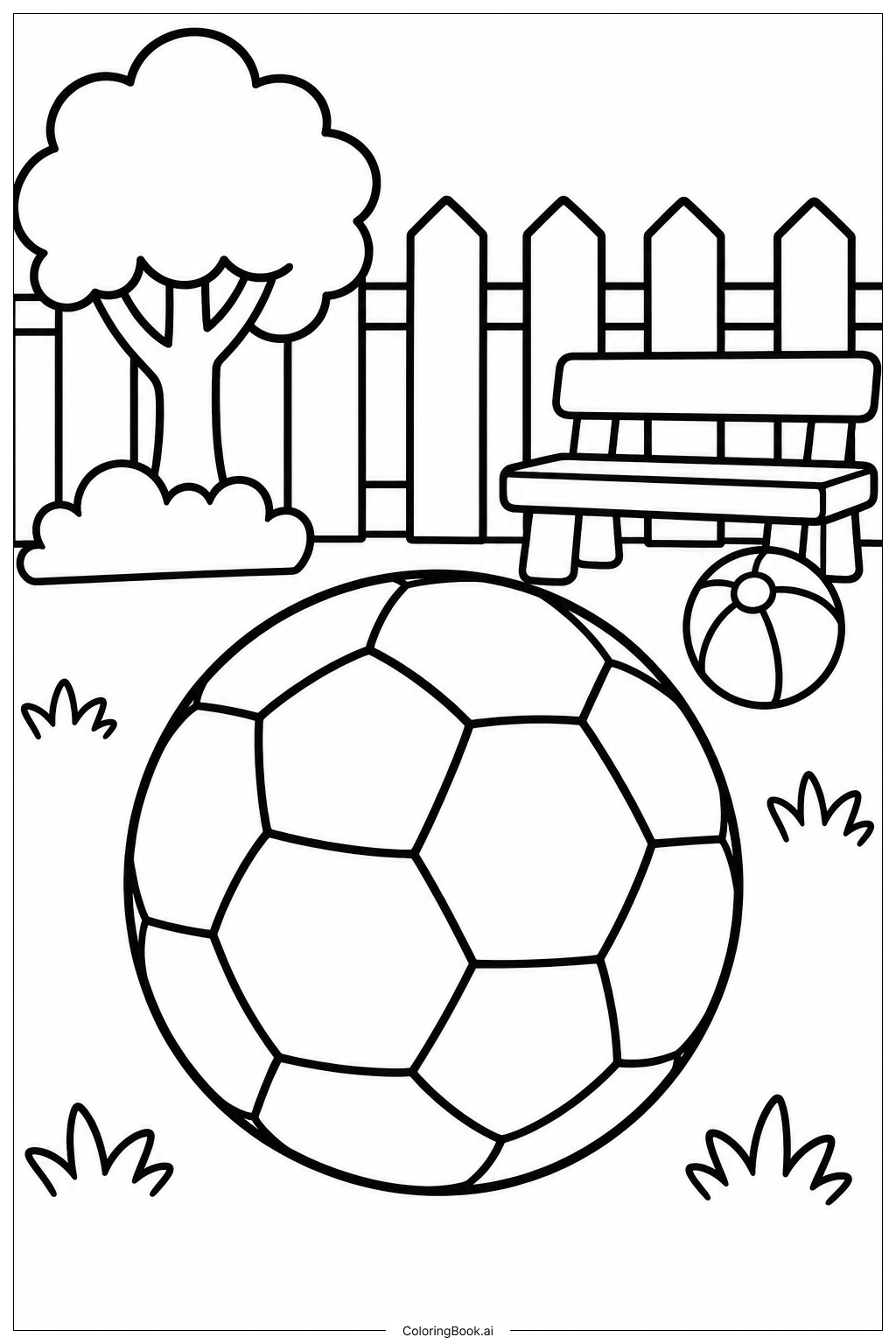
Coloring tips: How to color Soccer Ball On Backyard Lawn coloring page well?
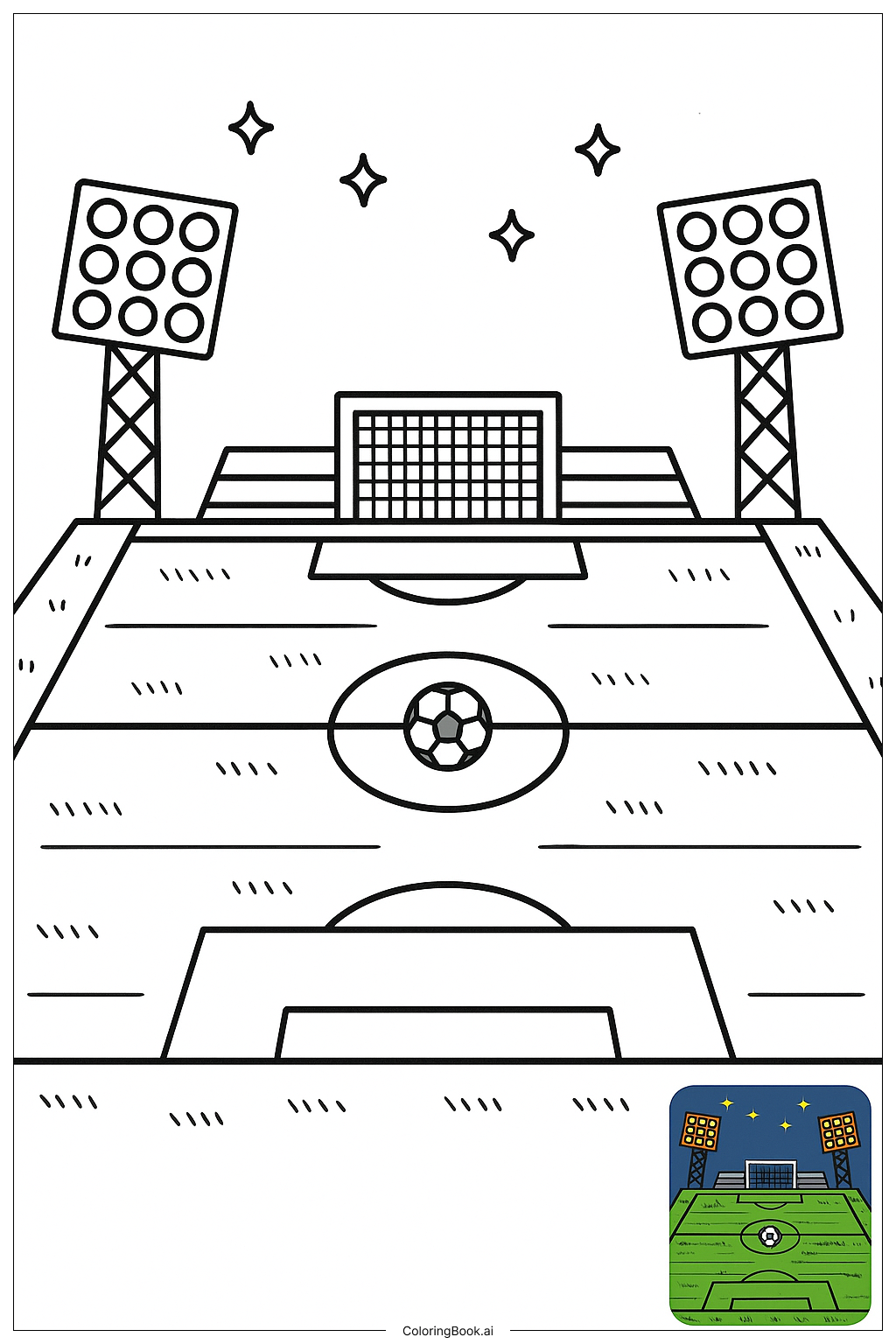
Start with the soccer ball itself. Traditional soccer balls have white hexagons and black pentagons — but feel free to make it your own! Try bright colors like red, blue, or yellow for the panels to create a fun, unique look. Use a light green for the grass blades around the ball. Add variation by mixing two or three shades of green to make the lawn look full and natural. For shadows under the ball and between the grass, use a slightly darker shade to add depth. If there is a fence or background, try a warm tan or brown for wood, and soft blues or purples for a sky peeking through. Keep your strokes light at first, then build up color gradually for a clean, polished result.
Coloring challenges: Which parts are difficult to color and need attention for Soccer Ball On Backyard Lawn coloring page?
• Soccer Ball Panel Patterns: The soccer ball is made up of alternating pentagons and hexagons that fit together precisely. Staying neatly inside each individual panel without overlapping into neighboring ones requires steady hand control. This geometric pattern can be tricky, especially for younger colorists, so using a fine-tipped tool to outline each panel first can help keep colors separate and clean.
• Curved Surface Shading: A soccer ball is round, which means light hits it unevenly. Showing that roundness through shading — adding lighter tones toward the top and darker tones toward the bottom and sides — takes patience and color-blending skill. Without shading, the ball can look flat rather than three-dimensional.
• Grass Texture and Detail: The lawn is made up of many individual grass blades, each thin and close together. Coloring each blade cleanly without smearing into the others is a fine-motor challenge. Creating a realistic grass effect also means layering multiple shades of green, which requires careful color selection and gradual layering.
• Transition Between Ball and Ground: Where the ball meets the grass, shadows and overlapping elements make the boundary harder to color neatly. Keeping the ball's color distinct from the green grass while still blending naturally at the contact point takes attention and a light hand.
• Background Consistency: If the image includes a fence, bushes, or sky in the background, keeping those areas evenly colored without streaks or uneven patches adds another layer of difficulty, especially across larger open spaces.
Benefits of coloring books: Advantages of drawing Soccer Ball On Backyard Lawn coloring page
Coloring this Soccer Ball On Backyard Lawn image offers a wide range of benefits for kids and young learners. Working through the geometric panels of the soccer ball strengthens fine motor skills and hand-eye coordination, as staying within precise shapes requires careful, controlled movements. Choosing colors for the ball, grass, and background encourages creative thinking and personal expression — there is no single right answer, which builds confidence. Blending shades of green for the lawn introduces young colorists to the idea of color variation and depth, nurturing early artistic awareness. Focusing on a detailed image also supports concentration and patience, skills that carry over into school and everyday tasks. For soccer fans, this image adds an extra layer of joy and connection, making the activity feel personal and exciting. It is a great way for children to unwind, express themselves, and build skills all at the same time — no screen required.