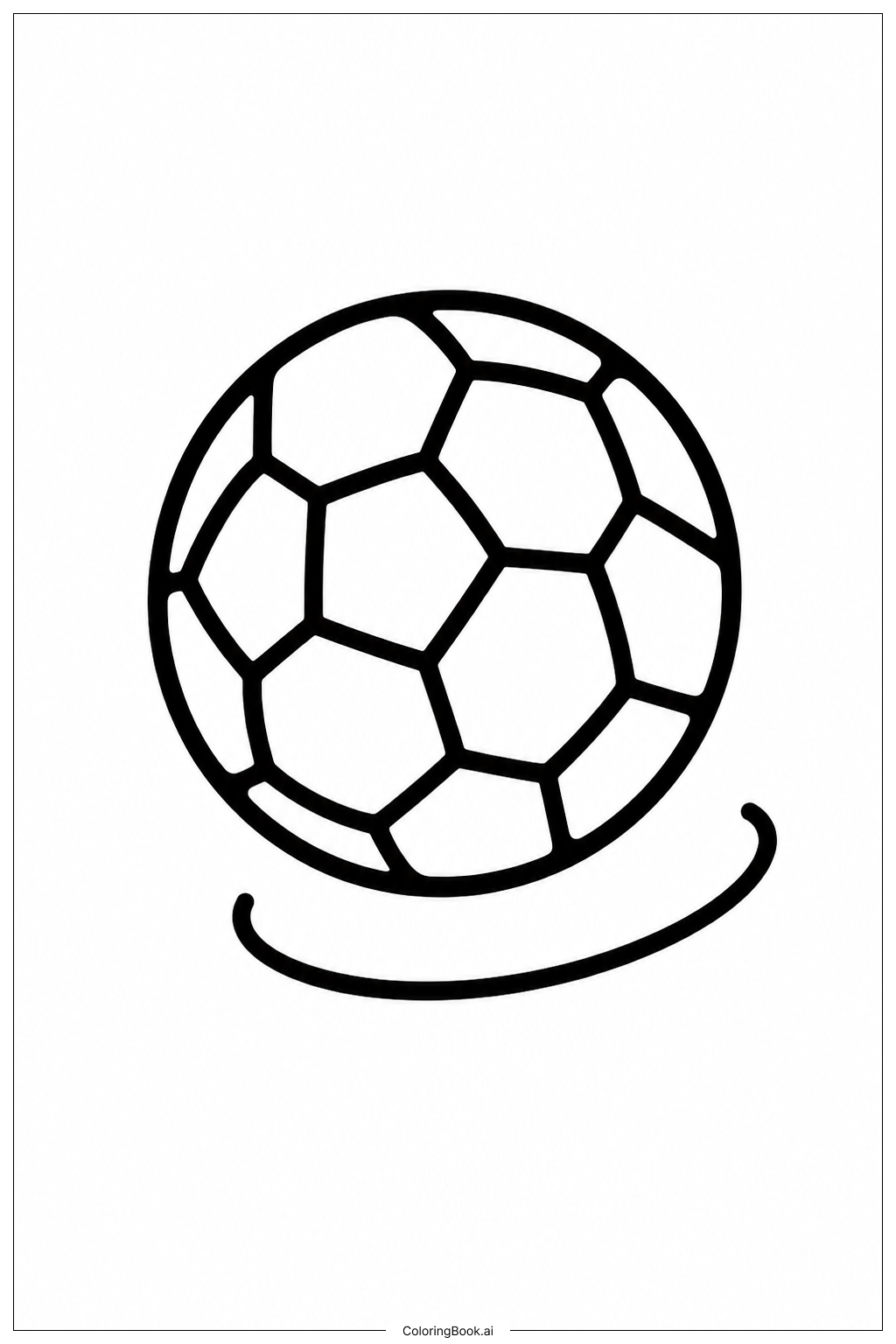
Coloring tips: How to color Floating Soccer Ball coloring page well?
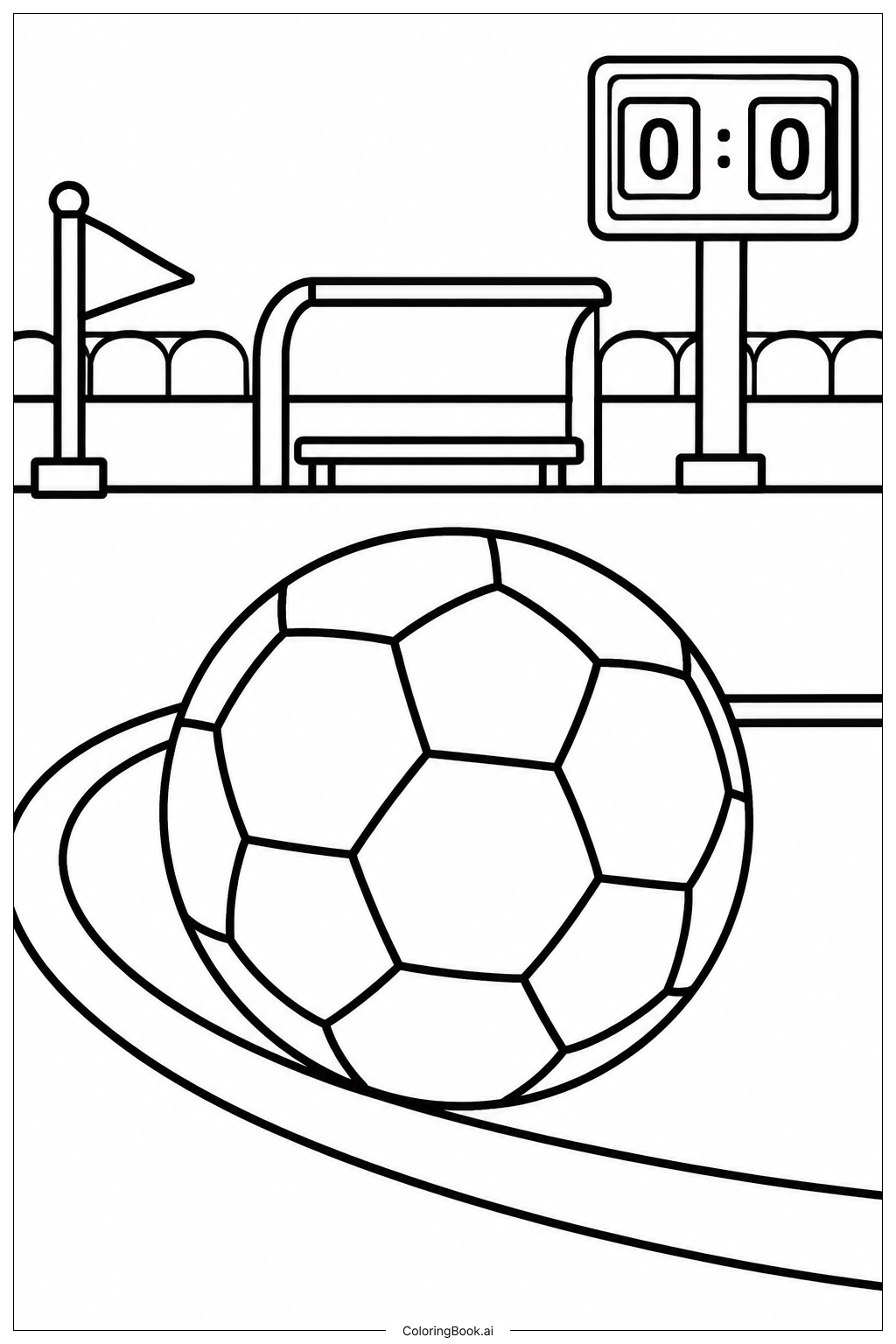
Start by choosing your two main colors for the ball panels. Traditional soccer balls use black and white, but feel free to use any colors you like. Try bright yellow and blue, or red and orange for a fun, bold look. Color all the pentagon panels first with one color, then fill in the hexagon panels with a second color. This helps keep the pattern neat and organized. For the background, a light sky blue with a few white clouds looks great and gives the feeling that the ball is floating high in the air. You can also add a soft yellow glow behind the ball to make it look sunny and bright. Use darker shades on one side of each panel to add a shadow effect and make the ball look round and three-dimensional. Light strokes work best for shading. Have fun mixing colors and making this soccer ball your very own.
Coloring challenges: Which parts are difficult to color and need attention for Floating Soccer Ball coloring page?
• Panel Pattern Accuracy: The soccer ball is covered in a geometric pattern of pentagons and hexagons that fit together precisely. Keeping track of which panels connect to which can be tricky, especially near the edges of the ball where the shapes curve around the surface. Take your time and color one panel at a time to avoid accidentally filling in the wrong section.\n\n• Curved Surface Shading: Because the ball is round, the light and shadow fall in a curved pattern. Recreating this with flat coloring tools requires careful blending. The highlight should sit near the top center of the ball, while the shading grows darker toward the edges. Young colorists may find this gradual transition challenging without blending markers or colored pencils.\n\n• Maintaining Clean Outlines: The bold lines that separate each panel must stay visible once color is applied. Coloring too heavily or pressing too hard near the edges can cause colors to bleed into neighboring panels. Using a fine-tip coloring tool or staying slightly inside the lines helps keep each section clean and clear.\n\n• Background Depth: The open background around the floating ball offers creative freedom but can also feel overwhelming. Deciding how much color to add, where to place clouds or sky tones, and how to balance the background with the ball itself takes planning. Too much color in the background can overpower the ball, while too little can make the image feel unfinished.\n\n• Floating Effect: Capturing the feeling that the ball is truly floating in the air requires subtle choices in color and shadow. Adding a faint shadow beneath the ball and keeping the surrounding area light helps reinforce this effect, but getting the balance right takes patience and a steady hand.
Benefits of coloring books: Advantages of drawing Floating Soccer Ball coloring page
Coloring this Floating Soccer Ball image offers a range of wonderful benefits for kids and beginners alike. First, tracing and filling in the geometric panel pattern helps strengthen fine motor skills and hand-eye coordination. Following the lines carefully trains steady, controlled movements that are useful in school and daily life. Second, choosing colors for the ball and background encourages creative thinking and personal expression. There is no single right answer, so every child can make their own unique version. Third, working through the shading and panel details builds focus and patience. Sitting quietly and completing a coloring page is a calming activity that helps reduce stress and improve concentration. Fourth, for kids who love soccer, this image connects a favorite sport with a creative outlet. It can spark conversations about the game, famous players, and team colors, making learning fun and engaging. Finally, finishing the page gives a real sense of accomplishment. Displaying a completed coloring page builds confidence and pride in one's own work. This simple image packs a lot of developmental and emotional value into one enjoyable activity.