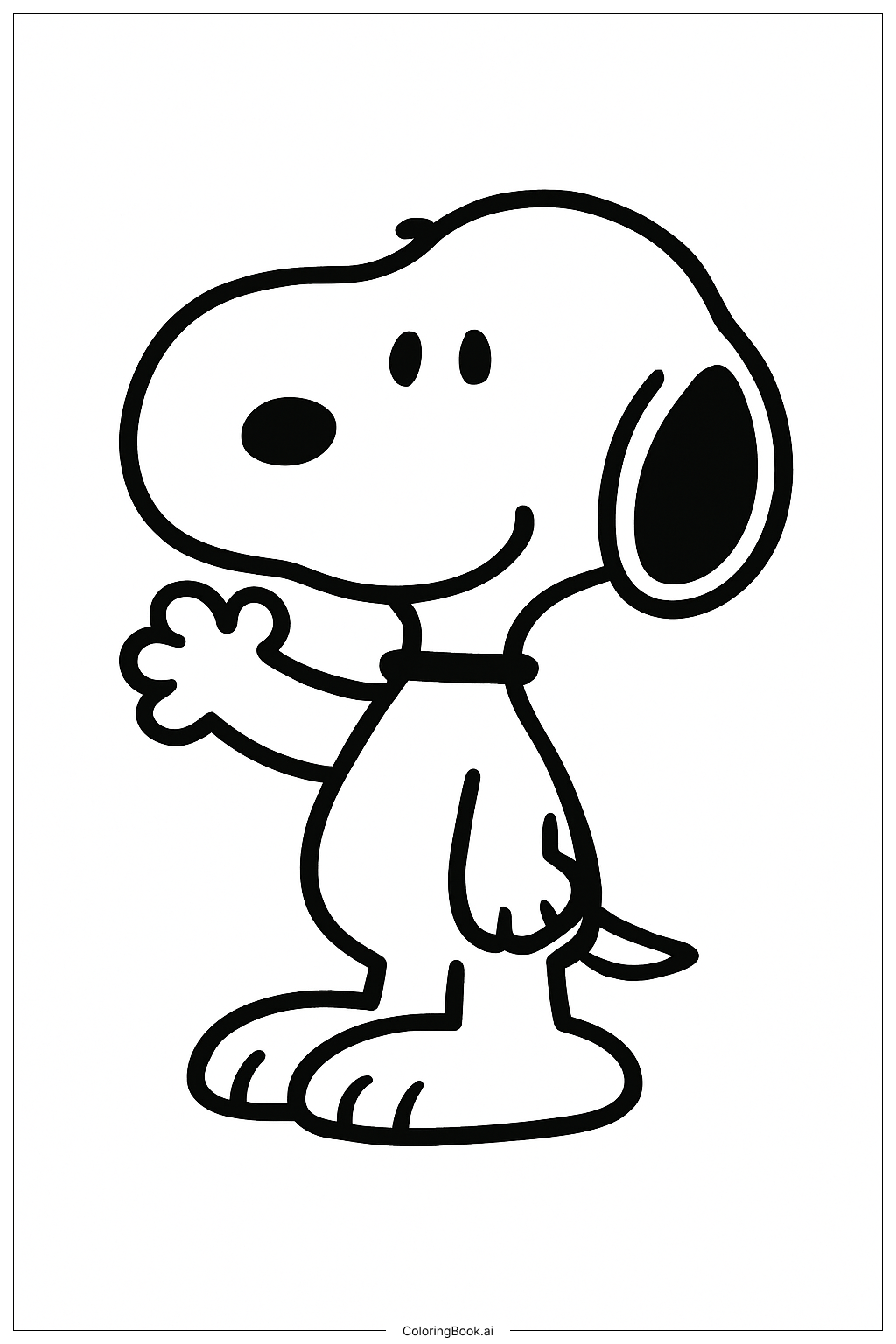
Coloring tips: How to color Snoopy Waving coloring page well?
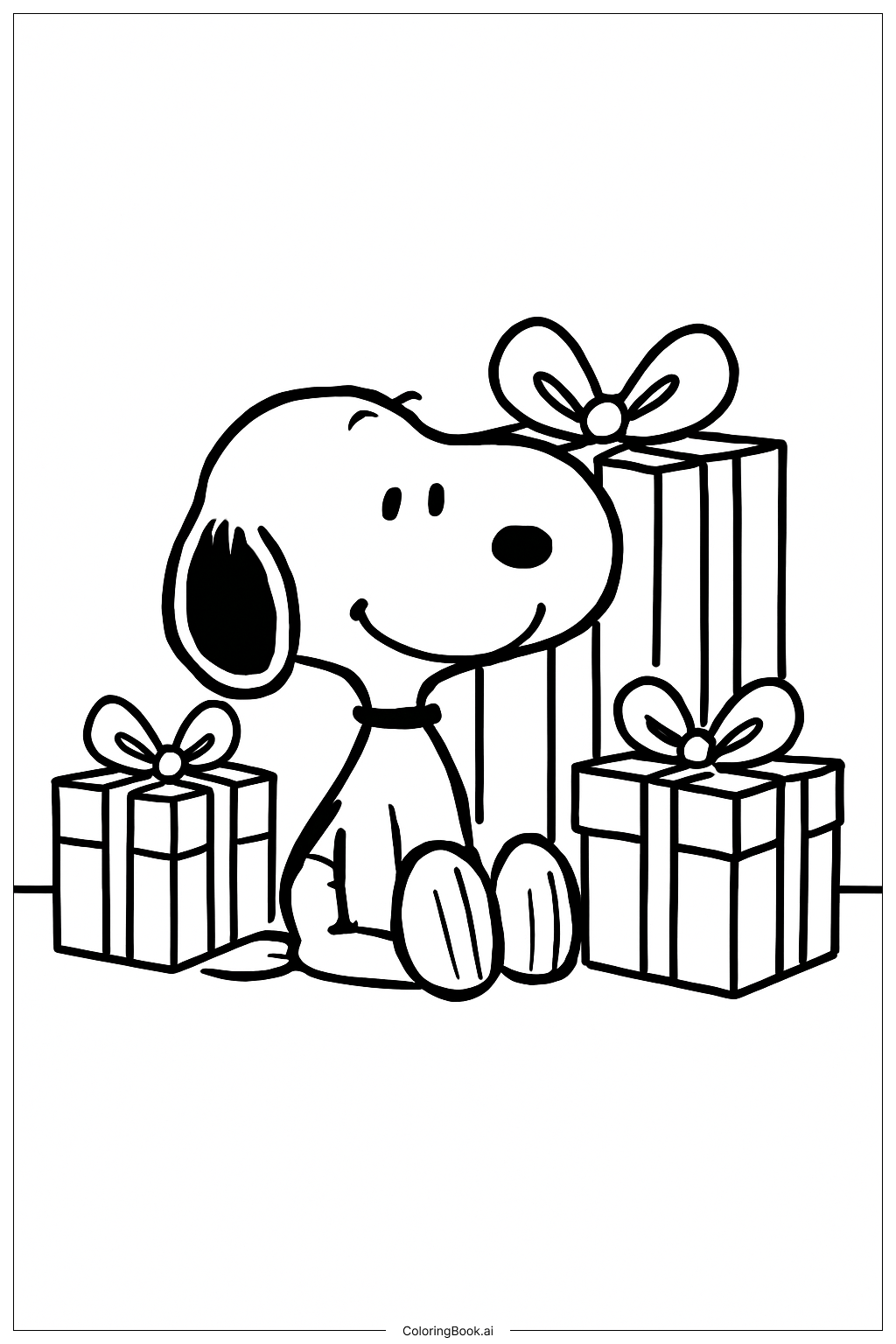
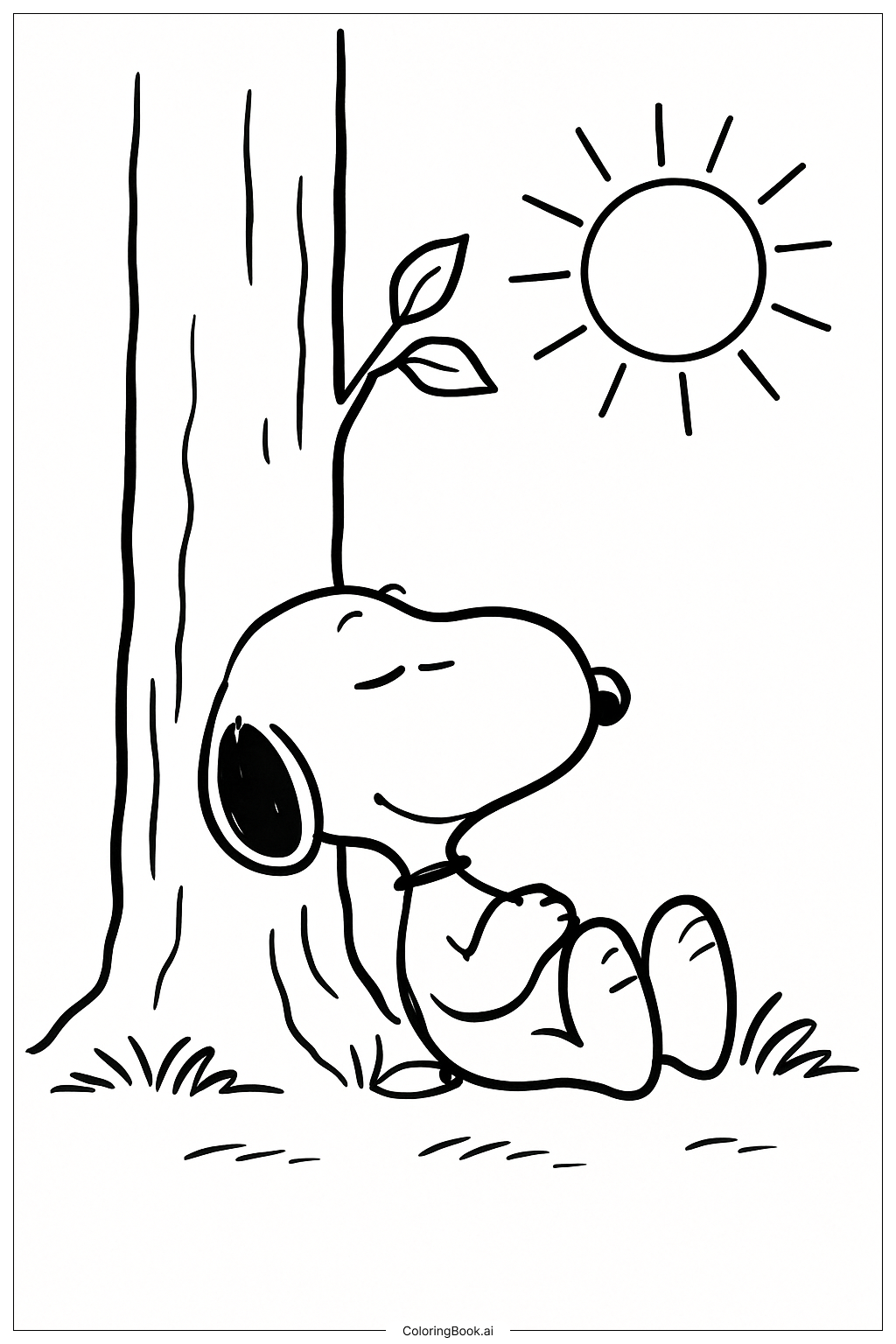
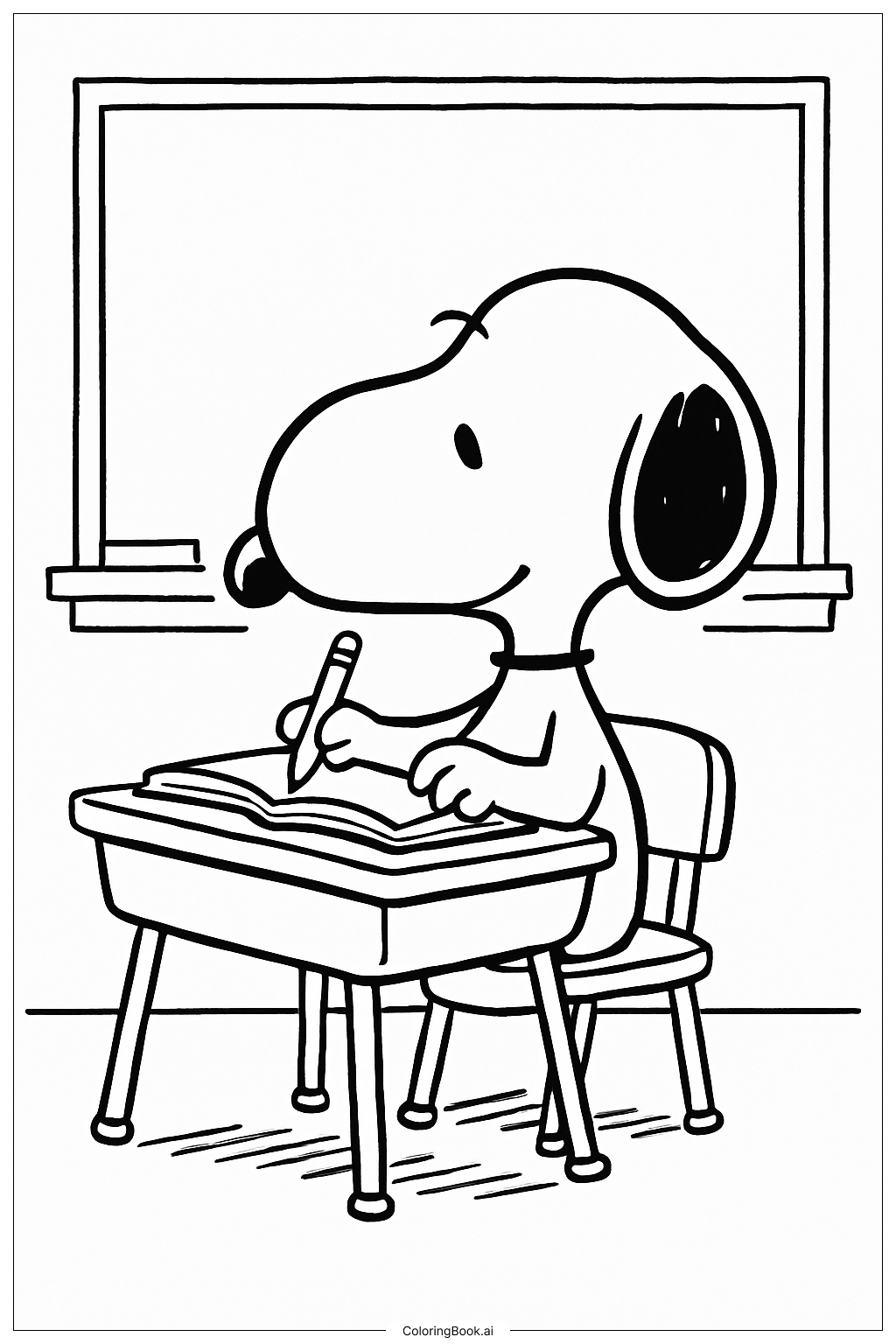
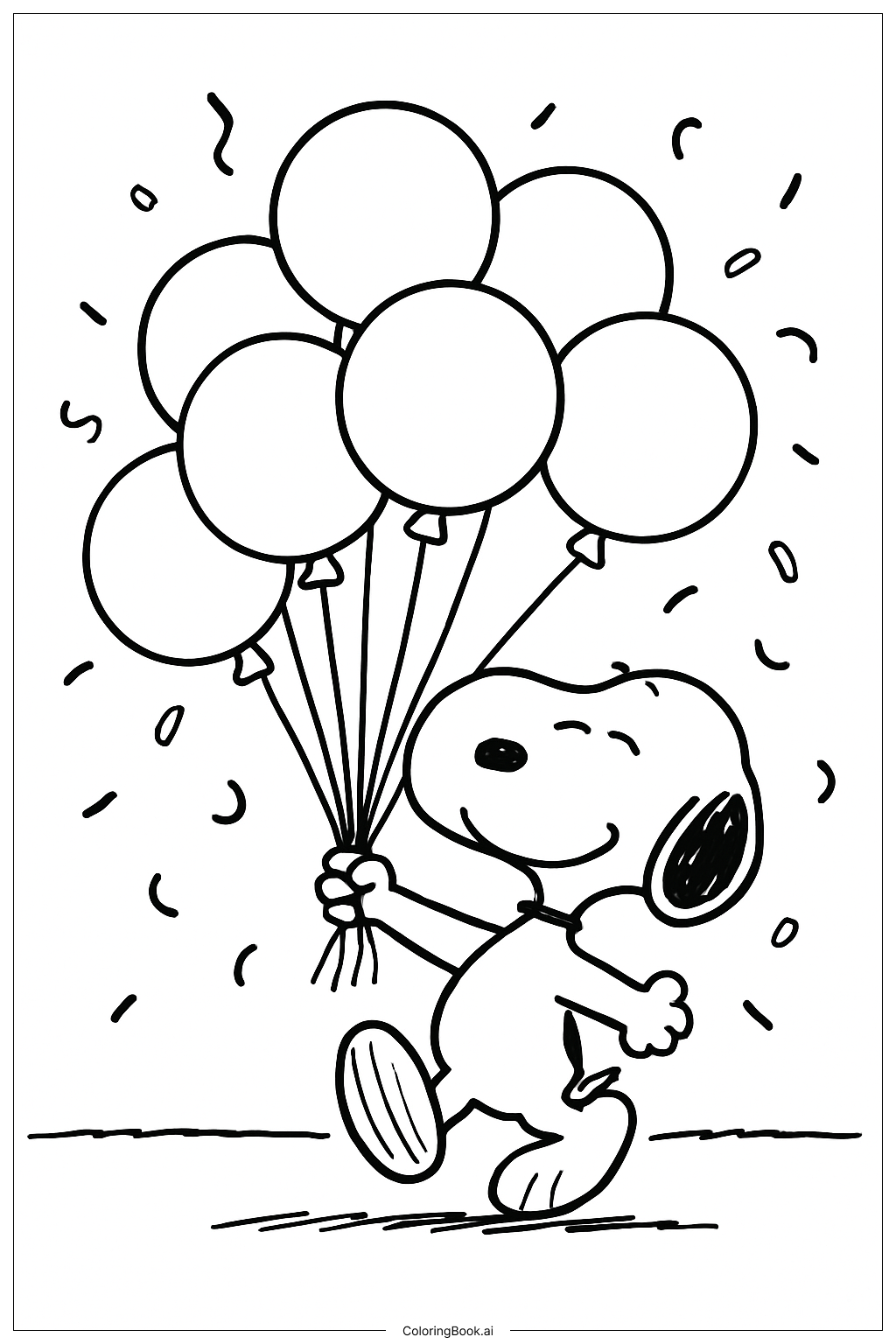
Start with Snoopy's body by filling it in with bright white, leaving the large areas open and clean. Use jet black for his ears, the patches on his back, and the tip of his nose to stay true to his classic look. His eyes can be filled with solid black, with a tiny white dot left uncolored to create a lively sparkle. For his smile and inner ear details, use a soft pink or light rose tone. The background can be kept simple with a light sky blue or sunny yellow to keep the focus on Snoopy himself. If you want to add more fun, try a light green for a grassy ground beneath his feet. Use colored pencils for smooth, even coverage on the larger white areas, and a fine-tipped marker or thin pencil for the small details around his face and paws. Keep your strokes light and steady for the best result.
Coloring challenges: Which parts are difficult to color and need attention for Snoopy Waving coloring page?
• Keeping White Areas Clean: Snoopy's body is mostly white, which means you need to color surrounding areas carefully without accidentally bleeding into those white spaces. Staying within the lines on a large open area takes patience and a steady hand, especially for younger colorists.
• Black Patches and Contrast: Applying solid black to Snoopy's ears and back spots requires even, consistent pressure. If the black is uneven or streaky, it can make the patches look messy. Using a good quality black marker or heavily layered pencil strokes helps achieve a smooth, solid fill.
• Facial Expression Details: Snoopy's face holds the most character in this image. His eyes, nose, smile, and cheek curves are all packed into a small circular space. Coloring these tiny features without smudging or overlapping requires precision tools like fine-tipped markers or sharp colored pencils.
• Ear Shading and Depth: His long floppy ears hang at the sides of his head and benefit from subtle shading to look three-dimensional rather than flat. Adding a slightly darker tone along the edges or inner folds of the ears can bring them to life, but blending smoothly in a small curved area is tricky for beginners.
• Paw and Wave Details: The raised paw has small rounded fingers and subtle curves that define the waving gesture. Coloring this area neatly while preserving the gesture's shape requires careful attention, as the lines are close together and easy to accidentally fill in the wrong way.
Benefits of coloring books: Advantages of drawing Snoopy Waving coloring page
Coloring this Snoopy Waving page offers a wonderful mix of fun and learning for kids of all ages. Snoopy is a familiar and beloved character, which makes children feel excited and motivated to pick up their colors and get started right away.
For younger children, filling in the bold, simple shapes of Snoopy's body helps develop fine motor skills and hand-eye coordination. Staying inside the lines with crayons or colored pencils trains focus and control in a relaxed, enjoyable way.
For older kids, the challenge of keeping white spaces clean, blending shading on the ears, and adding detail to the face encourages patience and attention to detail. These are skills that carry over into everyday tasks like writing, drawing, and crafting.
Emotionally, Snoopy's happy waving pose spreads positivity. Coloring a joyful image like this can boost a child's mood and give them a sense of calm and comfort. It is a great quiet-time activity that reduces stress and helps children unwind after a busy day.
Completing the page also builds confidence. Seeing a finished, colorful version of a favorite character gives kids a real sense of pride and achievement. It encourages creativity by letting them make their own color choices and express their personal style through art.