Coloring tips: How to color Snoopy On Swing coloring page well?
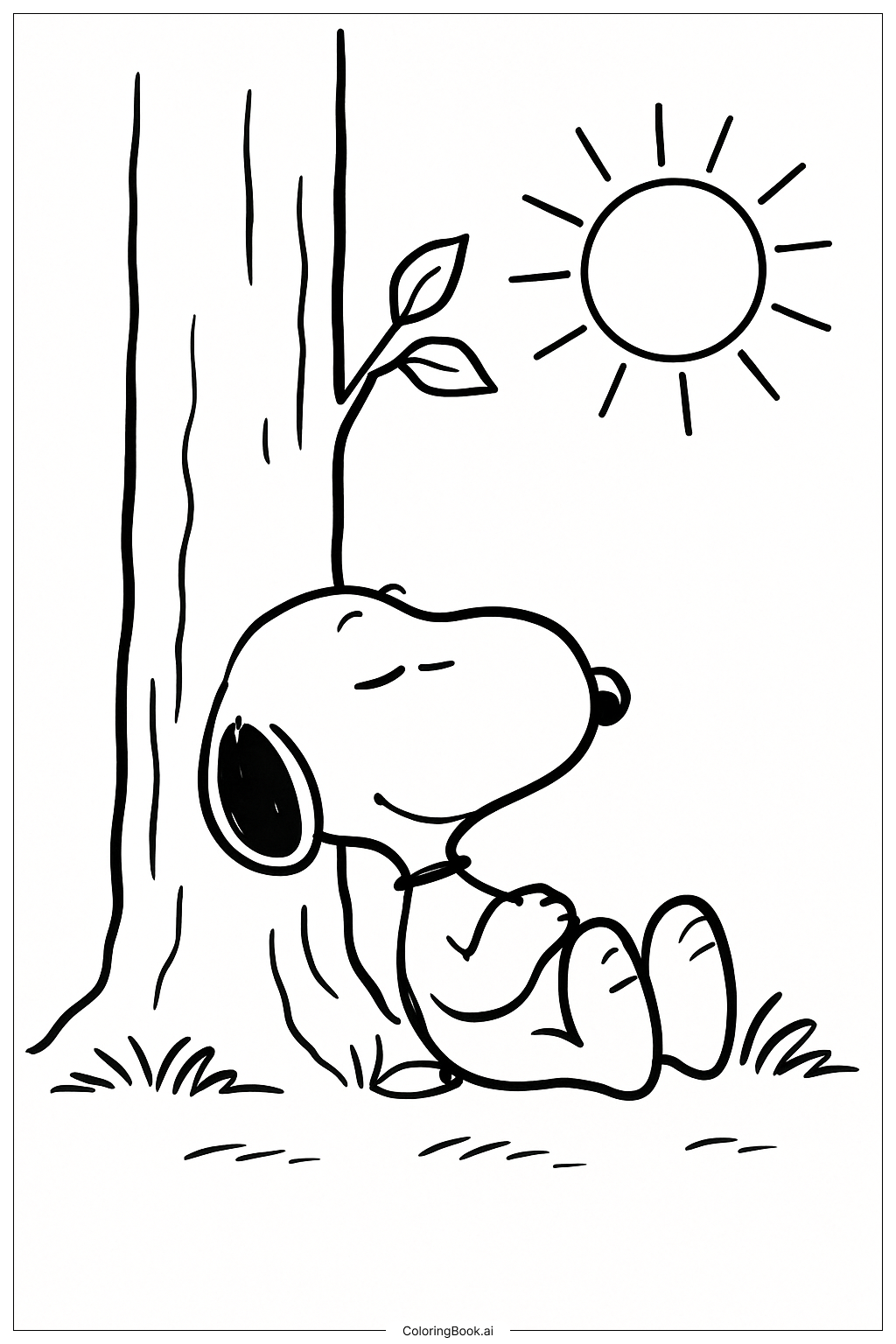
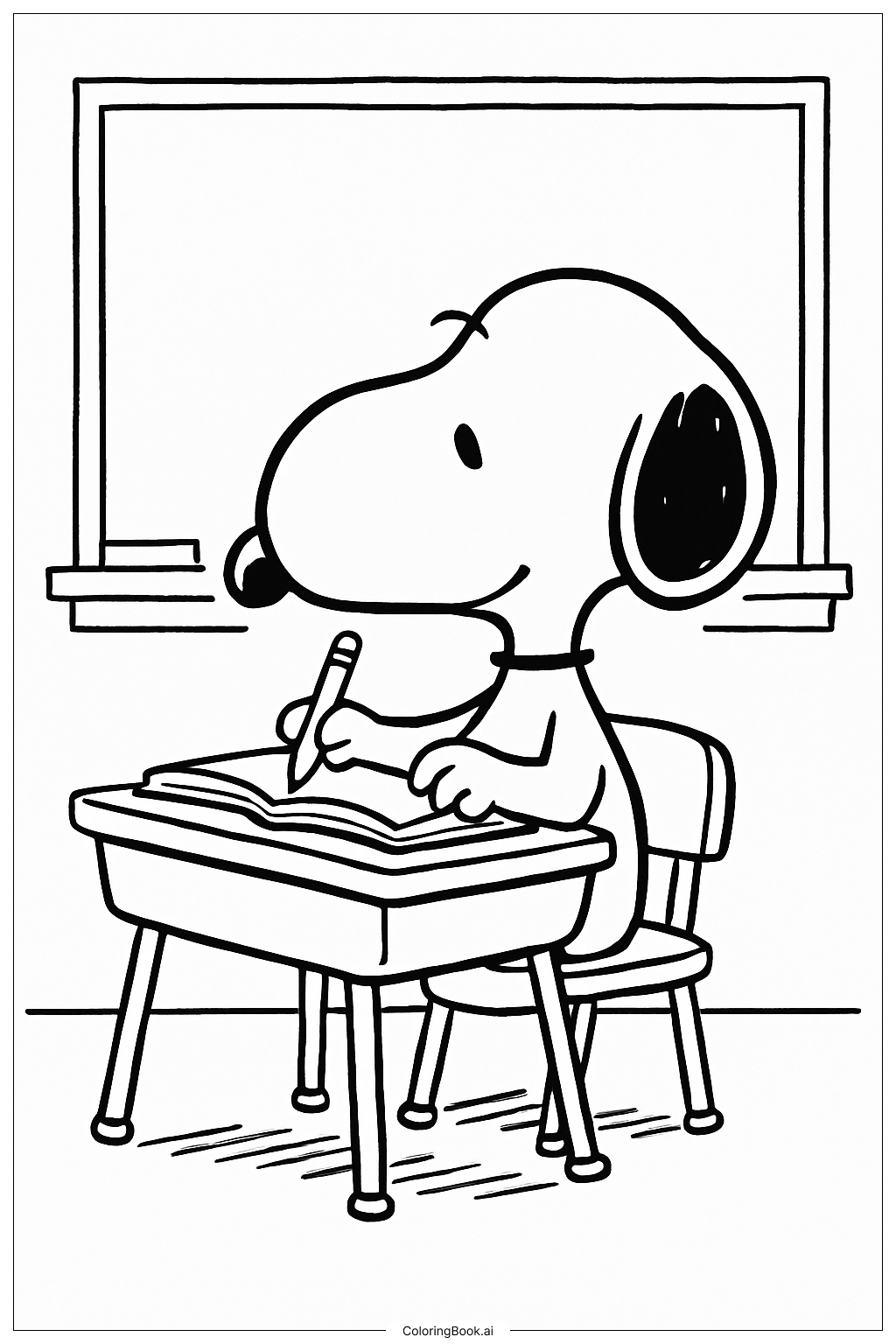
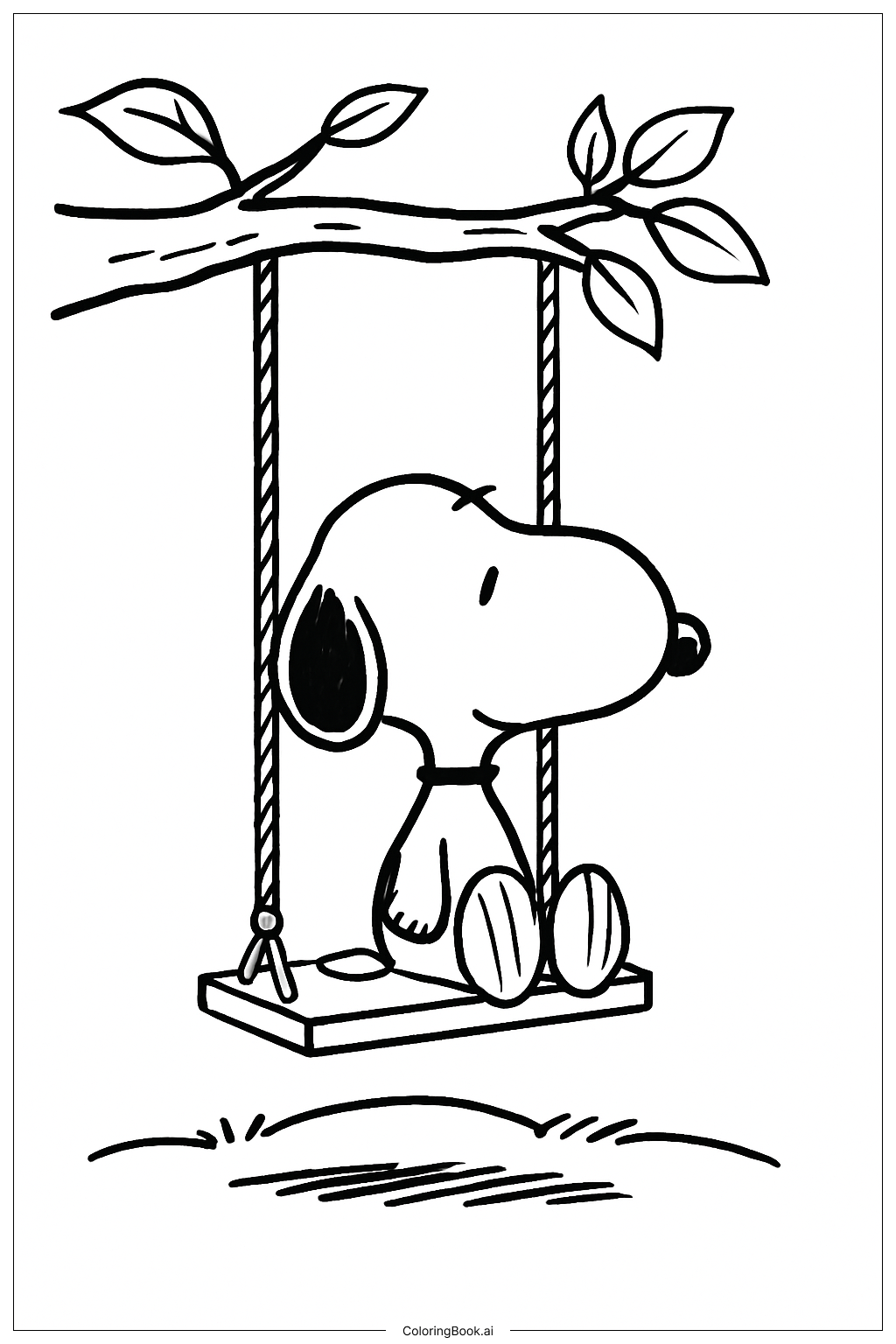
To color Snoopy, consider using classic colors. His body can be white, while his ears and the tip of his nose are black. The swing can be a light brown to resemble wood. For the leaves on the branch, use various shades of green to create depth. The grass below can be a bright green, adding contrast to the overall image. Encourage kids to use their favorite colors for the background or even add a blue sky, making it their own unique masterpiece! Don’t forget to add some colorful details around Snoopy to make the scene more vibrant.
Coloring challenges: Which parts are difficult to color and need attention for Snoopy On Swing coloring page?
1. **Shading and Blending**: Kids may find it challenging to shade Snoopy's ears and give depth to the swing. Blending colors can be tough for younger ones. 2. **Detail Work**: The small details, like the rope on the swing, can be tricky to color neatly. Young children might struggle with staying within the lines. 3. **Color Choices**: Choosing the right colors for each element can be difficult. Children may feel uncertain about how to creatively color Snoopy and his surroundings. 4. **Maintaining Consistency**: Keeping the colors consistent throughout the picture can be a challenge. This may require patience and careful coloring to achieve a pleasing result. 5. **Filling in Large Spaces**: Snoopy's body has large white areas that might be hard to fill evenly without streaks or patches. This can require practice to ensure a smooth finish.
Benefits of coloring books: Advantages of drawing Snoopy On Swing coloring page
Coloring this Snoopy page can be very beneficial for children. It helps develop fine motor skills as they practice using crayons or colored pencils. This activity encourages creativity and self-expression, allowing kids to choose their own colors and designs. Coloring also provides a calming effect, helping to reduce stress and anxiety. It can improve focus and concentration, making it a great break for children after studying or other tasks. Additionally, filling in the blank spaces promotes a sense of accomplishment as kids see their artwork come to life with each stroke of color.