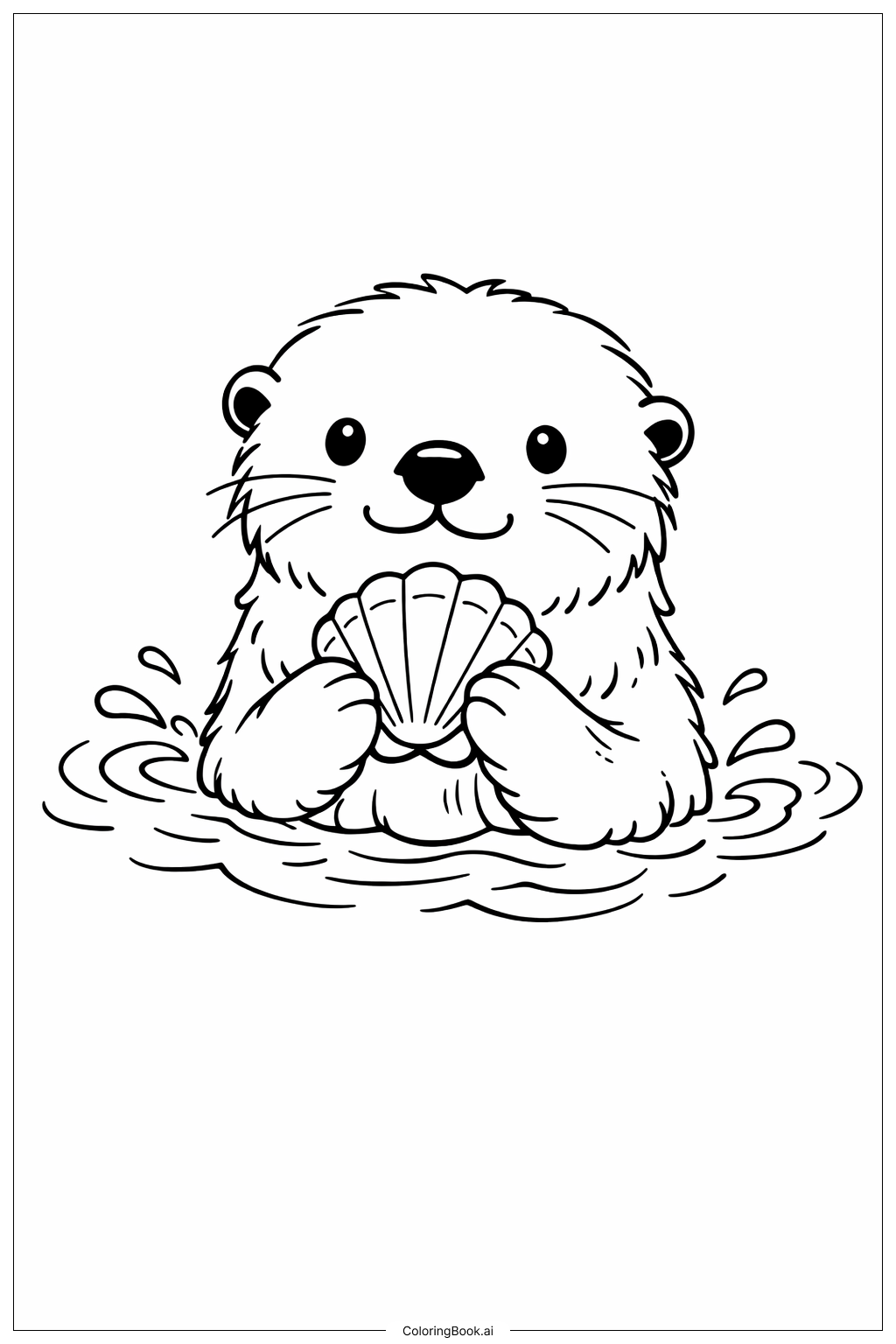
Coloring tips: How to color Sea Creatures Otter with Shell coloring page well?
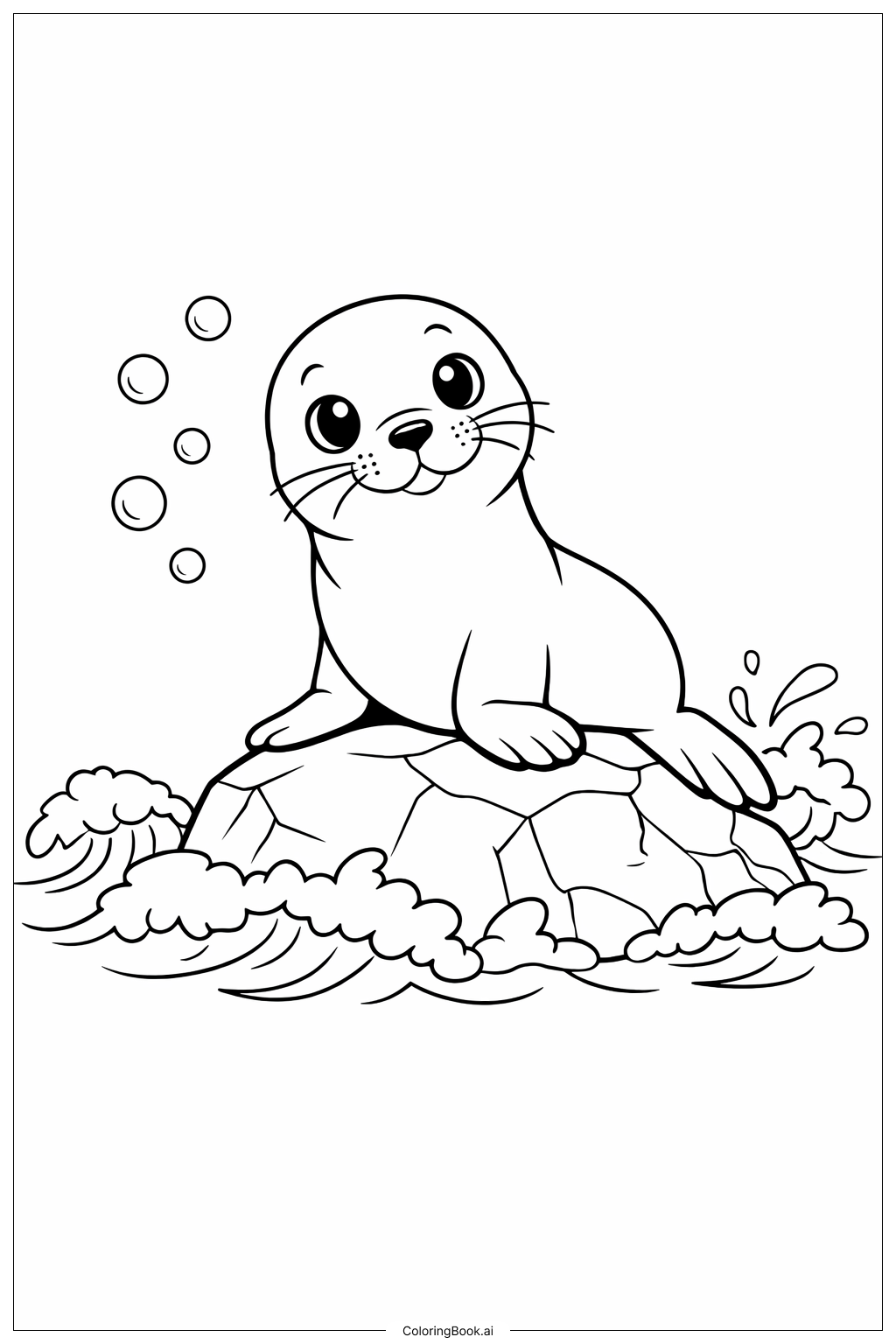
Try coloring the otter in shades of brown with lighter patches on its face and belly to show its furry texture. Use soft blues and greens for the water around it to create an underwater feel. The shell can be colored in natural tones like sandy beige or soft pinks to show its unique pattern. Add bright colors to the sea plants to make the scene pop, such as green, orange, or purple. Use gentle shading to show light reflections on the water and bubbles for a more realistic effect. Feel free to use your imagination to make the otter and sea creatures bright and colorful!
Coloring challenges: Which parts are difficult to color and need attention for Sea Creatures Otter with Shell coloring page?
• Fine Details: The otter’s whiskers and small seaweed strands require careful coloring to stay inside the lines and keep them looking delicate.
• Texture Variation: Showing the difference between the otter’s soft fur, the smooth shell, and the flowing water requires using different coloring techniques and strokes.
• Small Spaces: The bubbles and tiny plant leaves are small areas that might be tricky for younger children to color neatly.
• Blending Colors: To create a natural look for the water and the otter’s fur, blending colors softly is important but can be challenging.
• Consistent Shading: Balancing light and shadow on the otter and shell helps add depth but requires attention to where light would naturally fall in the scene.
Benefits of coloring books: Advantages of drawing Sea Creatures Otter with Shell coloring page
Coloring this image helps children improve their fine motor skills as they carefully color small details like the otter’s whiskers and sea plants. It encourages creativity by letting them choose different shades for the sea and animals. Coloring textured surfaces like fur and shell enhances their observation skills and attention to patterns. The calming underwater scene can also promote relaxation and focus. Overall, coloring this Sea Creatures Otter with Shell image is a fun way to learn about marine life while developing hand-eye coordination.