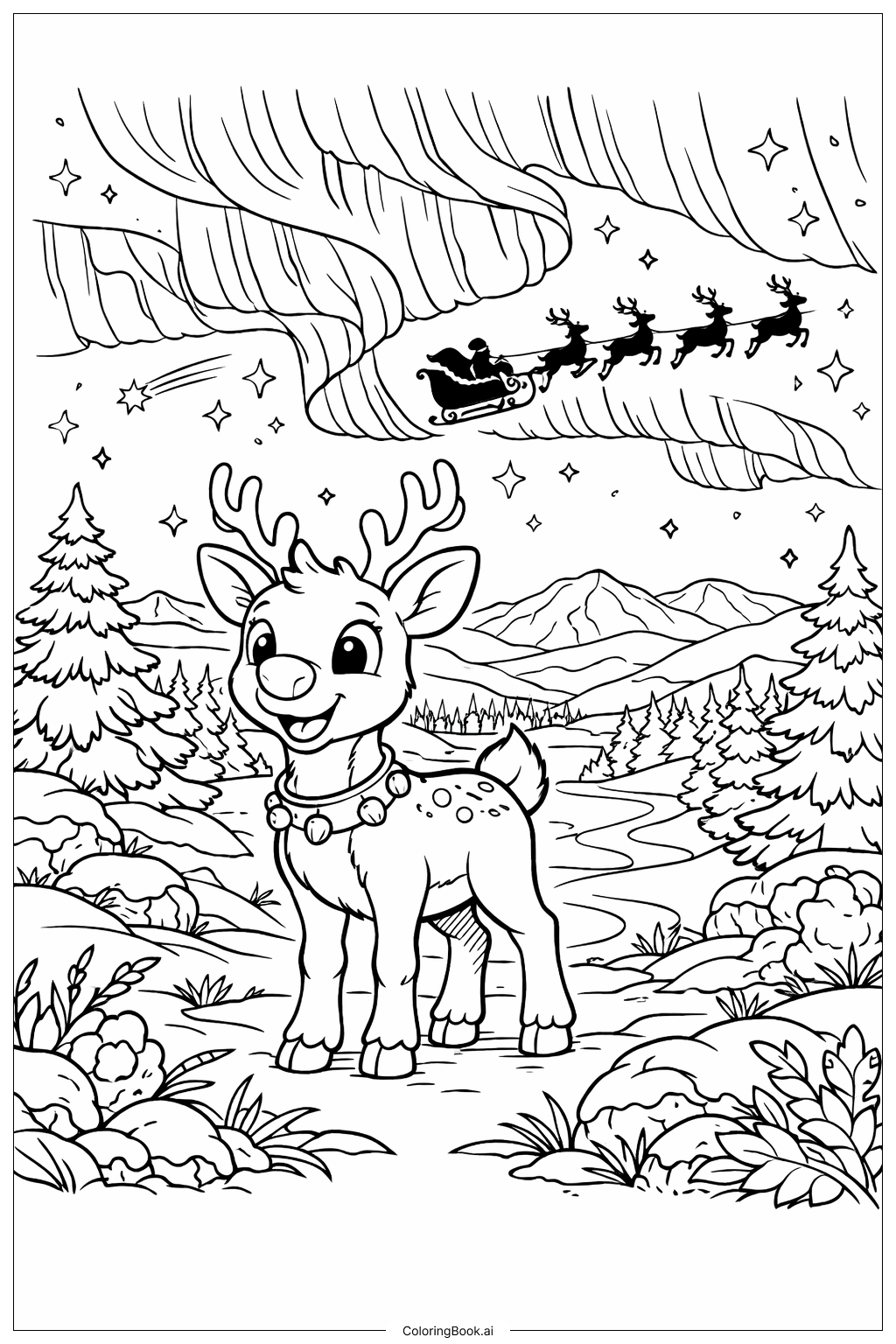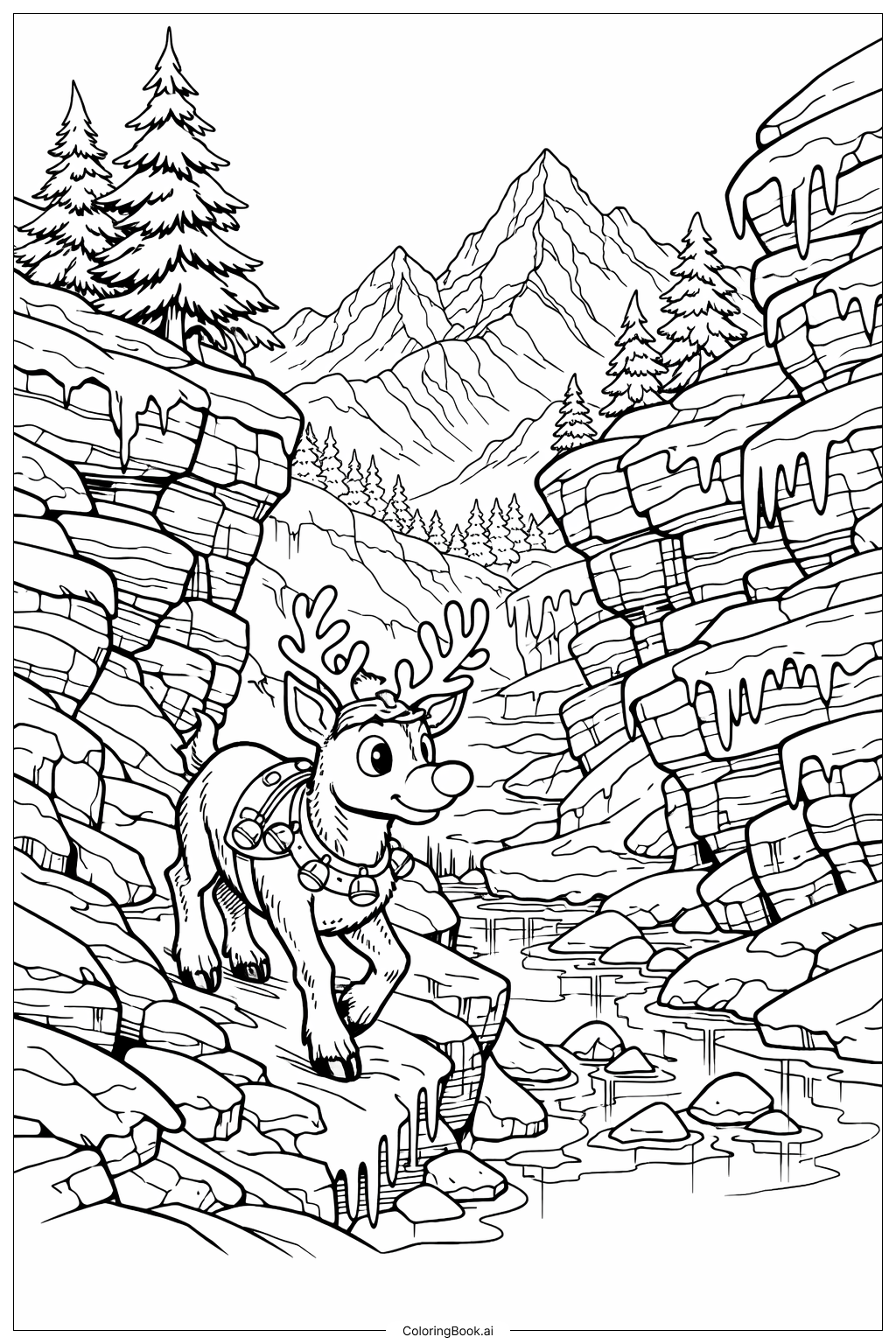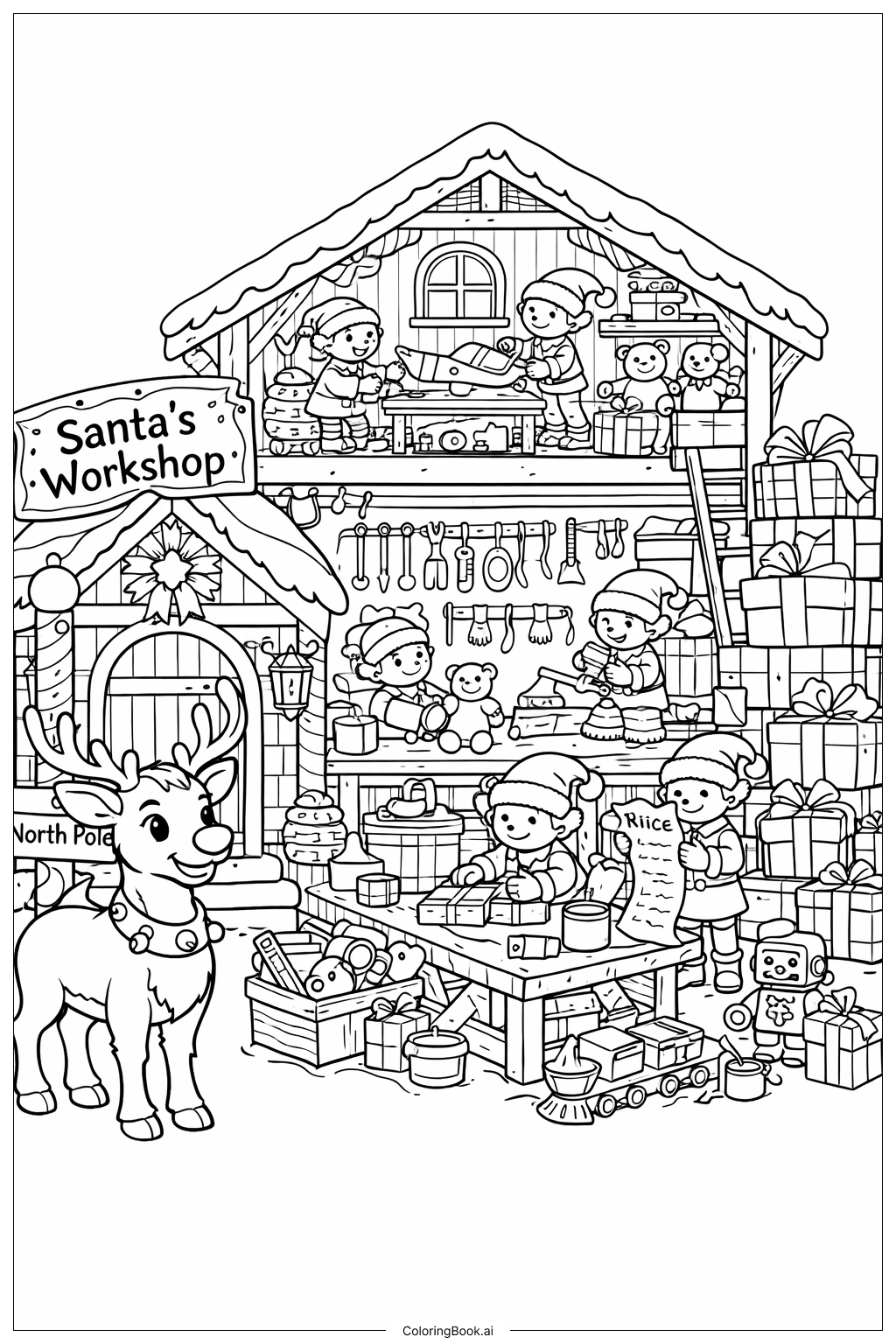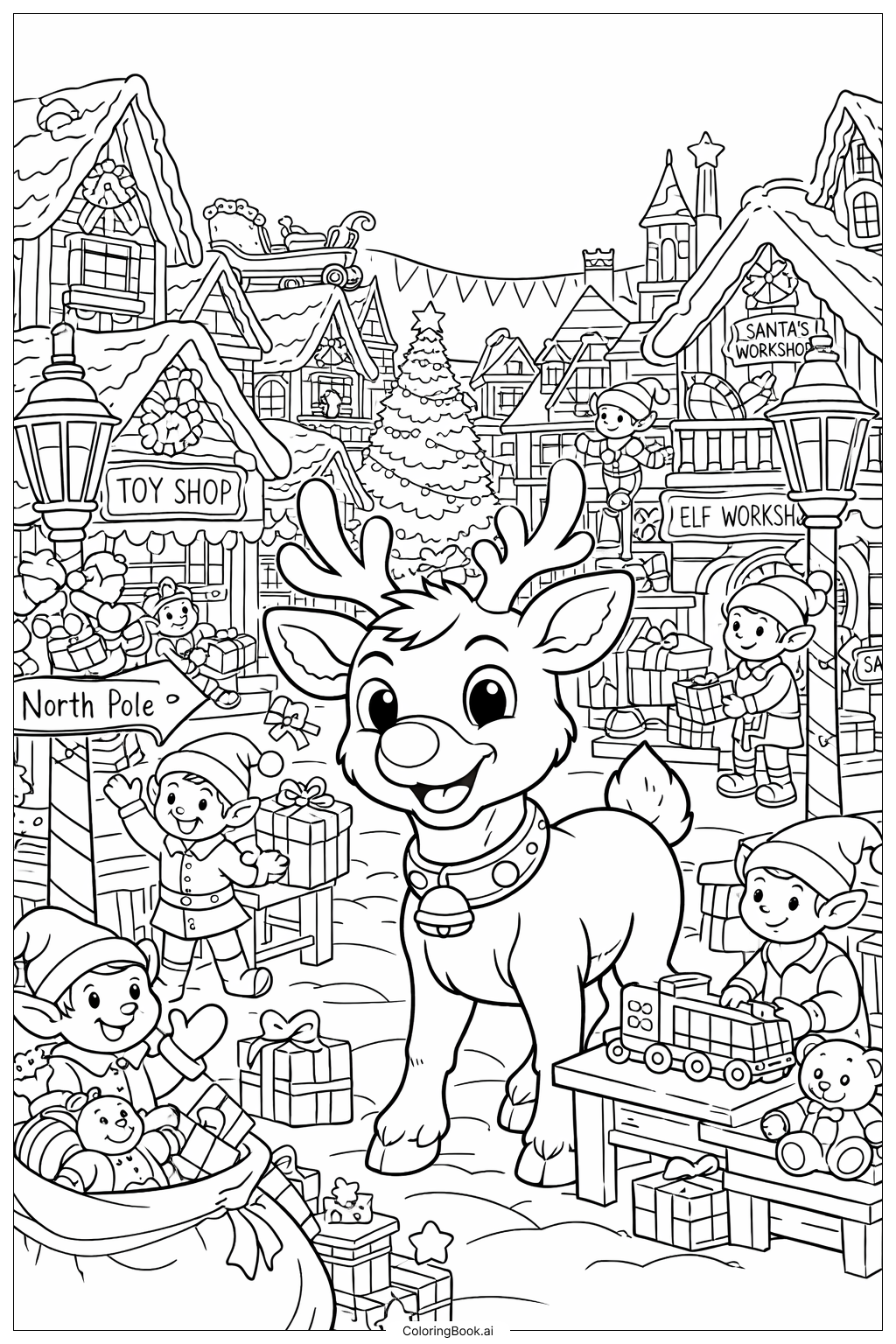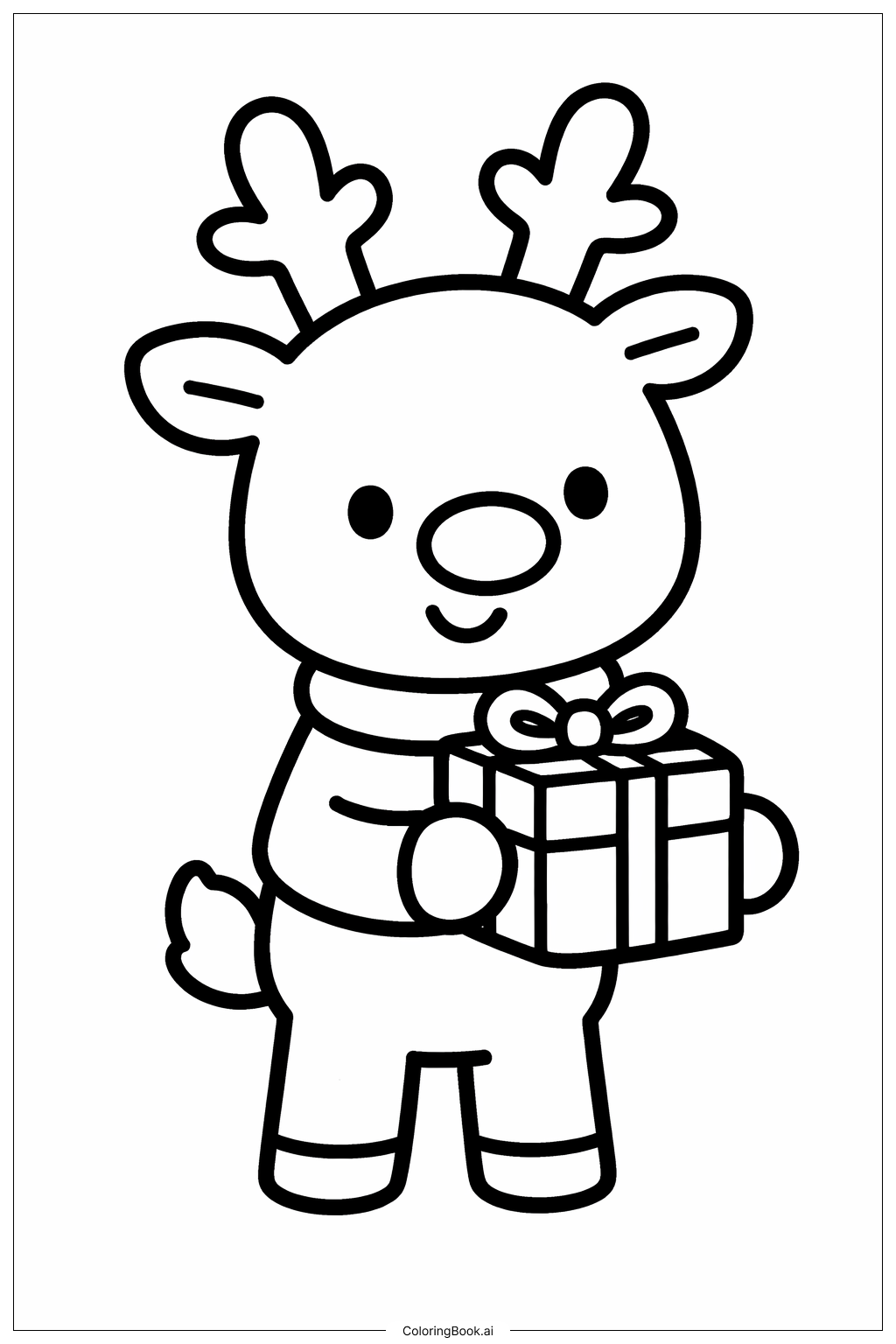
Coloring tips: How to color Rudolph With Simple Present coloring page well?
Start with Rudolph's body by filling it in with warm shades of brown. Use a lighter tan or beige for his underbelly and the inside of his ears to add depth. His famous nose should be colored bright red — this is the star of the image, so make it bold and vivid. His eyes look great in dark brown or black with a small white highlight dot to make them shine. Color his antlers in a slightly darker brown than his body to help them stand out. For the background, use cool, icy blues and whites for the snowflakes to contrast with Rudolph's warm tones. You can add a soft golden glow around his nose to show it lighting up the night. Don't be afraid to try different shades and blend colors to make Rudolph come alive on the page.
Coloring challenges: Which parts are difficult to color and need attention for Rudolph With Simple Present coloring page?
• Rudolph's Red Nose: The most iconic part of this image, the red nose, needs careful attention. Coloring it a vivid, even red without going outside the circle outline can be tricky, especially for younger children. Using a red marker or crayon with a fine tip helps keep the color neat and bright inside the lines.
• Antler Details: Rudolph's antlers have several branching points that create small sections close together. Coloring each branch neatly without accidentally blending into neighboring sections requires a steady hand and a sharp pencil or thin marker. Older children and adults will find this a fun challenge.
• Body Shading and Depth: Rudolph's body is large and rounded. Simply filling it with one flat brown can look dull. Adding lighter and darker shades to show curves and fur texture takes some practice and patience, but the result looks much more realistic and lively.
• Facial Expression Details: Rudolph's eyes and mouth are small but important for capturing his friendly expression. Coloring small areas like the pupils, eyelids, and smile line without smudging or overstepping the outlines can be a delicate task, particularly for children using chunky crayons.
• Background Snowflakes and Ground: The background snowflakes are small and may have fine lines. Leaving them white or lightly shading them in pale blue requires control. For beginners, it can be easier to color the background first and then work inward toward Rudolph's body to avoid overlapping colors.
Benefits of coloring books: Advantages of drawing Rudolph With Simple Present coloring page
Coloring this Rudolph page offers a wonderful mix of fun and learning for children of all ages. Working on a familiar and beloved character like Rudolph makes the activity feel exciting and meaningful, which helps keep kids engaged for longer periods.
For younger children, filling in the large simple shapes of Rudolph's body helps build fine motor skills and hand-eye coordination. Learning to stay inside the lines takes practice, and this page offers a friendly, low-pressure way to develop that control.
Choosing colors for Rudolph's fur, nose, and background encourages creative thinking. Kids learn about color relationships, such as how warm browns contrast with cool blues, in a hands-on and enjoyable way.
The holiday theme of Rudolph brings an emotional connection to the activity. Children often feel happy and nostalgic working on festive images, which can make coloring a calming and mood-boosting experience. It is a great way to ease anxiety or wind down after a busy day.
For older children, taking on the shading and detail challenges in the antlers and body can build patience, focus, and a sense of accomplishment. Completing a detailed coloring page builds confidence and pride in one's own creative work. Overall, this page is a joyful and beneficial activity for the whole family.