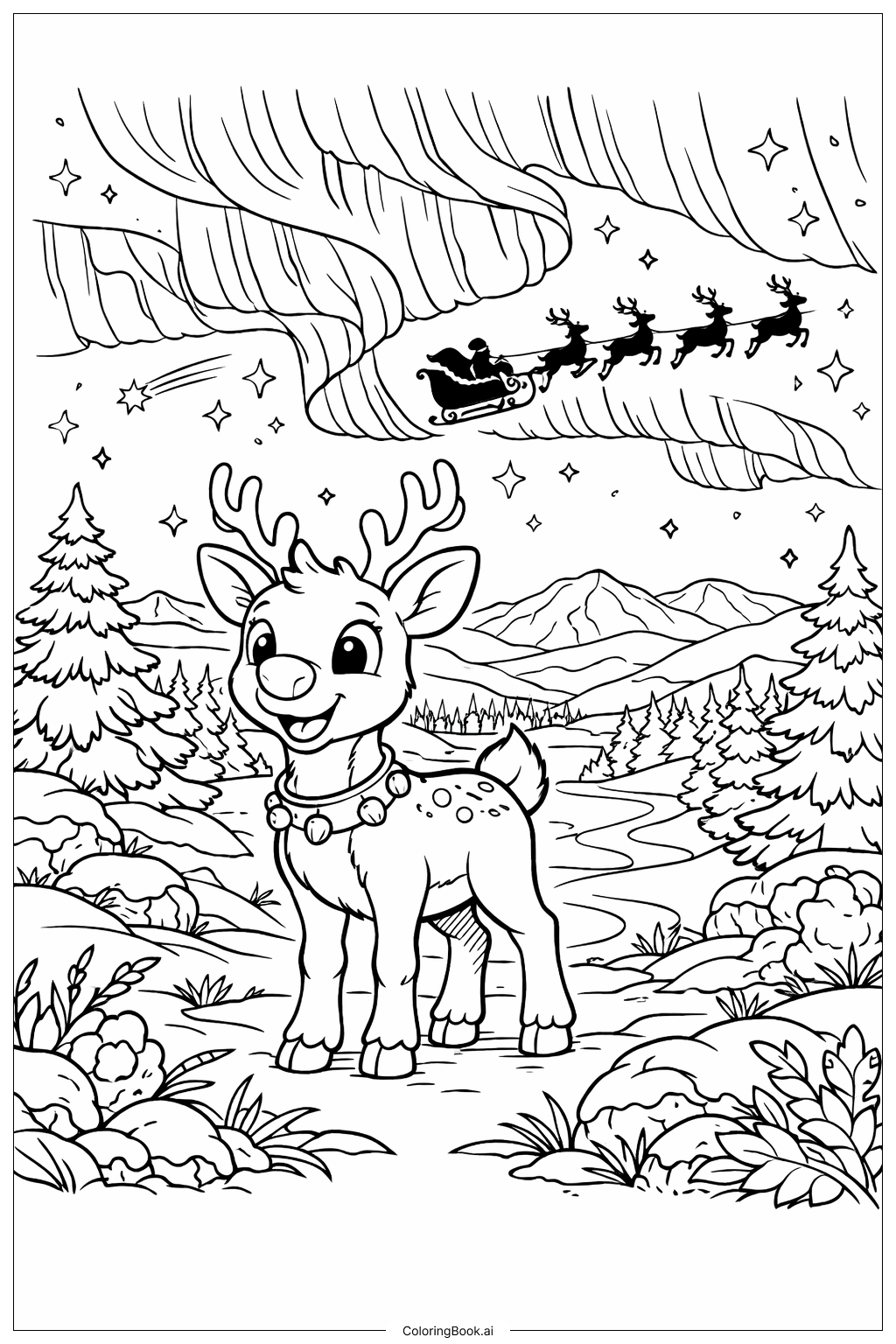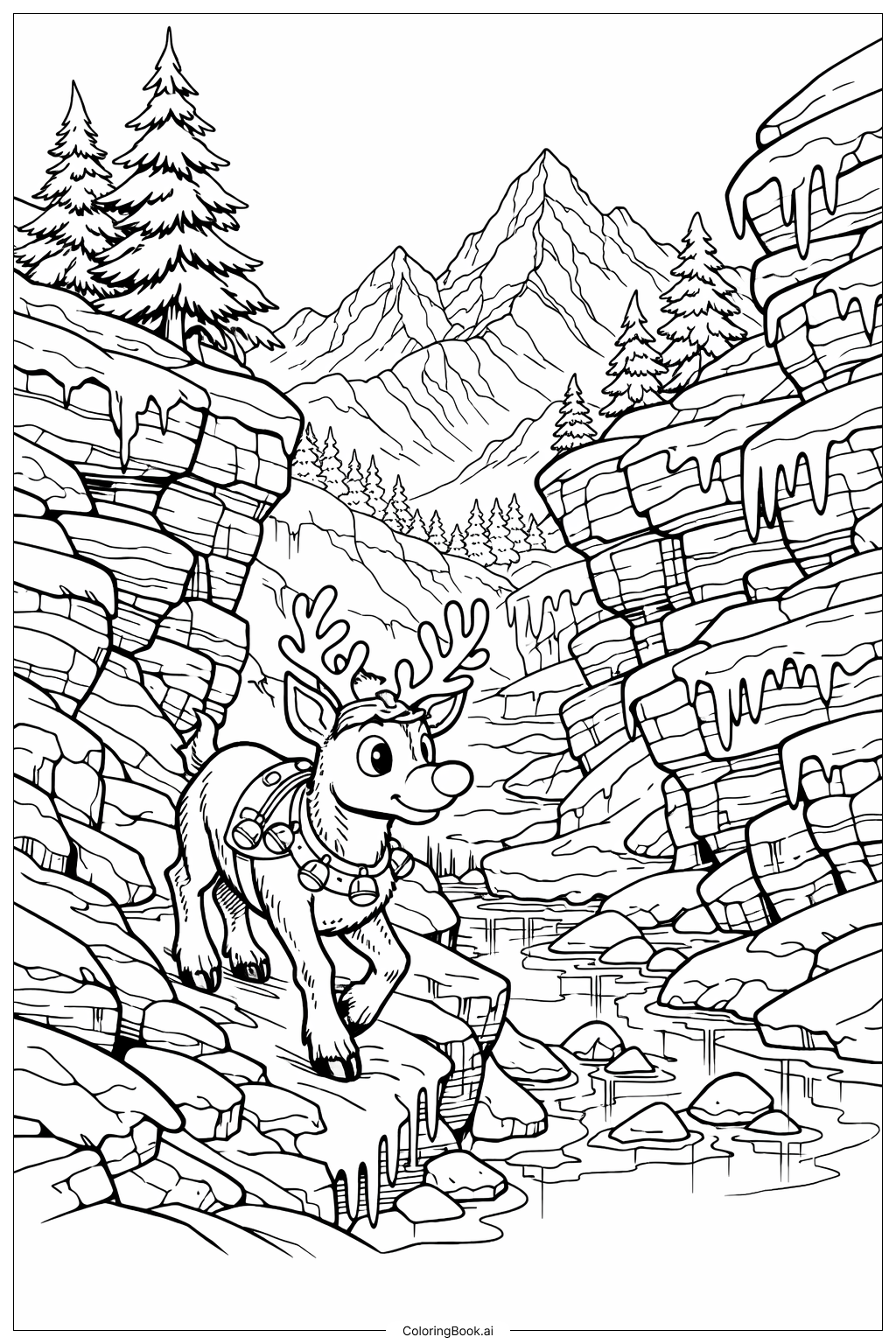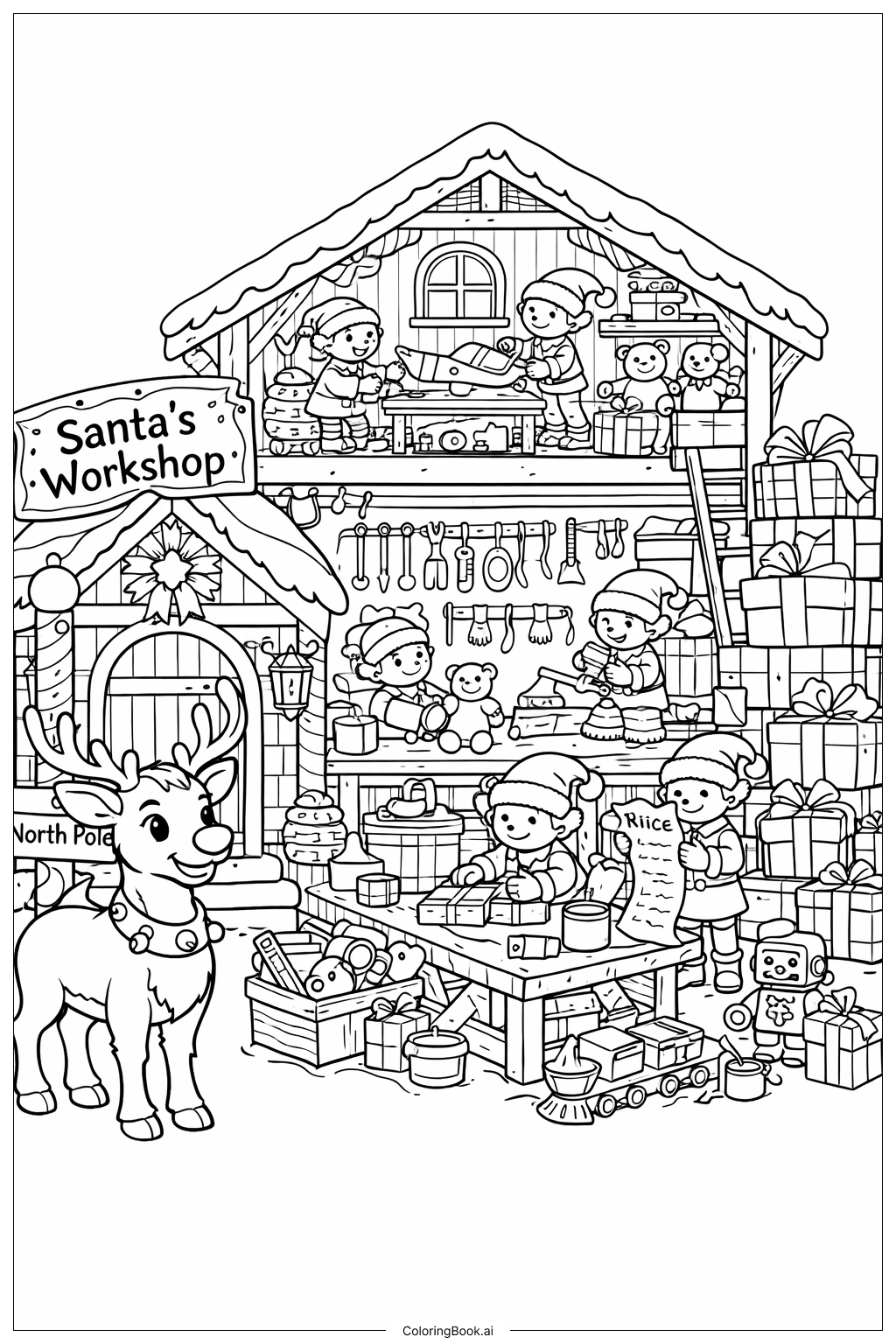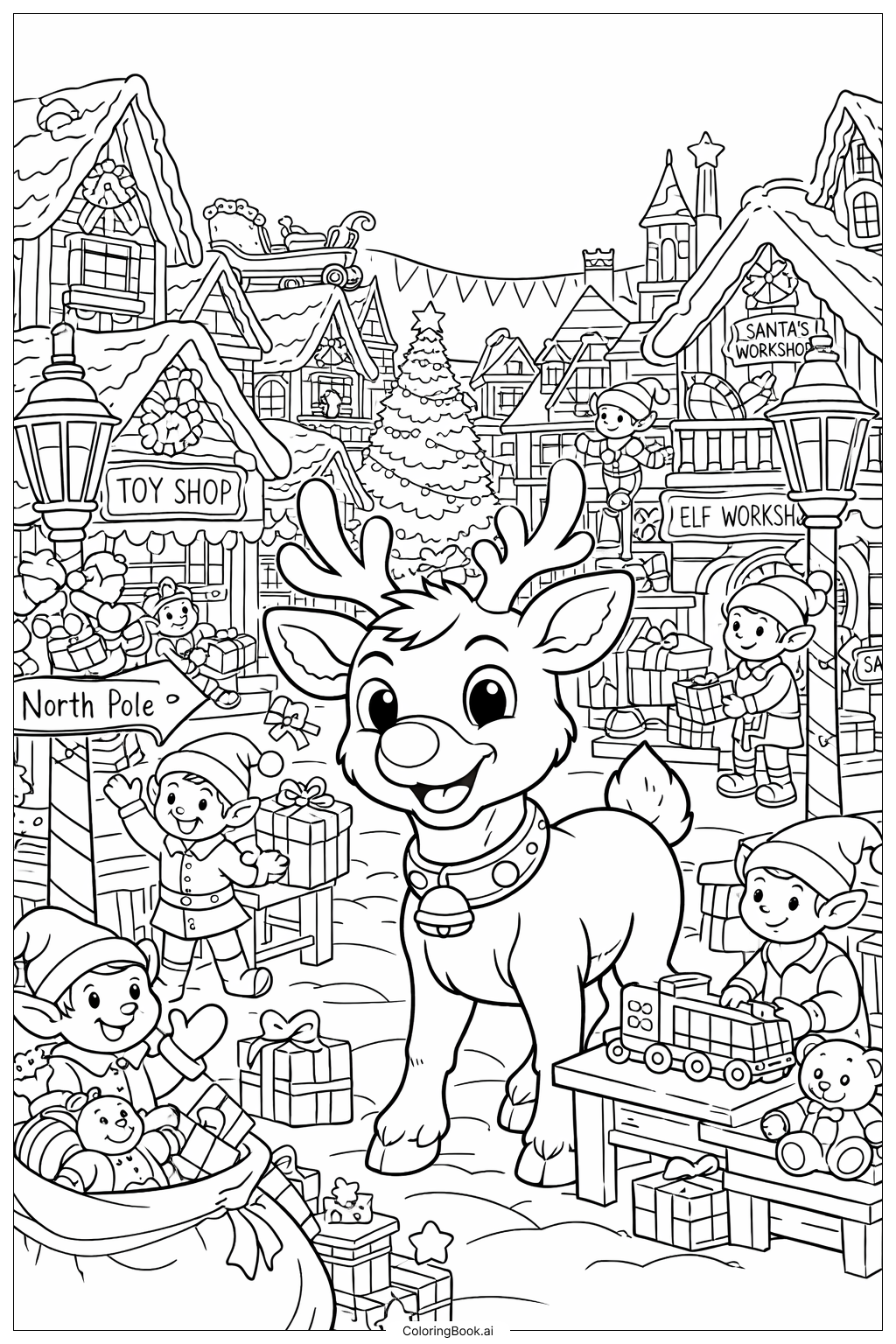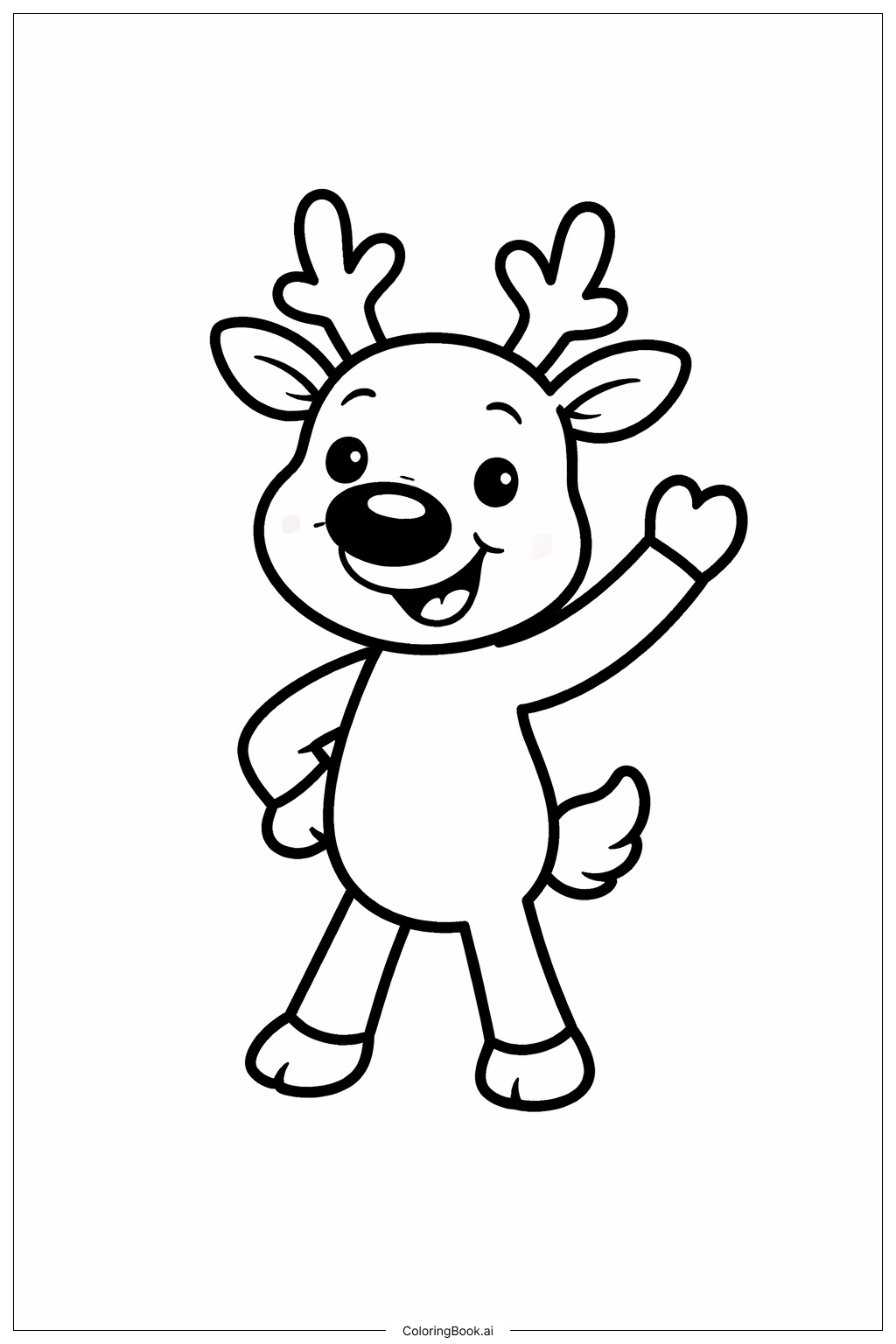
Coloring tips: How to color Rudolph Waving Hoof coloring page well?
Start with Rudolph's body using warm shades of brown. A medium tan or caramel brown works well for the main body, while a lighter cream or beige suits the belly and inner ears. His iconic nose should be colored bright red — this is the star of the image, so make it bold and vibrant. Use a deeper brown or dark chocolate shade to add depth to the antlers. For the eyes, try dark brown or black with a small white highlight dot to give them a lively sparkle. If Rudolph is wearing any accessories like a collar or bells, use gold, red, or green to keep that festive holiday feel. Kids can also get creative — there are no strict rules! Try a purple nose or rainbow antlers for a fun, imaginative twist. Light blue or soft gray shading around the background can give the page a wintery, snowy atmosphere.
Coloring challenges: Which parts are difficult to color and need attention for Rudolph Waving Hoof coloring page?
• Antler Details: Rudolph's antlers branch out into multiple tines with narrow gaps between them. Staying inside these small, curved sections without the color bleeding into the body or background requires careful control, especially for younger children using markers or thicker crayons. Taking it slow and using a fine-tipped tool for the antler areas helps a lot.
• The Signature Red Nose: The round nose is a small but very important focal point of the image. Getting a smooth, even coat of bright red without streaks or uneven patches can be tricky. Pressing with consistent pressure and coloring in small circular motions helps achieve that perfect glow. Adding a tiny white spot in the center after coloring can make the nose look shiny and luminous.
• Fur Texture and Shading: Rudolph's body has gentle curves and fur texture hinted at through the linework. Creating a sense of depth using two or three tones of brown — light for highlights, medium for the base, and dark for shadows under the chin, belly, and legs — adds realism. Blending these tones smoothly is a challenge that rewards patience and practice.
• The Waving Hoof: The raised, waving hoof is a focal gesture in the image. Its outline is more isolated from the body, making it easy to accidentally color outside the lines. Using short, controlled strokes and outlining the hoof edges first before filling inward helps keep the shape clean.
• Background Decisions: The image has an open background, which gives full creative freedom but can feel overwhelming. Deciding on a cohesive color scheme — like a snowy white sky, a starry blue night, or a cozy barn setting — requires planning ahead to make the overall page look balanced and festive.
Benefits of coloring books: Advantages of drawing Rudolph Waving Hoof coloring page
Coloring this Rudolph Waving Hoof page offers a wonderful mix of fun and learning for children and families alike. Rudolph is a beloved holiday character, so picking up this page instantly sparks joy and excitement, especially during the Christmas season. Coloring helps children develop fine motor skills as they practice holding and guiding their coloring tools within the lines. It also builds hand-eye coordination and concentration — two skills that support early childhood development and academic readiness. Choosing colors for Rudolph's fur, nose, and antlers encourages creative thinking and decision-making. Kids get to express themselves and explore color combinations in a safe, playful way. For older children and Adults, the detailed linework of the antlers and fur textures provides a satisfying challenge that promotes focus and mindfulness. The act of coloring is also known to reduce stress and anxiety by calming the mind and encouraging a gentle state of flow. Sharing this activity with family or friends adds a social dimension — talking about color choices, telling the story of Rudolph, and displaying the finished artwork all create warm, lasting memories. It is a screen-free activity that nurtures imagination and artistic confidence at any age.