Coloring tips: How to color Rudolph Standing Side coloring page well?
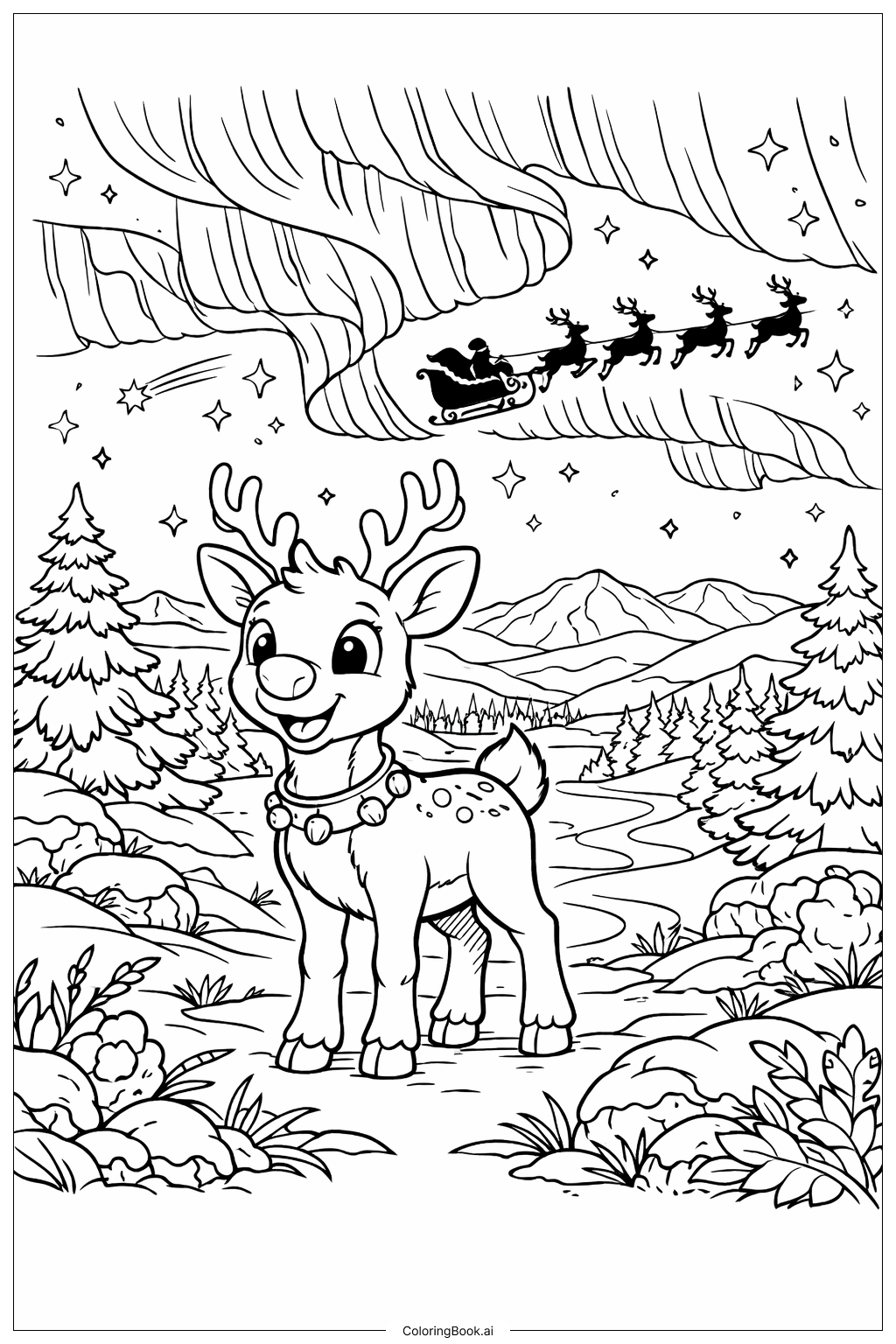
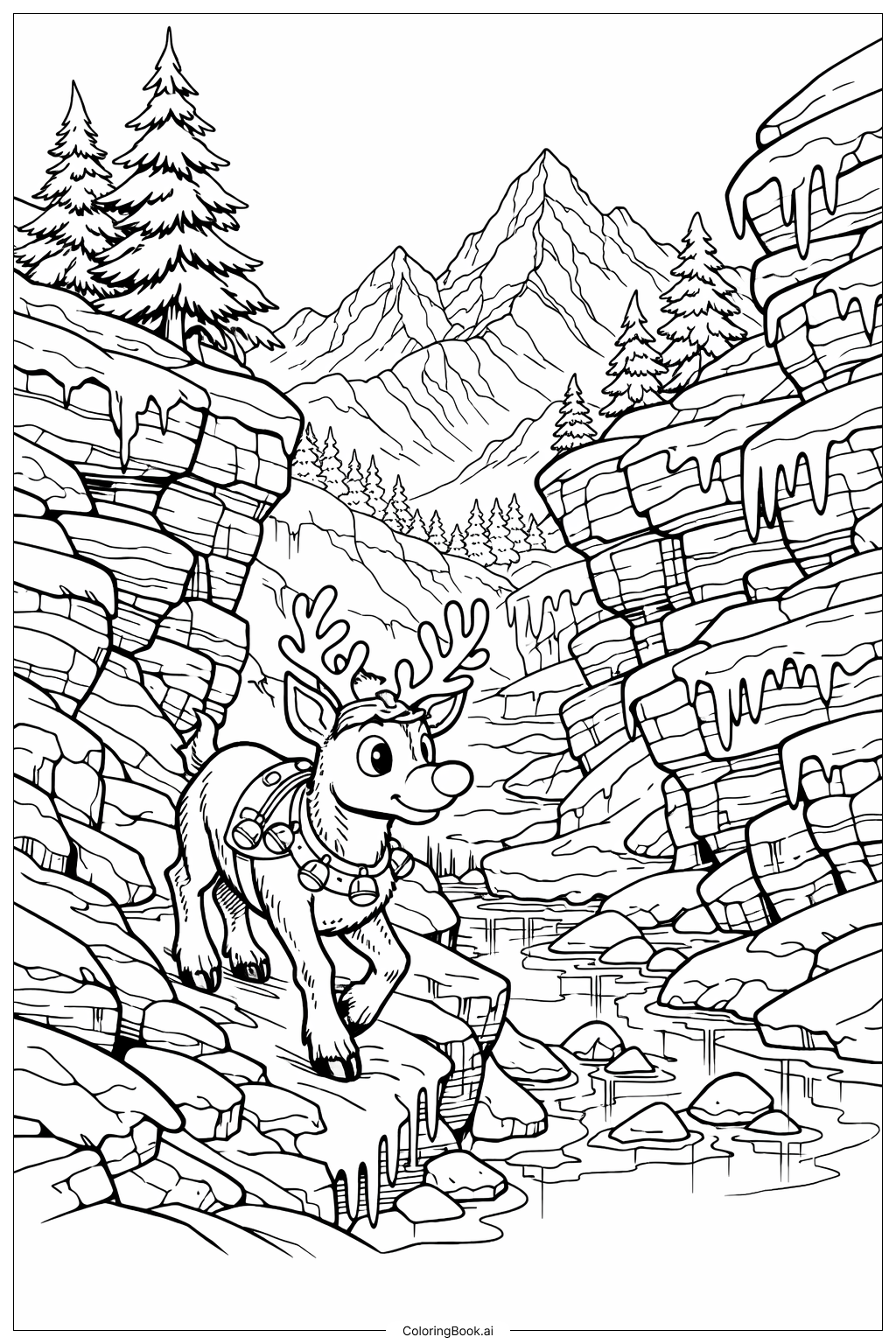
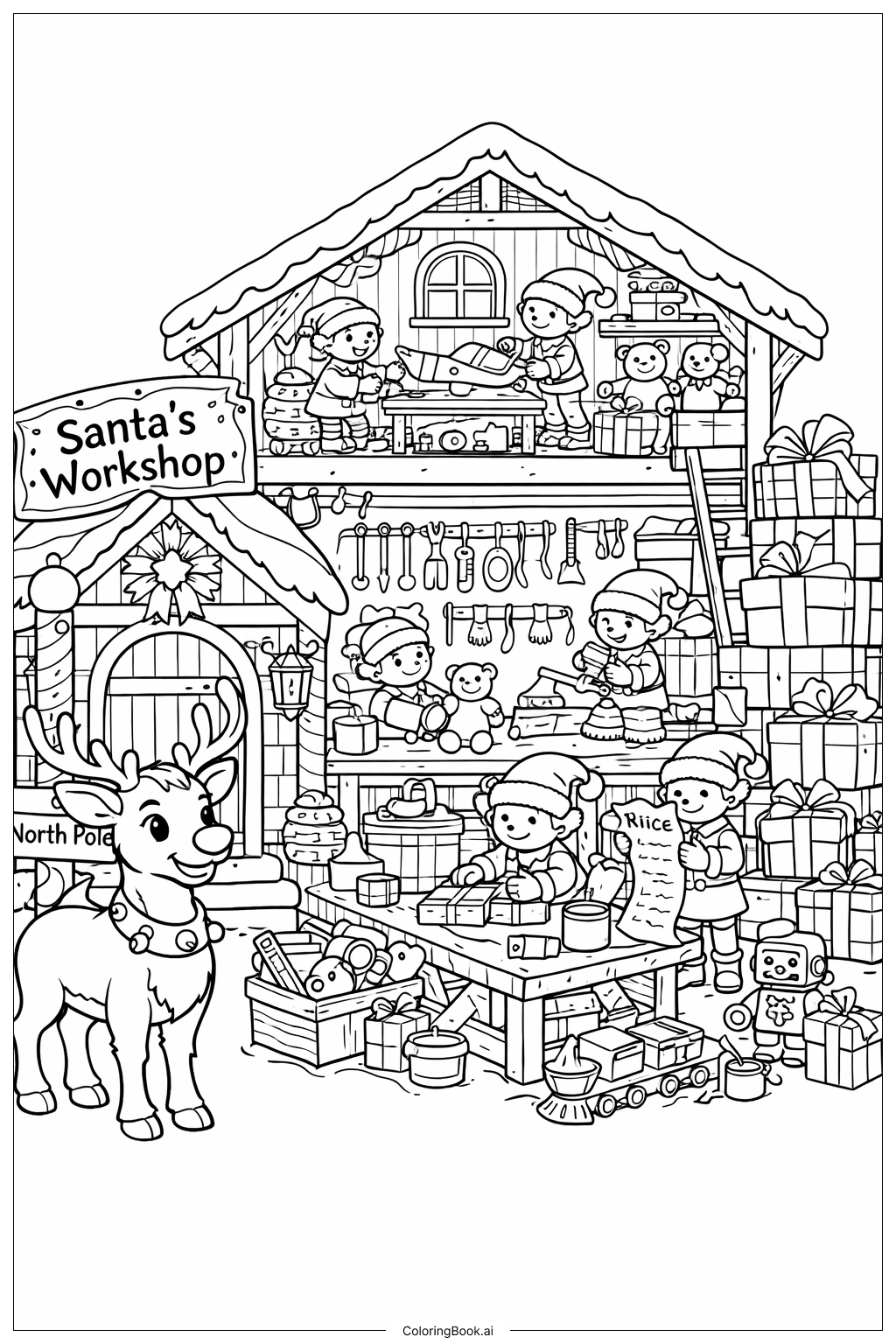
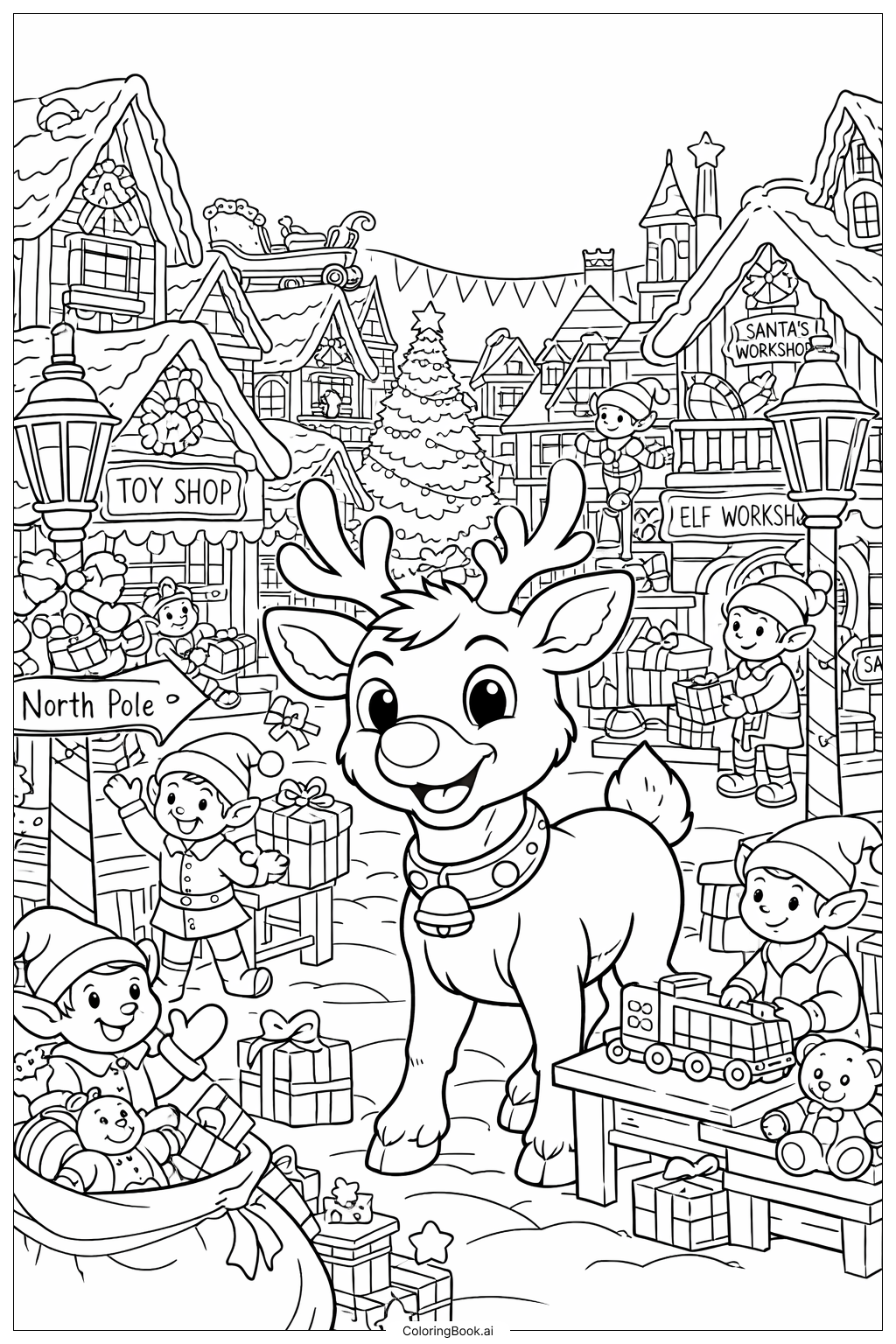
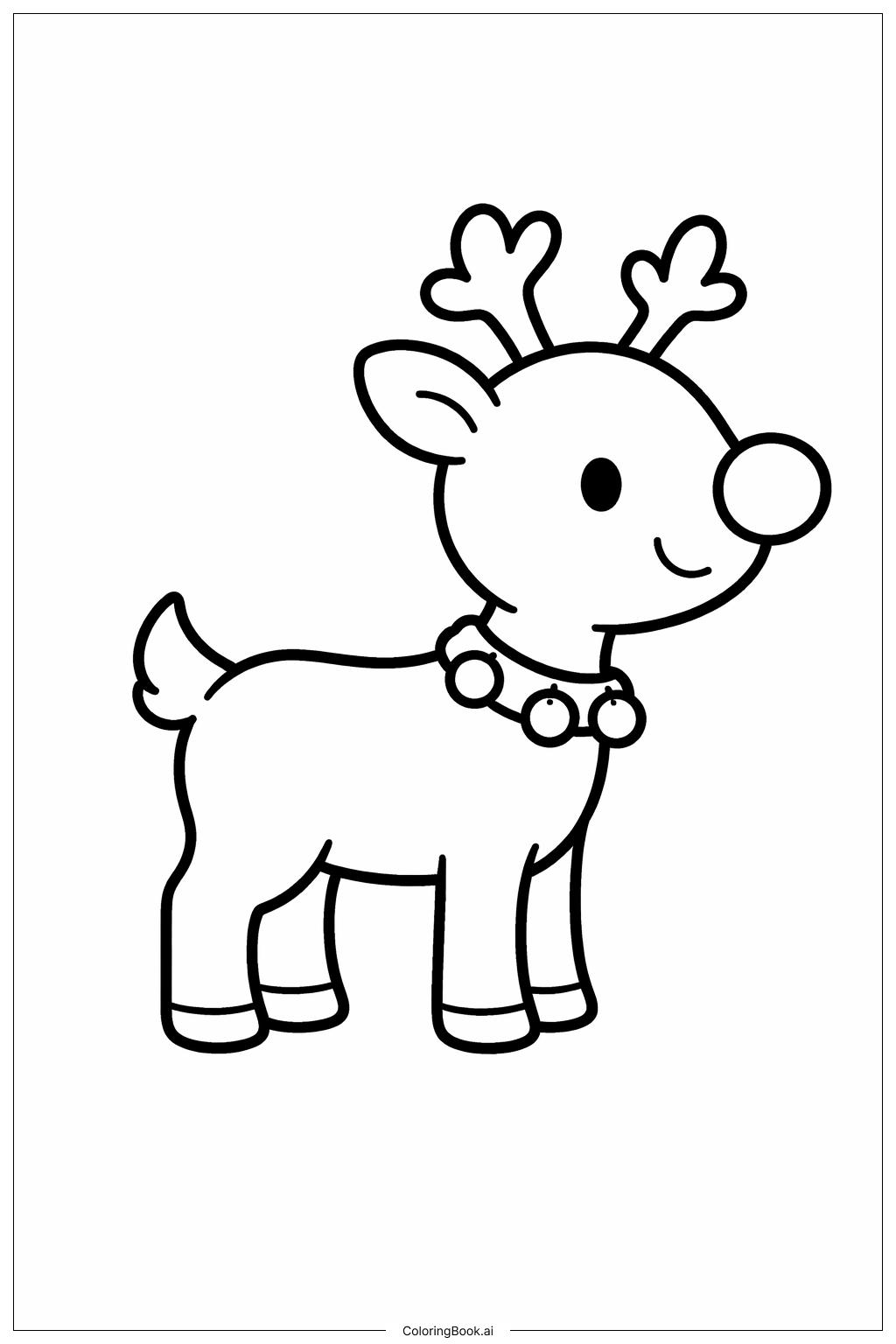
For coloring this picture, use bright red for Rudolph's nose to make it stand out. The body can be colored light brown or tan, and the hooves a darker brown to add contrast. The antlers can be a soft beige or light brown. The collar is a good place to add festive colors like green or red, and the bells can be colored gold or silver. Feel free to add shading by using different shades of brown to give Rudolph a more three-dimensional look. You can also decorate the background with winter colors like light blue or white snowflakes to create a holiday scene.
Coloring challenges: Which parts are difficult to color and need attention for Rudolph Standing Side coloring page?
1. Coloring the round nose evenly can be tricky, as it should be bright and bold but smooth with no streaks.
2. The small bells on the collar are tiny and need careful coloring to stay within the lines.
3. Shading the areas around the legs and body to show dimension can be hard for younger children.
4. Coloring the antlers with a consistent light brown color without going outside the lines requires control.
5. Balancing the colors on Rudolph's body to look natural and not too dark or too light might be difficult for beginners.
Benefits of coloring books: Advantages of drawing Rudolph Standing Side coloring page
Coloring this Rudolph picture helps develop fine motor skills as children practice staying in the lines and coloring small details like the bells. It encourages creativity in choosing colors and experimenting with shading techniques. The simple shapes make it suitable for young children, while the chance to add shading and detail can challenge older kids. Coloring holiday-themed pages like this one also helps children connect with seasonal traditions and boosts their excitement for the festive season.