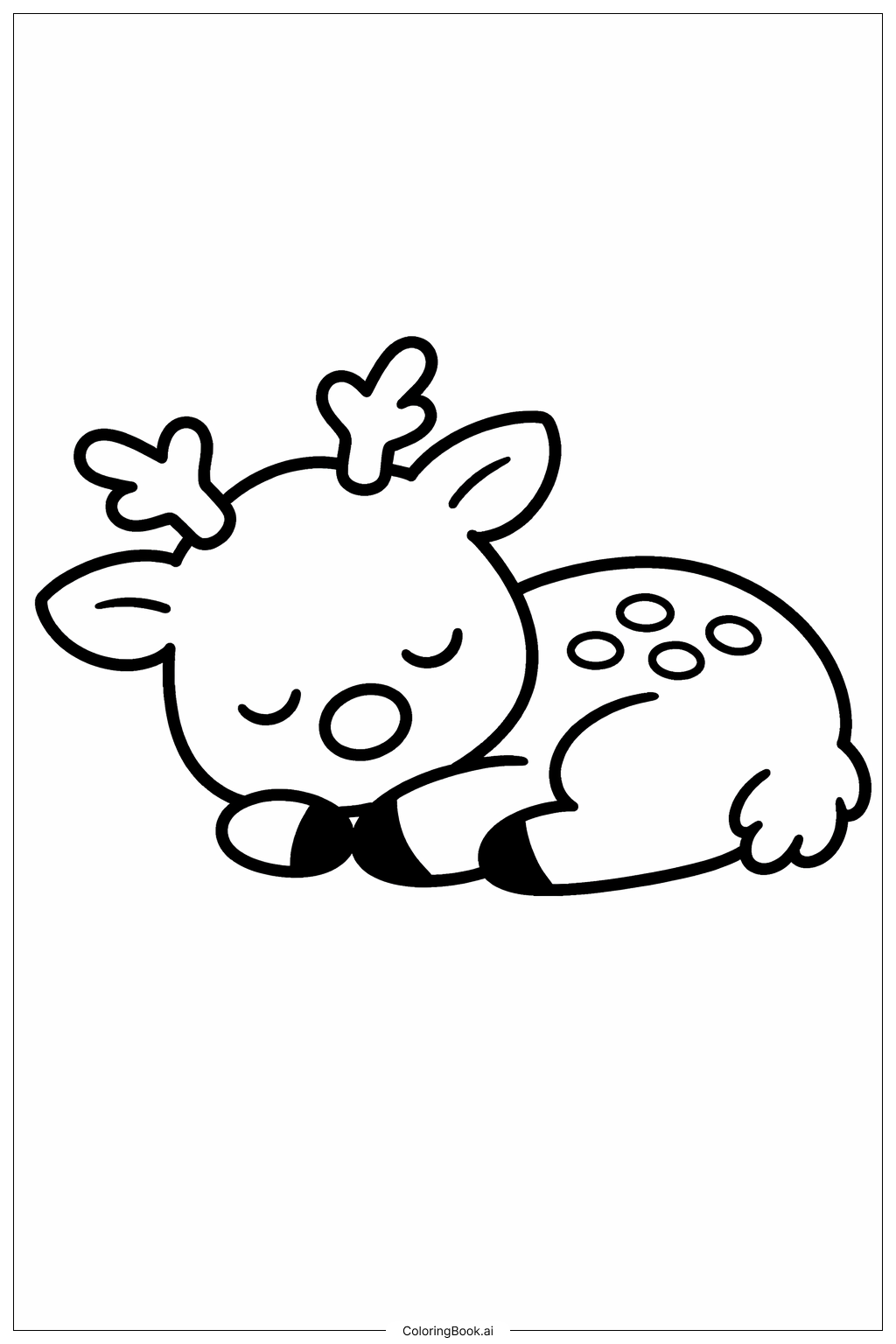
Coloring tips: How to color Rudolph Sleeping Cozy coloring page well?
Start with Rudolph's body. Use warm shades of brown for his fur — mix light tan on his belly and darker brown on his back. His iconic nose should be colored a bright, glowing red. You can add a soft orange or pink blending around it to make it look like it is actually glowing. For the blanket, try deep holiday colors like forest green or rich red with gold stars or snowflake patterns on it. The pillow can be a creamy white or soft blue. Use light gray or pale blue for the window and falling snow outside. Small details like the hot cocoa mug look great in deep brown with a white marshmallow on top. Keep the overall color palette warm and cozy — think reds, golds, greens, and soft browns. This helps the whole scene feel like a peaceful winter night. Boys and Girls of all ages will enjoy bringing this sweet holiday moment to life.
Coloring challenges: Which parts are difficult to color and need attention for Rudolph Sleeping Cozy coloring page?
• Rudolph's Fur Texture: Reindeer fur is not one flat color. The challenge is blending multiple shades of brown smoothly. You will need at least two or three brown tones — a darker shade for the back and outer edges and a lighter, warmer tan for the belly and face. Blending these well without harsh lines takes patience and a light hand with your coloring tool.
• The Glowing Red Nose: Rudolph's nose is his most iconic feature, and making it look like it actually glows is tricky. Simply coloring it solid red may look flat. Try using a bright red at the center and blending outward with a lighter pink or orange to create a soft glow effect around the edges. This technique works best with colored pencils or soft-tip markers.
• Blanket Patterns and Folds: Blankets have wrinkles and folds, and the patterns on fabric shift with those folds. Keeping a consistent color while also showing depth and shadow in the creases requires careful shading. Use a slightly darker version of your chosen blanket color along the folds to give it a three-dimensional look.
• Small Background Details: Elements like the frosty window, falling snowflakes, and decorative items in the background are small and close together. Coloring inside these tiny spaces without going outside the lines can be frustrating. Fine-tip tools or sharp colored pencils work best here to maintain clean edges.
• Overall Light and Shadow Balance: The whole scene takes place at night with soft indoor lighting. Creating a consistent warm glow throughout the image — where the light source feels natural — requires planning your color choices across the whole page before you begin.
Benefits of coloring books: Advantages of drawing Rudolph Sleeping Cozy coloring page
Coloring this cozy image of Rudolph offers wonderful benefits for both kids and Adults alike. For younger children, tracing around Rudolph's antlers, nose, and blanket helps build fine motor skills and hand-eye coordination. It teaches them to work carefully within lines, which supports early writing development.
For older kids and Adults, the scene encourages creative decision-making. Choosing the right colors for the blanket, the glow of the nose, and the night sky outside the window helps develop a sense of color harmony and artistic thinking.
The peaceful, sleepy mood of the image also has a calming effect. Coloring scenes like this one can reduce stress and anxiety. It asks you to slow down, focus on one small area at a time, and enjoy a quiet, mindful activity.
This image also connects children to the beloved holiday story of Rudolph, making it a great activity during the festive season. It sparks imagination and storytelling as kids think about what Rudolph is dreaming about or what adventure he had before falling asleep.
Whether used in a classroom, at home, or as a holiday activity for Boys and Girls, this Printable page brings joy, creativity, and calm to anyone who picks up a crayon or colored pencil.