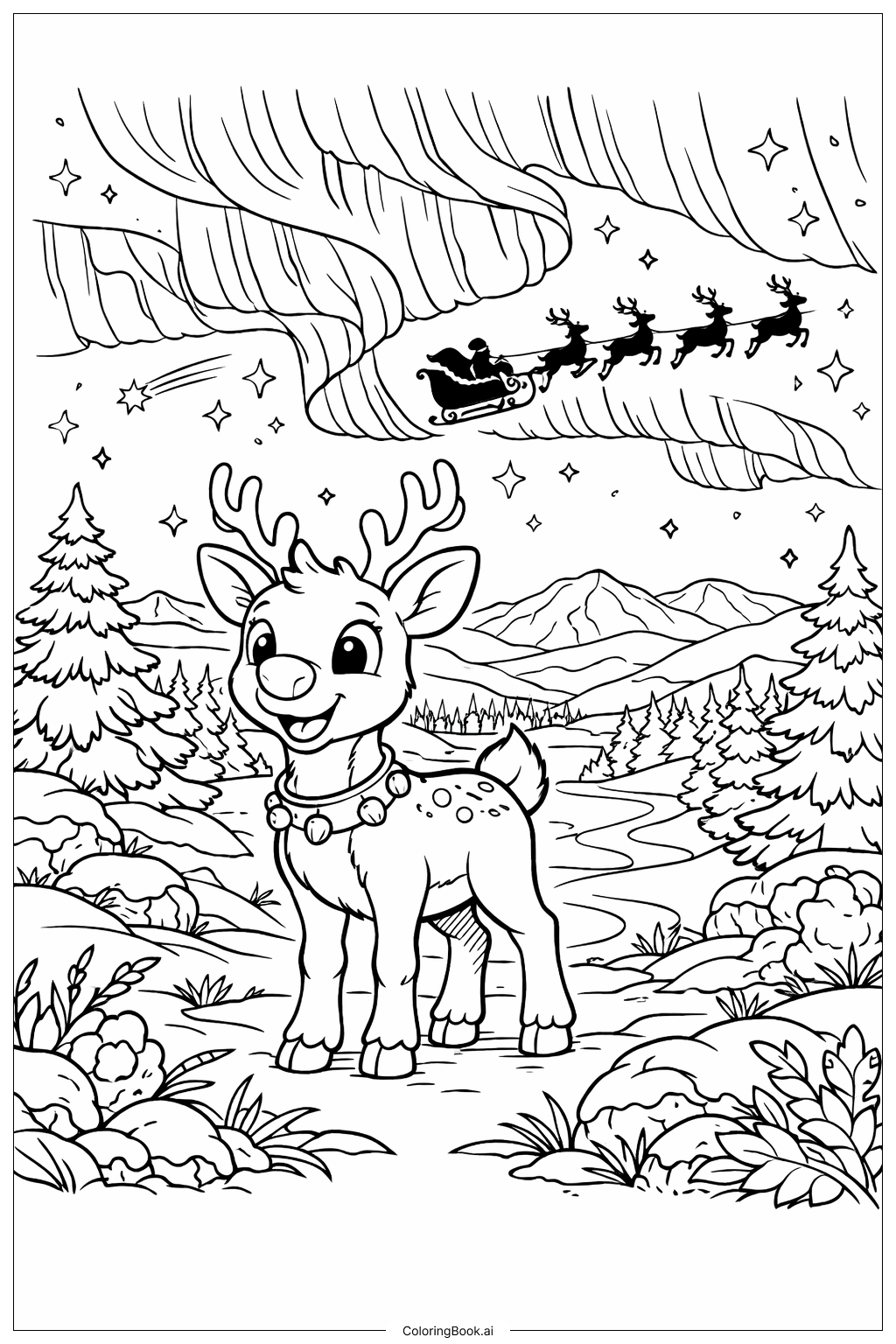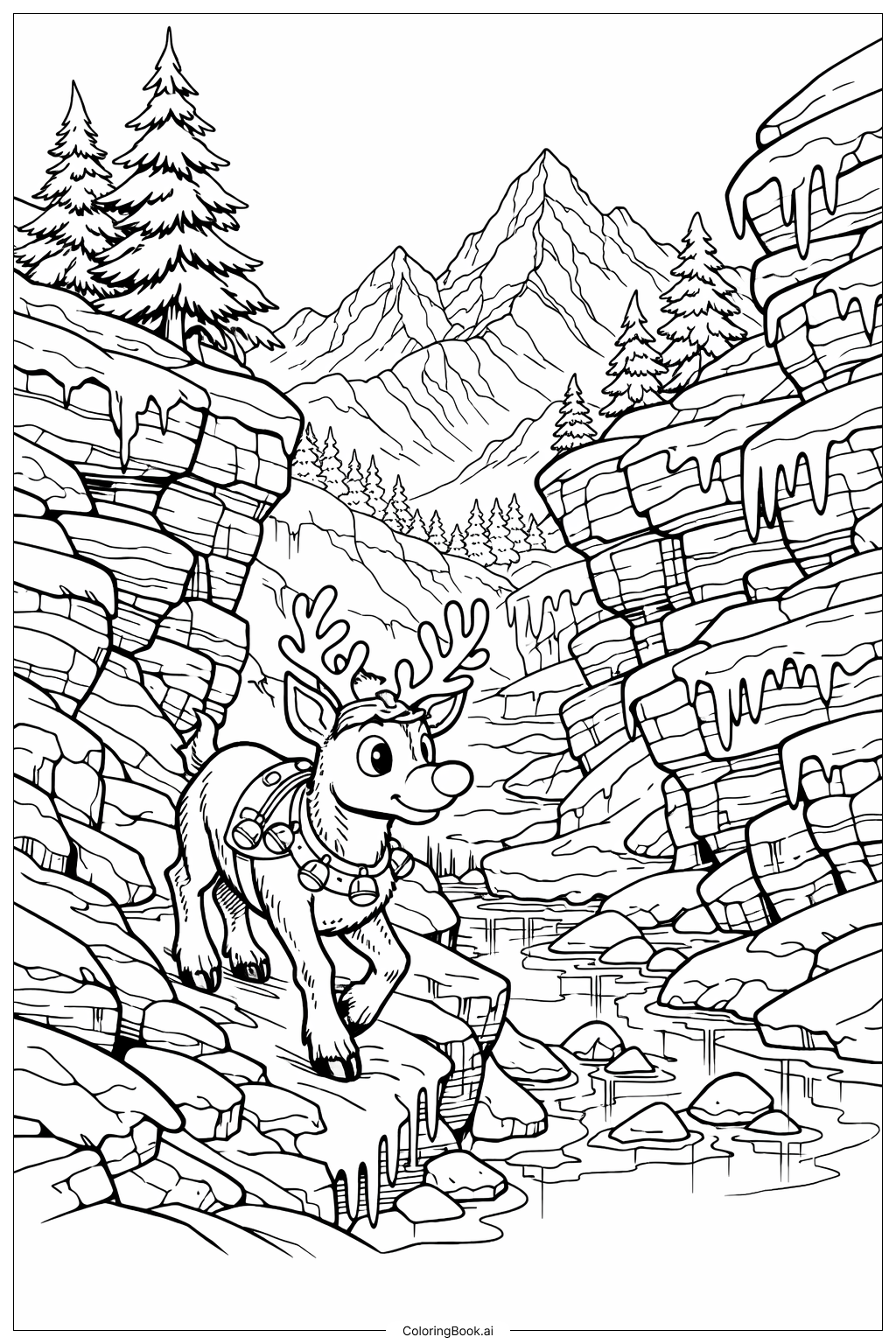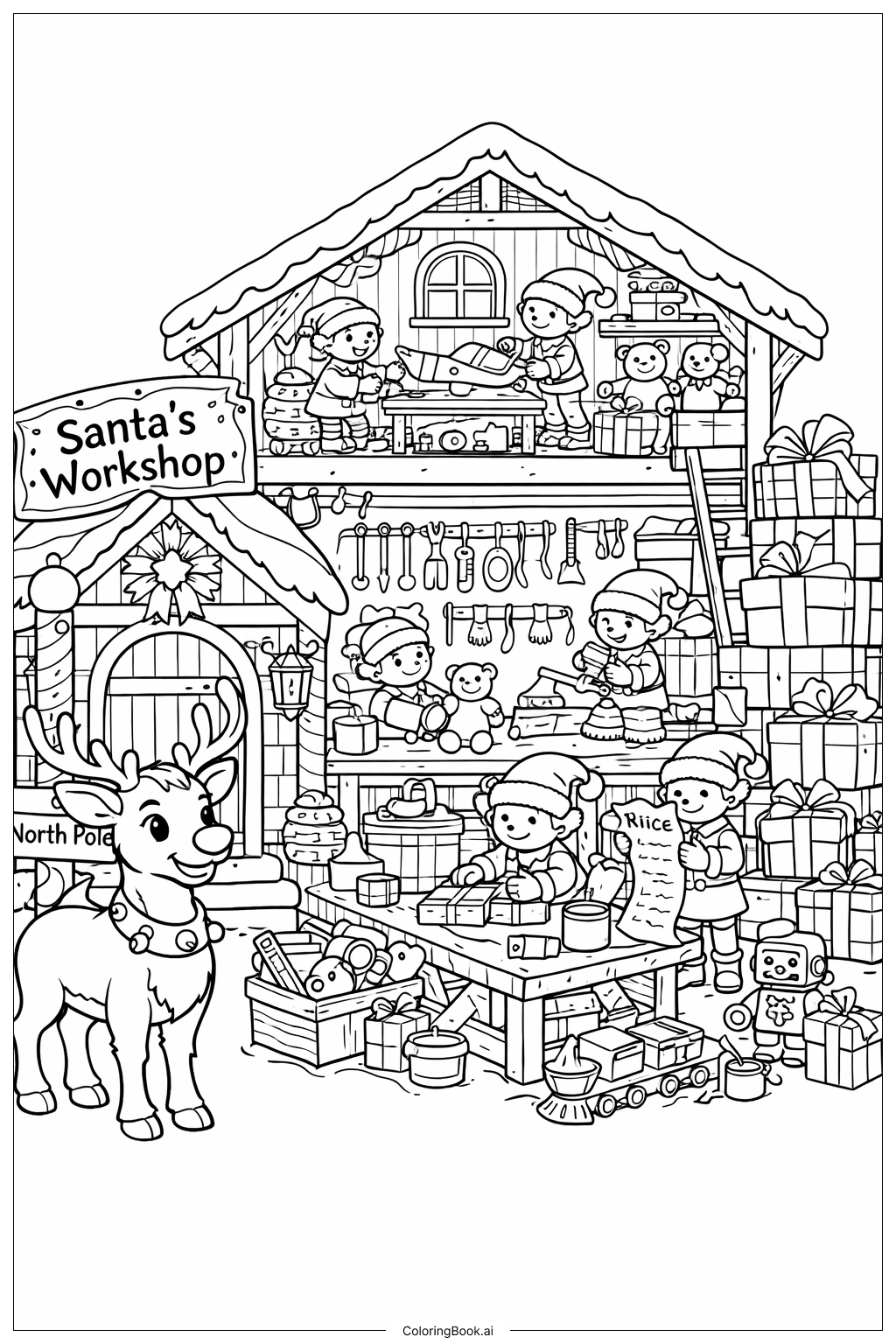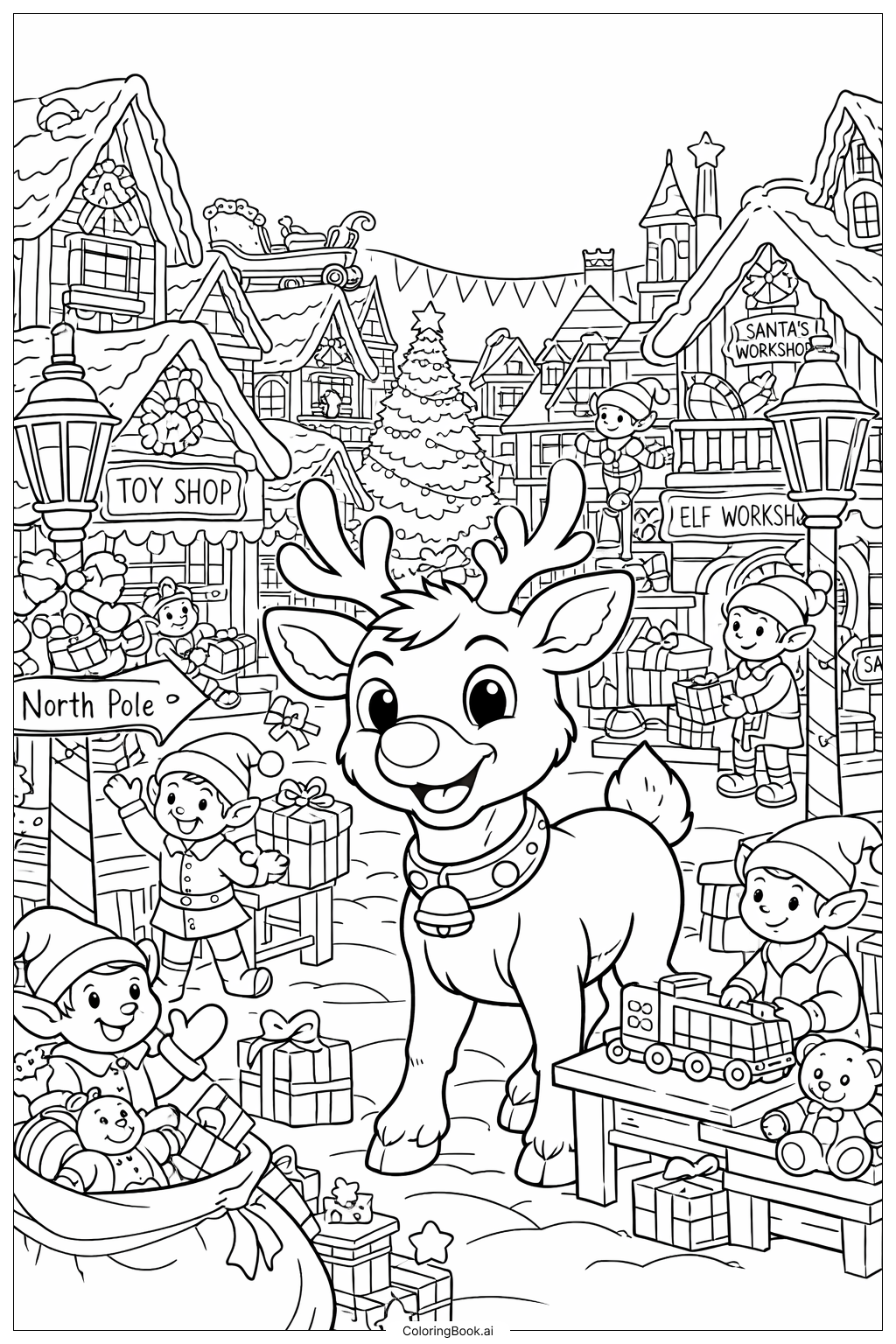
Coloring tips: How to color Rudolph Sitting Down coloring page well?
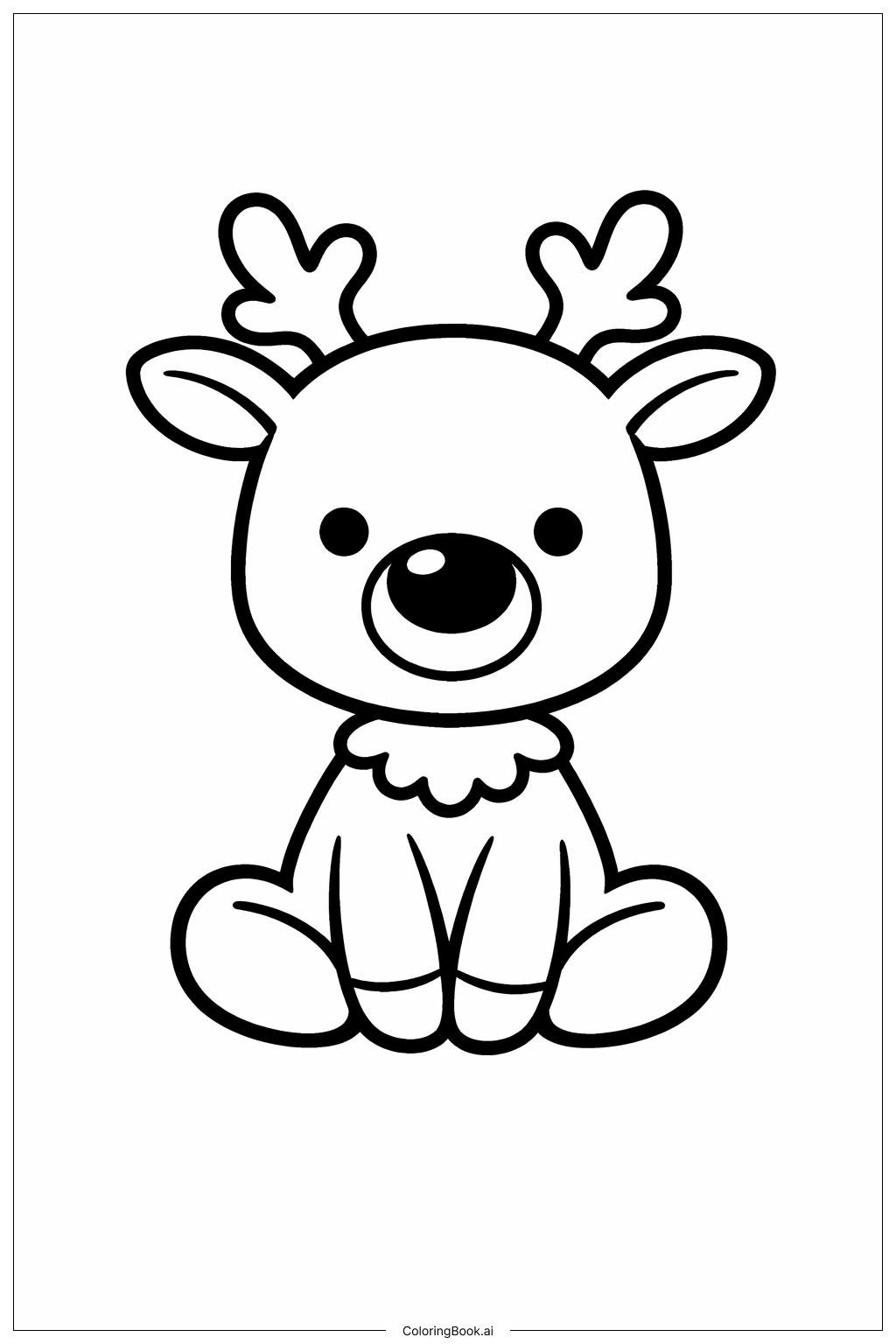
Start with Rudolph's body by using a warm brown for his fur. You can add a slightly darker brown to his back and a lighter tan or cream shade on his belly and face to give him depth. His famous nose should be colored bright red — this is the star of the image, so make it bold and vivid! Use a soft pink or light peach inside his ears. His antlers look great in a medium or dark brown, and you can add golden-yellow highlights to make them stand out. For his eyes, use dark brown or black with a tiny white dot to make them look shiny and alive. A light blue or snowy white background can give the image a festive winter feel. Kids can also try adding red and green accents around the border to celebrate the Christmas spirit. Use crayons, colored pencils, or markers — all work great for this fun holiday scene!
Coloring challenges: Which parts are difficult to color and need attention for Rudolph Sitting Down coloring page?
• Rudolph's Signature Red Nose: The most iconic feature of this image is Rudolph's glowing red nose. Coloring it evenly without going outside the rounded outline can be tricky, especially for younger children. Try using small circular strokes and staying close to the edges carefully. Adding a tiny white highlight at the top of the nose can make it look like it is actually glowing.
• Antler Details: The branching antlers have multiple curves and fork points that require careful attention. Each section of the antler should be colored neatly, staying within the lines while also using light and dark shading to give the antlers a natural, three-dimensional look. This area demands patience and a steady hand.
• Fur Texture and Body Shading: Rudolph's round, fluffy body looks best when shading is applied to create a sense of softness and volume. Blending two or more shades of brown from darker on the outside to lighter in the center can be challenging for beginners but adds a wonderful realistic effect.
• Small Facial Features: The eyes, eyelashes, and inner ear details are small and closely spaced. Coloring these tiny areas without smudging neighboring sections requires a fine-tipped tool. Using sharp colored pencils rather than thick markers is recommended for these areas.
• Consistent Color Harmony: Keeping all the colors balanced so that no single area looks too bright or too dull compared to the rest of the image is an overall challenge. Planning your color palette before starting helps maintain a cohesive and visually pleasing result.
Benefits of coloring books: Advantages of drawing Rudolph Sitting Down coloring page
Coloring this Rudolph Sitting Down page offers a wonderful mix of fun and learning for children. Here are some great benefits:
Creativity and Self-Expression: Choosing colors for Rudolph lets kids express their imagination. There is no single right answer — every child can make their own unique version of this beloved reindeer.
Fine Motor Skills: Carefully coloring within the lines, shading the fur, and filling in small details like the nose and eyes all help strengthen hand and finger muscles. This supports handwriting and other everyday tasks.
Focus and Patience: Completing a full coloring page encourages children to slow down, concentrate, and work toward a finished goal. This builds attention span in a relaxed and enjoyable way.
Holiday Spirit and Emotional Connection: Rudolph is a beloved holiday character. Coloring his image can spark joy, inspire storytelling, and create a warm sense of connection to Christmas traditions and family memories.
Confidence and Pride: Finishing a coloring page gives kids a sense of accomplishment. Displaying their artwork on the fridge or sharing it with family builds self-esteem and encourages a love of creative activities. It is a simple, screen-free activity that brings real happiness.