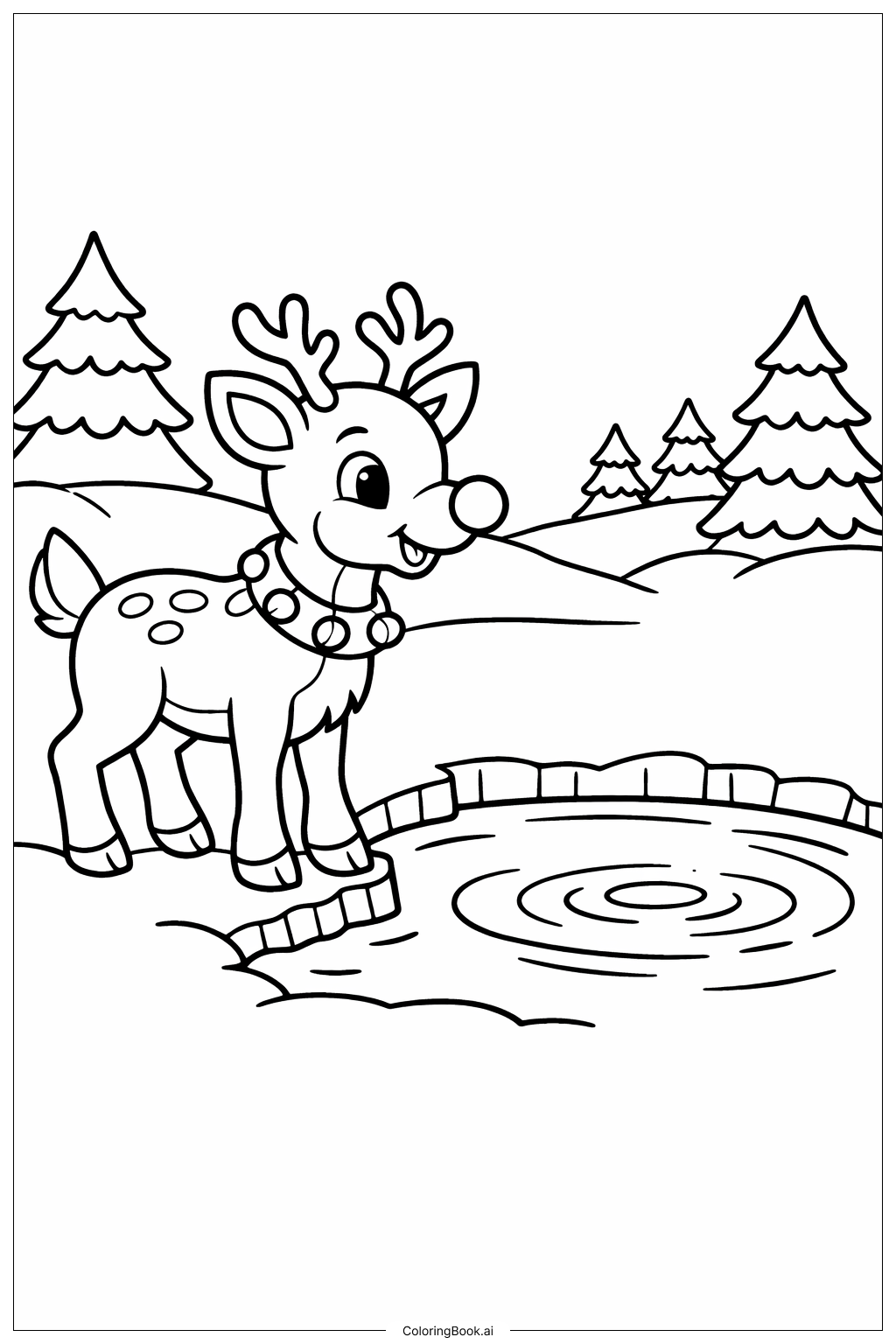
Coloring tips: How to color Rudolph On Icy Pond coloring page well?
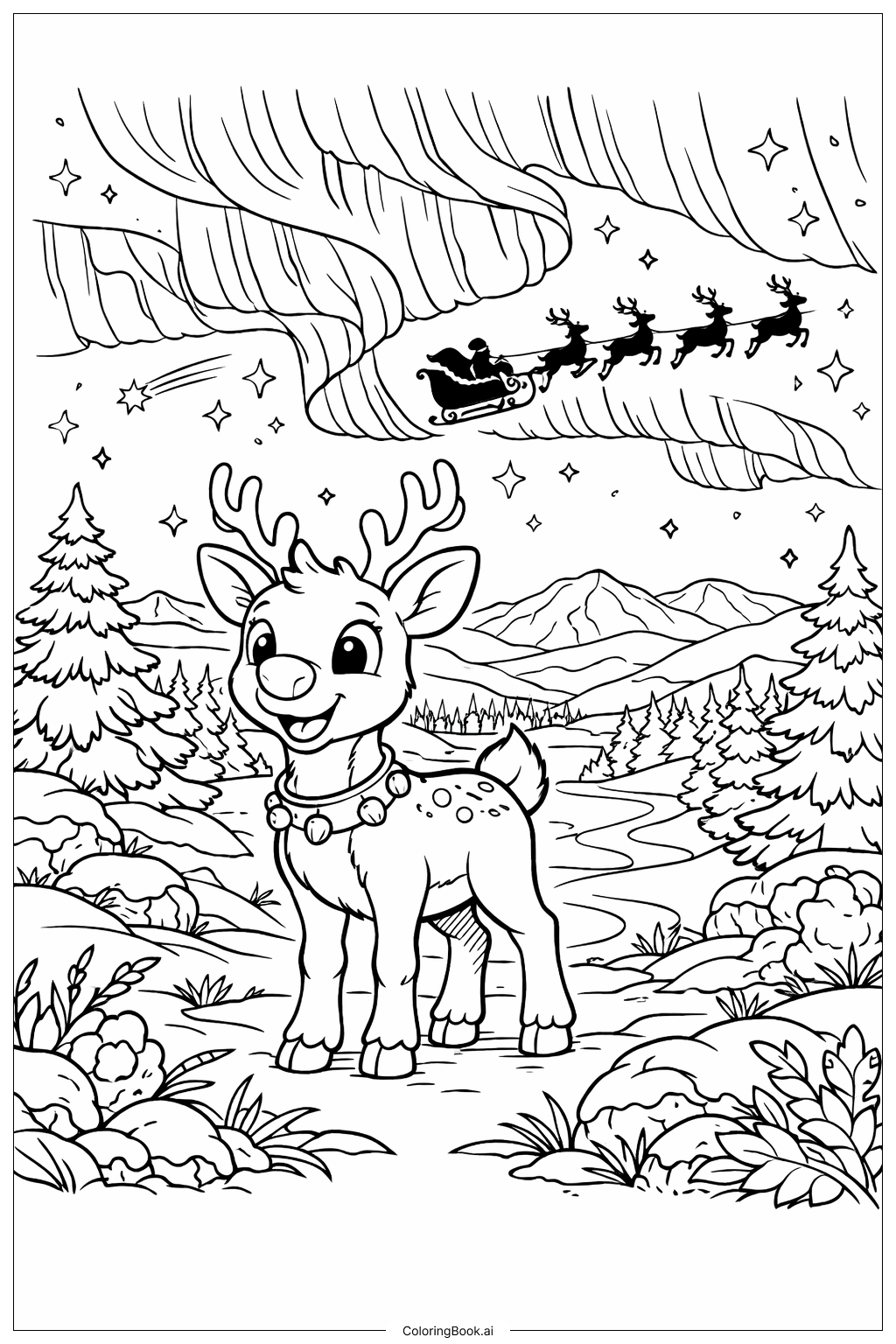
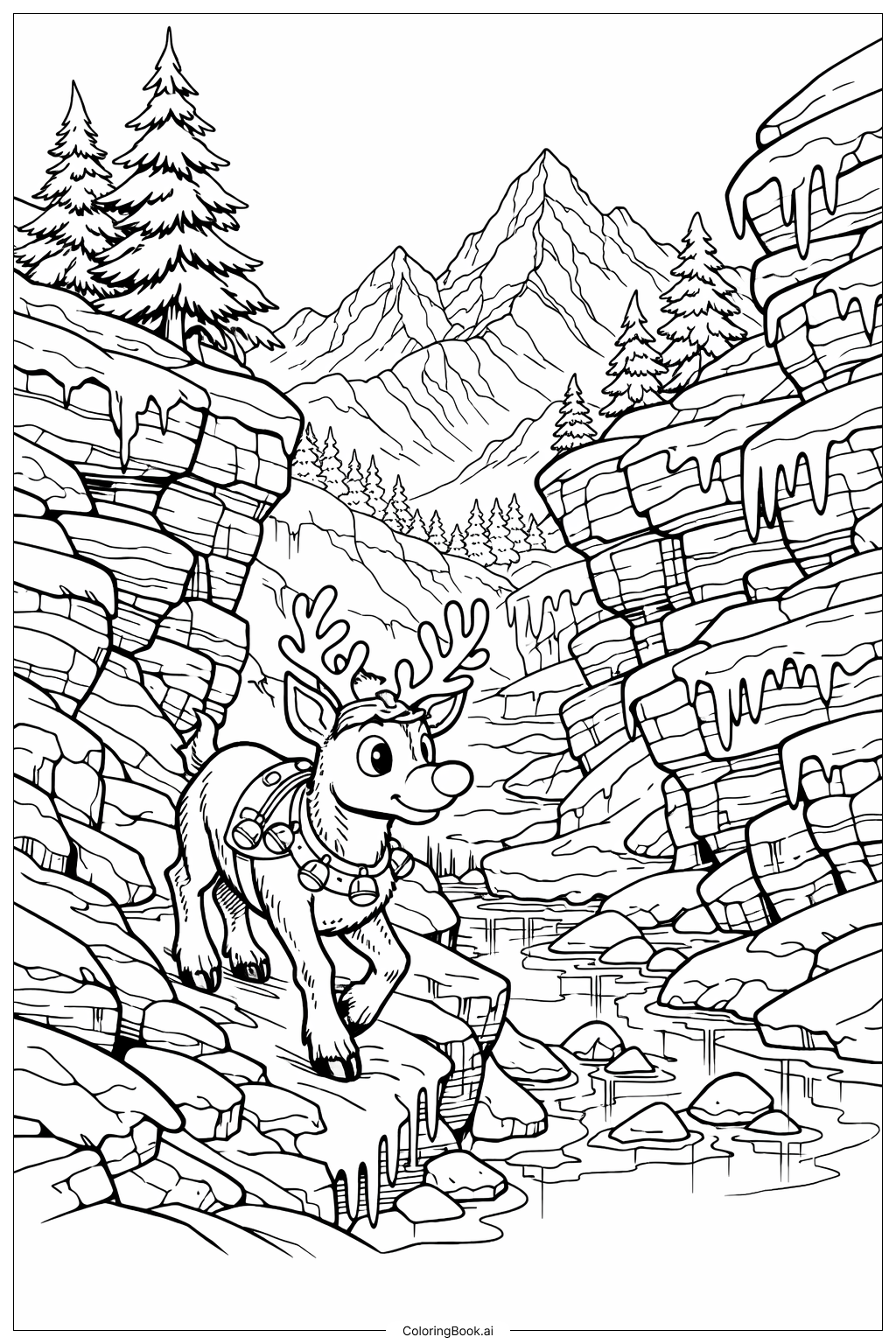
Start with Rudolph's body using warm shades of tan, caramel, or light brown. His underbelly and the inside of his ears can be a softer cream or pale pink. Make his famous nose a bold, bright red — that is the star of the whole picture! Use a dark brown for his antlers, adding lighter streaks to give them texture. For the icy pond, try light blue, pale aqua, or even white with faint silver highlights to capture the frozen surface. Add soft gray or blue lines to show cracks in the ice. The background trees look great in forest green, and the snow can be left white or colored in the softest lavender-blue. Falling snowflakes can be colored silver, white, or pale yellow. Feel free to mix warm and cool colors throughout to make the winter scene feel alive and magical. Kids can use crayons, colored pencils, or markers — any tool works beautifully here!
Coloring challenges: Which parts are difficult to color and need attention for Rudolph On Icy Pond coloring page?
• Rudolph's Fur Texture: Reindeer fur is not one flat color. Blending two or three shades of brown — light tan, medium brown, and a darker shadow tone — helps the body look soft and realistic. Younger colorists may find this blending tricky, so they can simply use one solid warm brown and still get a great result.
• The Glowing Red Nose: Rudolph's nose is his most famous feature, but making it look like it truly glows is a challenge. To get a glowing effect, color the center bright red and add a lighter pink or orange around the edges. Leaving a tiny white dot in the middle also helps suggest a shiny light source.
• Ice Surface Details: The frozen pond has cracks, reflections, and subtle patterns that require patience and a light hand. Using very light pressure with a blue or gray pencil for the cracks works best. Pressing too hard can make the ice look dark and muddy instead of clear and icy.
• Antler Complexity: Rudolph's branching antlers have multiple points and curved shapes that can be hard to color neatly, especially for younger children. Going slowly and using a fine-tipped marker or sharpened pencil for the edges helps keep each branch clean and defined.
• Background Depth: Giving the trees and snowy hills a sense of distance takes skill. Using darker greens in the front trees and lighter, cooler greens farther back creates depth. Keeping the sky and distant hills in pale, muted tones helps push the background behind Rudolph and keeps him as the clear focal point.
Benefits of coloring books: Advantages of drawing Rudolph On Icy Pond coloring page
Coloring Rudolph On Icy Pond is a wonderful activity for children and families during the holiday season. Here are some of the great benefits it brings:
It builds focus and patience. Carefully coloring Rudolph's fur, antlers, and the icy pond details encourages kids to slow down and concentrate, which strengthens attention skills over time.
It sparks creativity. Choosing colors for the frozen pond, the falling snowflakes, and the winter sky lets children express their own imagination. There is no single right answer — every coloring is unique!
It develops fine motor skills. Holding crayons or colored pencils and staying within the lines helps young children strengthen the small muscles in their hands, which supports handwriting and other daily tasks.
It connects to storytelling. Rudolph is a beloved holiday character with a heartwarming story. Coloring his image can inspire conversations about kindness, being different, and finding your own special gift.
It brings calm and joy. The gentle, repetitive motion of coloring is naturally relaxing. It gives kids a quiet, screen-free activity that feels both productive and fun.
It is great for all ages. Whether coloring solo or together as a family, this page creates a shared creative moment that everyone can enjoy and treasure.