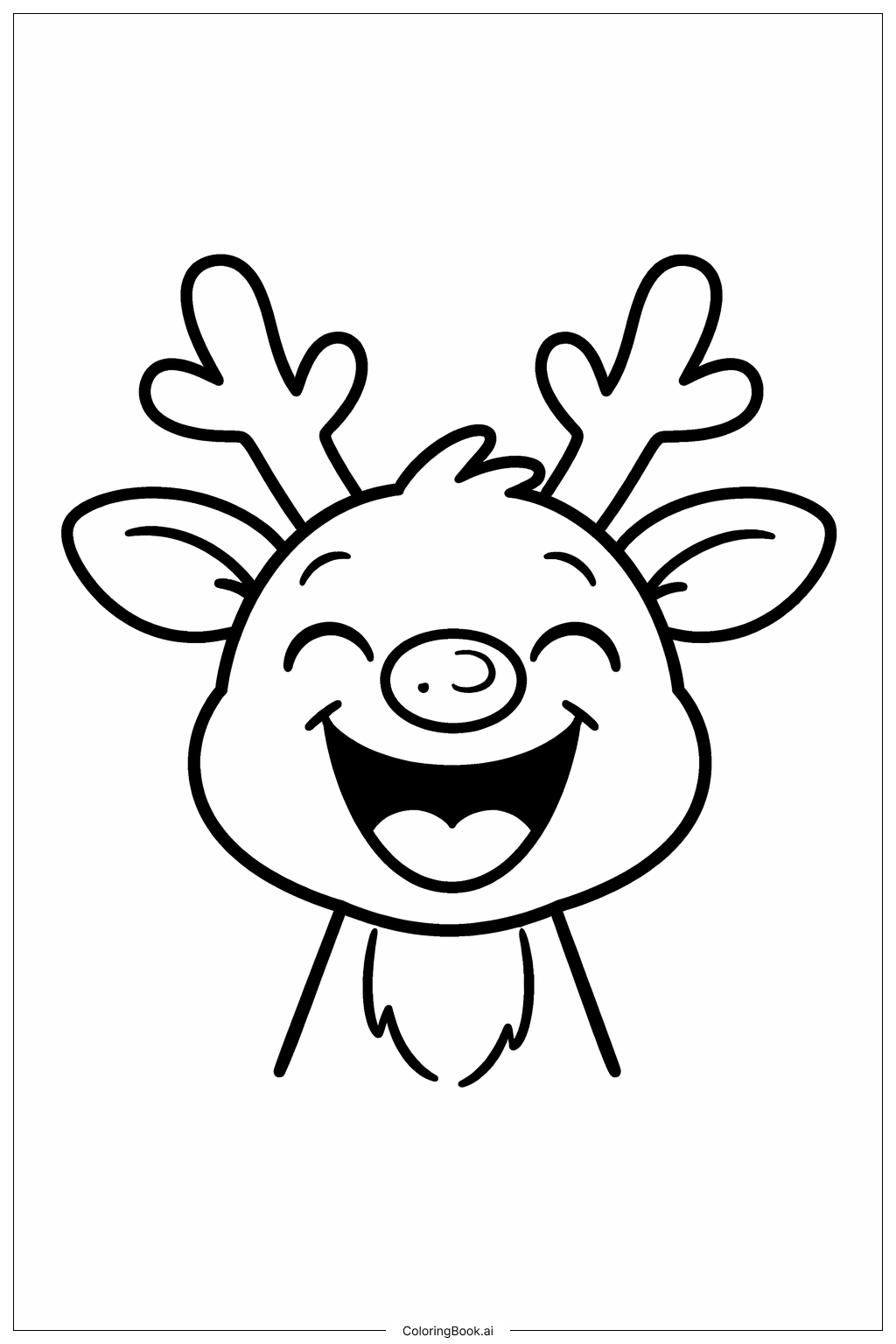
Coloring tips: How to color Rudolph Laughing Cheer coloring page well?
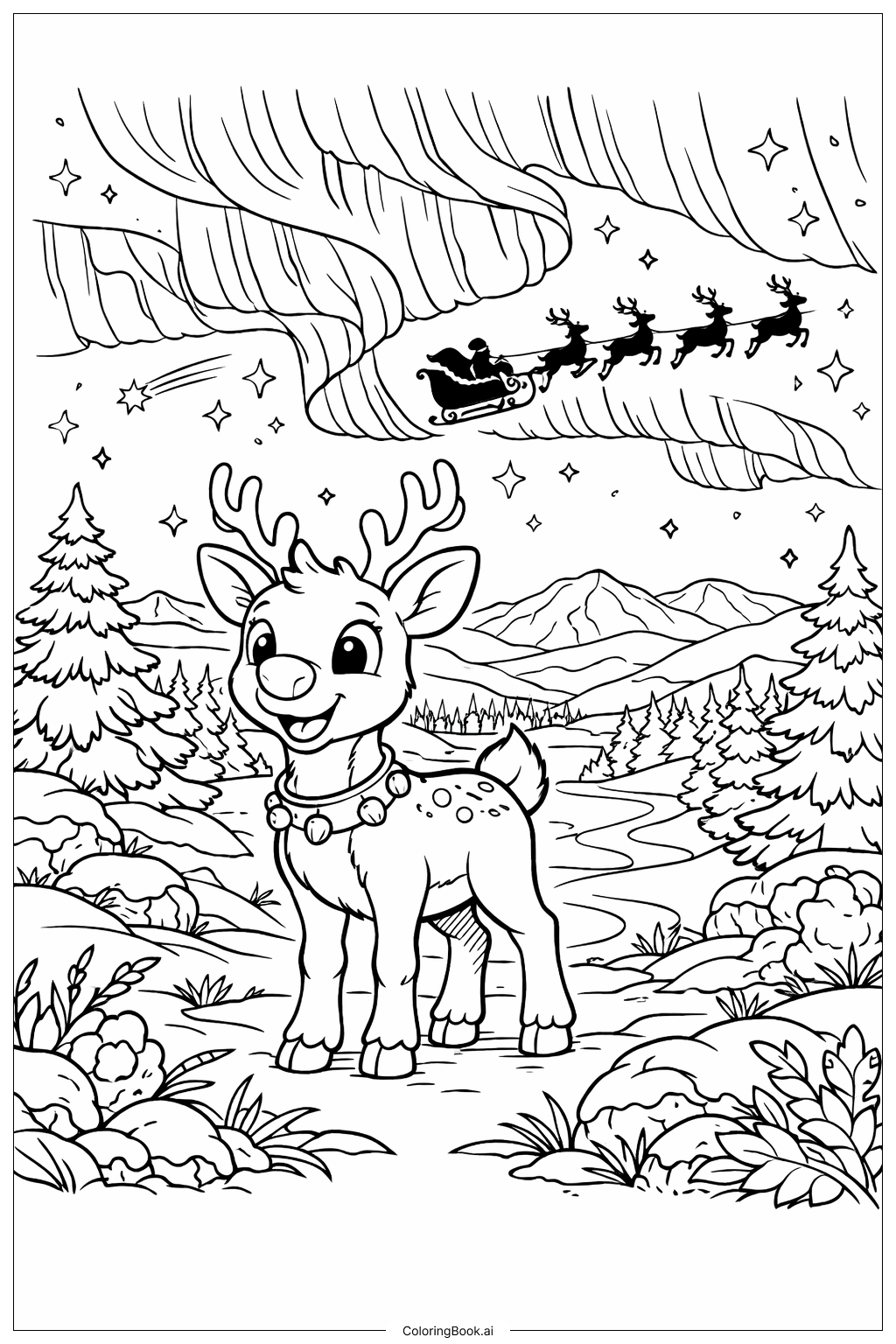
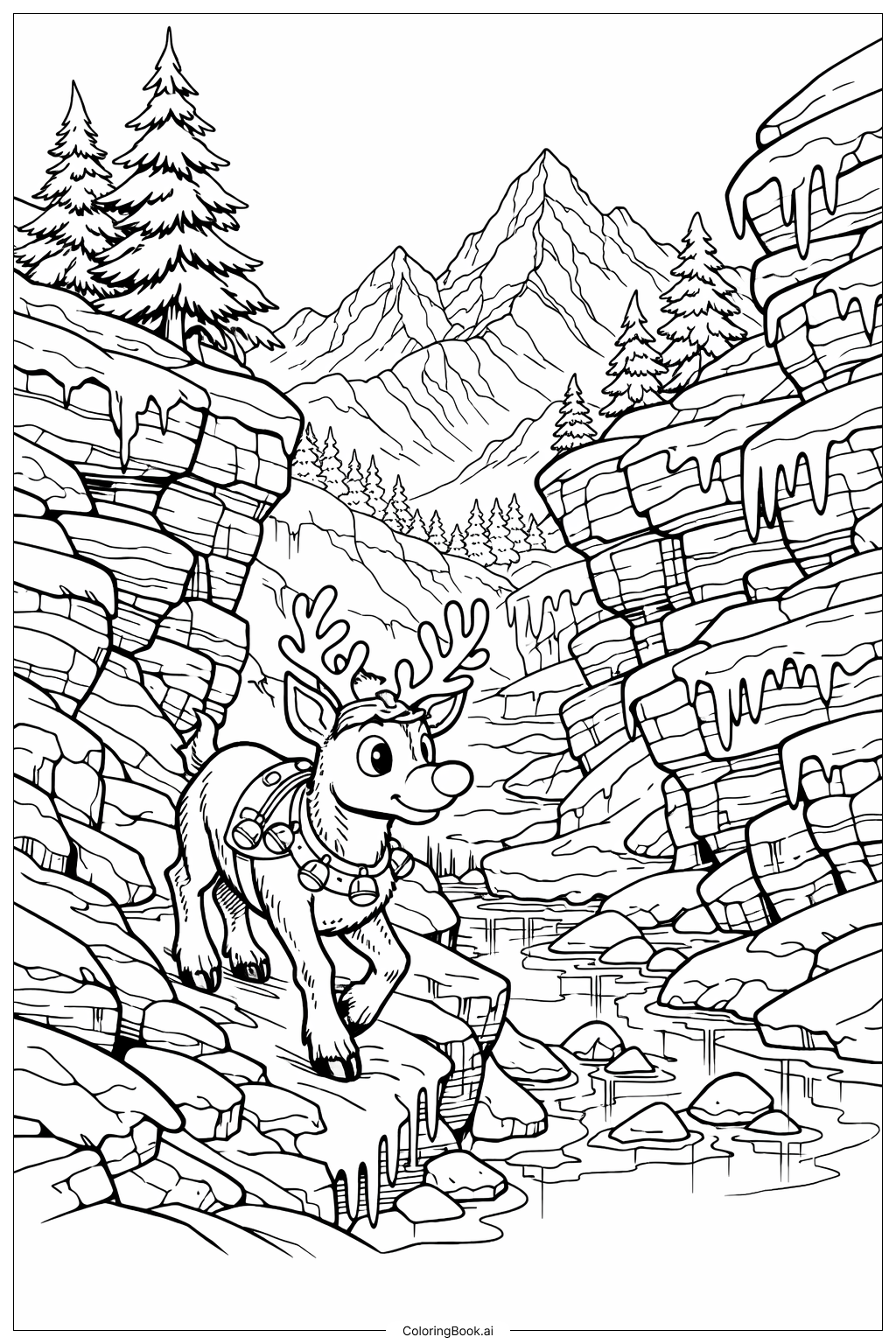
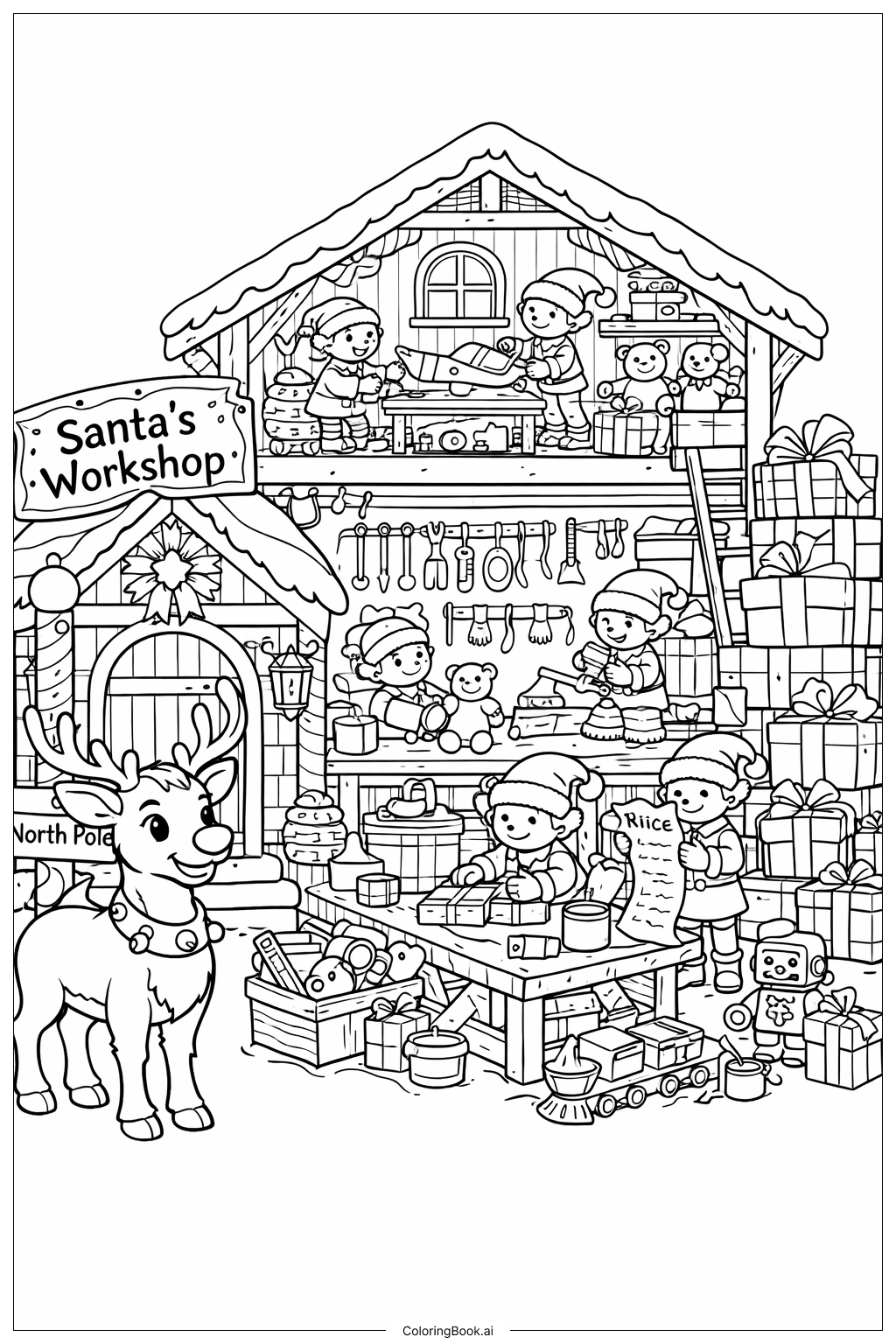
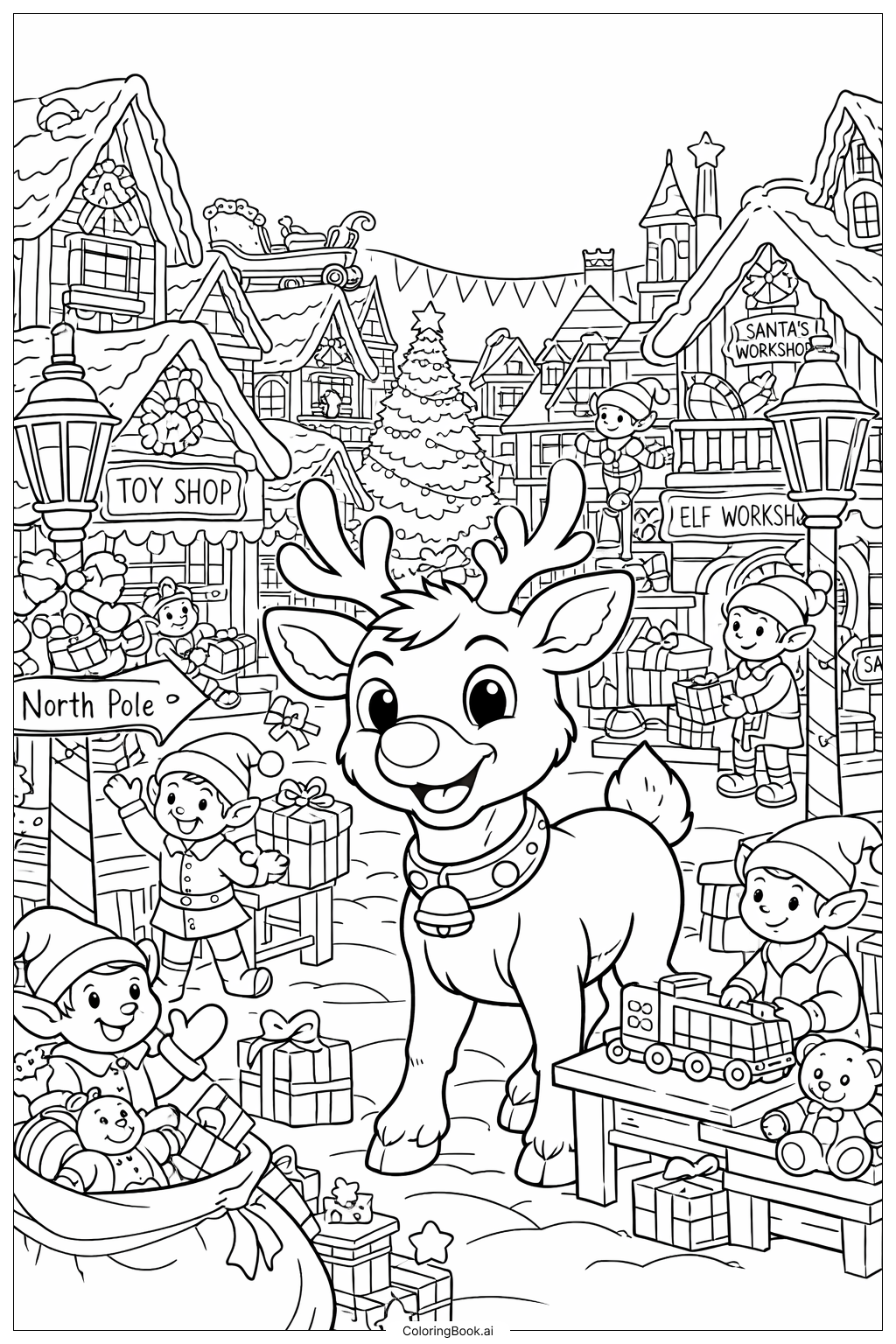
Start with Rudolph's body by using warm shades of brown, such as tan or chestnut, to bring his fur to life. Use a lighter cream or beige for his belly and inner ears to add depth. His famous nose should be colored a bold, bright red to make it pop off the page. For his eyes, use dark brown or black, and add a small white dot to give them a sparkling, lively look. Color his antlers in a deeper brown or golden tone. The snowflakes around him look great in light blue, icy white, or soft silver. Stars can be colored yellow or gold for a festive glow. Feel free to use bright, cheerful colors throughout to match Rudolph's joyful mood. Kids can also experiment with fun shades like purple or teal for the background to make the scene feel extra magical and full of holiday spirit.
Coloring challenges: Which parts are difficult to color and need attention for Rudolph Laughing Cheer coloring page?
• Rudolph's Facial Expression: Capturing Rudolph's wide, laughing smile and crinkled eyes requires careful attention. The small curves and fine lines around his mouth and eyes are close together, making it easy to color outside the lines. Use a thin-tipped marker or a sharpened colored pencil to stay precise in these tight areas.\n\n• The Glowing Red Nose: Rudolph's iconic nose is a focal point of the image. Getting the right shade of red while keeping it smooth and even can be tricky, especially for younger colorists. Applying light, circular strokes and building up the color gradually helps achieve a rich, glowing effect without streaks.\n\n• Antler Details: The antlers have multiple branches and curved edges that require careful shading to look three-dimensional. Coloring each branch separately and using a slightly darker shade along the edges helps give them depth and makes them stand out from the background.\n\n• Surrounding Snowflakes and Stars: The small decorative snowflakes and stars scattered around Rudolph are delicate and intricate. Their tiny points and gaps make them challenging to color neatly. A fine-tipped tool works best here, and leaving some areas white can mimic a sparkling, icy look without overcrowding the details.\n\n• Body Shading and Fur Texture: Giving Rudolph's body a natural, furry appearance takes patience. Blending two shades of brown and using short, feathery strokes mimics the look of real fur. Keeping the lighter tones on the belly consistent while darkening the outer edges adds a realistic, rounded feel to his cheerful form.
Benefits of coloring books: Advantages of drawing Rudolph Laughing Cheer coloring page
Coloring this joyful image of Rudolph Laughing Cheer offers a wide range of benefits for children and young colorists. First, it helps build fine motor skills. Carefully staying within the lines of Rudolph's expressive face and detailed antlers strengthens hand-eye coordination and pencil control. Second, it encourages creativity. Choosing colors for Rudolph's fur, his glowing nose, and the festive snowflakes lets kids make their own artistic decisions and express their imagination freely. Third, it teaches color awareness. Matching warm browns for fur, bold red for the nose, and cool blues for snowflakes helps children understand how colors work together to create mood and contrast. Fourth, it promotes focus and patience. Working through the finer details of this image, such as the small stars and antler branches, trains concentration and persistence in a calm, enjoyable way. Finally, coloring a happy, laughing character like Rudolph spreads positivity and joy. It connects children to the warmth of the holiday season and can spark storytelling, imaginative play, and a lifelong love of art. It is a wonderful activity for Boys, Girls, and families to enjoy together.