Coloring tips: How to color My First Rosh Hashanah coloring page well?
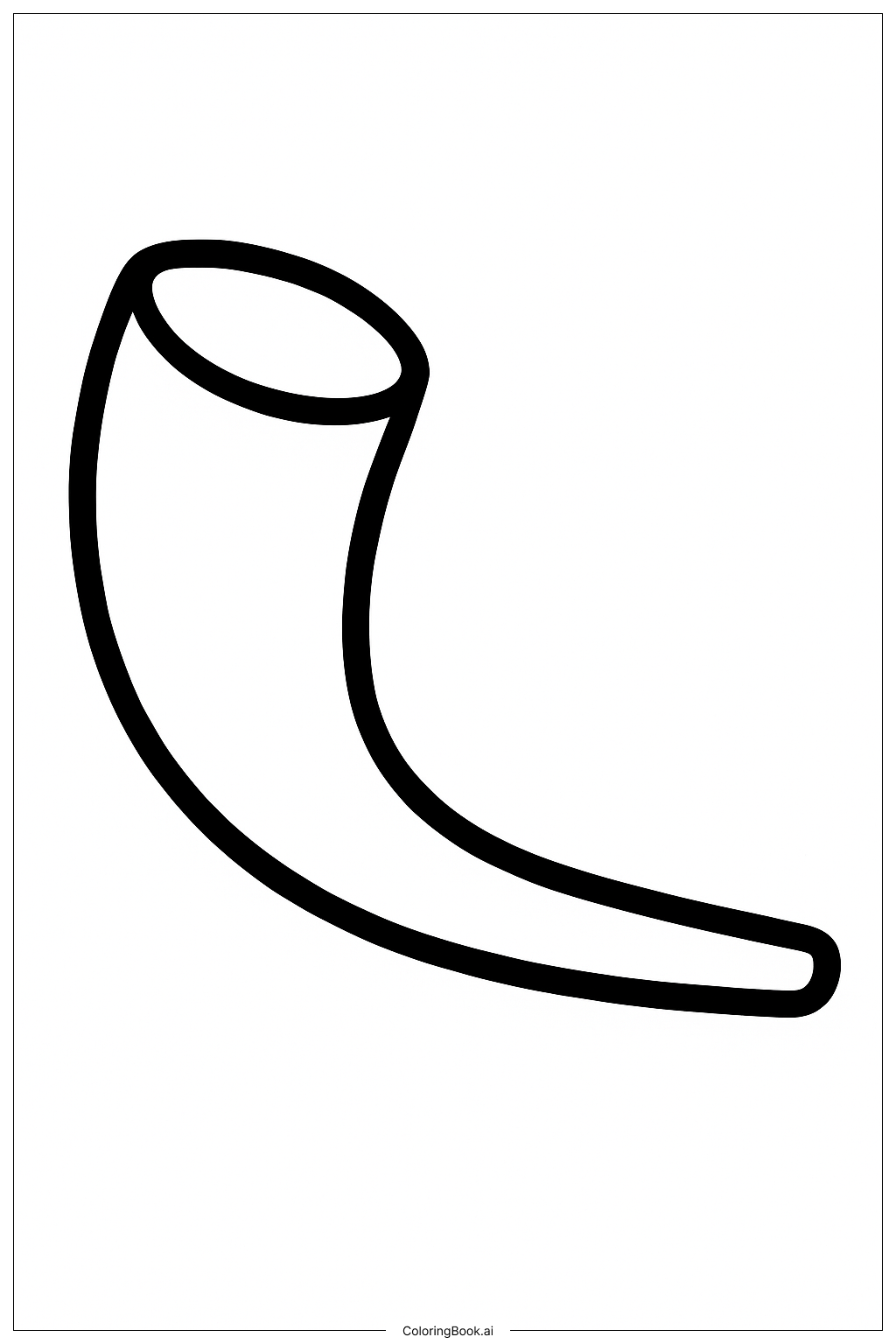
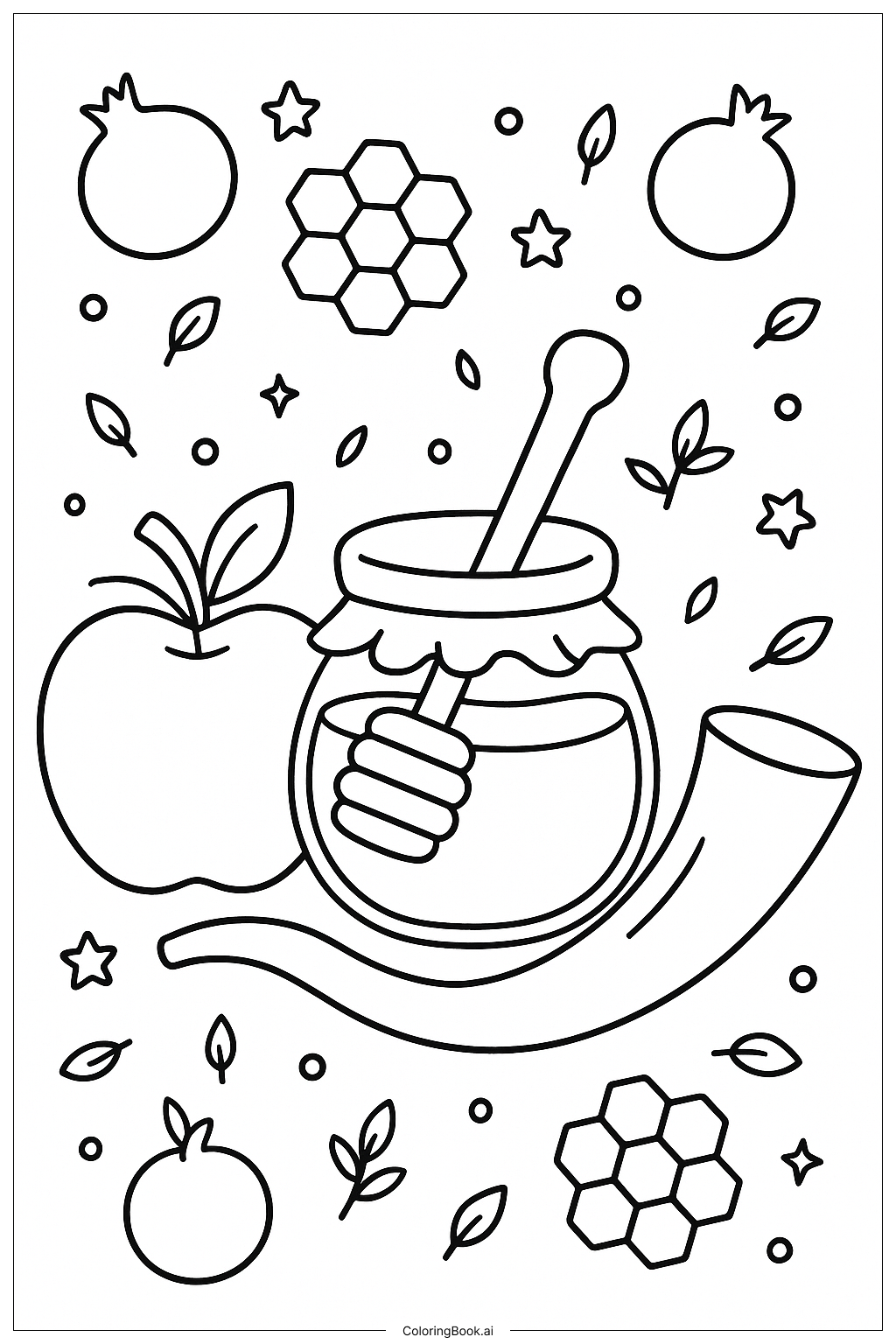
Start with the background and large open spaces first. Use a soft golden yellow or warm cream for the round challah bread. Color the apple in bright red or deep crimson to make it pop. The honey jar looks great in amber or golden orange tones. For the shofar, try a light tan or sandy brown to mimic the look of a real ram's horn. Use soft, warm skin tones for the baby. Pale blues, soft purples, or warm whites work well for any clothing or blanket. Add gold or yellow to the stars and decorative swirls around the border to give the page a festive, glowing feel. Encourage young colorists to pick colors that feel happy and bright, since Rosh Hashanah is a joyful celebration. Watercolor pencils or light crayon strokes work beautifully here to keep the overall look soft and sweet. There are no wrong color choices — just have fun and make it your own!
Coloring challenges: Which parts are difficult to color and need attention for My First Rosh Hashanah coloring page?
• Small Holiday Symbol Details: The honey jar, apple, and challah bread each contain small curved lines and decorative details. Staying inside these tight spaces can be tricky, especially for younger children. Using a fine-tip colored pencil or a thin marker will give you more control and help keep each element clean and distinct.
• The Shofar's Curved Shape: The shofar has a long, winding form with a narrow tip that gradually widens. Applying smooth, even color along this curved body without streaking takes patience. Try shading from light to dark along the curve to add a realistic, three-dimensional look.
• Baby's Facial Features: The infant's face includes small eyes, a tiny nose, and a gentle mouth. These areas are very close together and require a careful, steady hand. Using very light pencil pressure and a sharp tip will help you stay precise and keep the expression looking soft and sweet.
• Decorative Border Elements: The stars and swirling shapes around the edges of the page are closely spaced. Alternating colors between neighboring shapes, such as gold, yellow, and soft orange, can help each element stand out without the border feeling cluttered or overwhelming.
• Balancing Warm Tones Across the Page: Many of the elements in this image call for similar warm, golden colors. The challenge is making sure the honey, challah, and shofar each look different from one another. Try varying the shade slightly for each object, using deeper or lighter versions of the same color family to keep visual variety and interest throughout the page.
Benefits of coloring books: Advantages of drawing My First Rosh Hashanah coloring page
Coloring this My First Rosh Hashanah page offers a wonderful mix of creative and educational rewards for children and families alike. As kids fill in each symbol, they naturally learn about the meaning behind Rosh Hashanah traditions, such as why we dip apples in honey and what the shofar represents. This makes coloring both a creative activity and a gentle introduction to Jewish culture and heritage.
For young children, working within the lines of the baby, shofar, and round challah helps build fine motor skills and hand-eye coordination. Choosing colors and deciding how to fill each space encourages independent thinking and creative decision-making.
The calming, repetitive motion of coloring also supports emotional well-being. It helps children slow down, focus, and feel a sense of calm, which is especially meaningful during a holiday that invites reflection on the new year ahead.
For families, sitting together to color this page creates a shared, screen-free moment of connection. Parents and grandparents can use the time to share stories and memories about their own first Rosh Hashanah celebrations.
Completing the page gives young colorists a real sense of pride and accomplishment. The finished artwork can even be displayed as part of holiday decorations, making each child feel like a true part of the celebration.