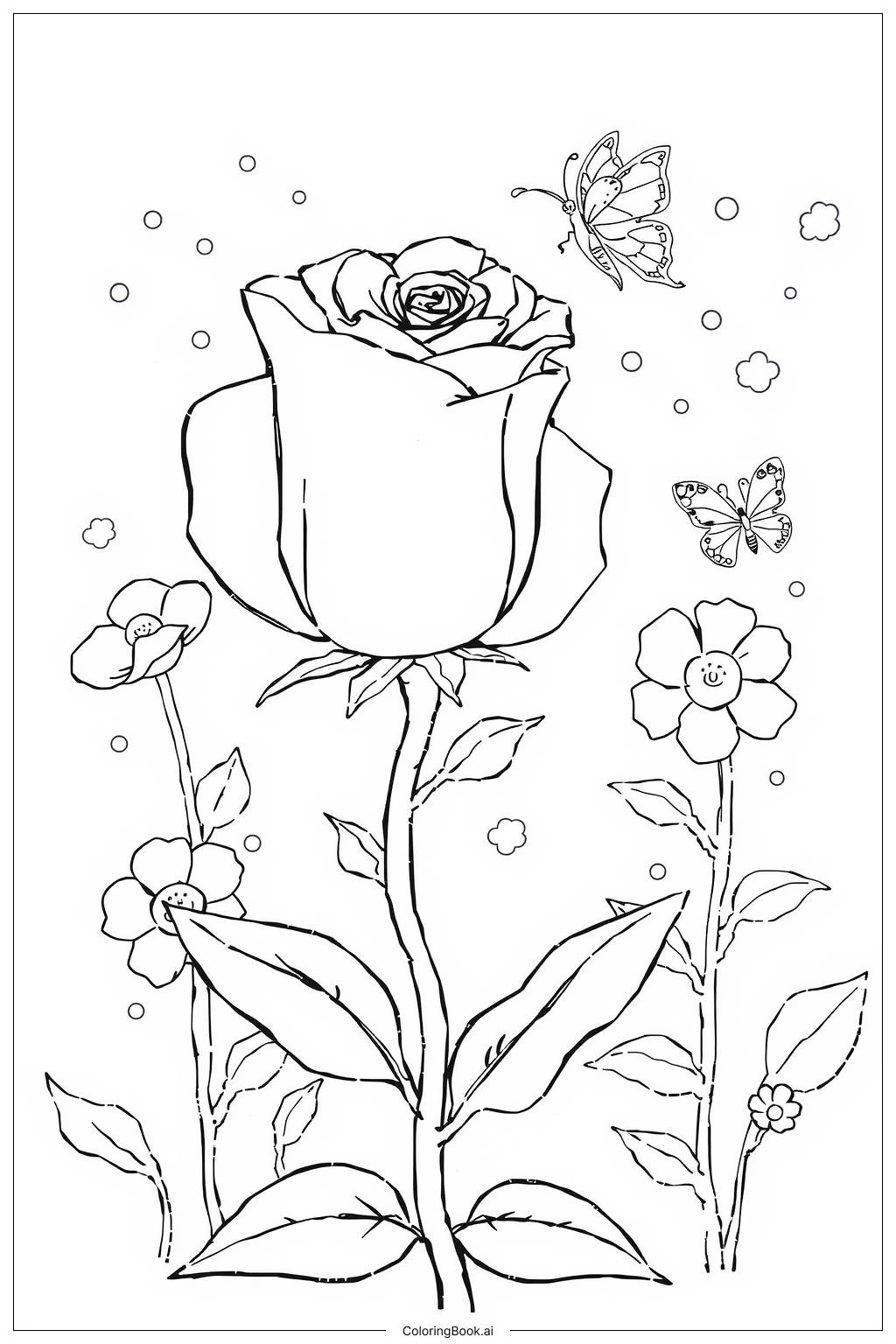
Coloring tips: How to color Simple Love Rose coloring page well?
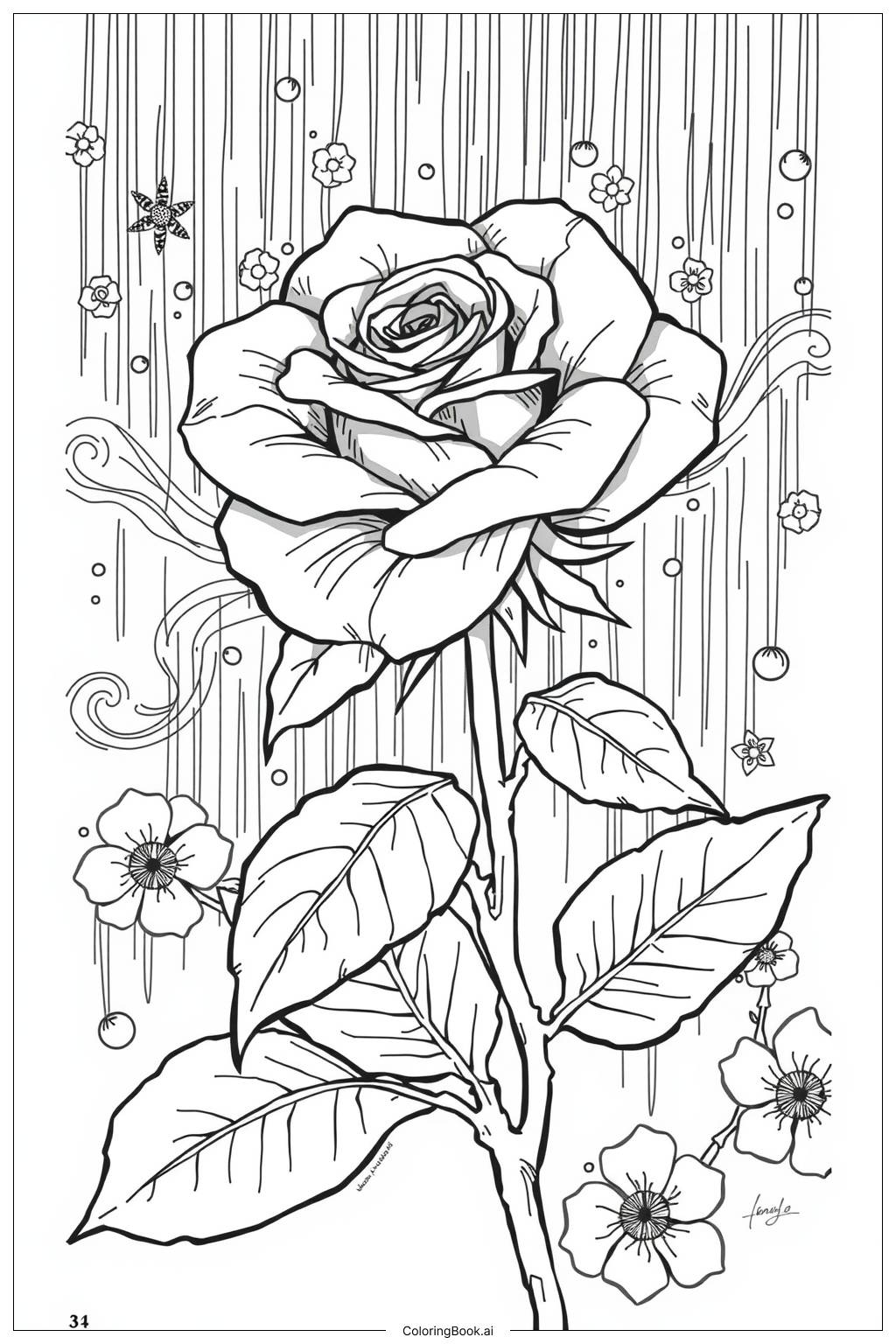
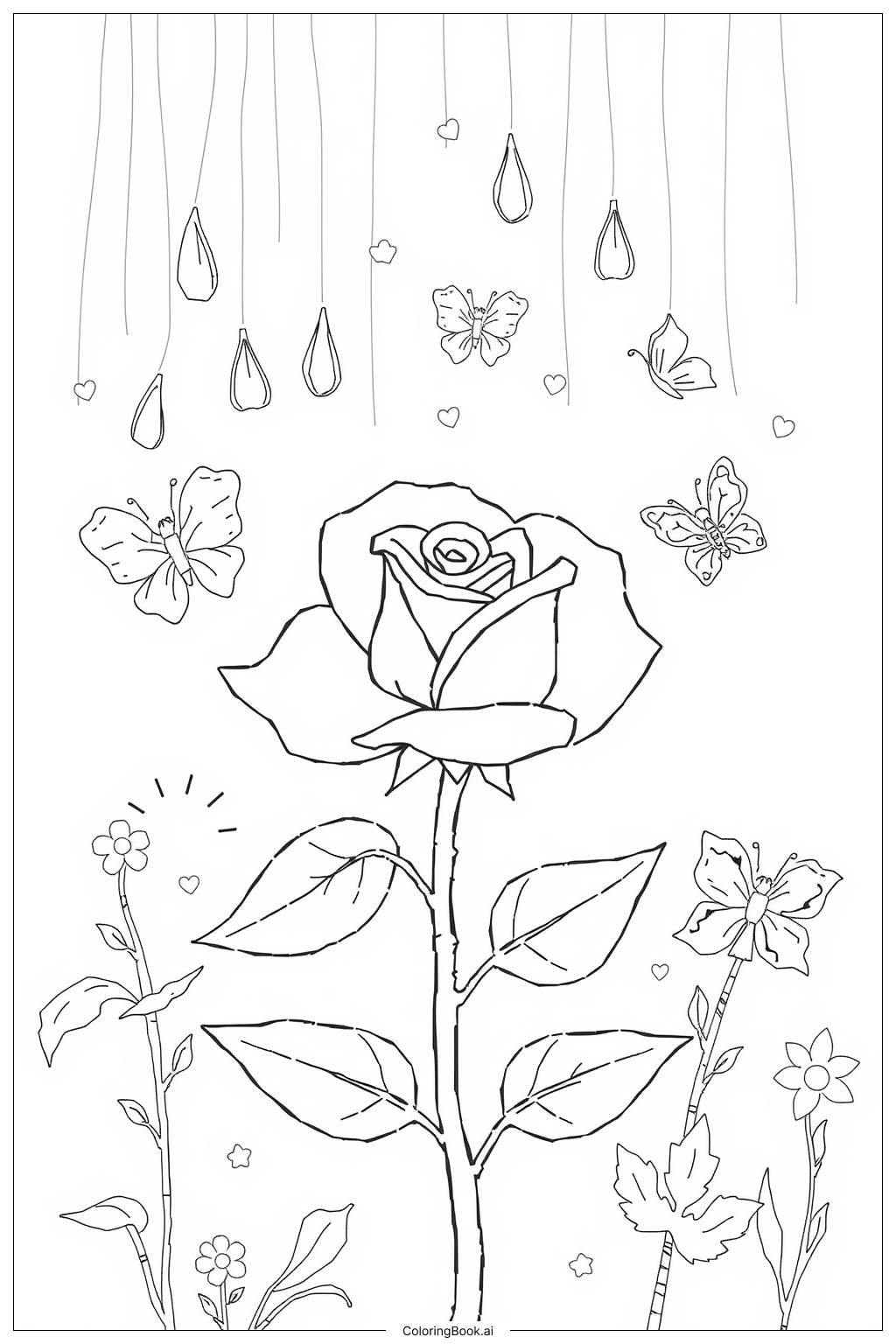
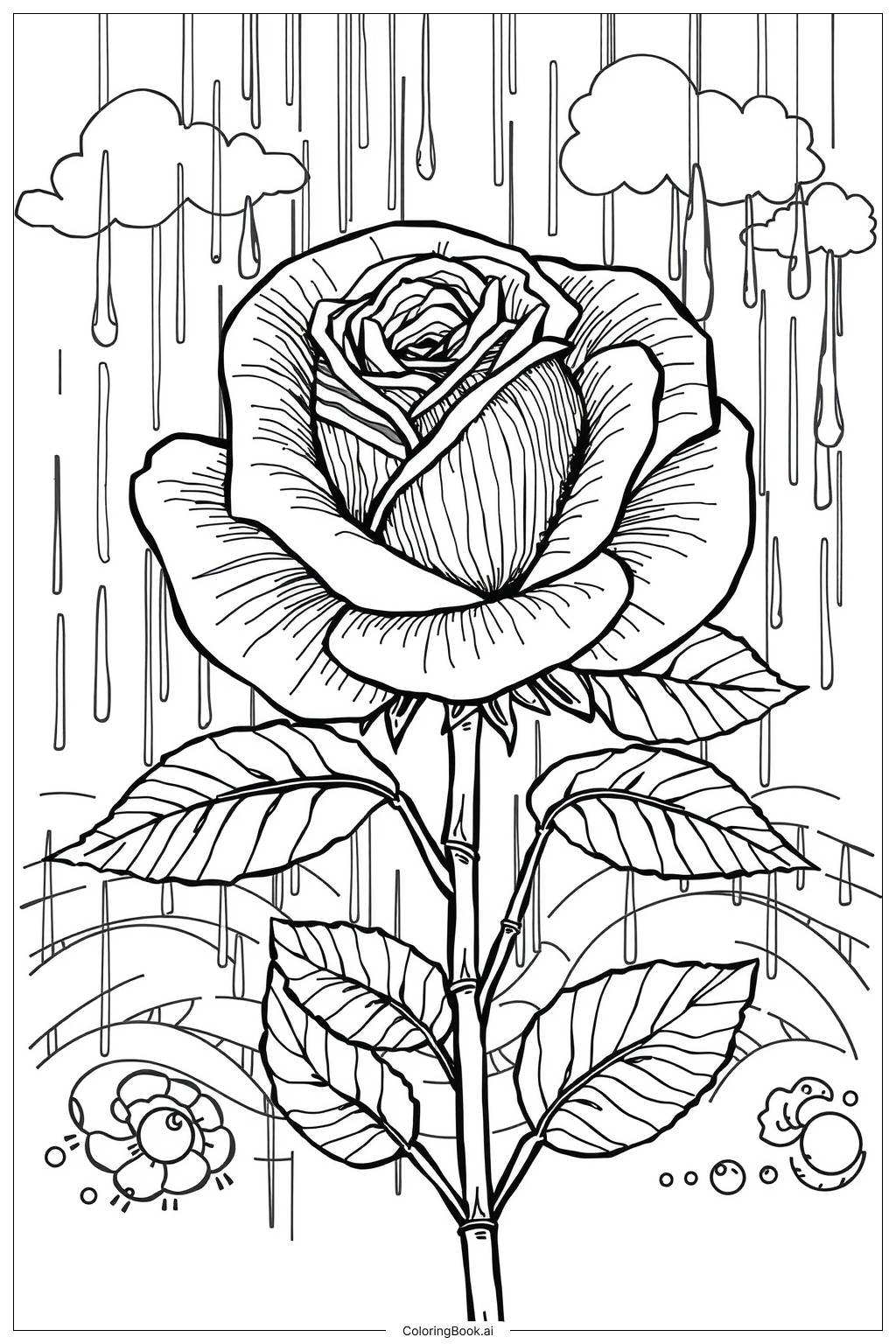
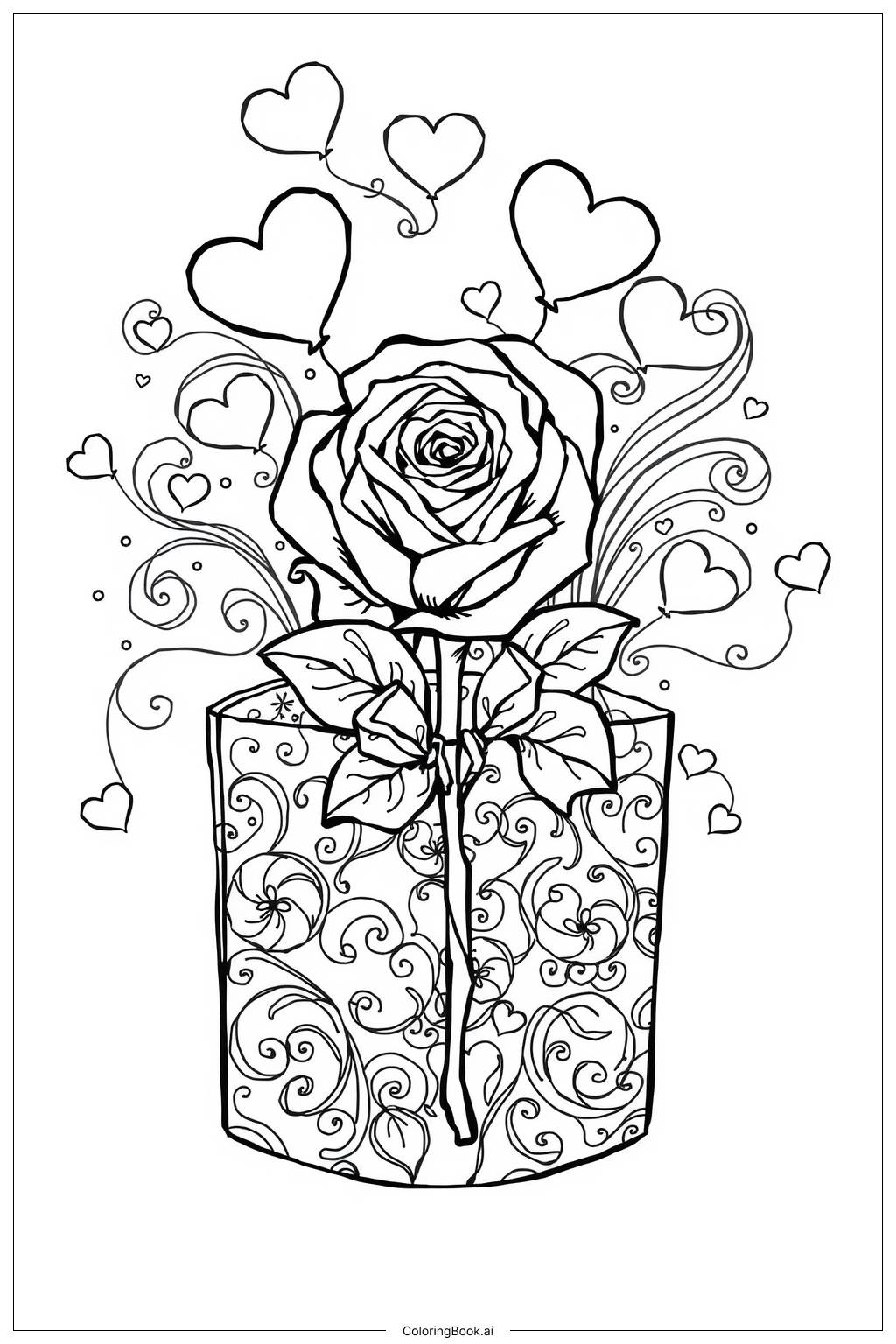
Start with the rose petals using shades of red or pink. Try a deep red at the base of each petal and a lighter pink near the tips. This creates a soft, glowing effect that makes the flower look full and alive. You can also try a warm coral or soft peach for a gentle, dreamy look. For the leaves, use different shades of green. A darker green on the outer edges and a lighter green in the middle will add depth. Color the stem in a medium green or olive tone. If you want to add a special touch, use a white crayon or colored pencil to add light highlights on the petals. Feel free to add a soft background color like pale yellow, lavender, or sky blue to make the rose stand out even more. Have fun and make it your own!
Coloring challenges: Which parts are difficult to color and need attention for Simple Love Rose coloring page?
• Petal Shading and Blending: The rose petals overlap and curve in different directions, making it tricky to shade them naturally. Each petal needs its own light and shadow areas. Blending two or three shades smoothly takes patience and a gentle hand, especially for younger colorists who are still building control with their tools.
• Small Leaf Vein Details: The leaves include thin vein lines running through them. Coloring around these tiny lines without accidentally covering them requires careful, precise strokes. Using a sharpened pencil or a fine-tipped marker will help preserve these details and keep the leaf looking realistic and textured.
• Staying Within the Lines: The curves of the petals and the rounded edges of the leaves are flowing and irregular. It can be easy to slip outside the lines in these curved sections. Slow, short strokes work better than long sweeping ones, especially along the outer edges of the bloom.
• Achieving Depth in the Center: The inner part of the rose where the petals meet at the center is a smaller, tighter area. Adding darker color here to suggest depth without muddying the whole flower is a common challenge. Using a slightly darker version of your petal color in this area helps create a natural-looking focal point.
• Color Consistency Across the Whole Image: Keeping the colors balanced across the petals, leaves, and stem so the whole image feels unified takes planning. Choosing your color palette before you start and testing colors on a separate sheet can help you stay consistent throughout.
Benefits of coloring books: Advantages of drawing Simple Love Rose coloring page
Coloring this rose page is a wonderful activity for kids and adults alike. It helps build focus and patience as you carefully fill in each petal and leaf. Working through the details of the flower trains the hand and eye to work together, which improves fine motor skills over time. For younger children, this is great practice for holding and guiding coloring tools with control. Choosing colors for the petals, leaves, and background also sparks creative thinking and helps develop a personal sense of style and color awareness. The calming, repetitive motion of coloring is known to reduce stress and anxiety, making it a relaxing break from screens and busy days. Completing the image gives a satisfying sense of achievement that boosts confidence and encourages kids to keep creating. The romantic theme of a love rose also opens up conversations about feelings, nature, and the beauty of simple things. Whether used as a quiet solo activity or shared with a friend or family member, this coloring page is a joyful and enriching experience for all ages.