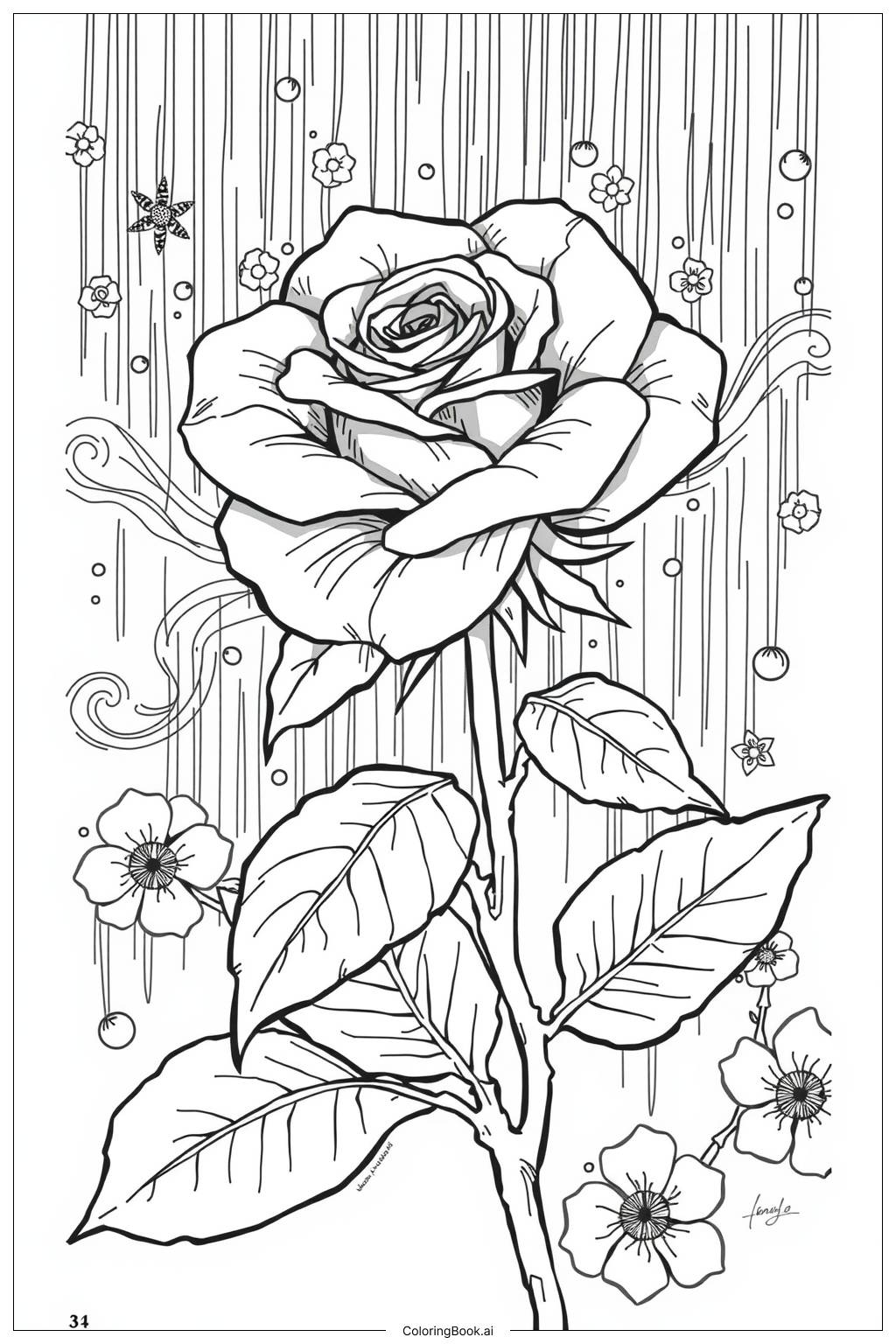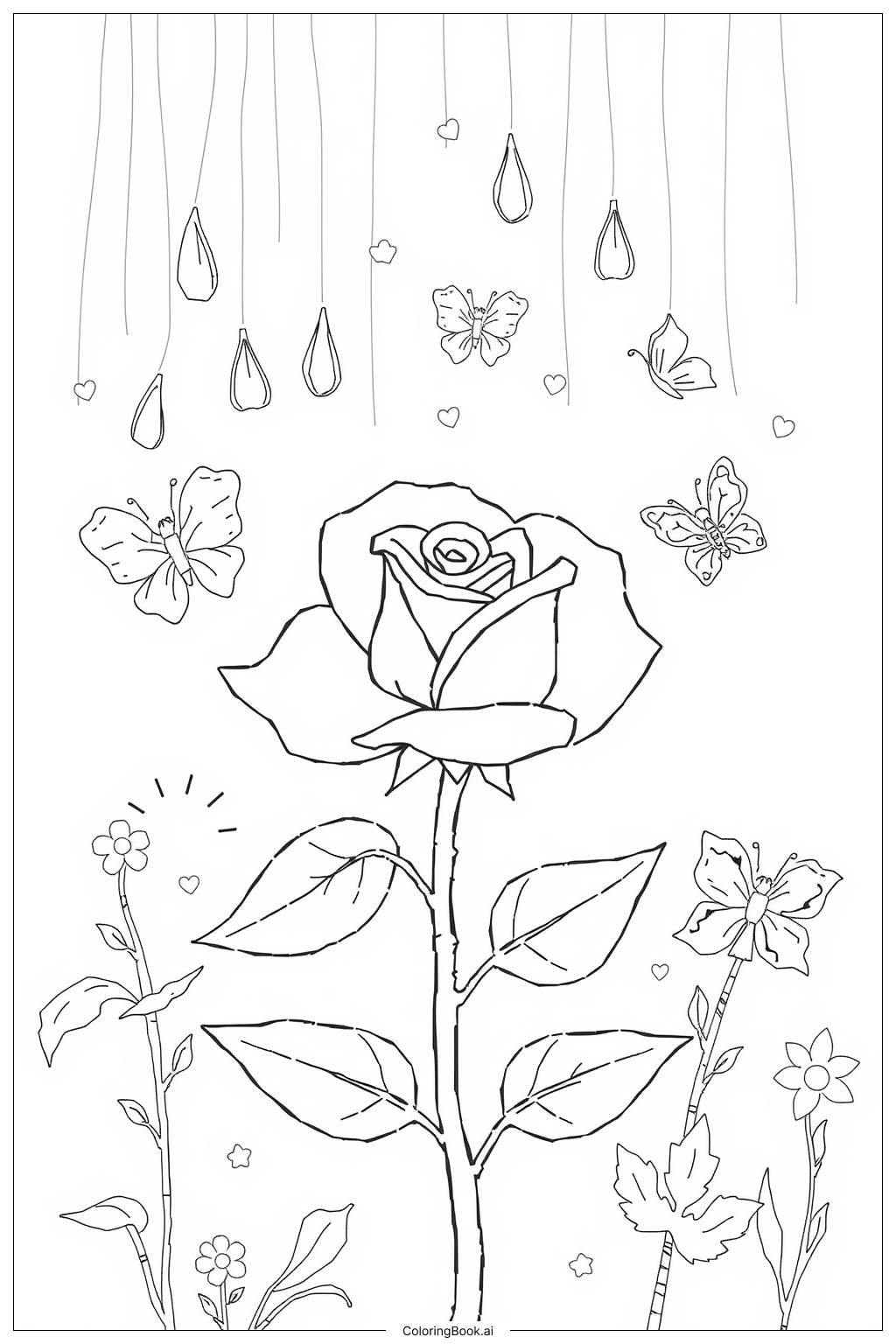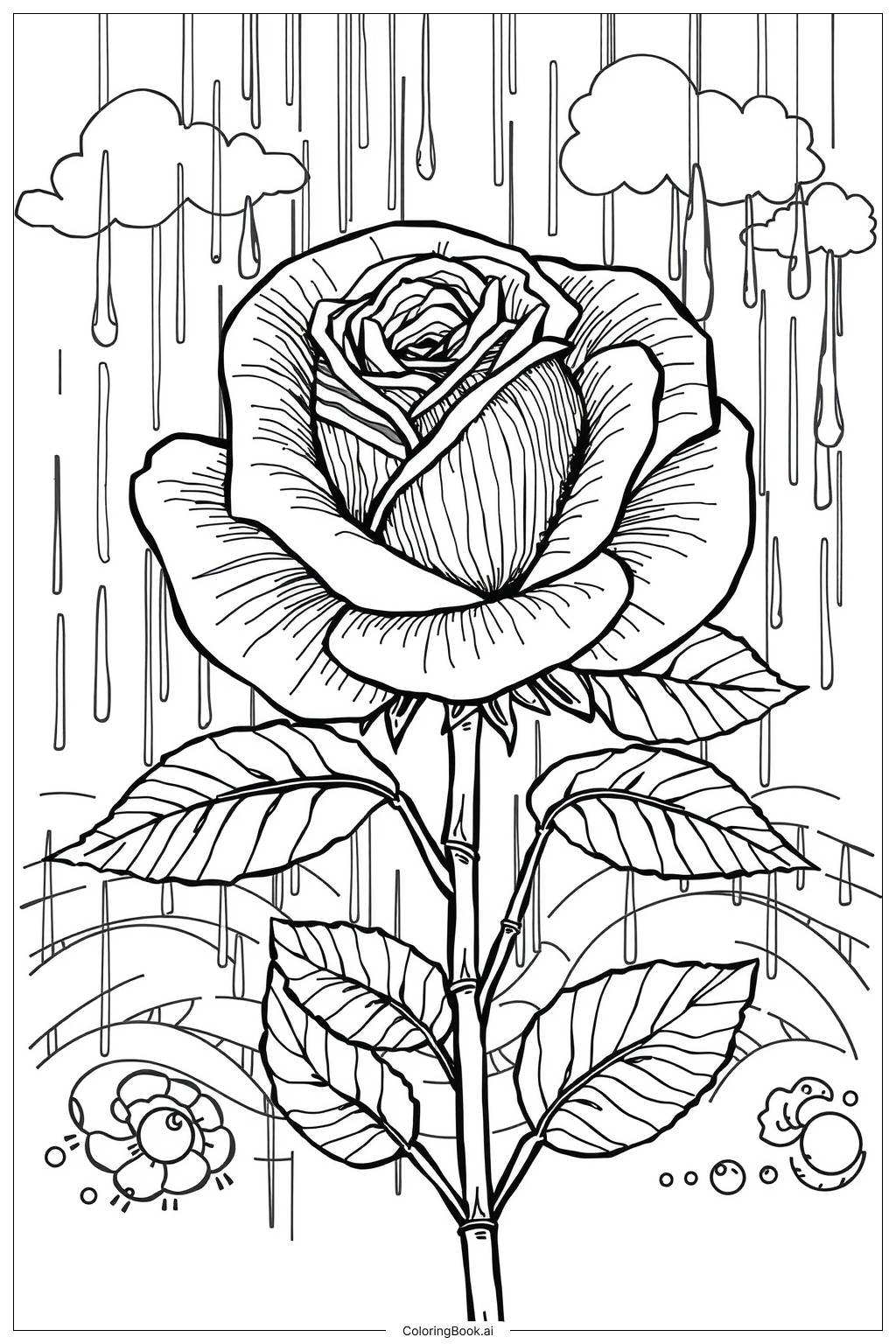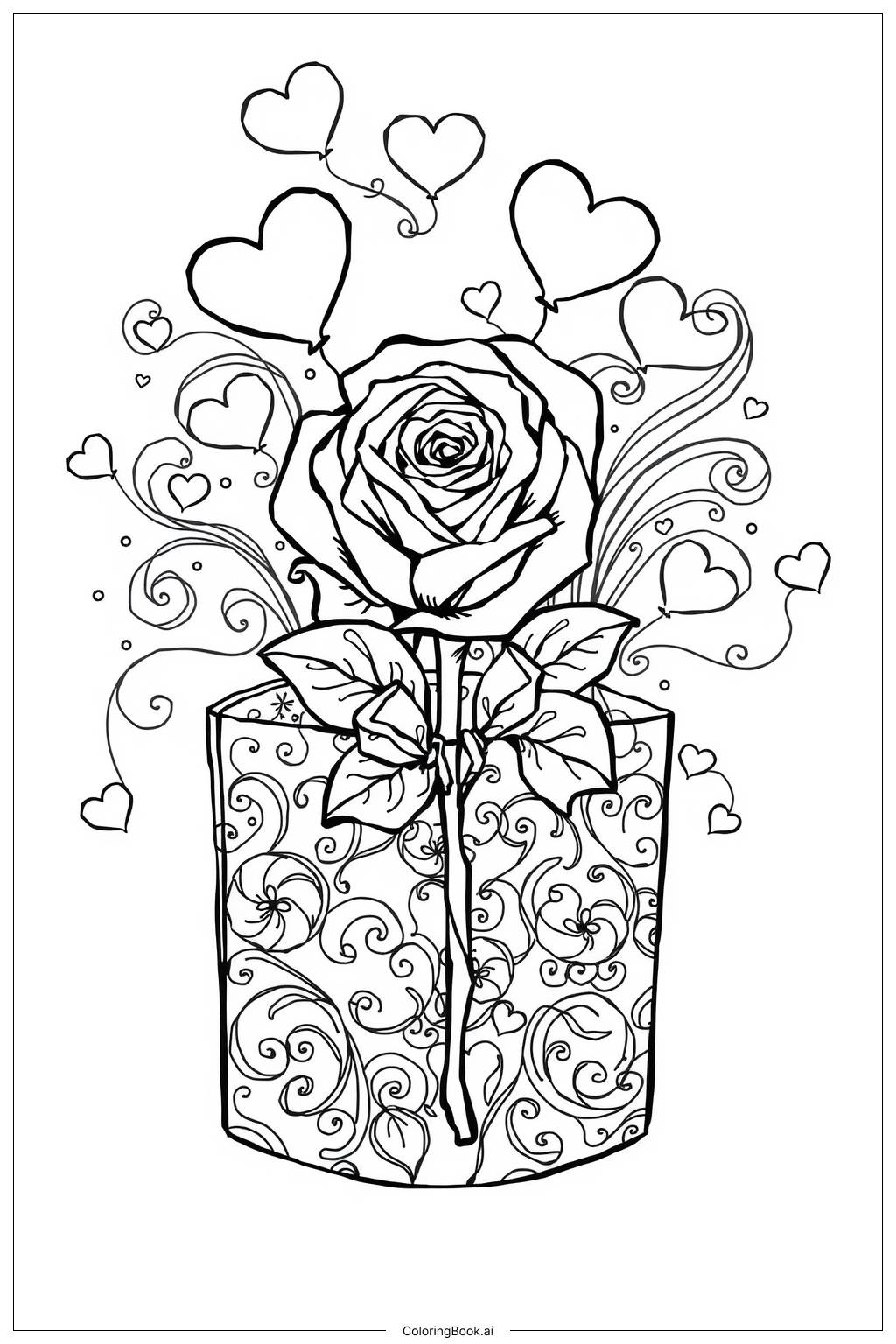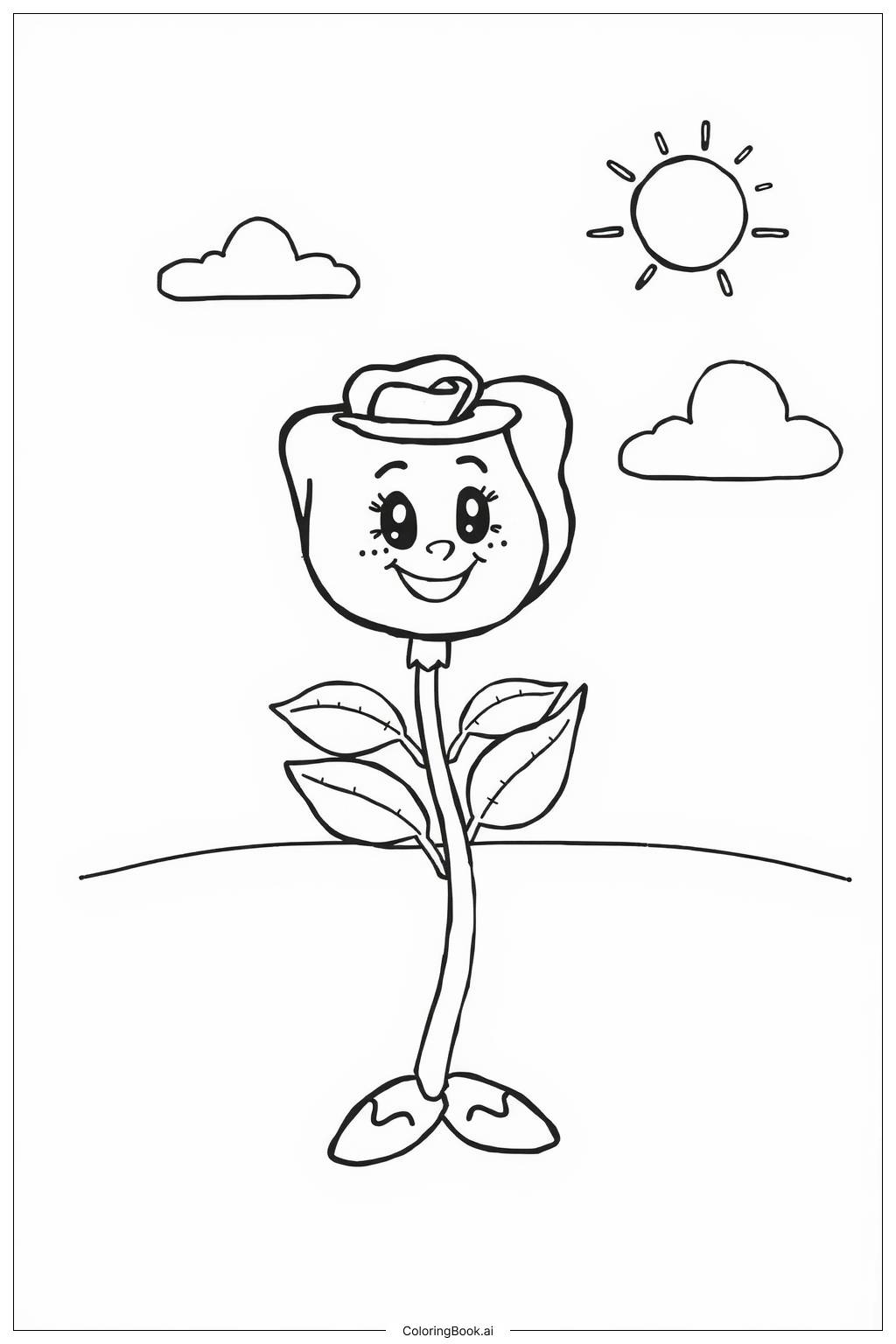
Coloring tips: How to color Simple Love Rose coloring page well?
Start with the petals using shades of red or pink. Try a deep red at the base of each petal and a lighter pink or soft white near the tips. This creates a natural, glowing look. Blend the colors gently if you can. For the leaves, use two or three shades of green. A darker green along the edges and a brighter green in the middle looks great. Color the stem with a medium green or earthy brown. If you want to make the rose feel extra special, add a soft yellow or warm orange glow near the center. You can also try a purple or coral pink if you want a more unique and creative look. Keep your strokes smooth and light at first, then build up the color slowly. Do not press too hard right away. This coloring page is great for experimenting with color blending and shading. Have fun and make it your own.
Coloring challenges: Which parts are difficult to color and need attention for Simple Love Rose coloring page?
• Petal Layering and Shading: The rose has multiple overlapping petals, each curving in a different direction. Coloring each petal individually while keeping the transitions smooth can be tricky. You need to decide where the light hits and where the shadows fall. Blending two or more colors within a single petal takes patience and a steady hand.
• Staying Inside Curved Lines: The petals and leaves have soft, rounded edges rather than straight lines. Keeping your coloring tool inside these curves without going over the outlines requires careful control. This is especially challenging near the tips of the petals and the pointed ends of the leaves.
• Leaf Vein Details: The leaves include fine vein lines running through them. These thin lines are easy to accidentally cover with too much color. You need to color around them carefully or leave them slightly lighter to preserve the natural leaf texture and detail.
• Color Consistency Across Petals: Because the rose has several petals that all need to feel like part of the same flower, keeping your color choices consistent is important. Using the same color family with slight variations in tone across all petals helps the flower look unified and realistic rather than patchy or uneven.
• Stem and Leaf Contrast: The stem and leaves sit right next to each other. Making sure they each have their own distinct shade of green, without looking too similar or too different, takes a bit of planning. Choosing your greens in advance before you start can help a lot.
Benefits of coloring books: Advantages of drawing Simple Love Rose coloring page
Coloring this Simple Love Rose page offers a wide range of wonderful benefits for kids and beginners alike. First, it helps improve fine motor skills. Carefully coloring inside the curved petals and thin vein lines trains your hand to move with more control and precision. Second, it encourages creativity. Choosing your own colors for the petals, leaves, and stem lets you express yourself freely. There is no single right answer, so every finished rose can look completely different and equally beautiful. Third, it teaches color theory in a fun and hands-on way. Experimenting with shading and blending on the petals helps you understand how light and shadow work together. Fourth, it promotes focus and calm. The repetitive, gentle motion of coloring is relaxing and helps quiet a busy mind. Many people find it a great way to unwind after a long day. Fifth, finishing the page gives a real sense of accomplishment. Seeing a blank outline transform into a colorful, glowing rose is satisfying and builds confidence. This simple but lovely design is perfect for anyone who wants to practice coloring skills while creating something meaningful and beautiful.