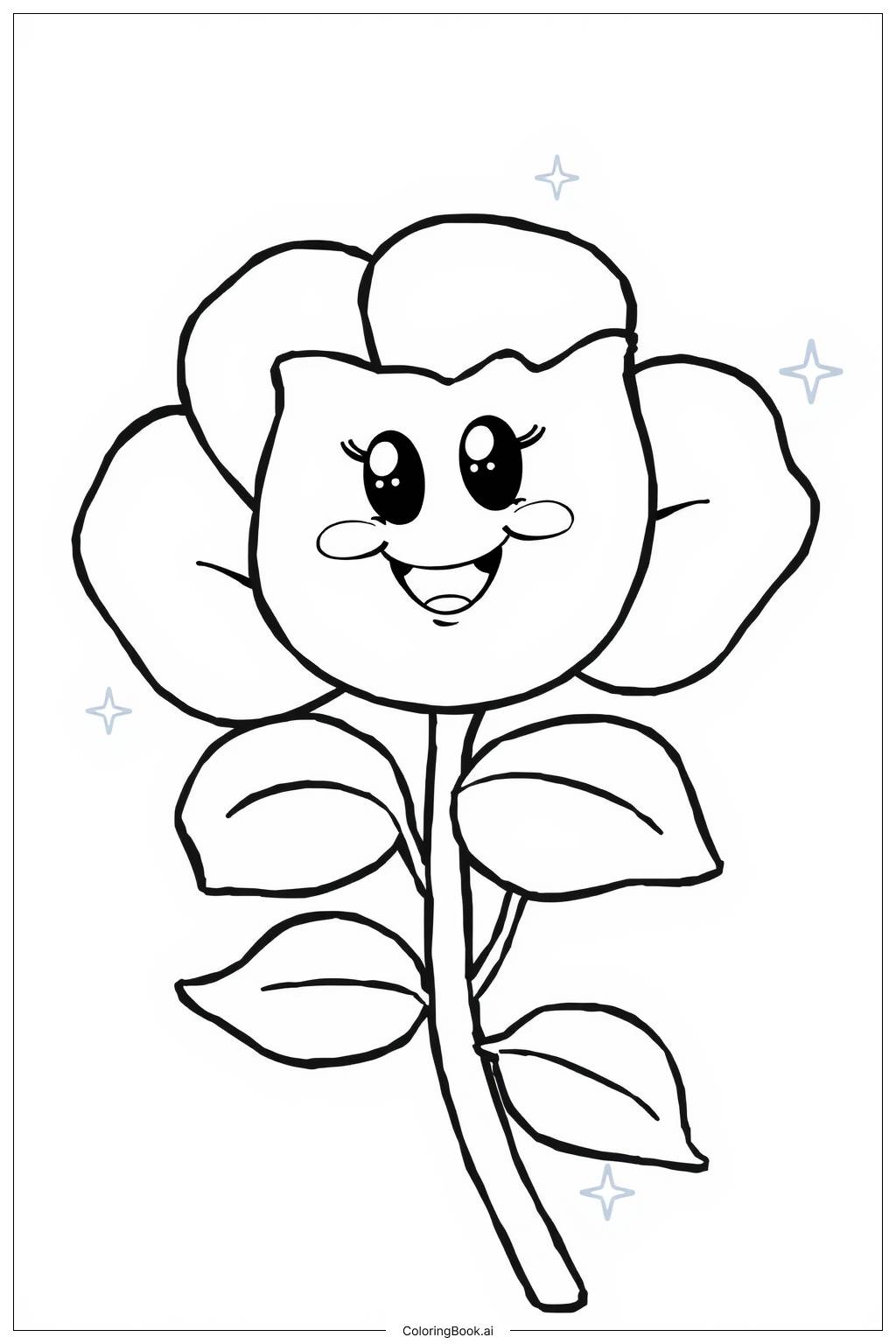
Coloring tips: How to color Simple Love Rose coloring page well?
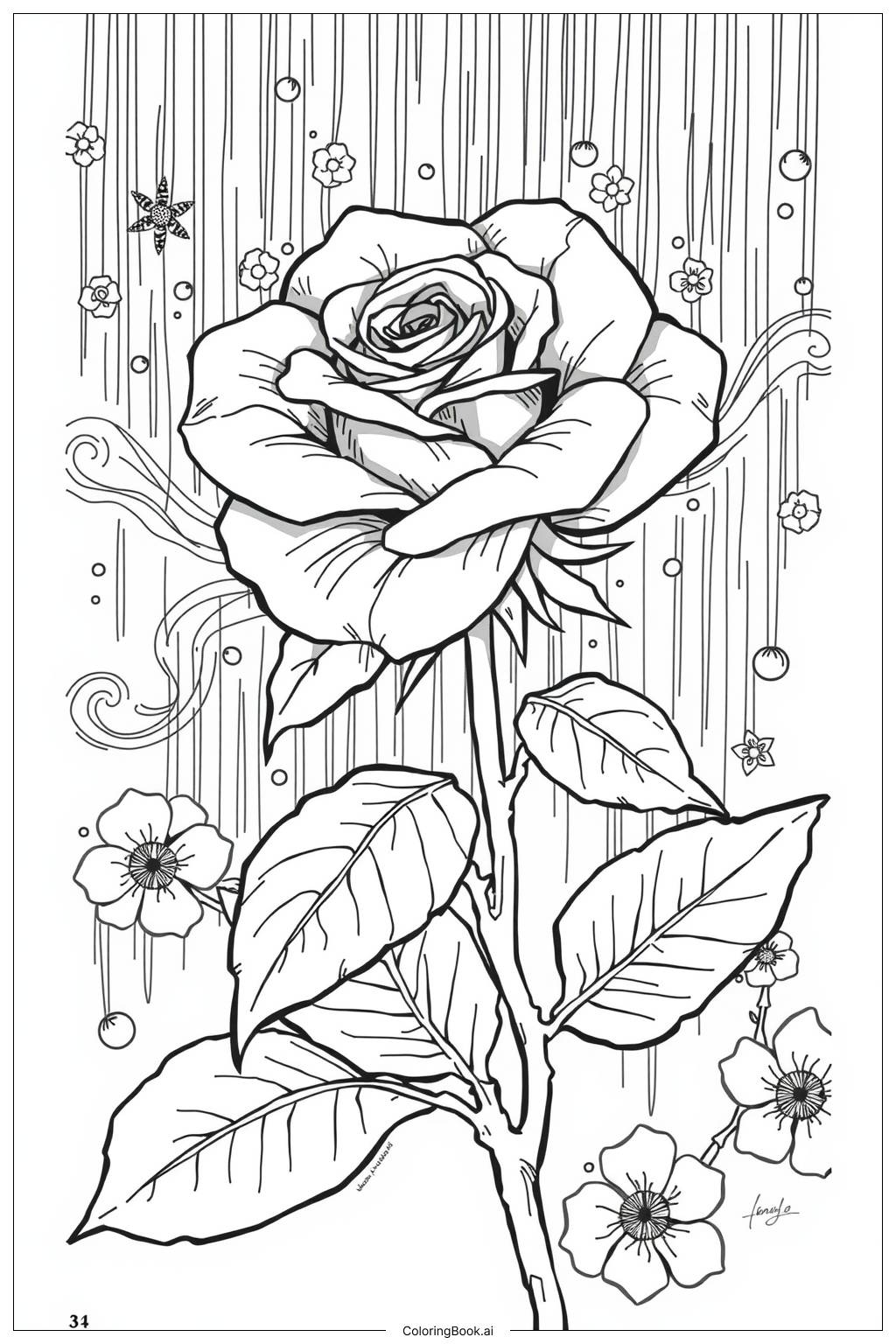
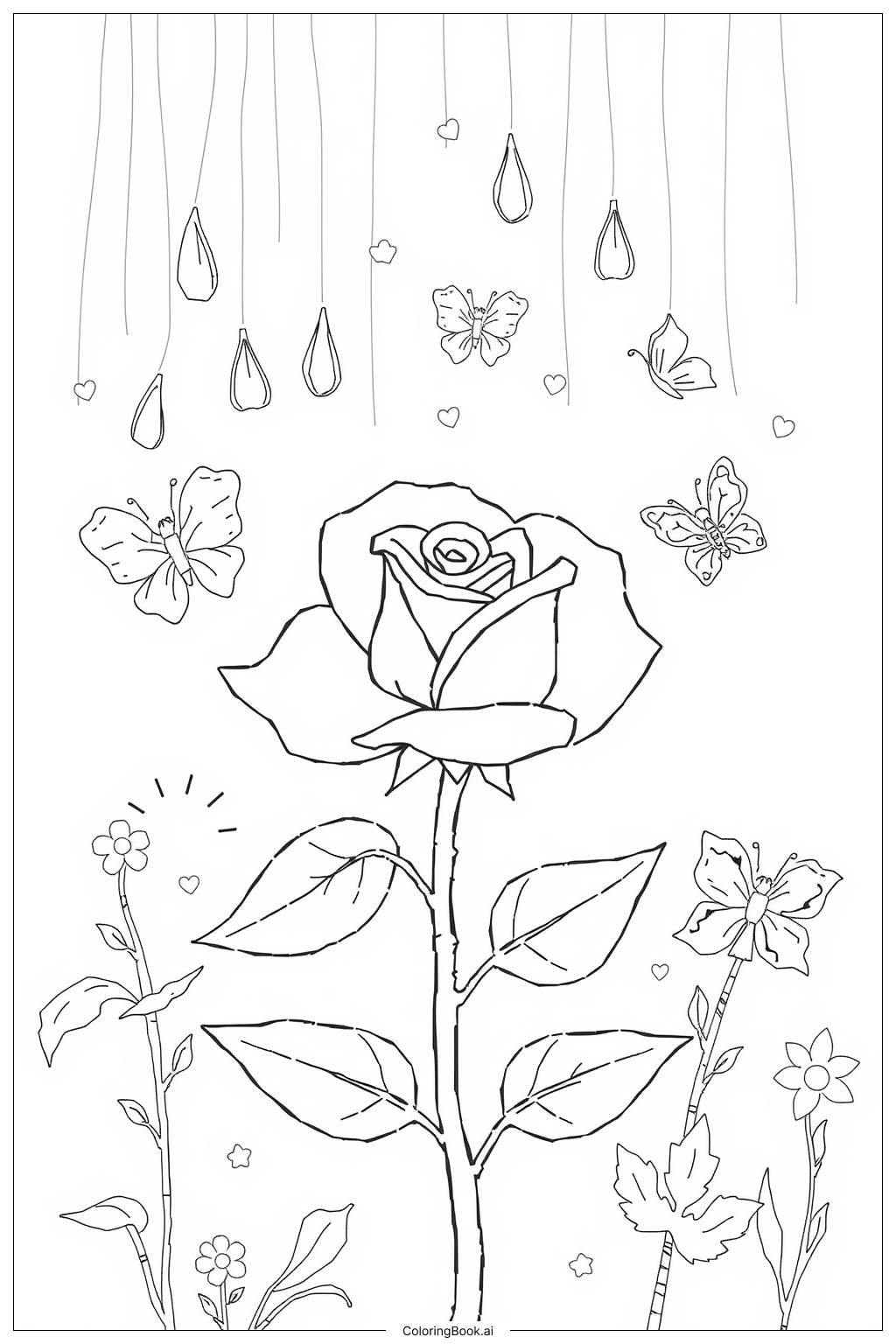
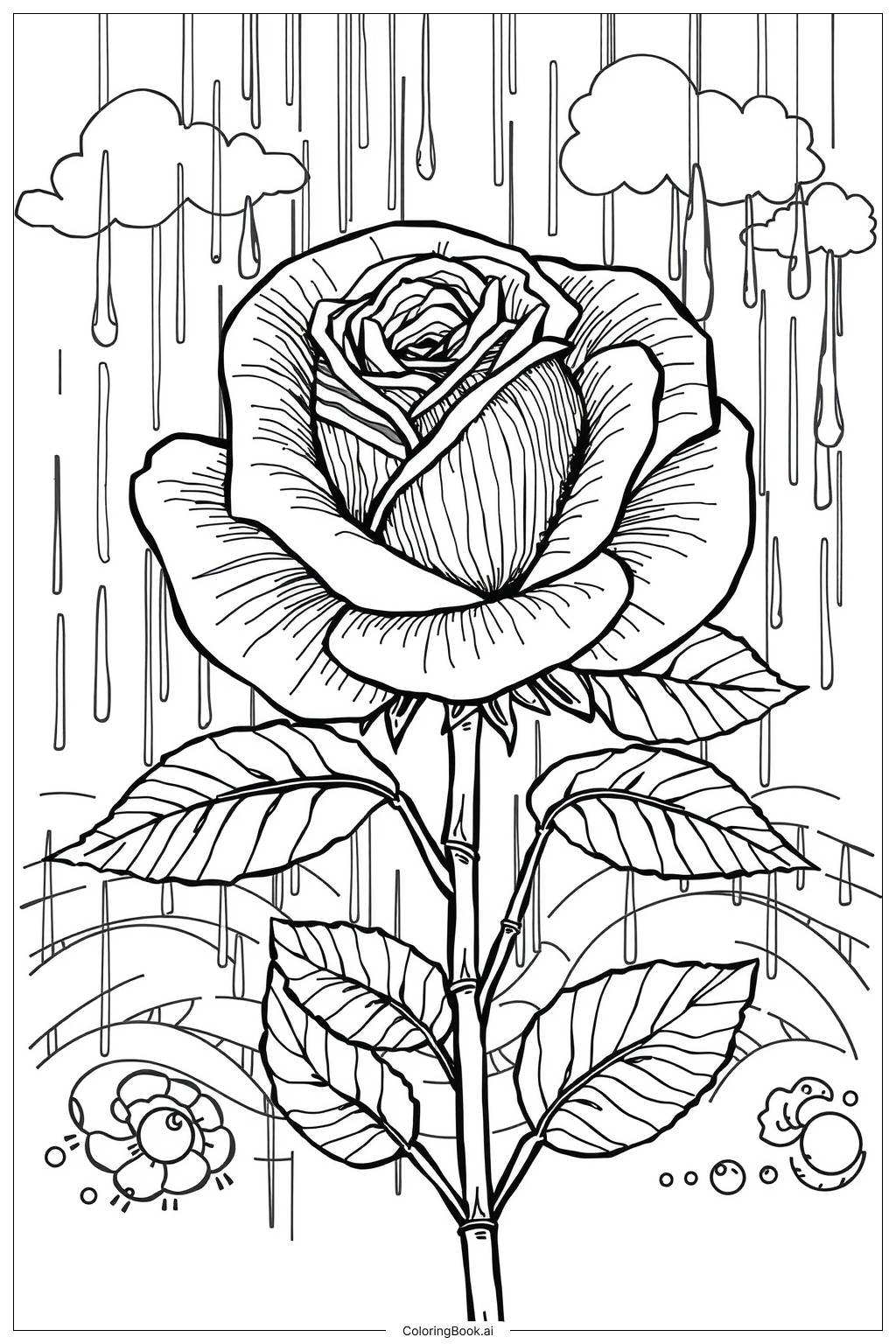
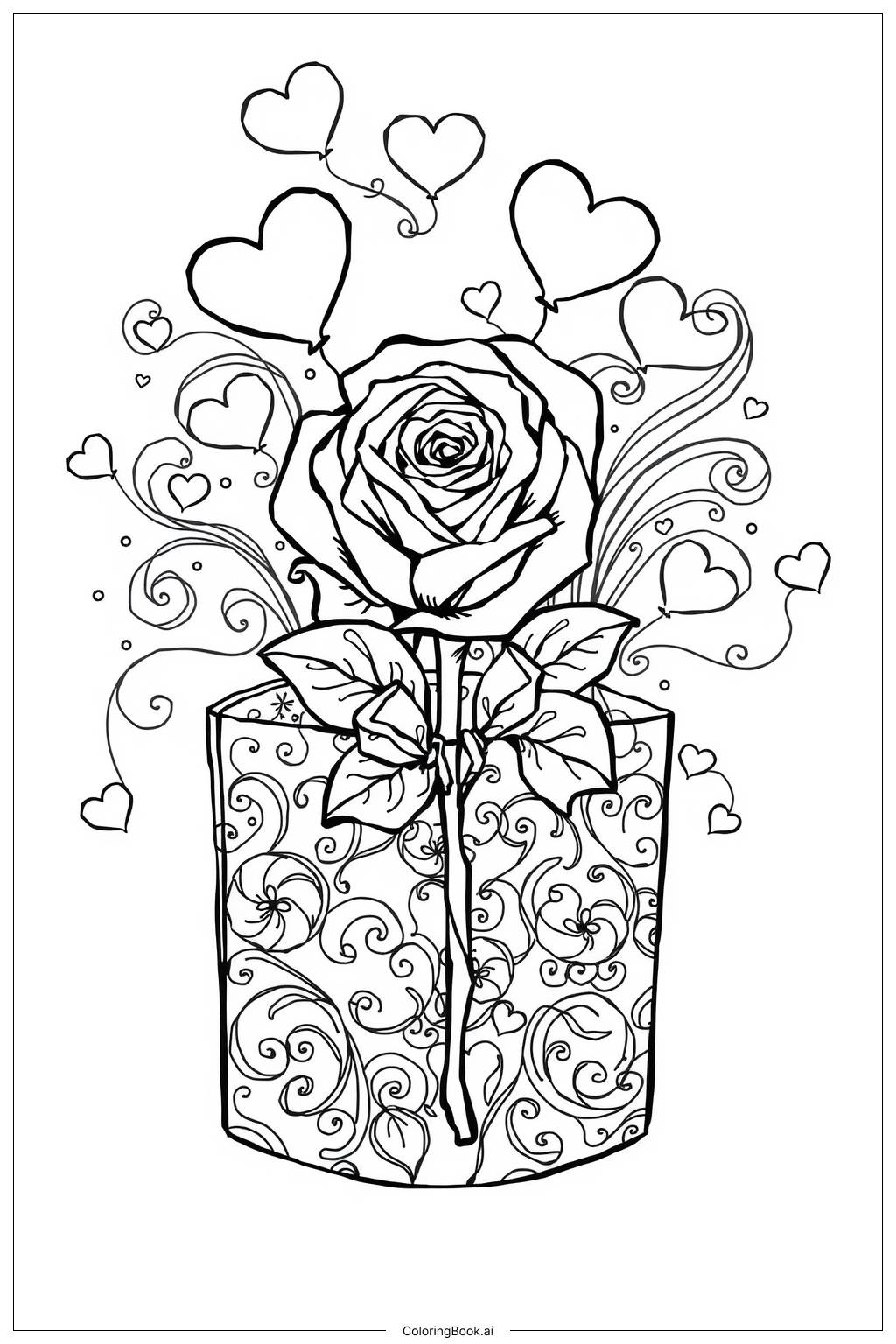
Start with the rose petals. Use shades of red or pink. Try a deep red at the edges and a lighter pink near the center. This gives the petals a soft, glowing look. For the leaves, use two shades of green. A darker green on the outer edges and a lighter green in the middle will make them look real. Color the stem with a medium green or olive tone. For the small hearts around the rose, use bright red or soft pink to keep the loving mood. You can also try purple or peach for a fun, creative twist. Use a light yellow or cream color in the very center of the bloom to add warmth. Work slowly and stay inside the lines. Light, gentle strokes work best. You can layer colors to make them richer and more vibrant. This is a great image for both beginners and anyone who loves coloring flowers.
Coloring challenges: Which parts are difficult to color and need attention for Simple Love Rose coloring page?
Coloring this Simple Love Rose page is a wonderful experience, but it does come with a few challenges worth knowing before you begin. Here are the main ones to watch out for:
• Petal Layering and Shading: The rose has multiple overlapping petals that curl and fold over one another. Keeping track of which petal is in front and which is behind can be tricky. You need to use slightly different shades on each layer to show depth. Without this, the petals may all blend together and look flat.
• Smooth Color Gradients: Creating a smooth transition from dark to light within each petal requires patience and a steady hand. If the color changes too sharply, the petals lose their soft, natural appearance. Blending takes practice, especially with crayons or colored pencils.
• Small Heart Details: The tiny hearts scattered around the rose are small and closely spaced. Filling them in neatly without going outside their outlines can be difficult, particularly for younger children or beginners. A fine-tipped tool works best here.
• Leaf Vein Definition: The leaves include thin vein lines that divide the surface into small sections. Coloring around these veins carefully while keeping the overall leaf color consistent is a delicate task. Rushing this step can make the veins disappear or look messy.
• Color Harmony Across the Whole Image: Choosing colors that work well together for the petals, leaves, stem, and hearts is an artistic challenge. If the colors clash, the image loses its romantic feel. Planning your color palette before you start is strongly recommended.
Benefits of coloring books: Advantages of drawing Simple Love Rose coloring page
Coloring this Simple Love Rose page offers many wonderful benefits for children and adults alike. Here is why picking up your colored pencils for this image is a great idea:
It builds focus and patience. Carefully filling in each petal and leaf helps train your mind to slow down and pay attention to detail. This is a valuable skill for everyday life.
It sparks creativity. Choosing your own color combinations for the petals, leaves, and hearts lets you express your personal style. There is no single right answer, which makes the process freeing and fun.
It reduces stress. The gentle, repetitive motion of coloring is known to calm the mind. Focusing on a beautiful rose design helps push away worries and brings a sense of peace.
It teaches color theory. Experimenting with light and dark shades on the petals introduces basic shading concepts in a hands-on, enjoyable way.
It builds fine motor skills. Staying inside the lines and coloring small details like the hearts and leaf veins strengthens hand coordination and control, which is especially beneficial for younger children.
It celebrates love and beauty. The rose is a timeless symbol of affection. Coloring it is a creative way to connect with that feeling, making it a perfect activity for Valentine's Day, a gift, or simply a joyful afternoon project.