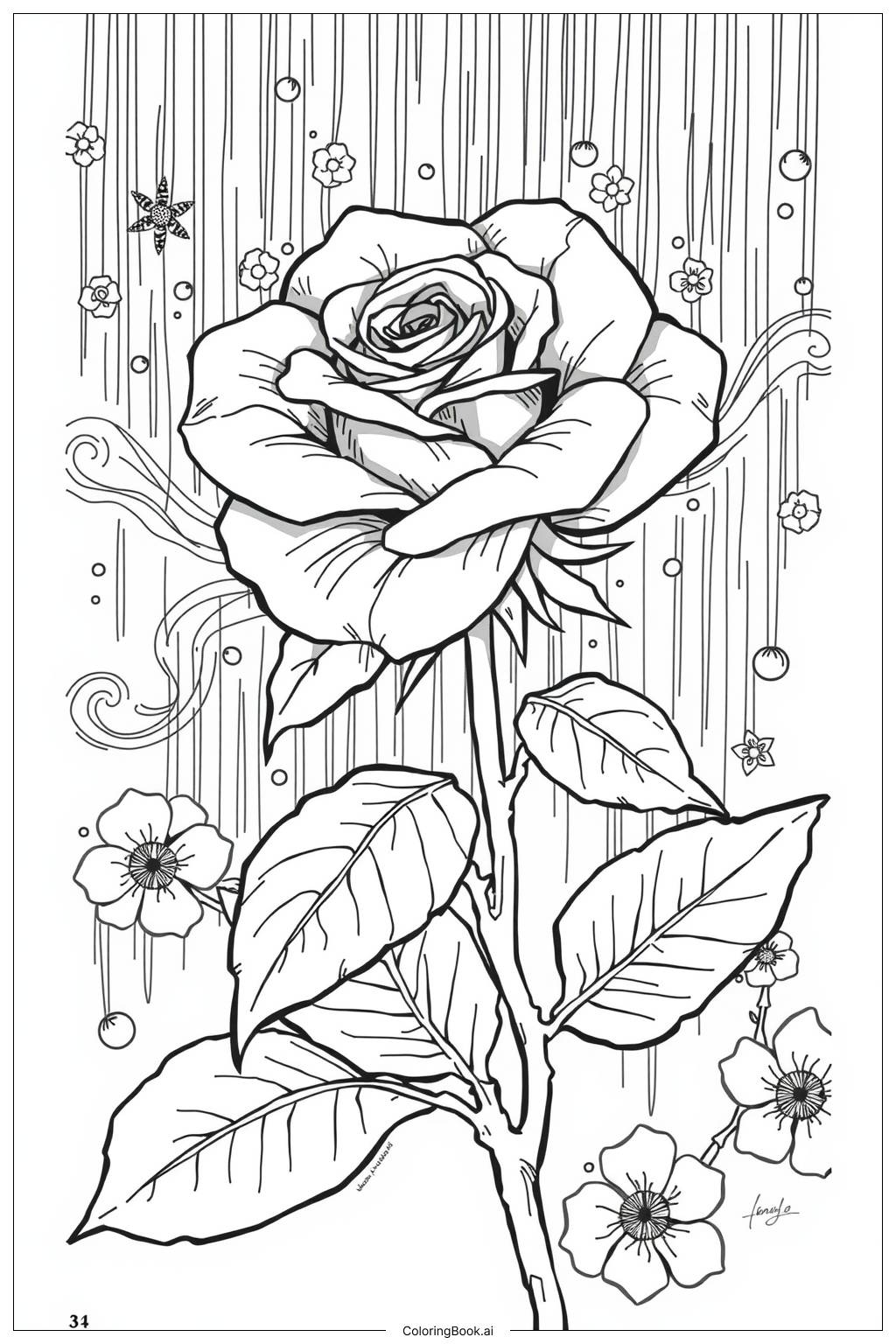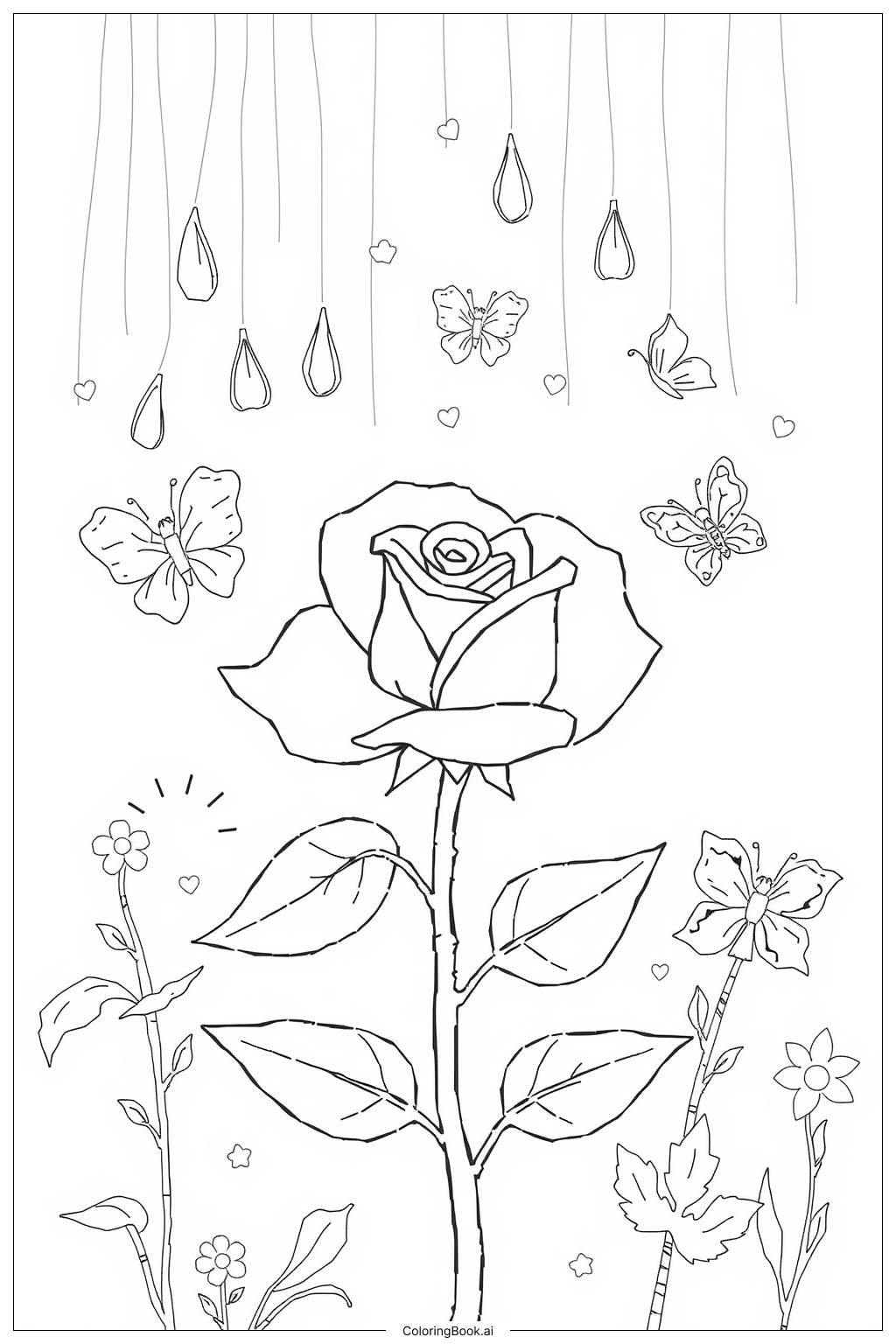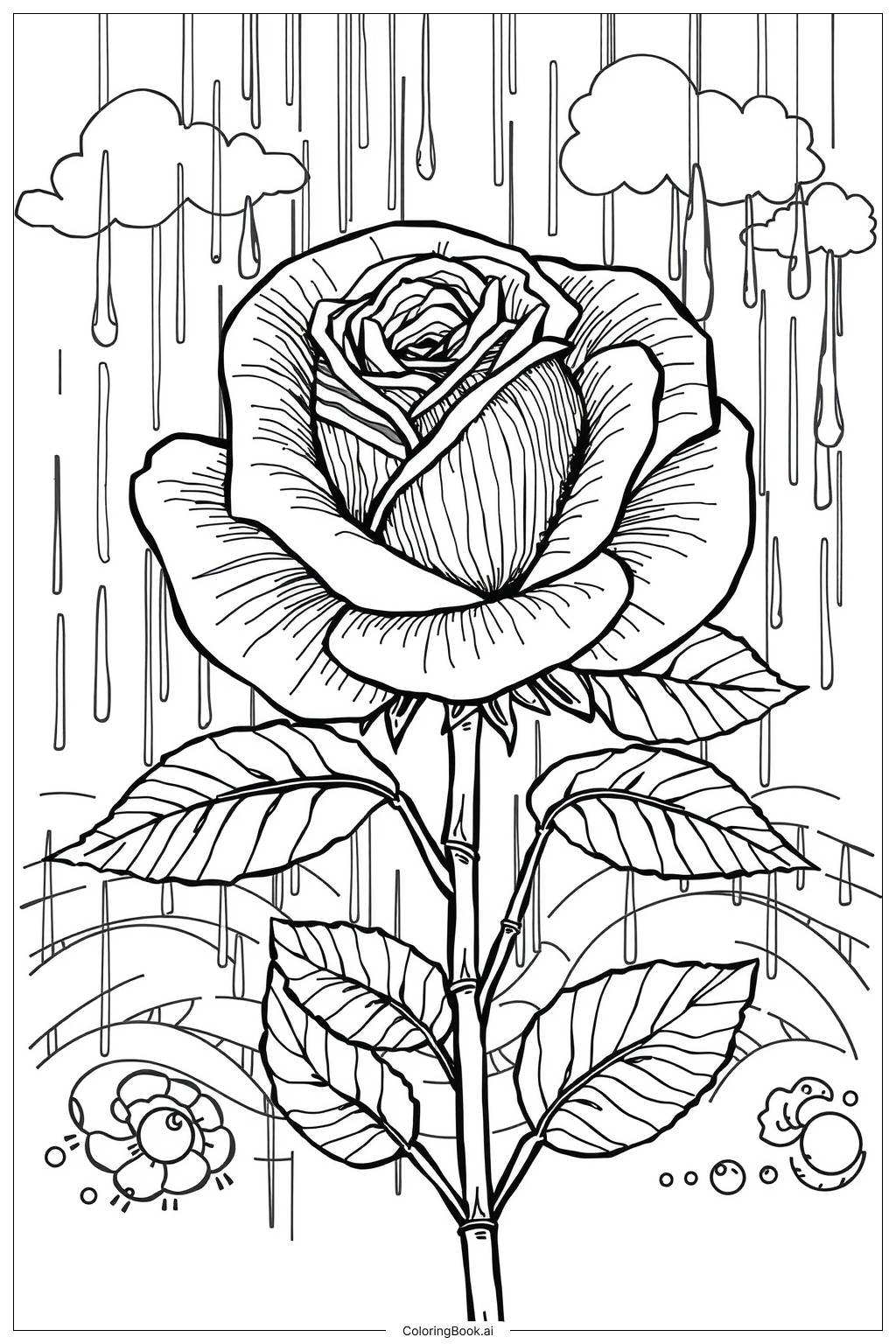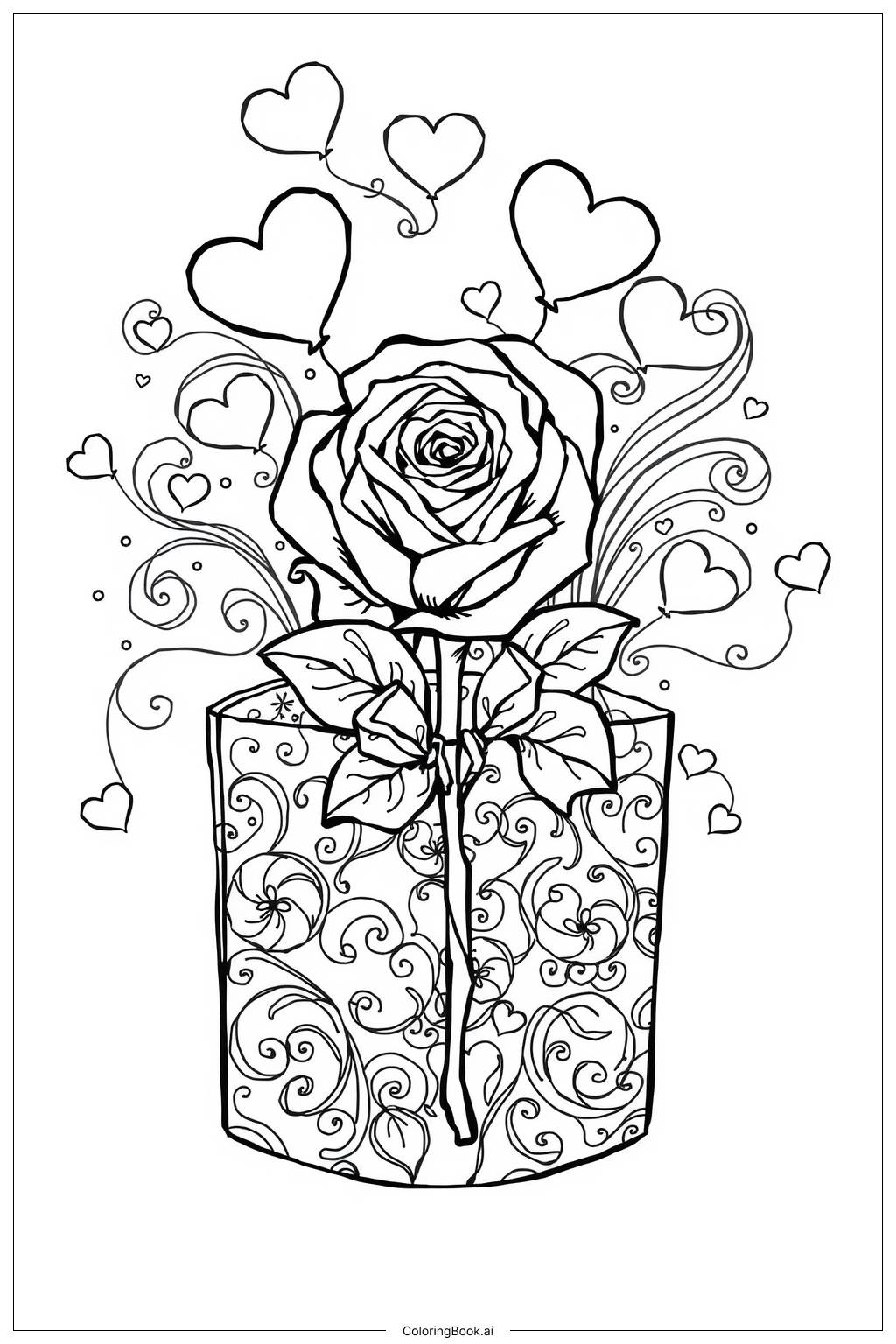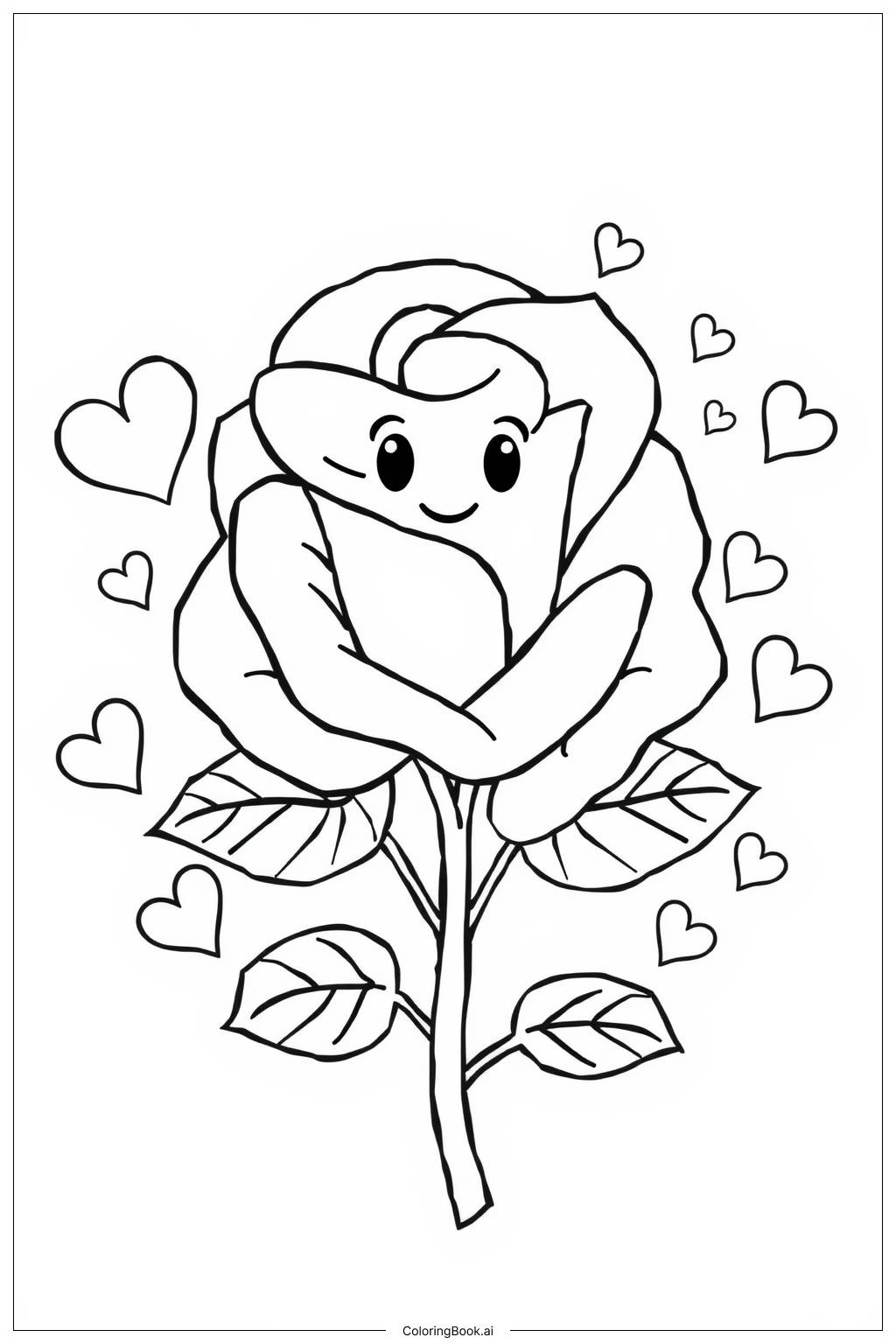
Coloring tips: How to color Rose Tattoo Art coloring page well?
Start with the rose petals using deep reds or hot pinks for a classic tattoo look. Add darker shading along the inner curves of each petal to give them dimension. Use a slightly lighter shade or pale pink for the petal edges to create a natural highlight effect. Color the leaves in rich greens, mixing darker green on one side and lighter green on the other to show depth. The stems and thorns look great in olive green or dark brown. If there is a banner, try golden yellow or warm cream. For a bold traditional tattoo style, keep the outlines thick and use saturated, high-contrast colors. You can also try a more modern look with watercolor-style blending using soft gradients. Black or deep navy shading in the shadow areas adds a dramatic, inked feel. Have fun mixing colors to make your rose tattoo design truly unique.
Coloring challenges: Which parts are difficult to color and need attention for Rose Tattoo Art coloring page?
• Petal Layering and Depth: The rose has many overlapping petals, each with curved edges and fold lines. Keeping each petal visually separate while making them look like part of one flower is tricky. You need to use slightly different shades of the same color on neighboring petals so they do not blend together and lose their shape.
• Shading Within Curved Forms: Traditional tattoo art relies heavily on shading to give flat line art a three-dimensional look. Deciding where to place light and shadow on round petal surfaces requires careful observation. Coloring too evenly will make the petals look flat, while uneven or random shading may look messy.
• Small Leaf and Stem Details: The leaves and stems include thin veins, thorns, and fine edge lines. These tiny areas are hard to color neatly, especially near the borders. Using a sharp pencil tip or a fine-tipped marker helps keep color inside the lines without muddying the details.
• Consistent Color Temperature: Keeping a consistent warm or cool color tone throughout the whole piece helps the design feel unified. Mixing warm reds with cool blues without intention can make the image look disconnected. Planning your full color palette before you begin makes this easier to manage.
• Banner or Lettering Areas: If the design includes a decorative banner, filling it with a flat, even color while leaving enough contrast against the surrounding petals and leaves takes patience. The banner sits close to other elements, so steady hand control is important to avoid color bleeding into adjacent sections.
Benefits of coloring books: Advantages of drawing Rose Tattoo Art coloring page
Coloring this Rose Tattoo Art page offers a wide range of benefits for kids and teens alike. Working through the detailed petals and leaves helps build fine motor skills and improves hand-eye coordination. Choosing colors and planning a palette encourages creative thinking and personal expression. Kids learn about color theory naturally as they experiment with shading and contrast.
The repetitive, focused nature of coloring promotes mindfulness and helps reduce stress. Sitting quietly and working on a complex design builds patience and the ability to concentrate for longer periods of time.
Because this design is inspired by tattoo art, it also sparks curiosity about art history, illustration styles, and visual culture. Teens especially may find it exciting to explore the bold, graphic style of traditional American tattooing through a safe and creative activity.
Completing a detailed page like this gives a strong sense of accomplishment. Seeing a finished, colorful piece of art that you created yourself builds confidence and motivates continued creative practice. Whether colored with pencils, markers, or watercolors, this page is a rewarding and enriching experience for young artists at any skill level.