Coloring tips: How to color Rose Butterfly Garden coloring page well?
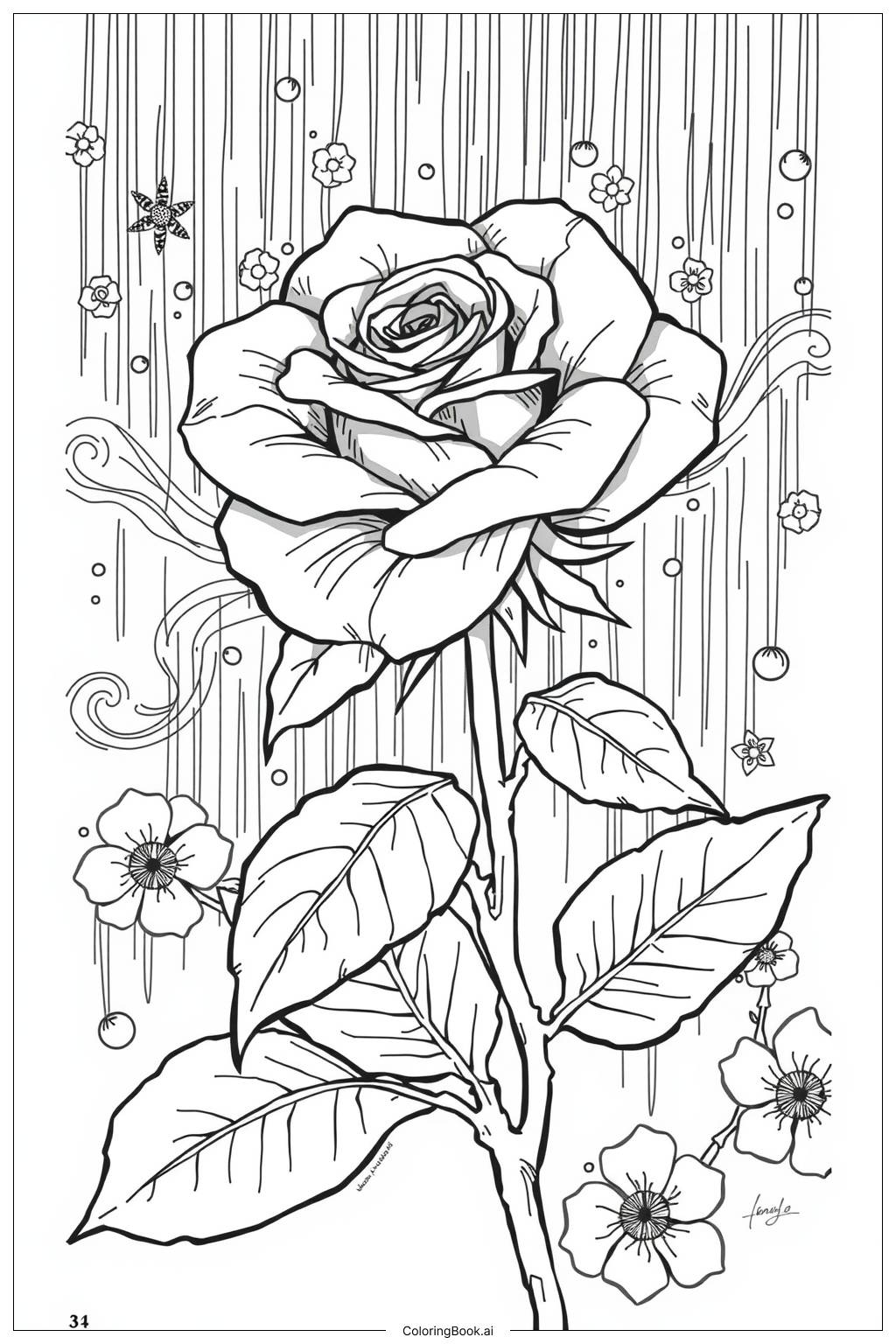
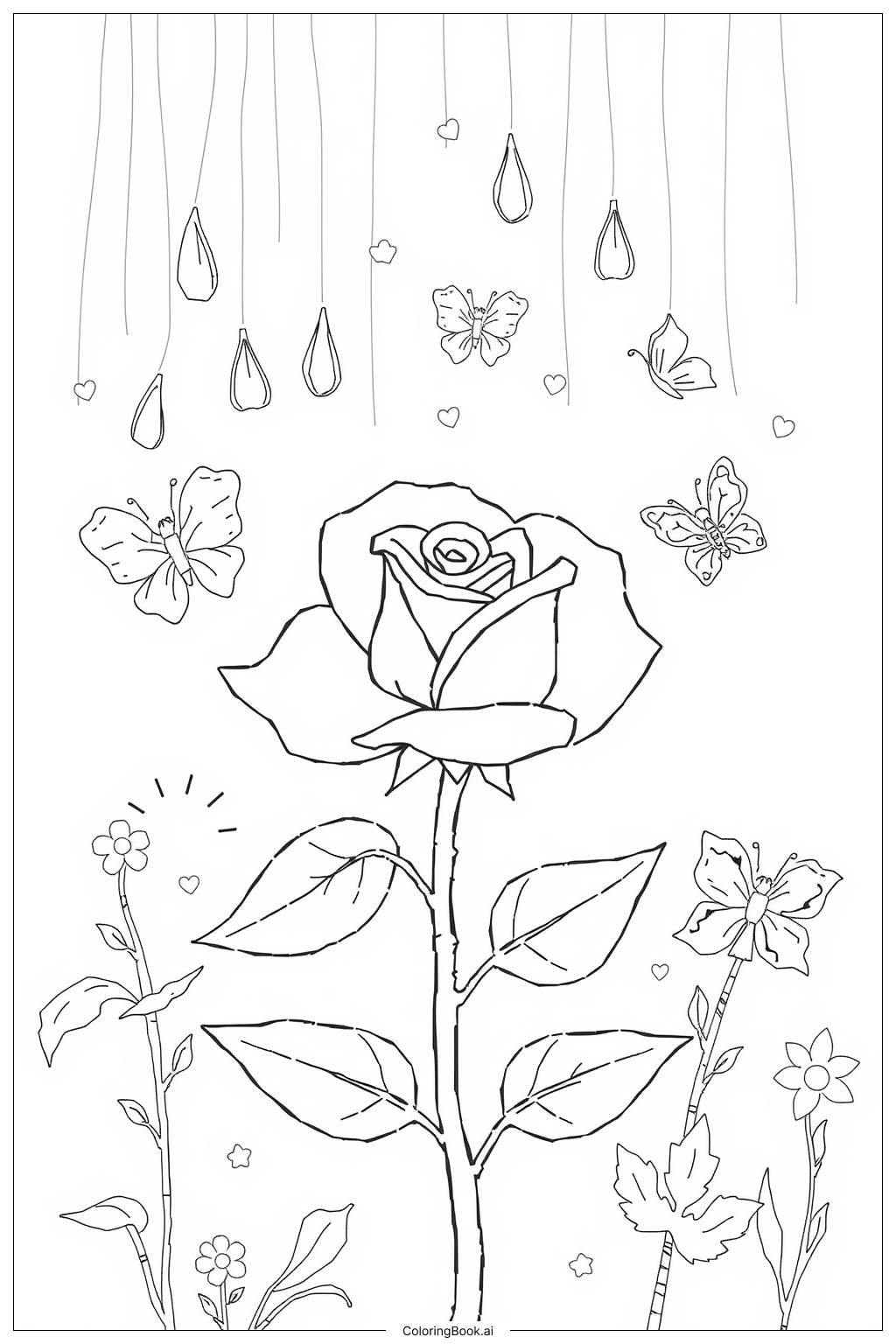
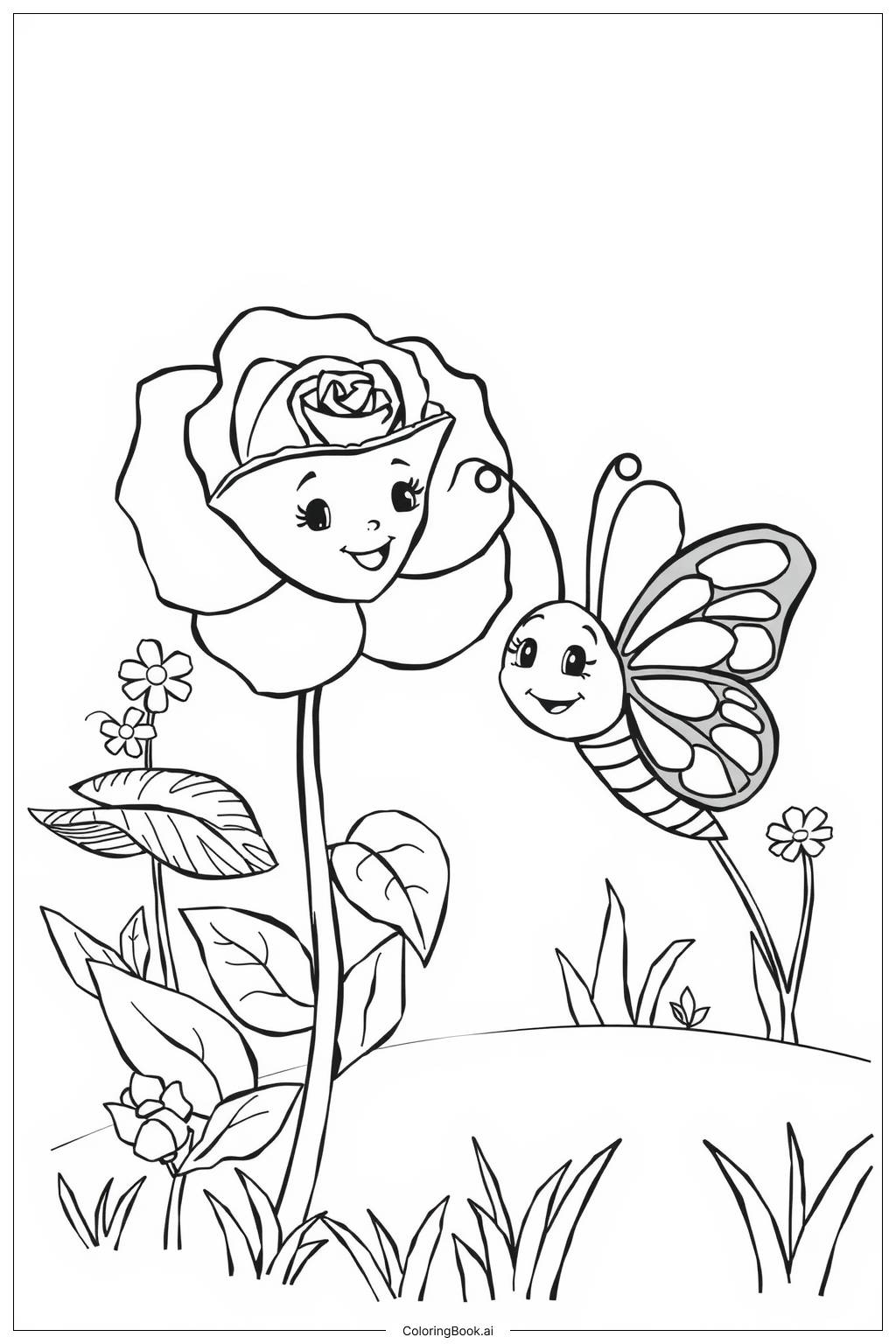
Start with the roses. Use classic reds and pinks, or try something unexpected like peach, coral, or lavender. Add a second, lighter shade to the inner petals to give them a soft glow. For the butterflies, have fun mixing bold and bright colors. Orange and black work beautifully, but purple and gold or blue and white are just as striking. Make each butterfly different to keep the scene lively. Color the leaves in different shades of green — light green for newer leaves and darker green for older ones. Use a pale yellow or soft green for unopened buds. For the background, a light sky blue or warm cream will make all the other colors pop. Take your time on the small details inside the butterfly wings — even simple dots and lines in a contrasting color can make them look amazing.
Coloring challenges: Which parts are difficult to color and need attention for Rose Butterfly Garden coloring page?
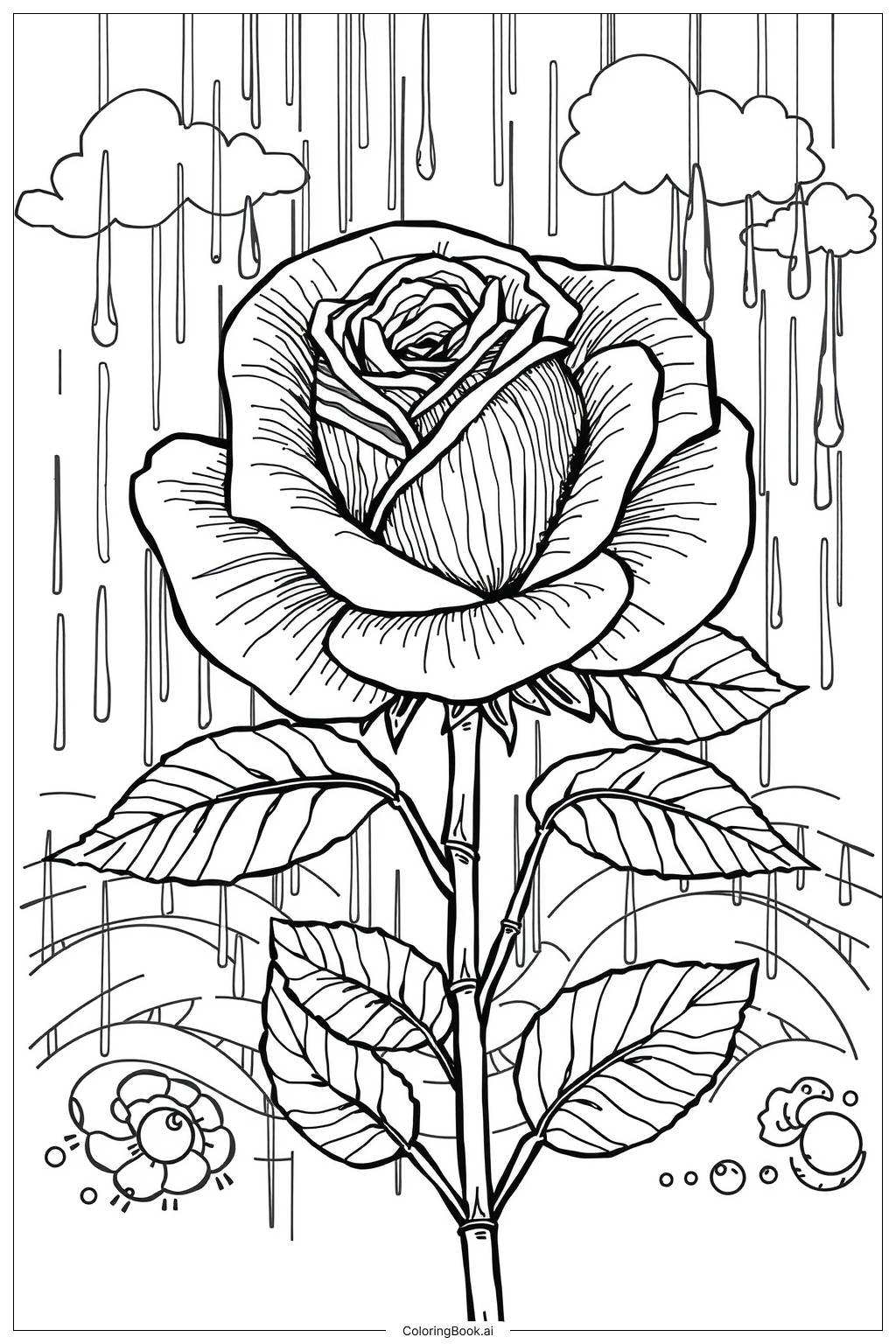
• Rose Petal Layers: Roses have many overlapping petals that curve and fold over one another. Keeping each petal distinct while blending smoothly from light to dark can be tricky. You need to decide where the light is coming from and stay consistent as you shade each layer outward from the center.
• Butterfly Wing Patterns: The wings of each butterfly contain fine, symmetrical designs including veins, spots, and borders. Coloring both wings to match each other evenly takes patience and a steady hand. Using thin markers or sharp colored pencils helps keep the small shapes clean and precise.
• Color Variety Across the Scene: Because the image has many roses and several butterflies, it is easy for the scene to look repetitive. Choosing a different color palette for each flower and each butterfly, while still keeping the whole image looking balanced, is a real creative challenge that requires some planning before you begin.
• Leaf and Vine Details: The leaves and vines have veins and layered edges that need careful attention. Simply coloring them all one flat shade of green can make the garden feel flat. Using at least two shades of green and leaving thin highlights along the veins adds realism and life to the foliage.
• Small Spaces and Fine Lines: Some areas of this image, particularly inside the butterfly wings and between tightly packed petals, have very small spaces. Staying within the lines in these areas requires a fine-tipped tool and slow, deliberate strokes to avoid smudging or going outside the intended area.
Benefits of coloring books: Advantages of drawing Rose Butterfly Garden coloring page
Coloring this Rose Butterfly Garden page offers a wonderful mix of fun and learning for kids and adults alike. For younger children, filling in the large rose petals helps build hand control and teaches them how to stay within lines, which strengthens the fine motor skills they need for writing. Choosing colors for each flower and butterfly also encourages creative thinking and builds confidence in making decisions.
For older kids and teens, the detailed butterfly wing patterns and layered rose petals offer a satisfying challenge. Working through these details teaches patience and focus, skills that carry over into schoolwork and everyday life.
For adults, this kind of nature-themed coloring is a proven way to reduce stress and anxiety. Concentrating on a calming garden scene quiets busy thoughts and brings a sense of mindfulness, similar to meditation. It is a healthy, screen-free way to unwind after a long day.
Across all ages, this image sparks an appreciation for the natural world. Learning to observe the shapes of petals and the patterns on butterfly wings encourages curiosity about nature. It is also a great activity to enjoy with family, where everyone can share colors and compare their finished pages. The result is always something beautiful and personal.