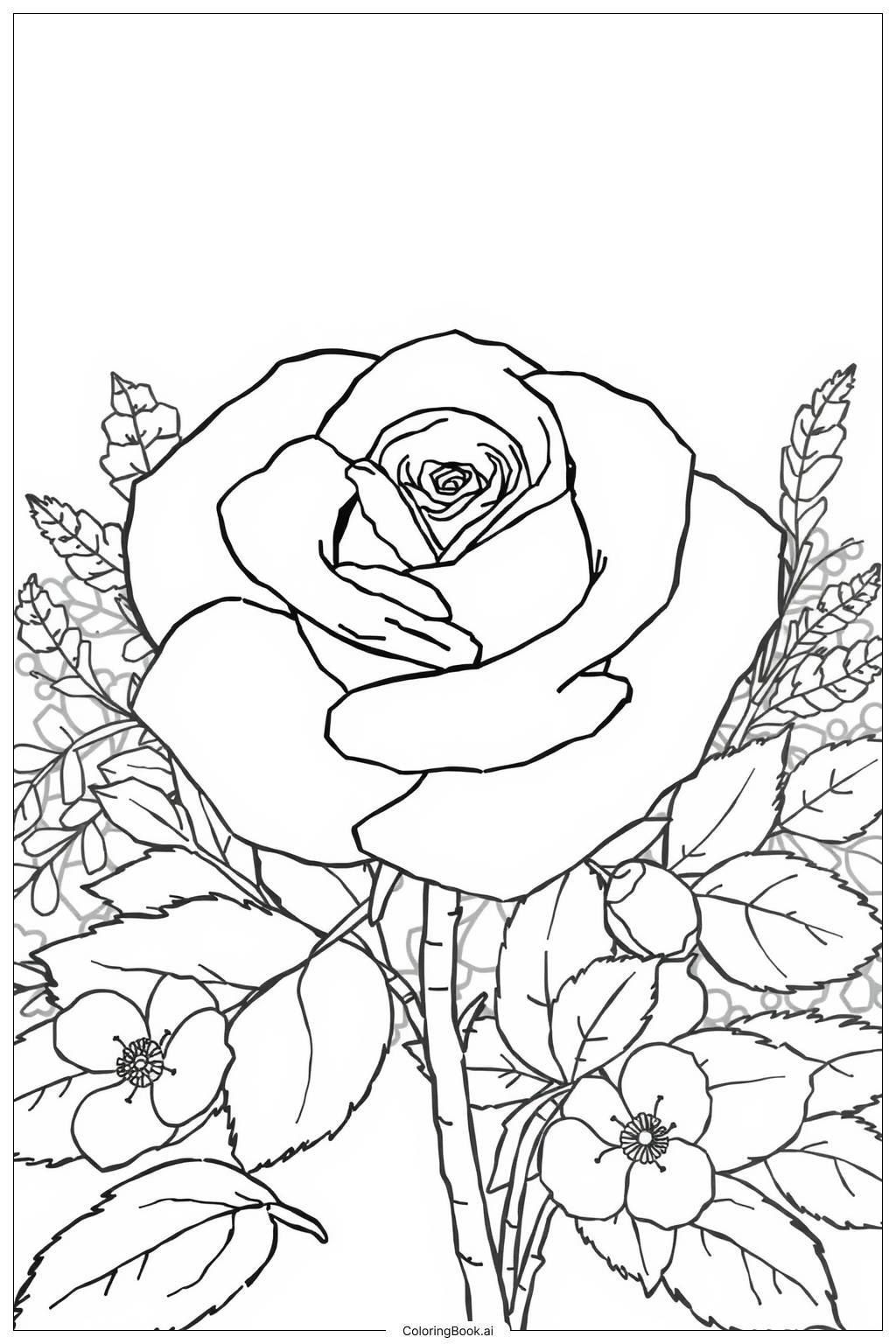
Coloring tips: How to color Realistic Rose Study-2 coloring page well?
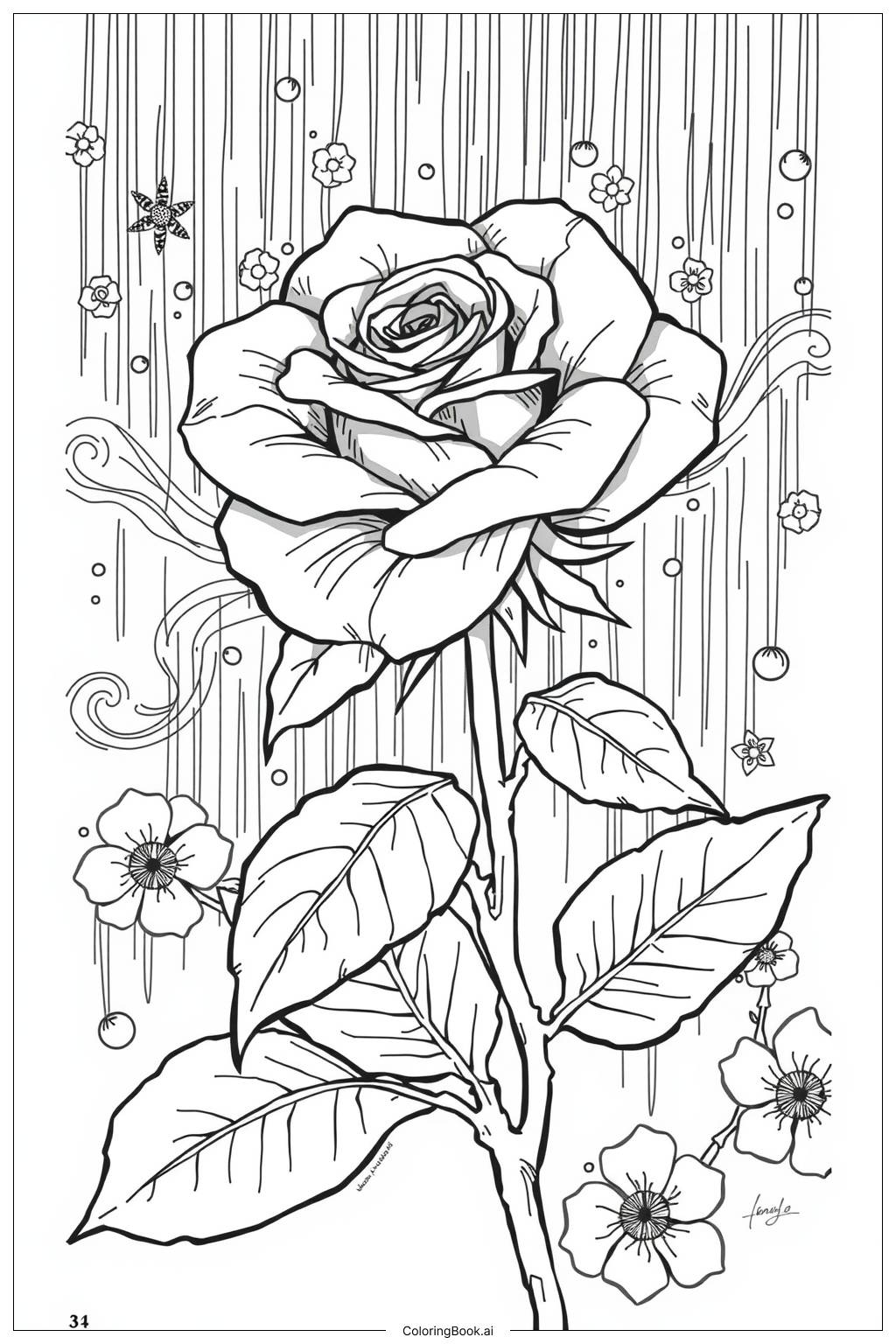
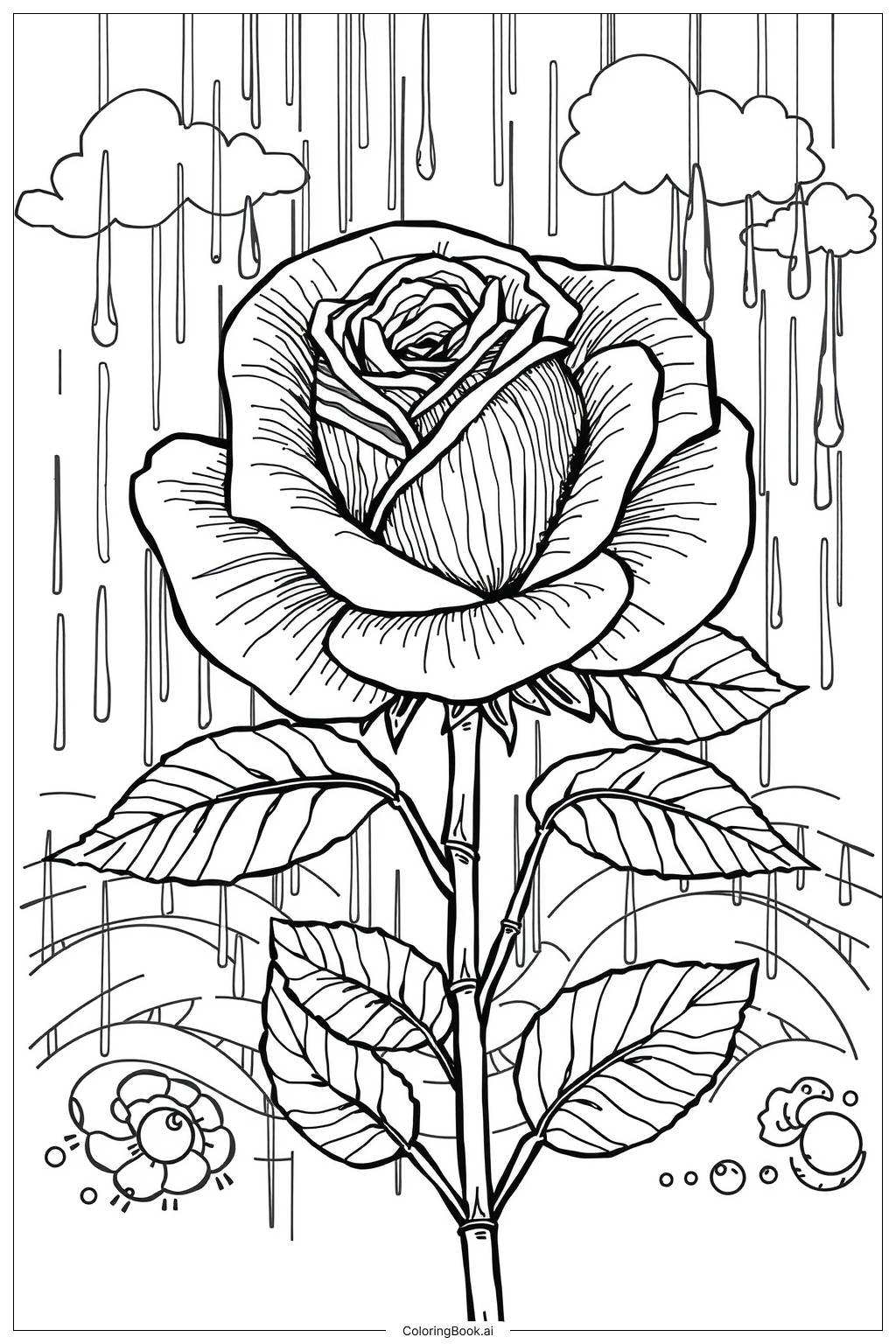
Start with the rose petals using shades of red, pink, or coral. Use a lighter color in the center of each petal and gradually deepen the tone toward the edges. This creates a natural, three-dimensional look. You can also try blending two colors together, like light pink and deep rose, for a soft gradient effect. For the leaves, use different shades of green. Make the top surface of each leaf darker and the underside lighter. Color the veins with a slightly lighter green to make them stand out. The stem can be done in medium green with a hint of brown near the base. Add a touch of gray or dark brown to the thorns. If you want a dramatic look, try a deep red or burgundy for the petals. For a softer feel, pale pink or peach works beautifully. Take your time with each petal and enjoy the process.
Coloring challenges: Which parts are difficult to color and need attention for Realistic Rose Study-2 coloring page?
Coloring this realistic rose comes with several challenges that require patience and attention to detail. Here are the key areas to keep in mind:
• Petal Shading and Gradients: The rose has many overlapping petals, each with its own curves and folds. Creating smooth gradients from light to dark across each petal is tricky. You need to blend colors carefully so the transitions look natural and not patchy. Rushing this step can make the petals look flat.
• Depth and Layering: The petals overlap in complex ways. The petals in the background should be darker to show they are farther away, while the front petals should be lighter and brighter. Getting this layering right requires careful observation and planning before you start coloring.
• Leaf Vein Details: The leaves have fine, intricate veins running through them. Coloring around these thin lines without covering them takes a steady hand. Using a sharp colored pencil or a fine-tipped marker helps preserve the vein details.
• Stem and Thorn Textures: The stem is thin and has small thorns attached to it. Coloring such a narrow area cleanly without going outside the lines is a challenge, especially for younger colorists. A fine tip tool is recommended here.
• Realistic Color Choices: Choosing the right colors to make the rose look realistic rather than cartoonish can be difficult. Natural roses have subtle color variations within a single petal, and capturing that complexity takes practice and a good range of coloring tools.
Benefits of coloring books: Advantages of drawing Realistic Rose Study-2 coloring page
Coloring this realistic rose page offers many wonderful benefits for both kids and Adults. Here is why it is worth your time:
It builds focus and patience. Each petal and leaf requires careful attention, helping you practice staying calm and concentrated for longer periods.
It develops fine motor skills. Working within the detailed lines of the petals, leaves, and stem improves hand control and precision. This is especially helpful for younger children still developing their coordination.
It encourages creativity. Choosing your own color combinations lets you express yourself freely. There is no single right answer, so you feel empowered to make your own artistic choices.
It teaches color theory in a fun way. Blending shades and creating gradients helps you understand how light and shadow work, which is a valuable skill in art and design.
It reduces stress and anxiety. Focusing on a beautiful, calming image like a rose helps quiet busy thoughts. Many people find coloring to be a peaceful and meditative activity after a long day.
It builds confidence. Completing a detailed and realistic image like this gives a strong sense of accomplishment. Every finished page is something to be proud of and enjoy.