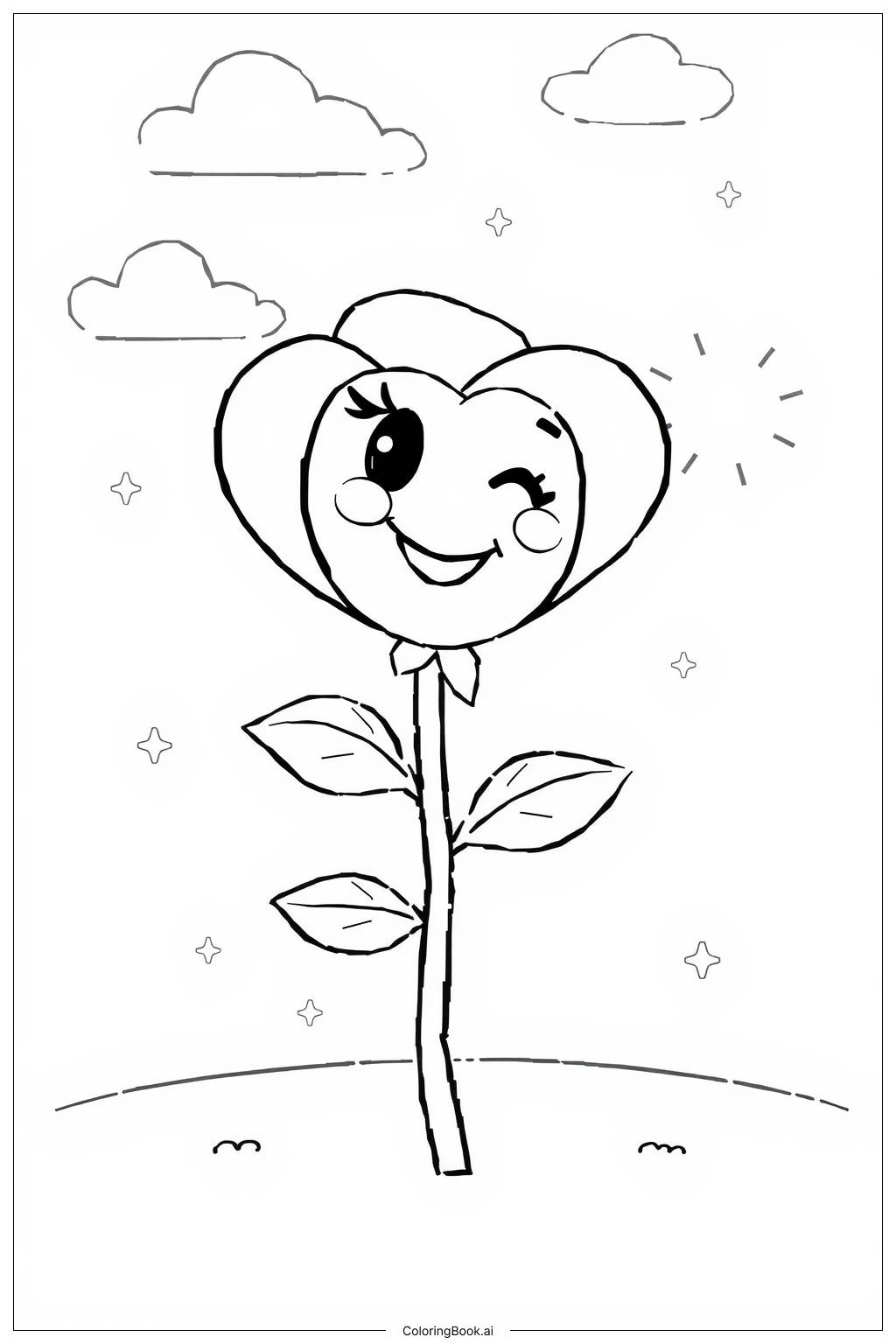
Coloring tips: How to color Easy Rose Heart coloring page well?
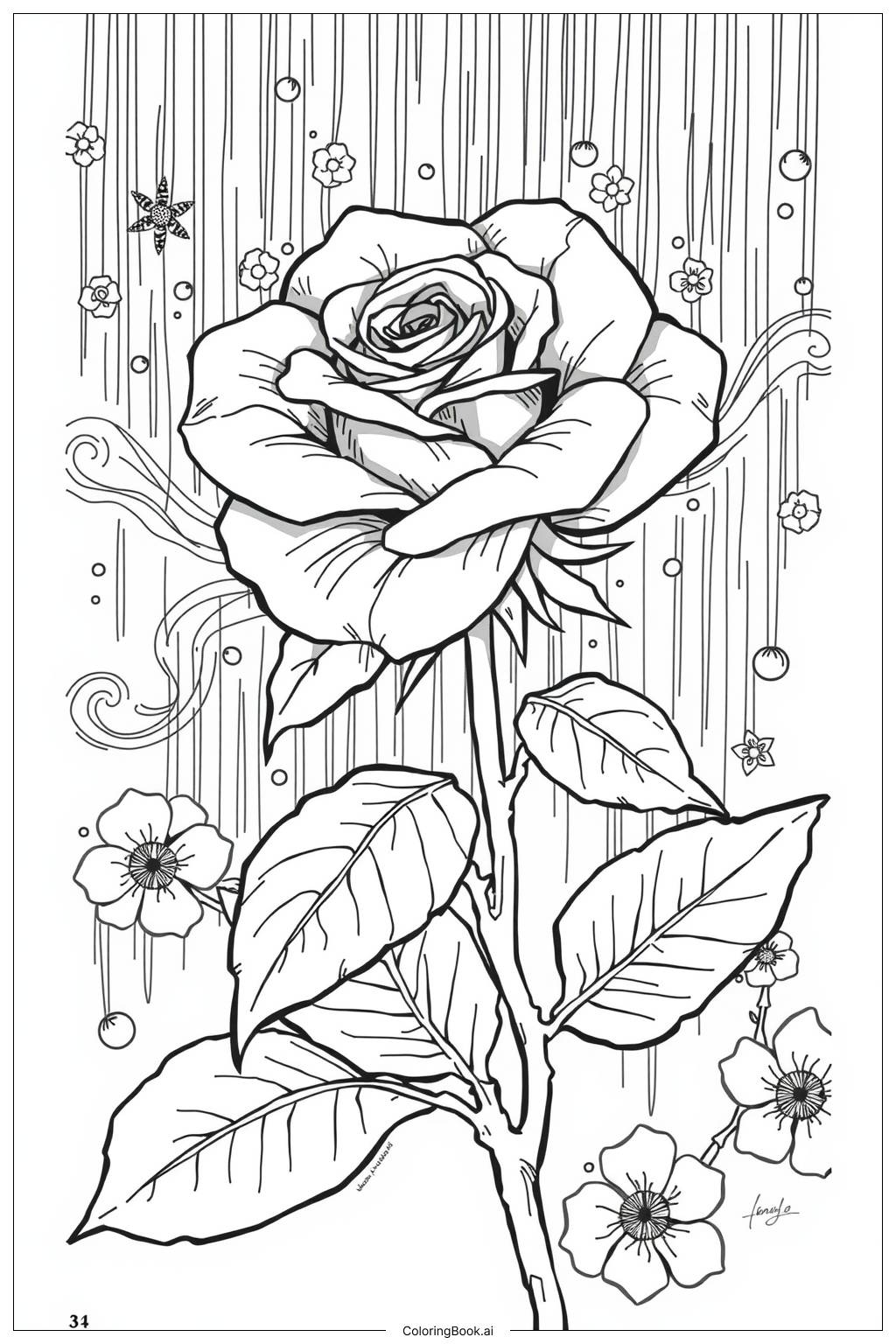
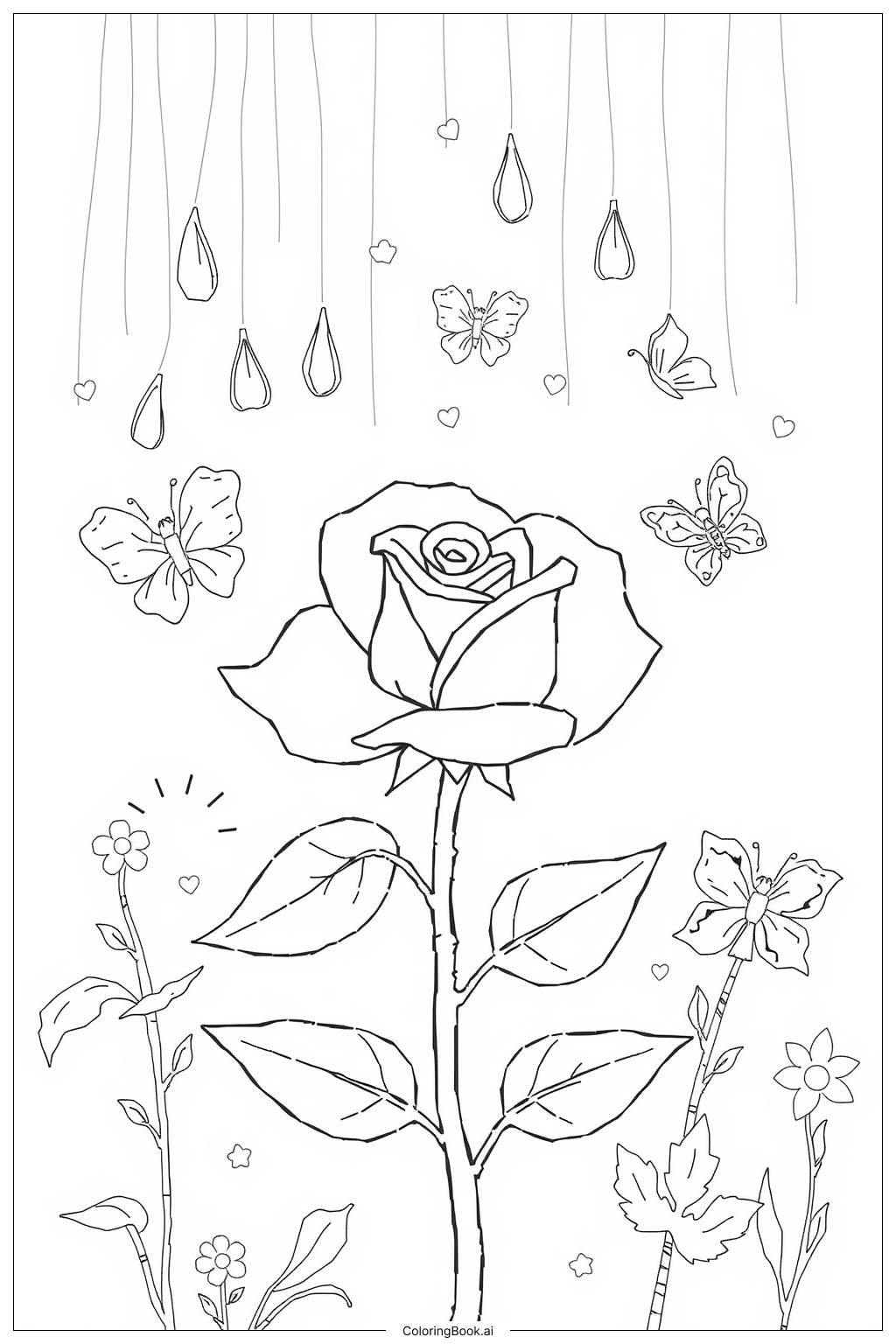
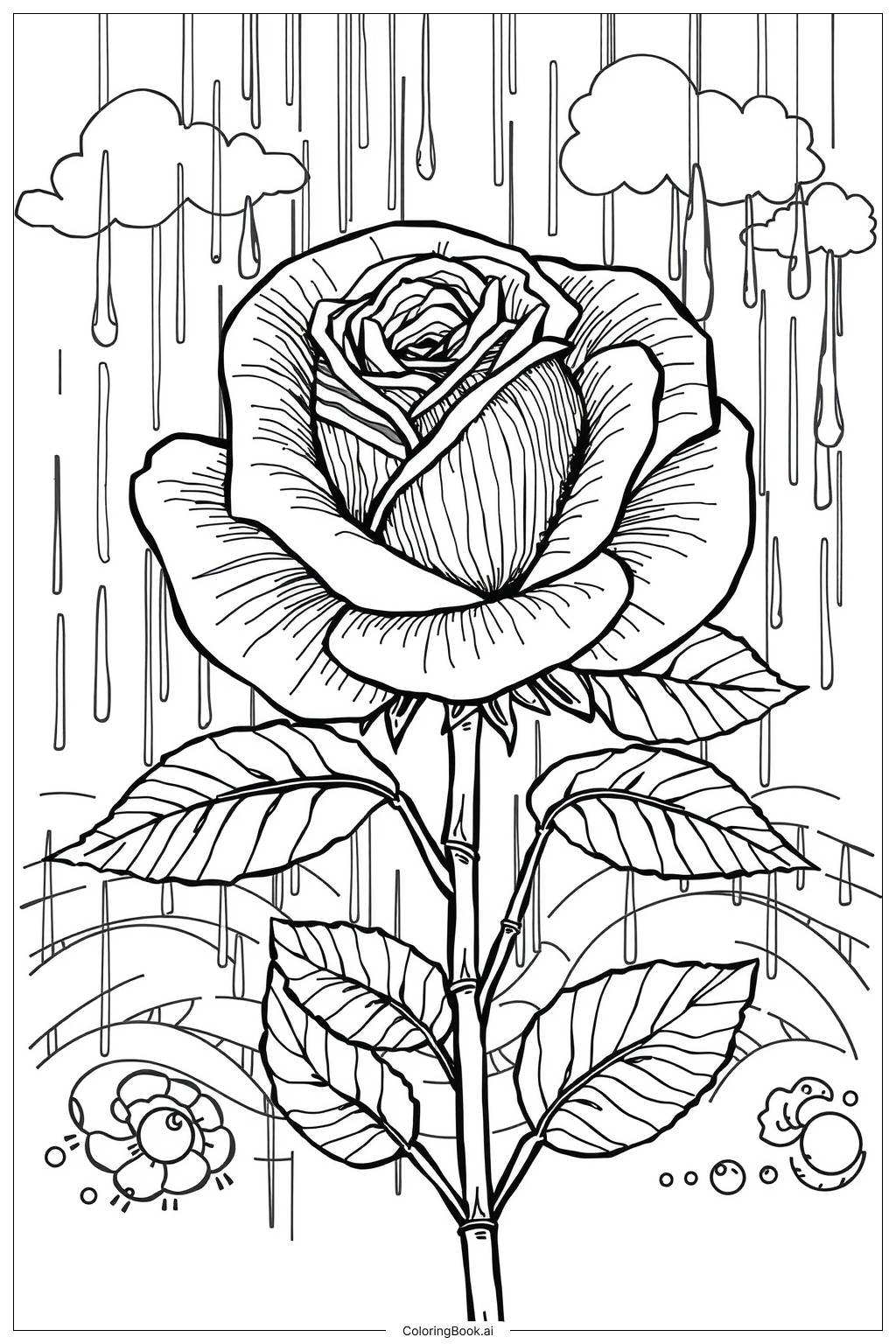
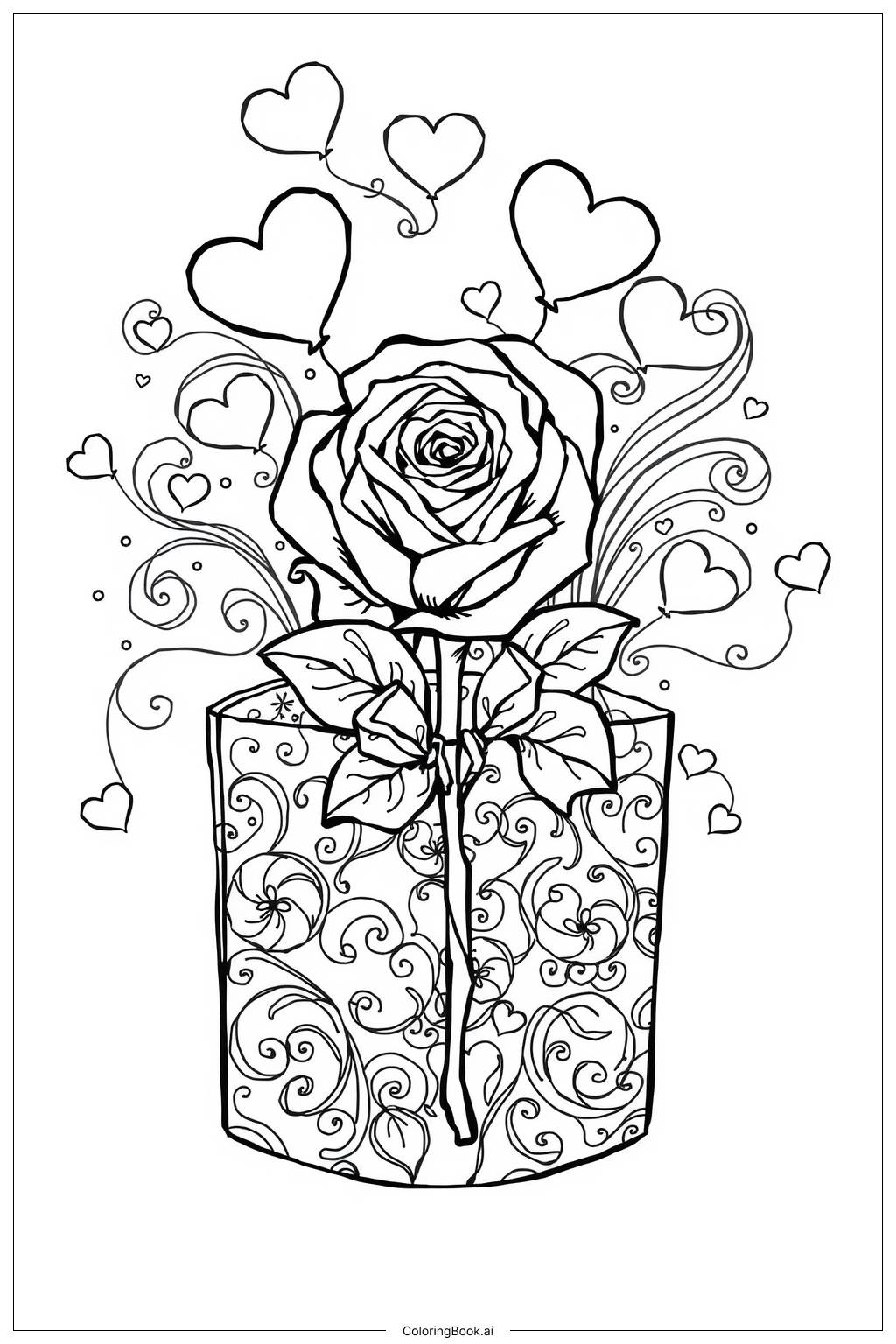
Start with the rose petals at the center of the heart. Use a deep red or hot pink for the innermost petals, then gradually shift to a lighter shade like pale pink or soft coral as you move outward. This creates a natural gradient that adds depth to the bloom. For the leaves and small buds, choose a fresh medium green or add variation with a yellow-green for younger leaves. You can also try a warm cream or peach for the petals if you want a softer, dreamier look. Use a light hand with your coloring tool to blend smoothly between shades. Leave the heart outline itself slightly lighter to make the rose stand out. This image works beautifully with colored pencils, crayons, or watercolor paints. Take your time with each petal and enjoy the process!
Coloring challenges: Which parts are difficult to color and need attention for Easy Rose Heart coloring page?
• Petal Layering: The rose petals overlap in multiple layers, making it tricky to decide which petals sit on top and which ones are tucked underneath. You need to choose slightly different shades for each layer so the depth of the flower reads clearly. If all petals are the same color, the design can look flat and lose its beautiful spiral shape.
• Small Bud Details: The tiny buds along the edges of the heart are quite small, with narrow sections that are easy to color outside of. Young colorists or beginners may find it hard to stay within these tight lines. Using a sharpened pencil or a fine-tipped marker works best for these areas.
• Smooth Color Transitions: Creating a smooth gradient from dark to light across the petals takes patience and a gentle touch. If the color changes too abruptly, the petals can look uneven or patchy. Blending slowly in small circular strokes helps achieve a more natural, flowing result.
• Leaf and Stem Contrast: The leaves and stems sit close to the rose petals, so choosing the right green shade is important. If the green is too similar in tone to the pink or red petals, the leaves can get lost in the design. Picking a slightly cool or muted green helps the foliage stand apart from the warm flower tones.
• Heart Outline Balance: The outer heart shape needs to feel unified even though it is made up of petals and leaves. Keeping the colors within the heart slightly warmer and more saturated than any background color helps the heart shape remain clear and visually strong.
Benefits of coloring books: Advantages of drawing Easy Rose Heart coloring page
Coloring this Easy Rose Heart page offers a wonderful mix of fun and learning for kids and beginners alike. Because the lines are bold and the shapes are clearly defined, it builds confidence in young colorists who are still developing their fine motor skills. Staying within the petal outlines takes focus and steady hand movements, which strengthens hand-eye coordination over time.
Choosing colors for the petals, leaves, and buds also sparks creativity. Kids get to experiment with different color combinations and discover what looks beautiful to them, nurturing their personal sense of style and artistic expression.
The calming, repetitive motion of filling in each petal one by one is also great for relaxation. It helps children slow down, breathe, and focus on a single task, which can reduce stress and improve concentration both in and out of the classroom.
For older kids and teens, the layering challenge of the petals introduces basic concepts of shading and depth, giving them an early taste of more advanced art techniques. Adults will find the design meditative and satisfying to complete.
Overall, this rose heart page is a simple yet rewarding activity that encourages patience, creativity, and a love of art at any age.