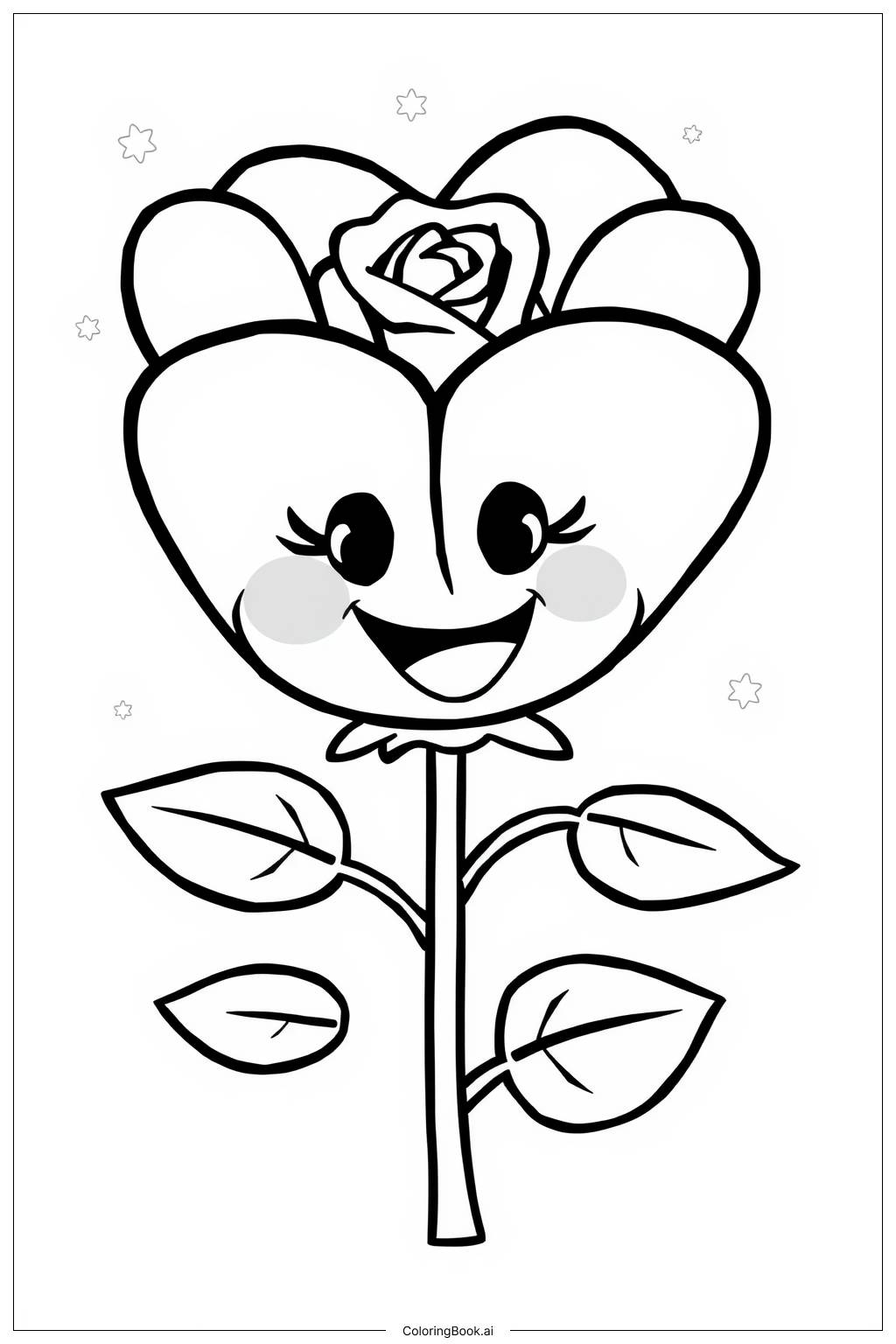
Coloring tips: How to color Easy Rose Heart coloring page well?
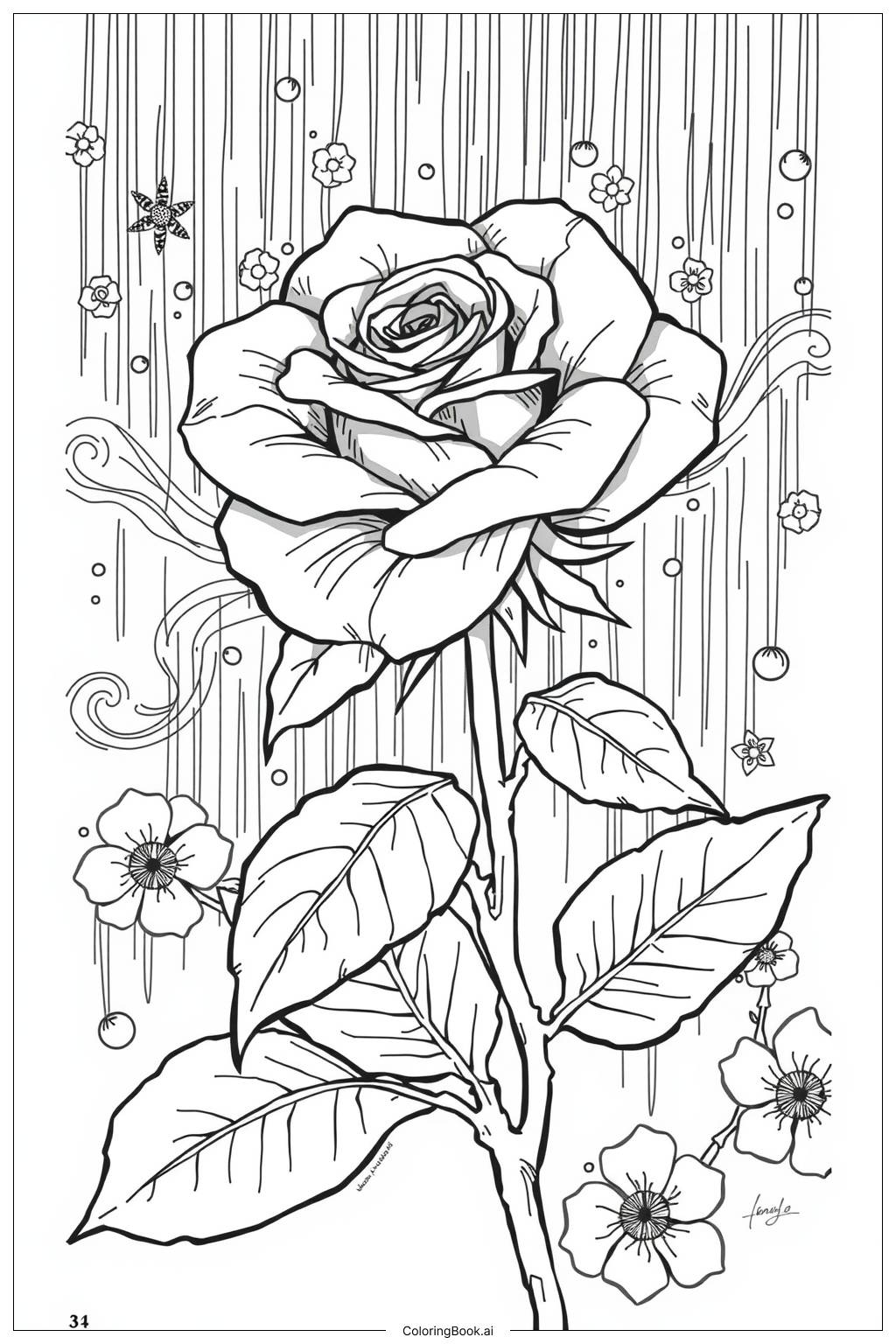
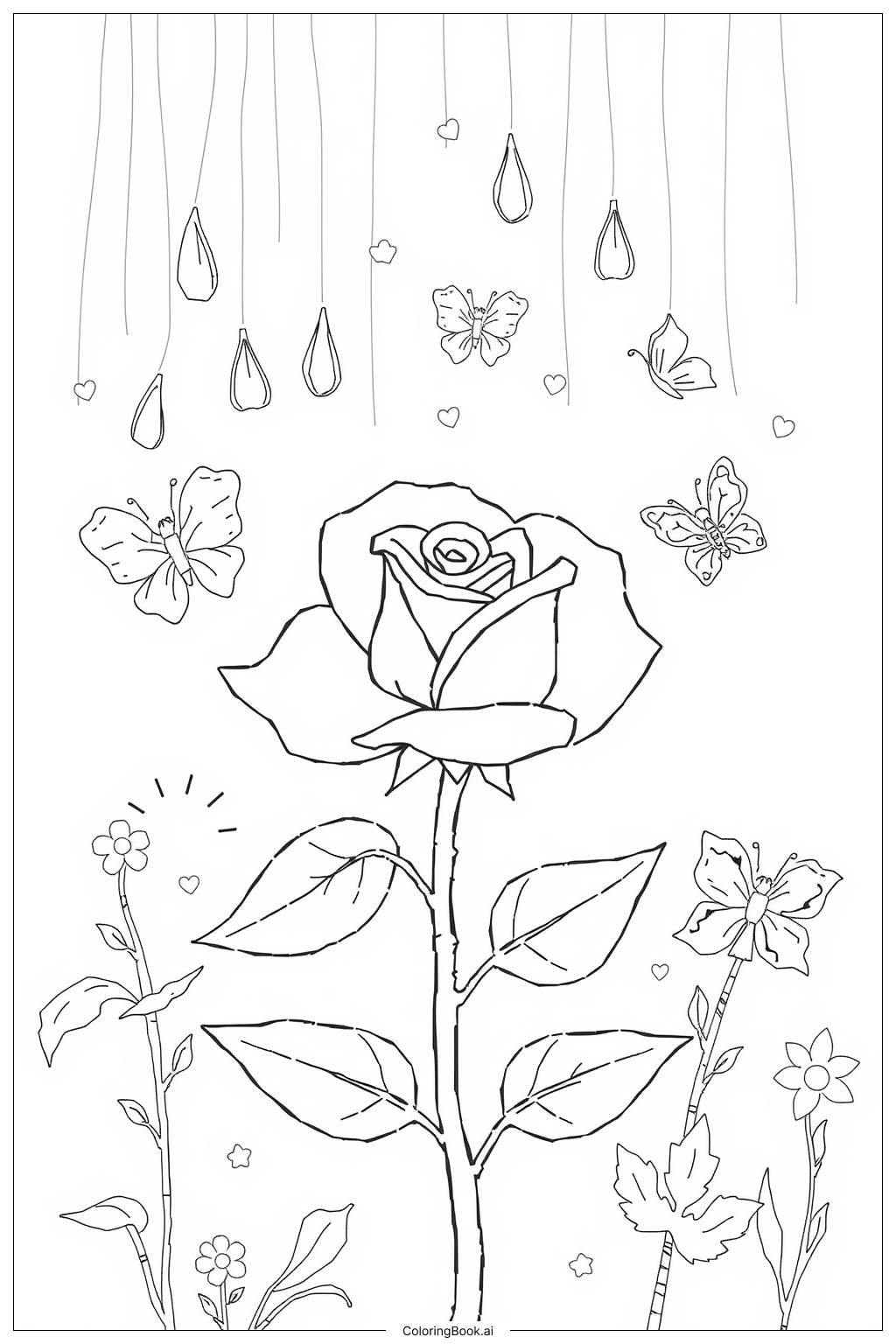
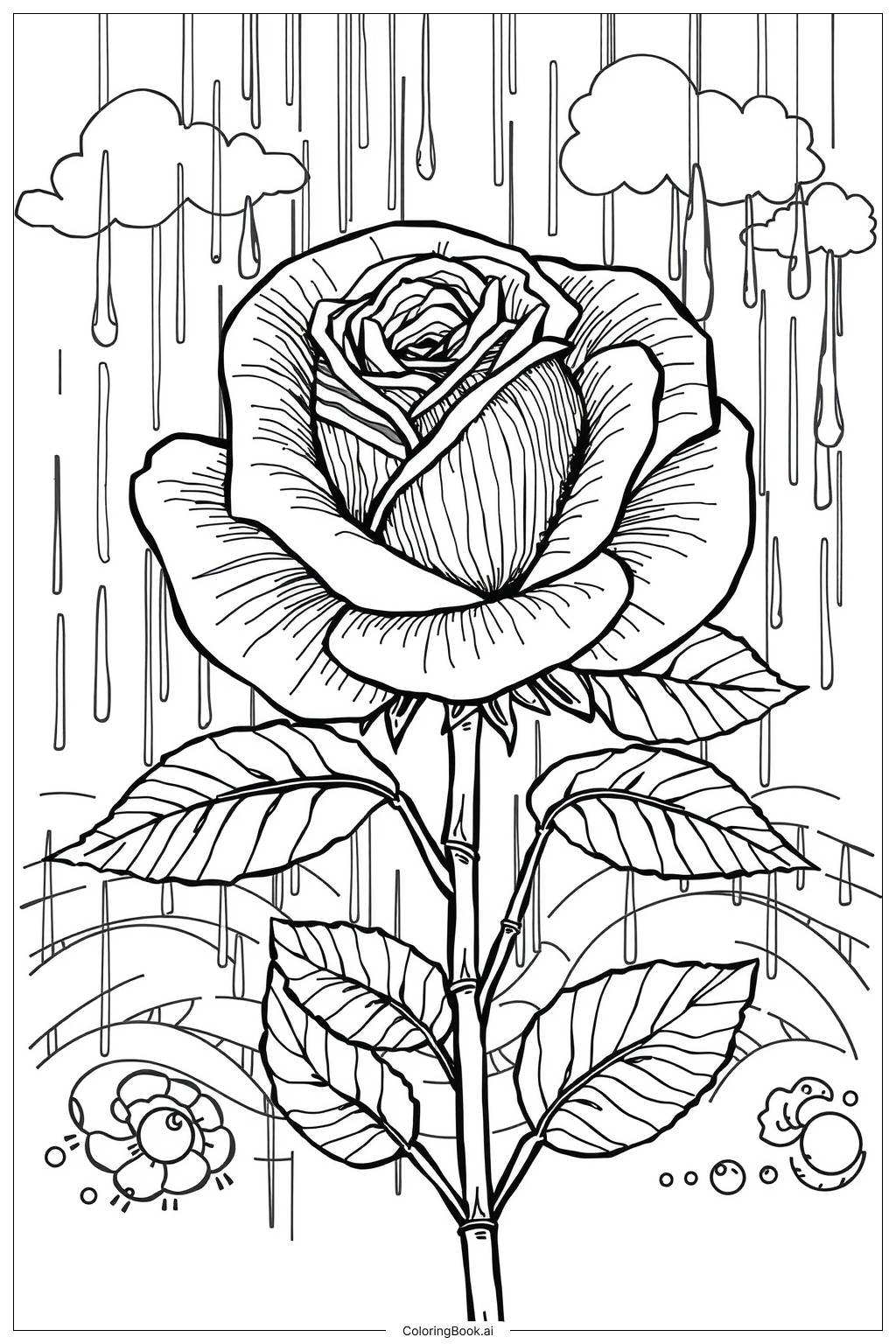
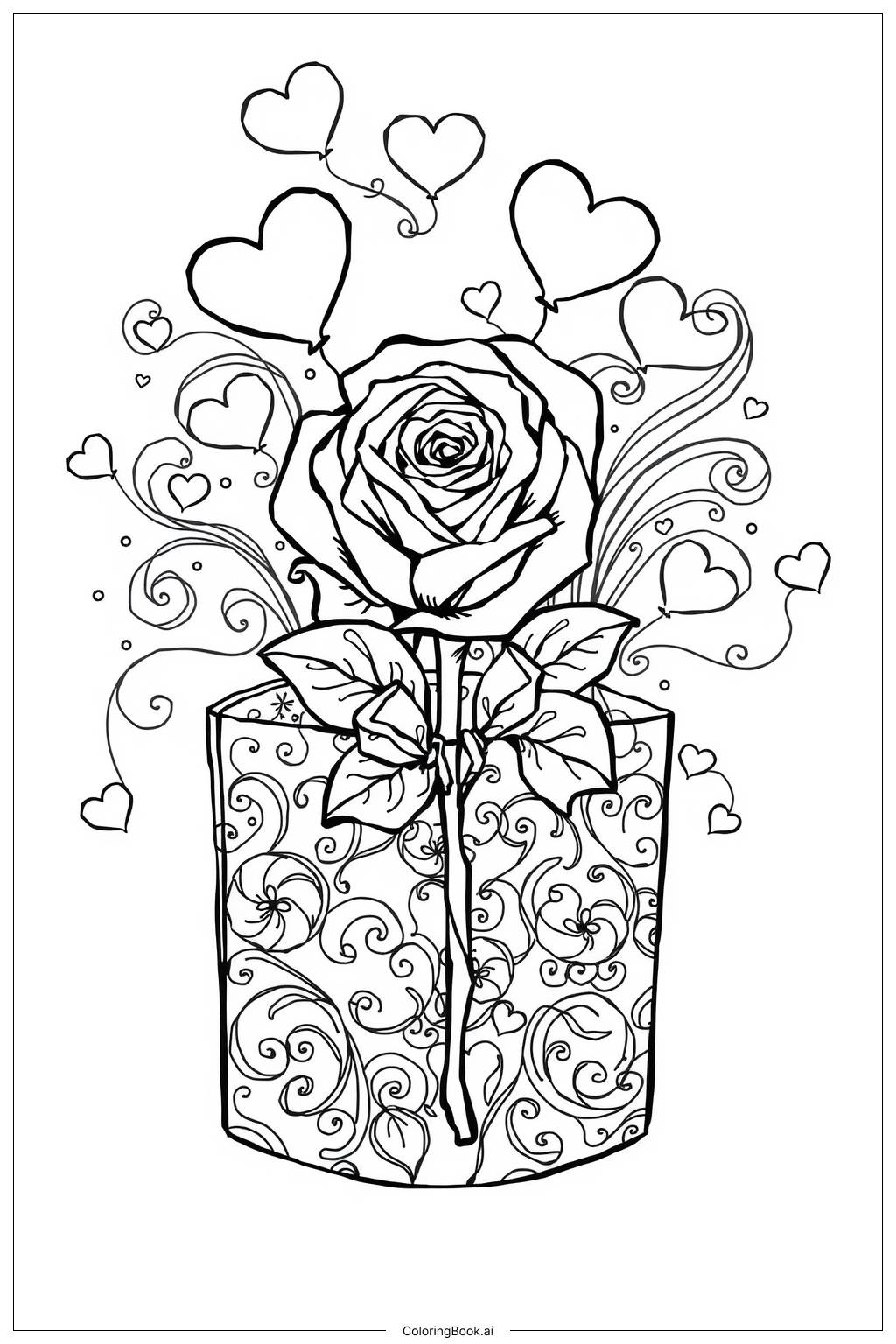
Start with the rose petals at the top. Use shades of red, pink, or coral to bring them to life. Try a lighter pink on the inner petals and a deeper red on the outer ones to create a sense of depth. For the leaves and stem, use different shades of green — bright green for the leaves and a slightly darker green for the stem. You can also try a yellow or orange rose for a fun and creative look. Use a light pink or red to fill in the heart outline itself. If you want the heart to really stand out, add a soft blush or peach color inside it. Take your time with the petals — slow, careful strokes will make your coloring look neat and beautiful. Feel free to add your own colors and make this rose heart truly your own!
Coloring challenges: Which parts are difficult to color and need attention for Easy Rose Heart coloring page?
• Layered Rose Petals: The rose at the top of the heart has multiple overlapping petals. Keeping each petal a slightly different shade without them blending together can be tricky. Young colorists may need to work slowly, finishing one petal before moving to the next to avoid colors bleeding into each other.
• Heart Outline Consistency: The heart shape is formed by the curve of the rose and its stem. Staying inside the curved outline while also coloring the interior evenly requires a steady hand. The curved lines at the bottom of the heart especially require careful attention to keep the coloring smooth and clean.
• Small Leaves and Buds: There are several small leaves and tiny decorative buds around the design. These smaller elements have tight spaces that are harder to fill neatly, especially for younger children. Using a sharpened colored pencil tip or a thin marker works best for these areas.
• Color Transition Between Rose and Stem: Moving from the warm pink or red tones of the rose into the green tones of the stem and leaves requires a natural visual transition. If the colors are too similar or placed too close without care, the design can look muddy or confusing.
• Maintaining Balance Across the Heart Shape: The heart is symmetrical, so both sides should ideally feel visually balanced in terms of color weight and intensity. Keeping the left and right sides of the heart looking harmonious takes practice and planning before you start coloring.
Benefits of coloring books: Advantages of drawing Easy Rose Heart coloring page
Coloring this Easy Rose Heart page offers a wonderful range of benefits for children and young learners. First, it helps build fine motor skills. Carefully coloring within the petal shapes and curved heart outline trains hand control and pencil grip, which supports everyday writing and drawing skills. Second, it encourages creativity. Choosing colors for the rose, leaves, and heart allows children to express themselves freely and experiment with color combinations in a low-pressure, fun setting. Third, it teaches patience and focus. Taking time to color each petal and leaf neatly helps children practice sitting still and concentrating on a task from start to finish. Fourth, it introduces basic art concepts like shading, color blending, and balance in a simple, hands-on way. Children naturally begin to understand how light and dark shades work together as they color the rose petals. Finally, completing a finished piece gives children a real sense of pride and accomplishment, boosting their confidence and encouraging a love of art. This page is a wonderful creative activity for kids of all ages.