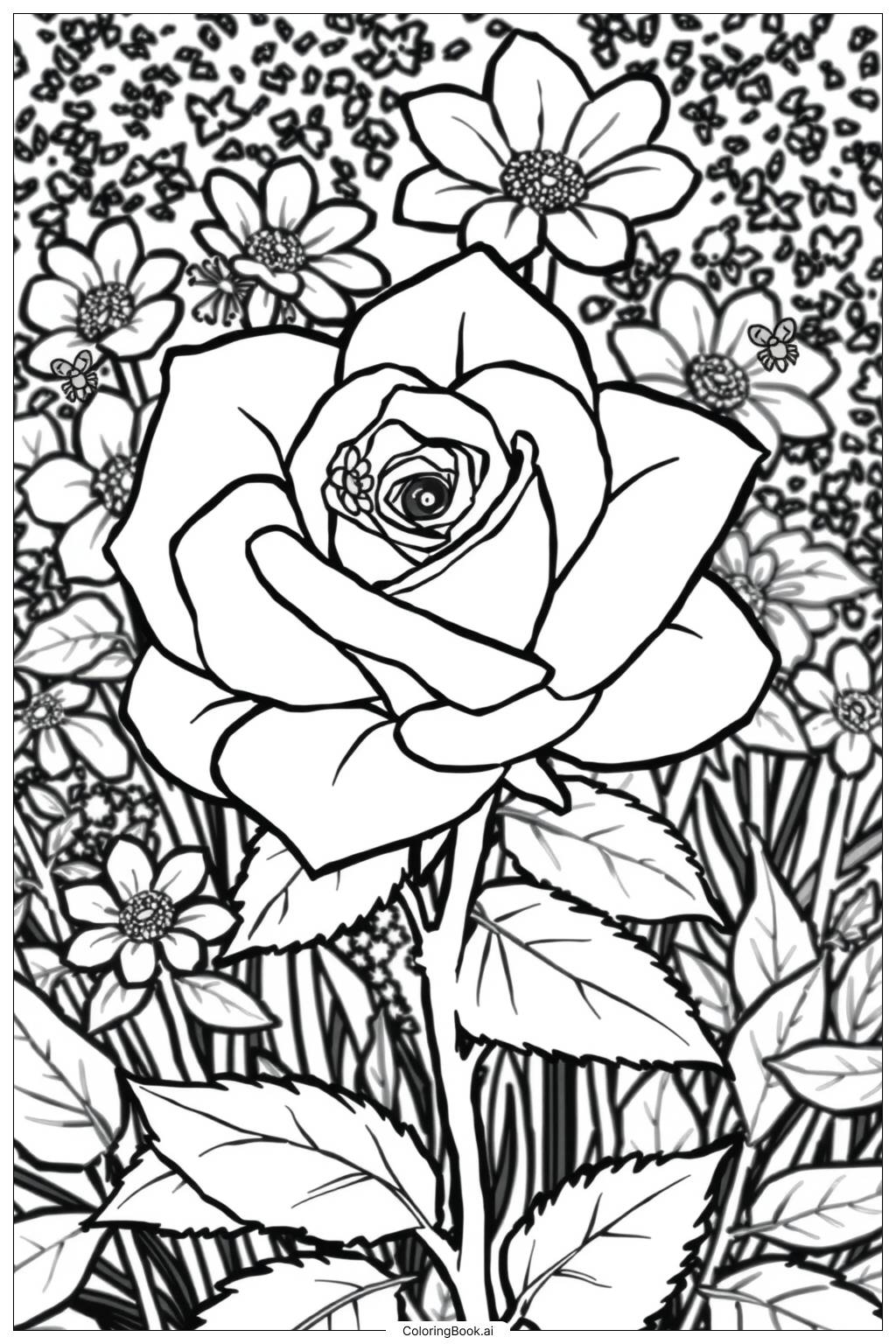
Coloring tips: How to color Basic Rose Bloom-2 coloring page well?
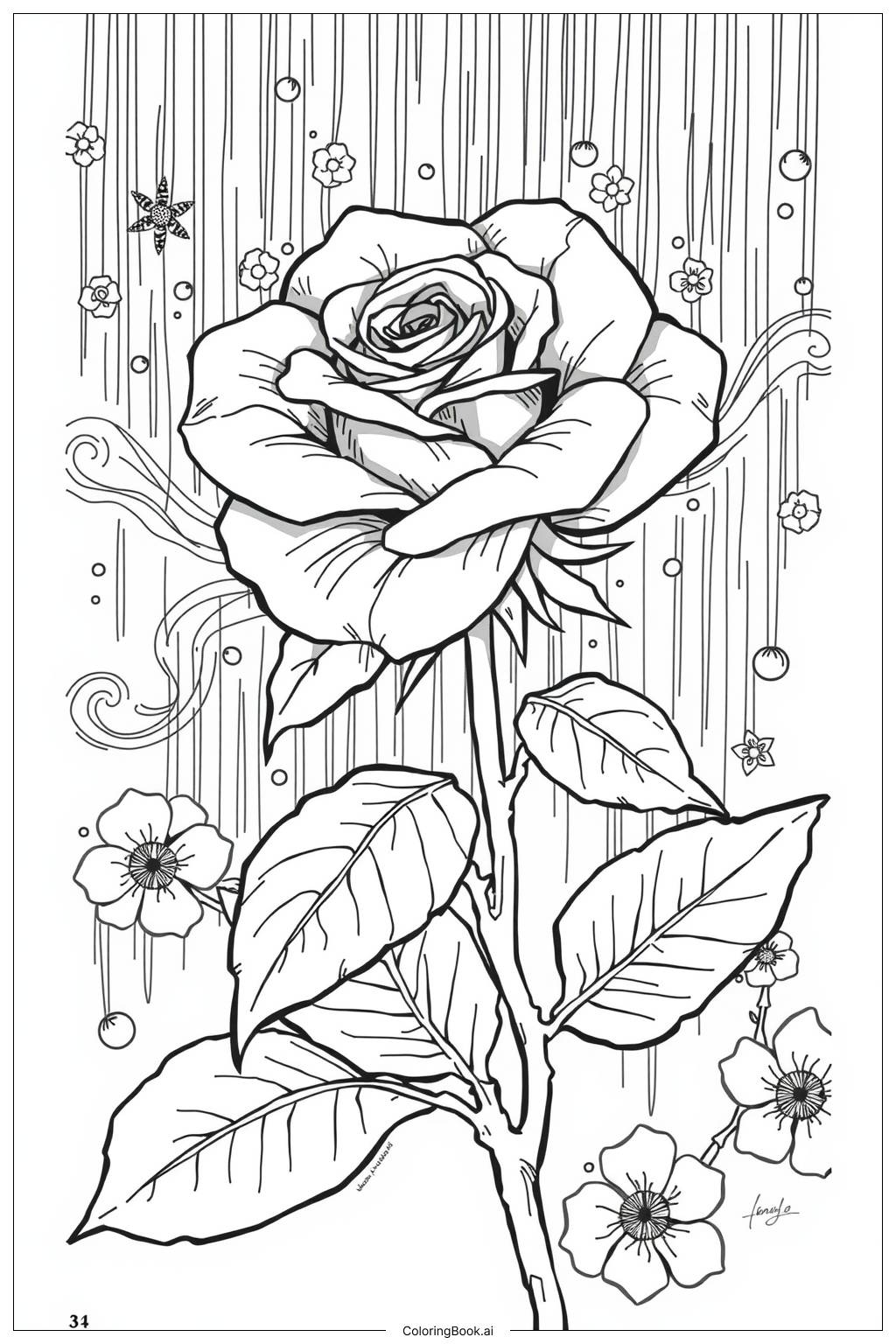
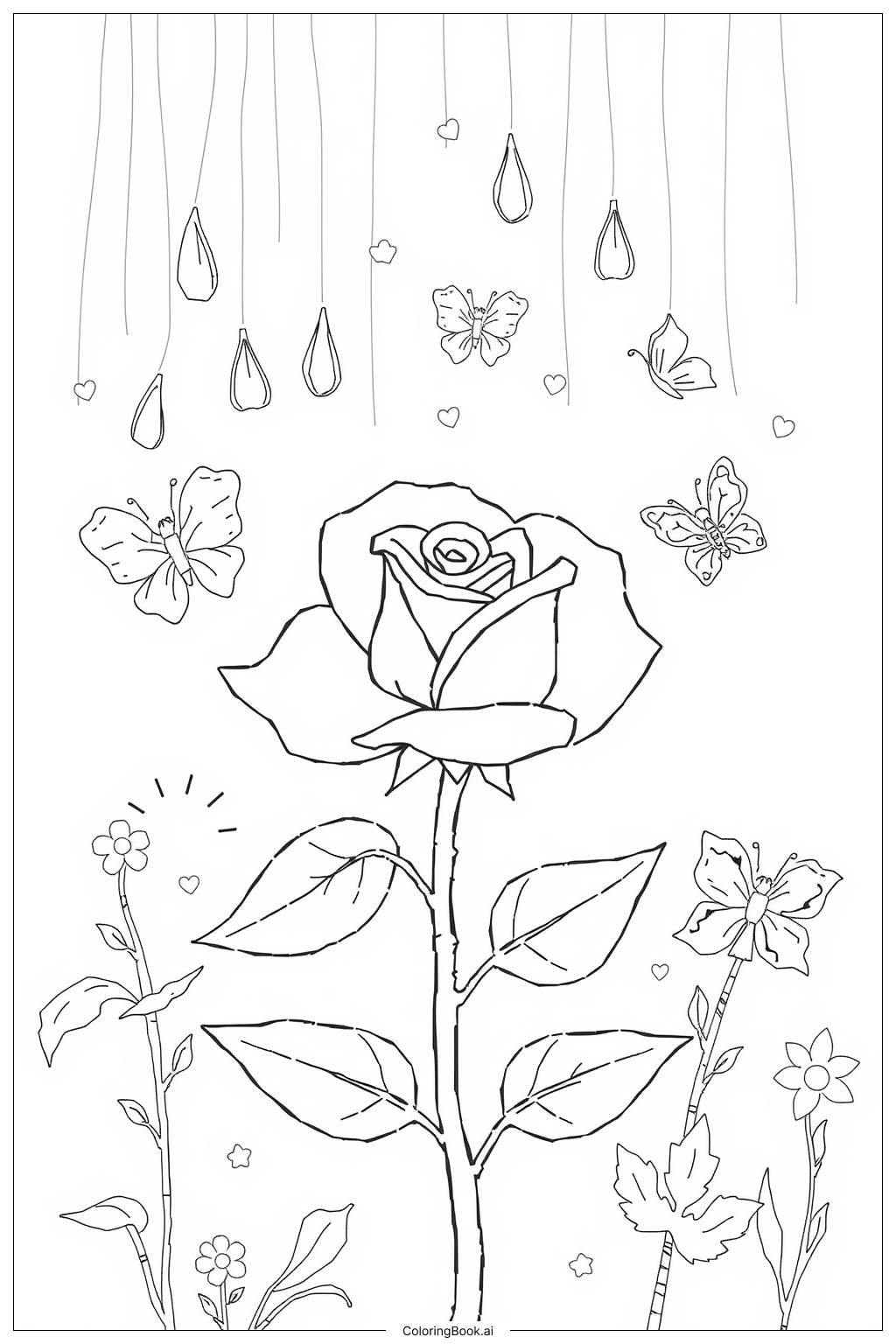
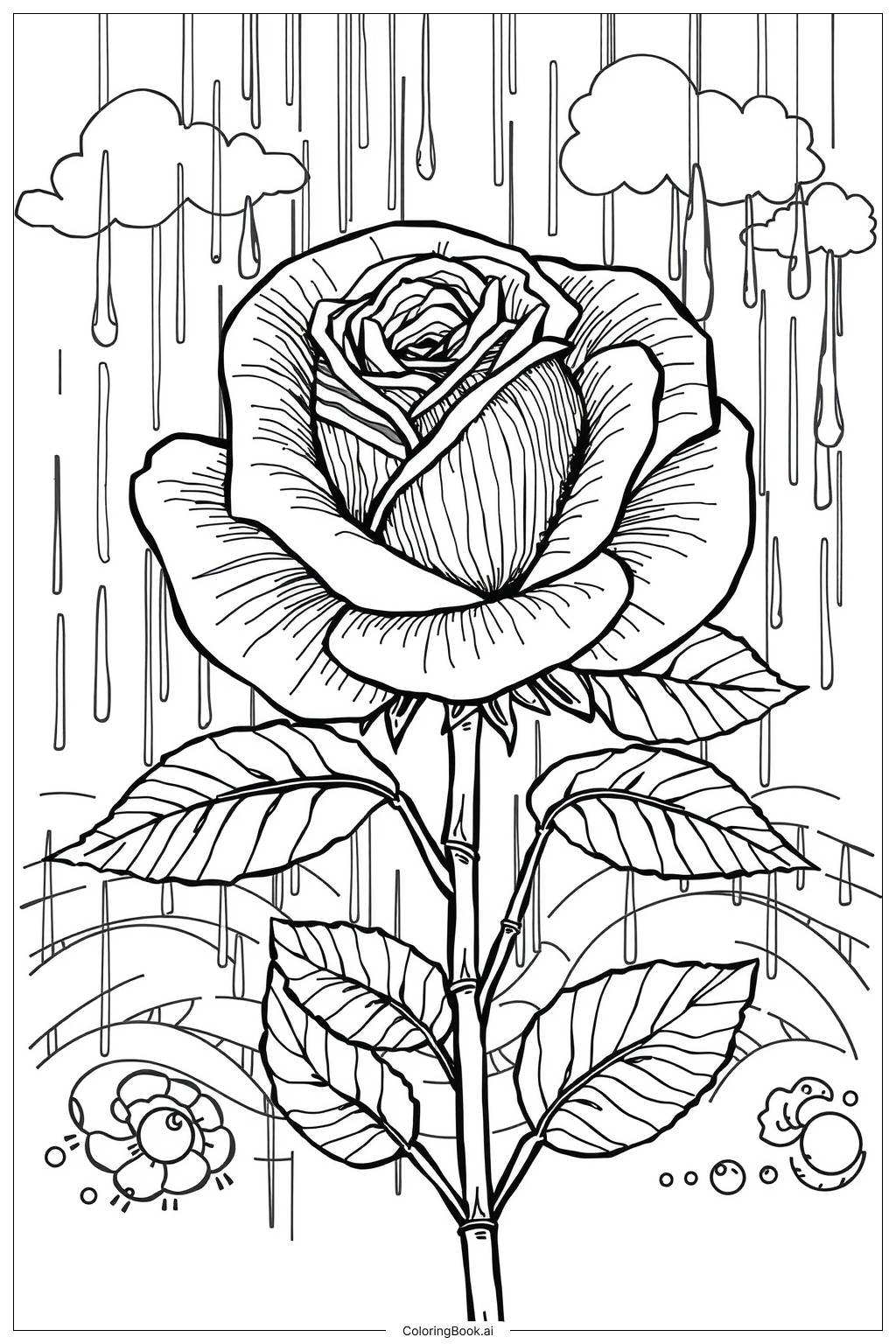
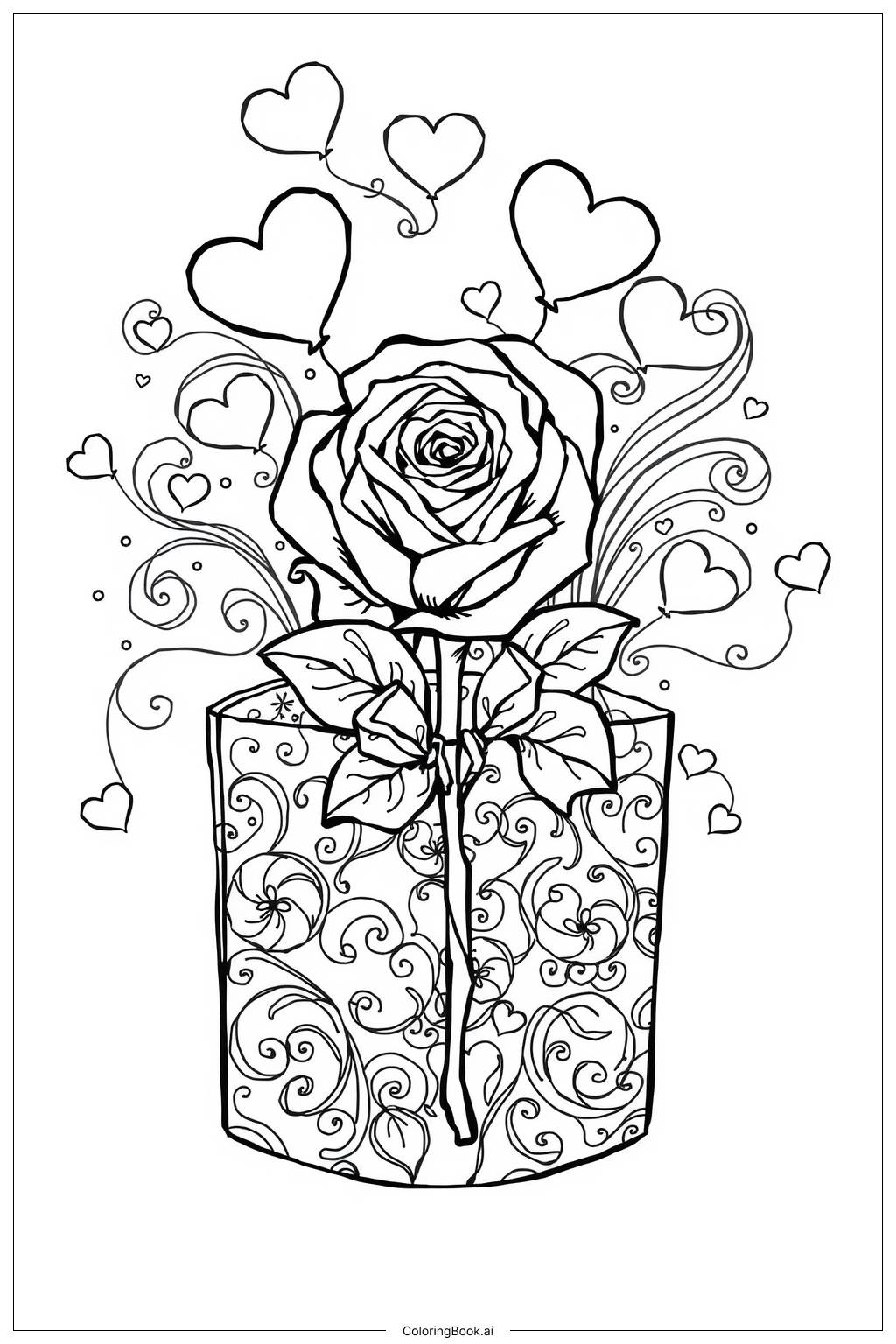
You can use different shades of red, pink, or even yellow to color the rose petals. Try blending light and dark tones to show how the petals overlap and catch the light. For the leaves, choose various greens to make them look lively and fresh. Adding a little brown or dark green to the stem can also create more depth. Feel free to experiment with colors you like — roses don’t have to be just red! You might want to use colored pencils or crayons to add soft shading and gentle textures. This image is perfect for practicing how colors can make a flower look real and beautiful.
Coloring challenges: Which parts are difficult to color and need attention for Basic Rose Bloom-2 coloring page?
• Petal Layers: The petals overlap a lot, so it can be tricky to color each one without mixing the edges. Careful shading is needed to show the difference between petals.
• Fine Details: The veins on some leaves are thin and require steady coloring to avoid going outside the lines.
• Smooth Gradients: To make the rose look natural, colors need to gradually change from light to dark, which can be challenging for beginners.
• Symmetry: The rose's balanced shape means mistakes may stand out more, so careful coloring is important to keep it even.
• Small Spaces: Some small gaps between petals and leaves require patience and precision to fill in neatly.
Benefits of coloring books: Advantages of drawing Basic Rose Bloom-2 coloring page
Coloring this rose helps improve attention to detail and fine motor skills, especially when working on small parts like petals and leaf veins. It encourages learning about shading and blending colors, which enhances creativity and understanding of light effects in art. The calm and beautiful subject can also reduce stress and provide a sense of accomplishment. For children aged 4 to 16, coloring this image supports hand-eye coordination and patience. It is a fun way to explore nature’s beauty while developing important artistic skills.