Coloring tips: How to color Rosa Parks Looking Out Window coloring page well?
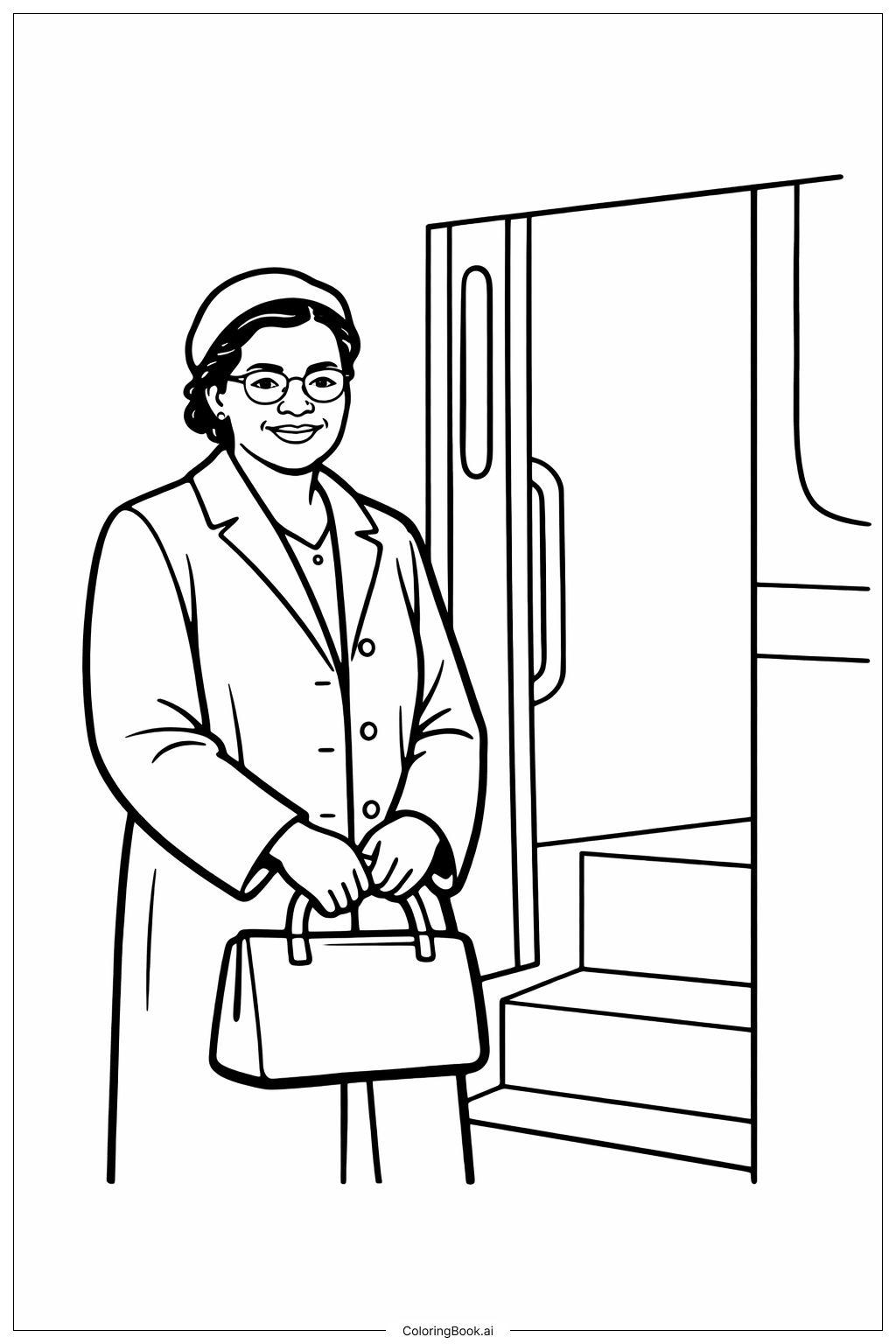
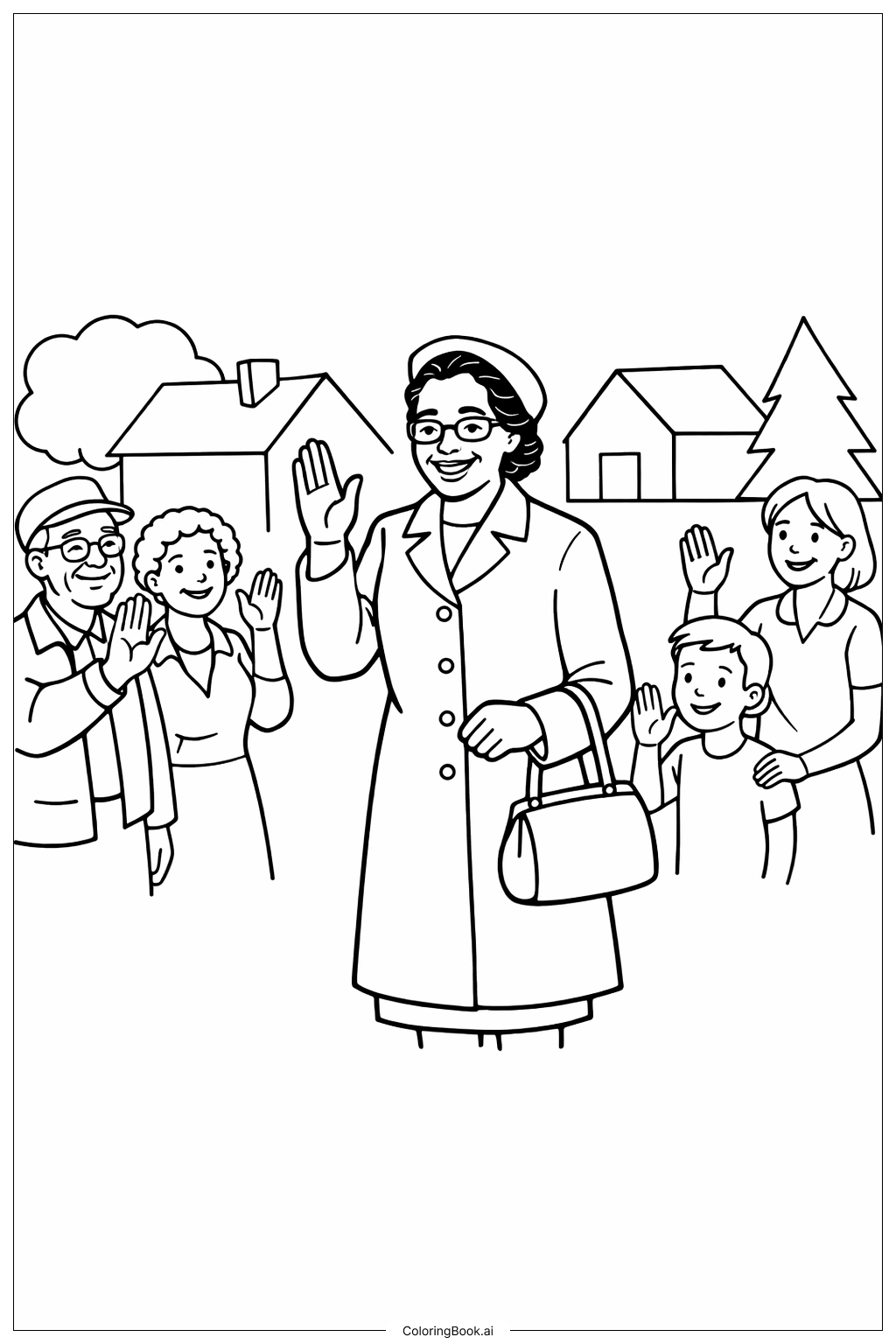
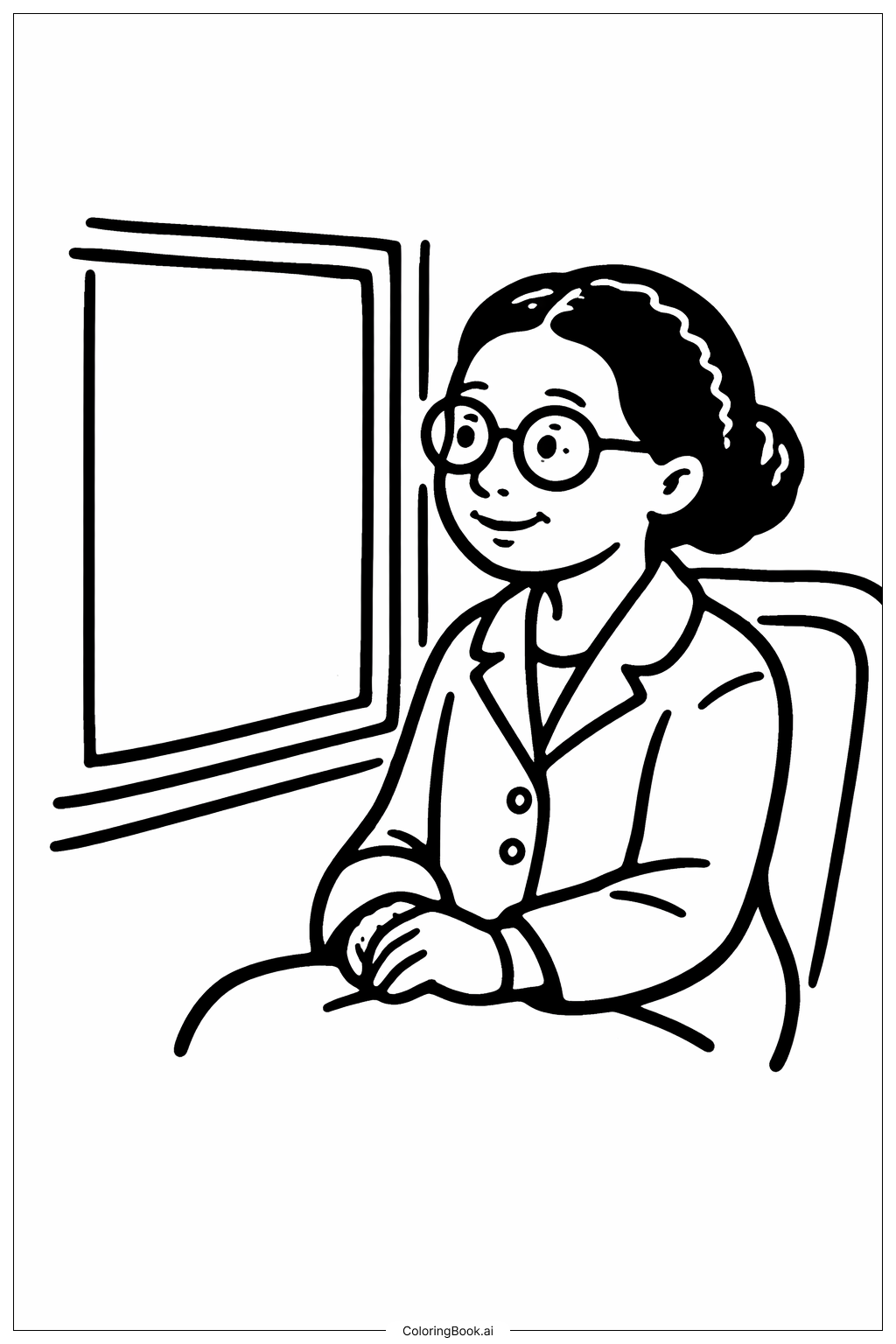
To color this picture, start with warm, gentle shades for Rosa Parks’s skin, like soft browns and tans. Use a calm color such as blue or gray for her dress to show her quiet strength. Color her hair in dark brown or black tones. For her glasses, try light gray or silver to suggest shiny frames. The window can be colored with light blues or soft whites for the glass to show light shining through. Use earthy colors like soft greens or browns for the background seen through the window. Keep the colors smooth and even to highlight the peaceful feeling of the image. Don’t forget to add shadows where the light would fall to make the picture come alive.
Coloring challenges: Which parts are difficult to color and need attention for Rosa Parks Looking Out Window coloring page?
• Facial Features: Rosa Parks’s face has delicate expressions that need careful coloring to keep her thoughtful look. Using too dark or bright colors may lose her calm and hopeful expression.
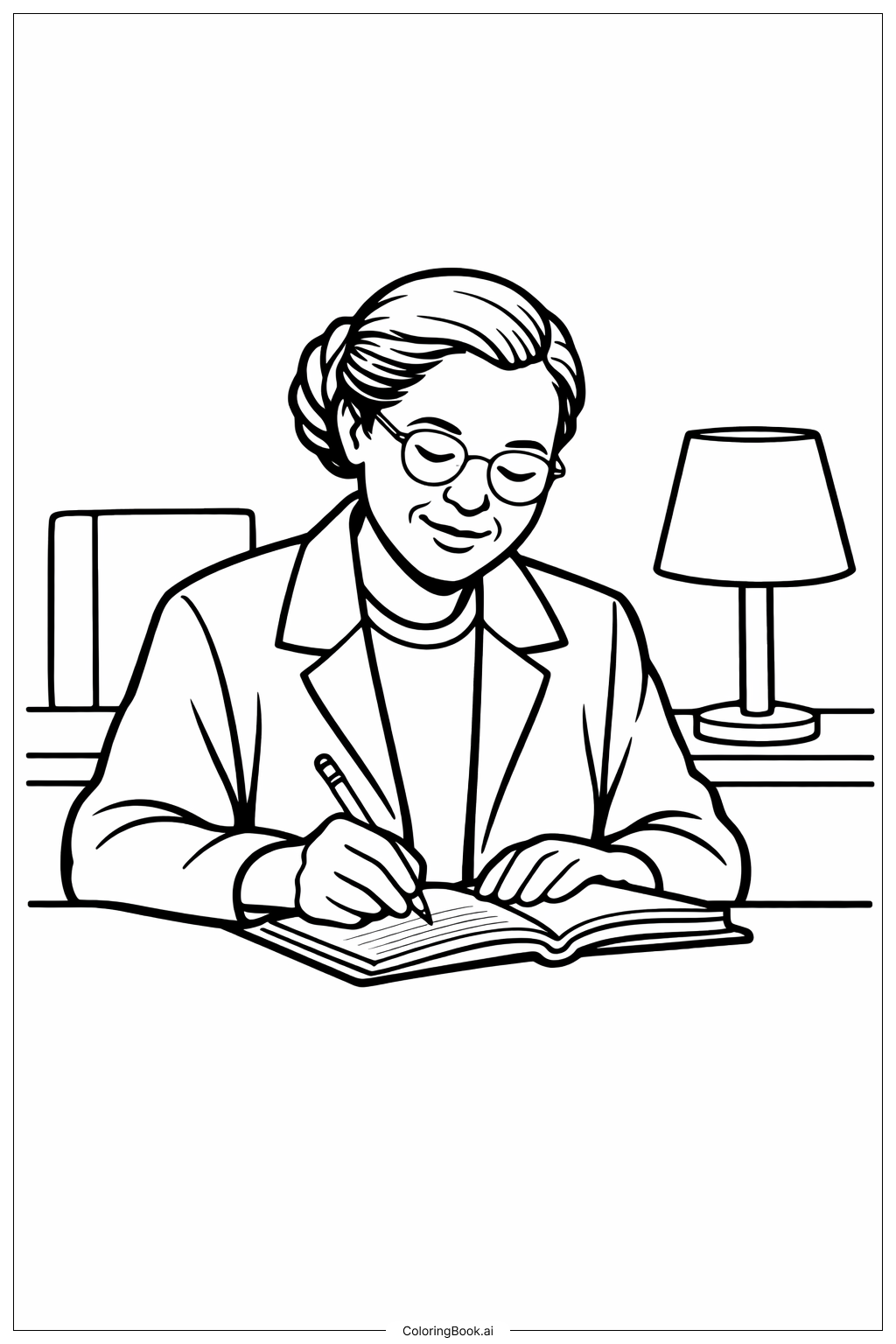
• Glasses Details: Coloring the glasses is tricky as they are thin and transparent. It takes precision to avoid coloring outside the frames or making the lenses unnatural.
• Window Frame and Panes: The geometric lines of the window can be challenging to color neatly. Straight coloring inside the lines requires focus to keep the scene tidy.
• Hands Positioning: Her hands resting on the window sill require attention to skin tone blending and shadowing to keep a realistic look.
• Light and Shadow: Adding shadows and reflections accurately around the window and on Rosa’s figure helps create depth but can be difficult without careful shading techniques.
Benefits of coloring books: Advantages of drawing Rosa Parks Looking Out Window coloring page
Coloring this image helps children develop fine motor skills through the small details like glasses and the window frame. It encourages focus and patience by requiring careful attention to facial features and shading. Coloring Rosa Parks can also inspire learning about her important role in history, building empathy and awareness about courage and justice. The peaceful scene promotes calmness and reflection as children choose colors and balance light and shadows. Overall, it is both a creative and educational activity that connects art with meaningful storytelling.