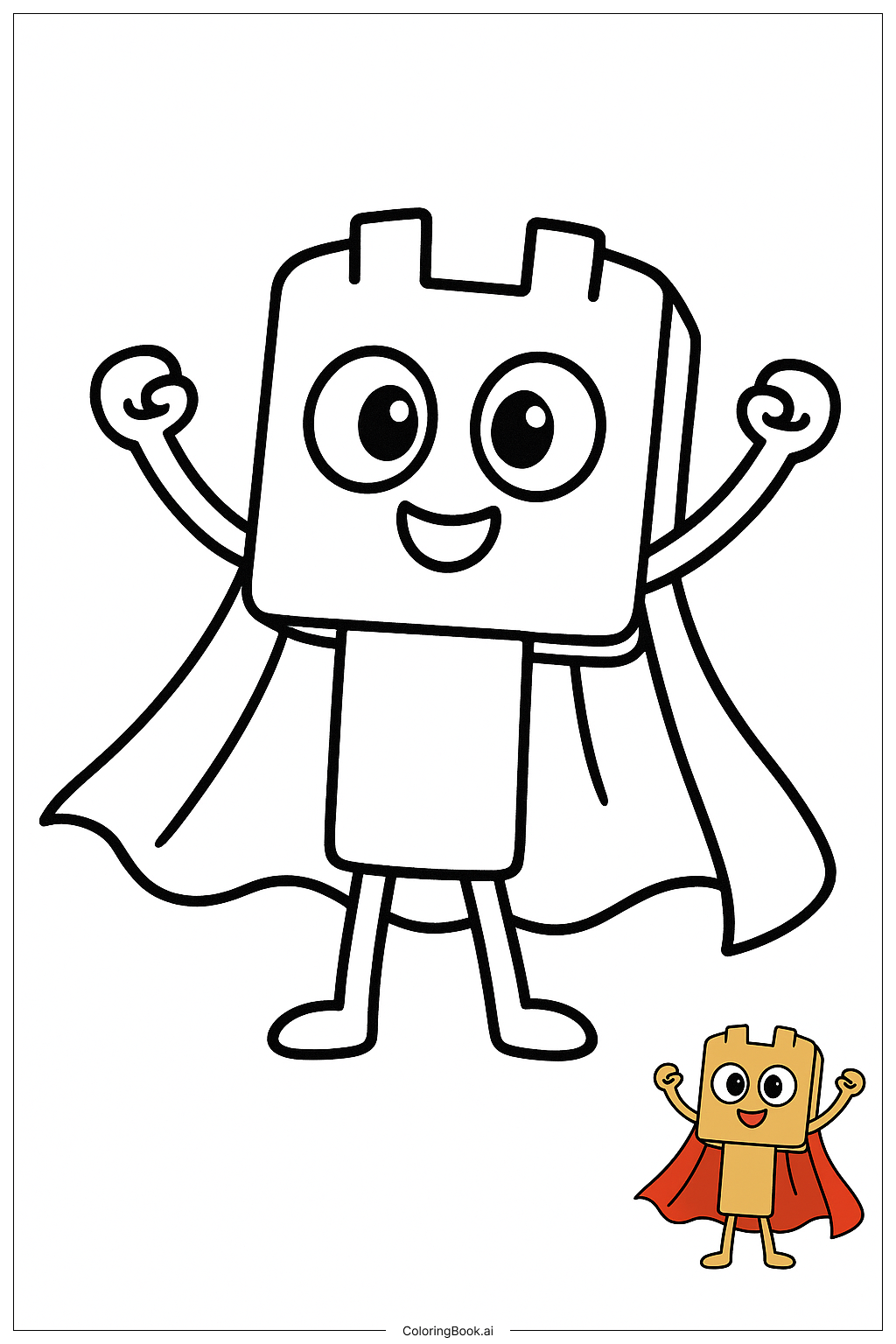
Coloring tips: How to color Read Across America Little Robot coloring page well?
Start with the robot's body by choosing a classic metallic color like silver or gray. You can also go bold and pick a bright color like blue, red, or green to make the robot feel more fun and unique. Use a slightly darker shade of the same color to add depth to the robot's panels and edges. For the eyes, try yellow or orange to give the robot a warm, friendly glow. Color the antennae a contrasting color like gold or purple to make them pop. For the book, use warm tones like cream or light yellow for the pages, and pick a bright color for the cover. Add small details like buttons or lights on the robot's chest using colors like red, blue, or green. Don't be afraid to mix colors and make the robot your own. There are no wrong choices here. The goal is to have fun and celebrate reading along with Read Across America.
Coloring challenges: Which parts are difficult to color and need attention for Read Across America Little Robot coloring page?
• Robot Body Panels: The robot's body is made up of many flat geometric sections separated by thin lines. Staying within each small panel without overlapping into neighboring sections takes a steady hand and careful attention, especially for younger colorists using markers or thick crayons.
• Mechanical Details and Small Parts: The robot features small mechanical elements such as bolts, buttons, joints, and antennae. These tiny details are easy to accidentally color over or skip entirely. Using fine-tipped colored pencils or thin markers works best for these areas to keep each part clean and distinct.
• Shading for a Metallic Look: Giving the robot a realistic metallic appearance requires blending light and dark shades of the same color. This technique can be tricky for beginners who may not yet be comfortable with gradients. Practicing on a separate sheet first can help build confidence before applying it to the final page.
• The Open Book Pages: The book the robot is holding contains lines representing text. Coloring around these fine lines without covering them is a real challenge. Light, soft strokes using colored pencils are the best choice here to preserve the detail and keep the book looking realistic.
• Balancing Colors Across the Full Image: Choosing colors that work well together for both the robot and the book can be harder than it looks. If the robot is very bright and bold, the book needs complementary colors so the whole image feels balanced and visually pleasing rather than overwhelming.
Benefits of coloring books: Advantages of drawing Read Across America Little Robot coloring page
Coloring this Read Across America Little Robot page offers a wonderful mix of creative and educational benefits for children. First, it helps develop fine motor skills as kids carefully color within the robot's many small panels and detailed parts. This kind of focused hand movement strengthens grip and hand-eye coordination, which supports writing skills in school.
Second, choosing colors for the robot encourages creative thinking and self-expression. There is no single right answer, so children feel free to experiment and make their own artistic choices. This builds confidence and imagination.
Third, the reading theme of the image connects coloring to a love of books. Seeing a little robot happily reading a book plants a positive association with reading in a child's mind. It makes the message of Read Across America feel fun and personal.
Fourth, completing a coloring page gives children a real sense of accomplishment. Finishing the image from start to finish teaches patience, focus, and the reward of sticking with a task.
Finally, coloring is a calming activity that helps children manage emotions and reduce stress. It gives them a quiet, enjoyable way to unwind while still engaging their minds. This page is a perfect blend of creativity, literacy inspiration, and relaxation for kids of all ages.