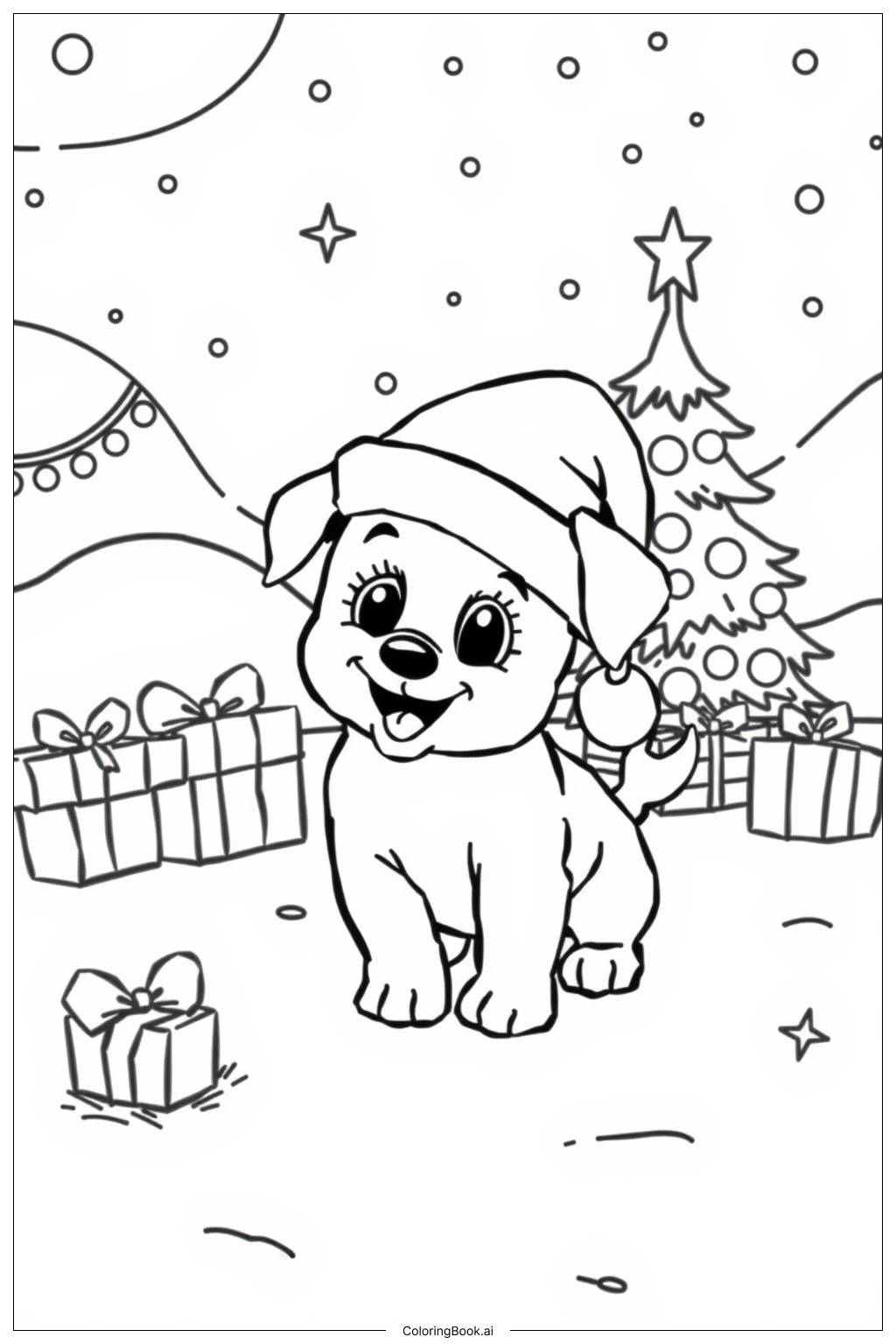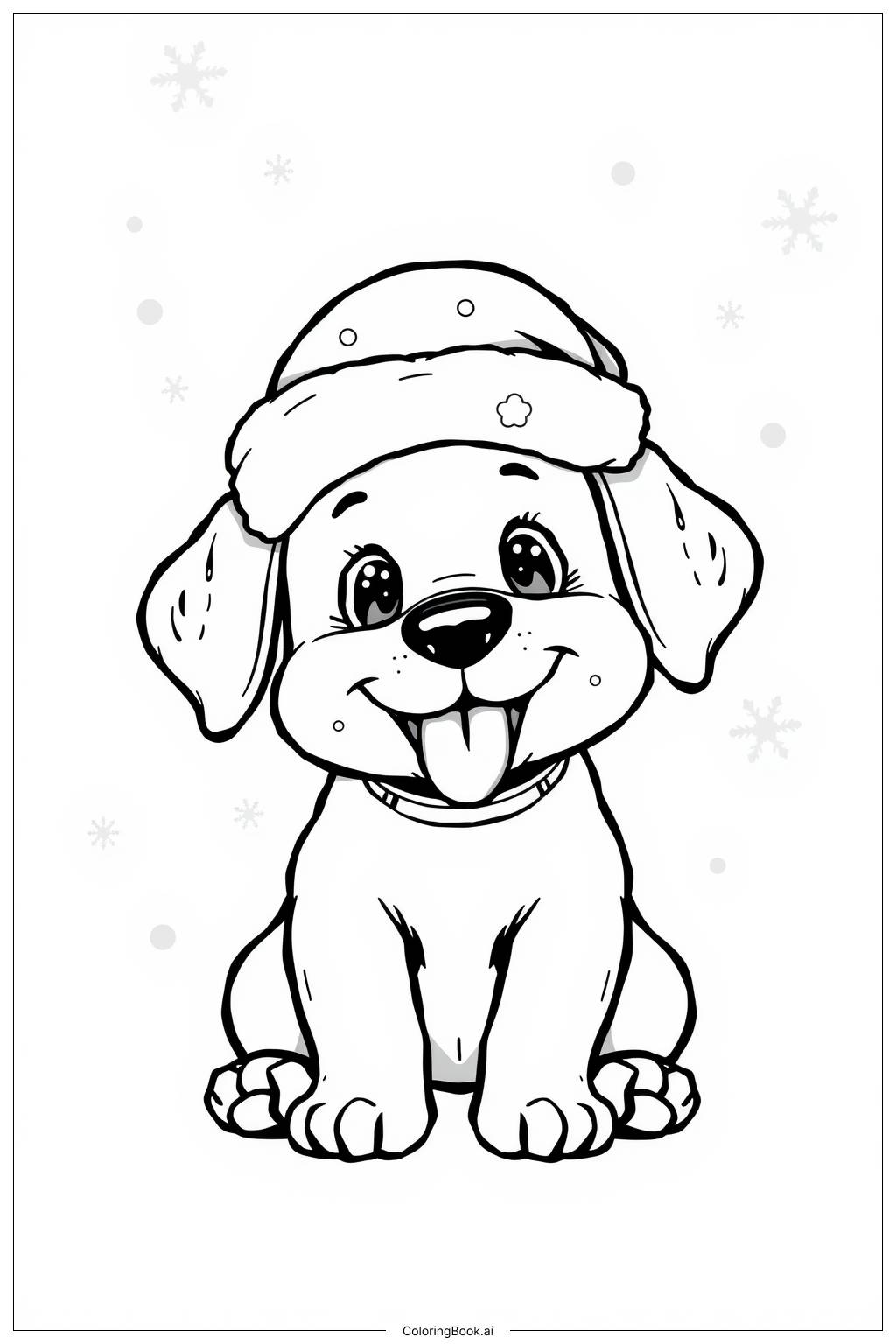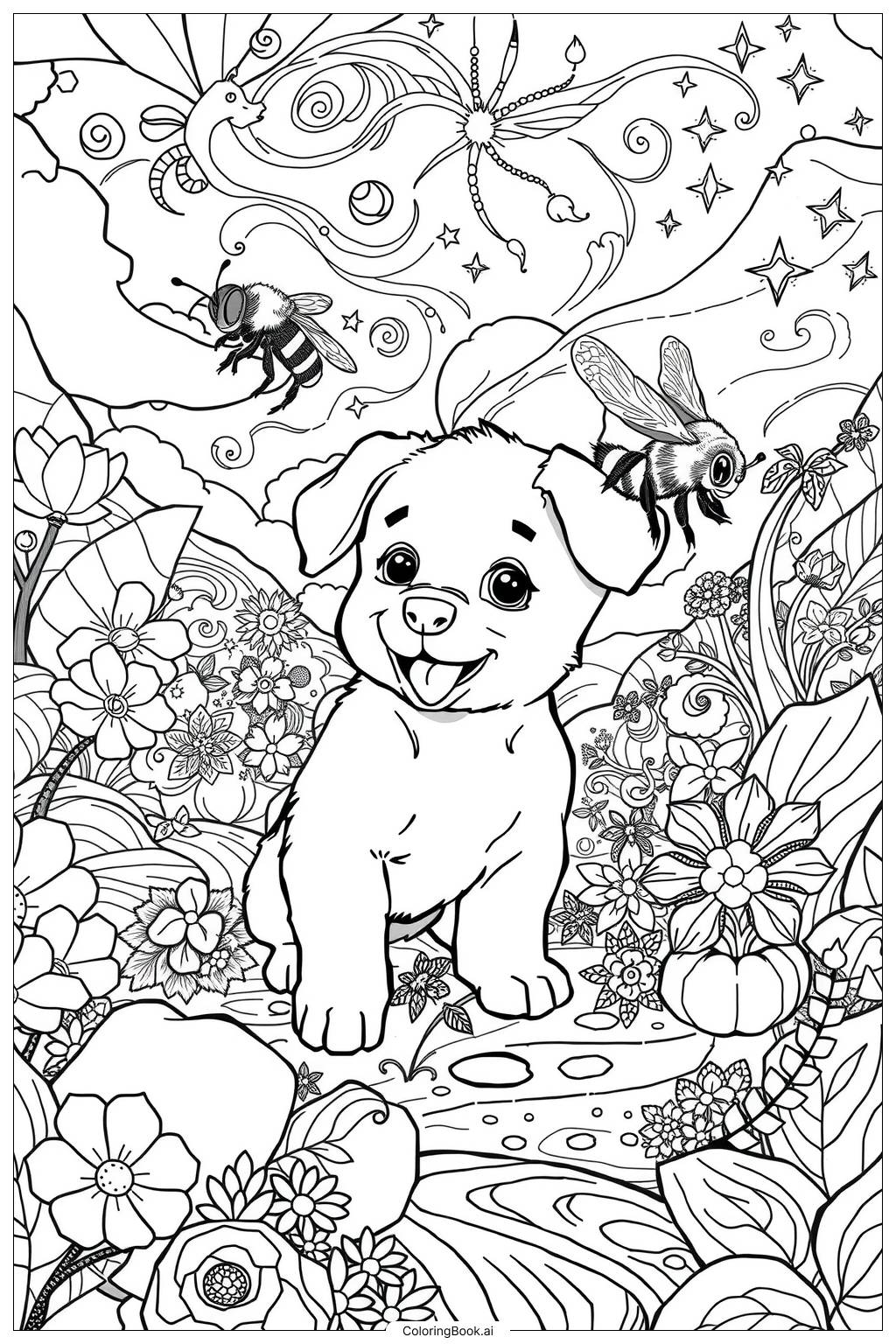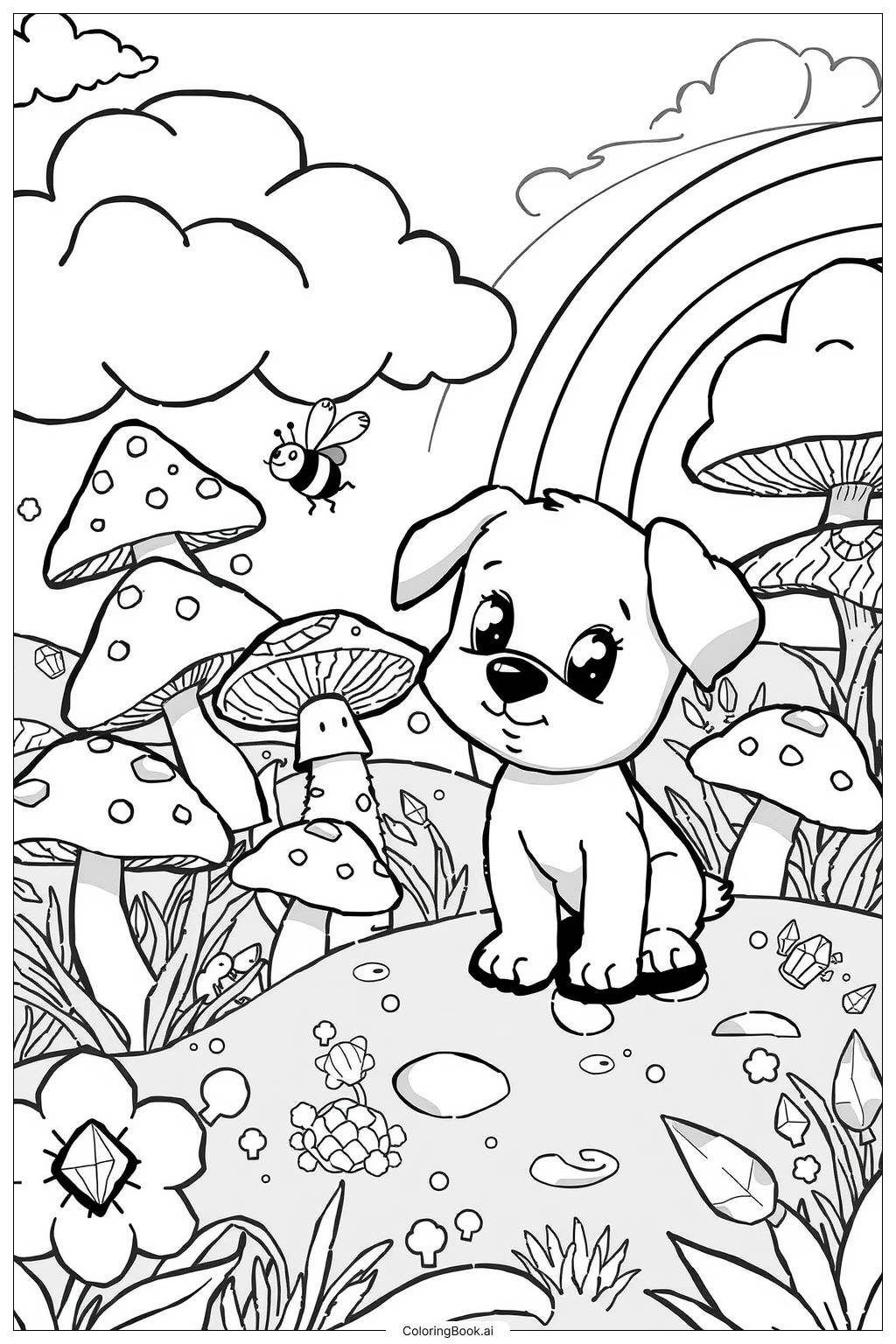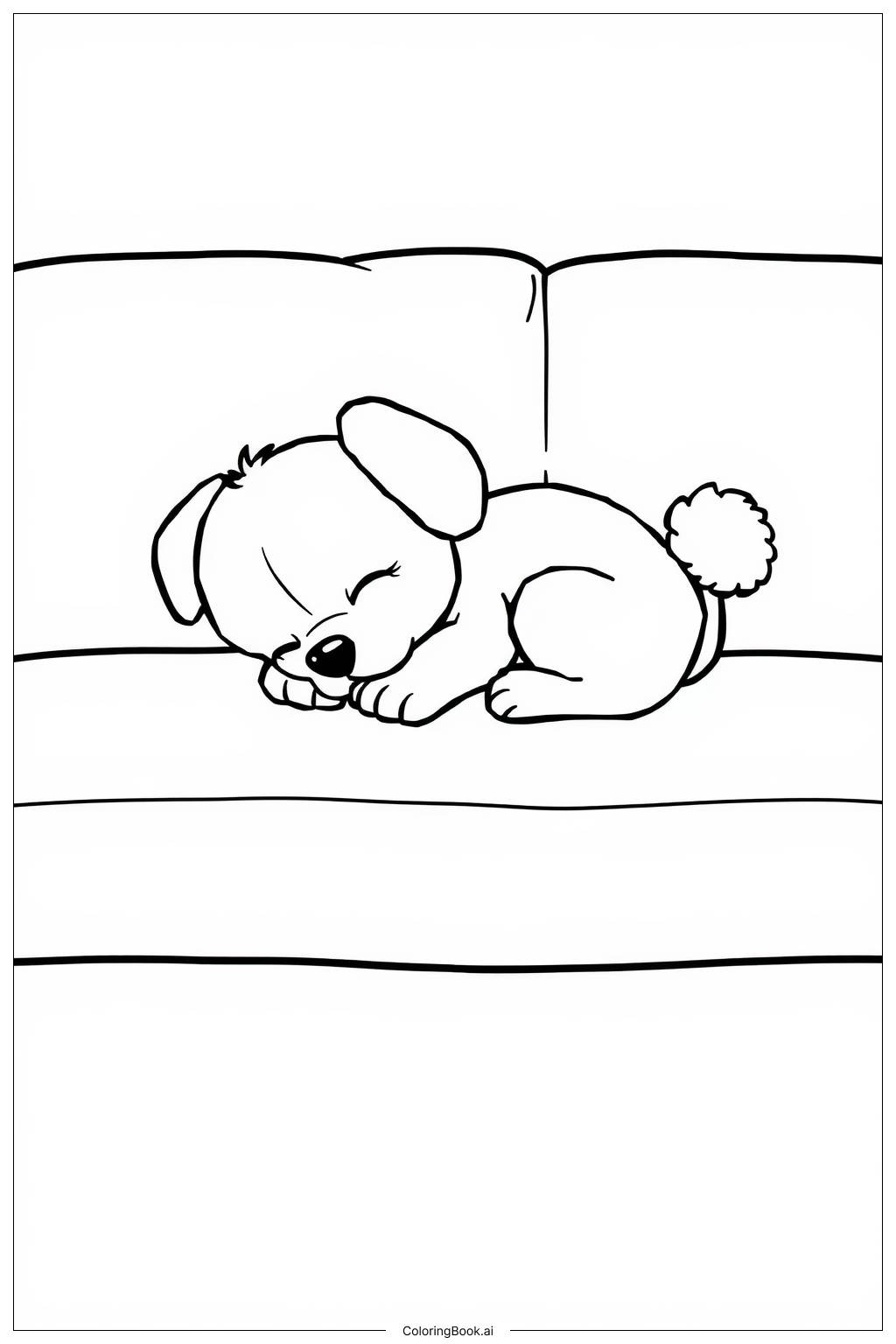
Coloring tips: How to color Sleeping Puppy on a Couch coloring page well?
Start with the puppy's fur. Golden yellow, light brown, or cream are great choices for a warm, fluffy look. Use a darker shade of the same color to add shadows along the puppy's sides and under its chin. This helps the fur look soft and three-dimensional. For the nose, try a small patch of pink or dark brown. The eyes, even though they are closed, can have light brown or dark gray lids. For the couch, pick cozy colors like tan, beige, dusty blue, or warm gray. Add a slightly darker tone to the cushion folds to give them depth. You can use a contrasting color for any decorative stitching or patterns on the cushions. Keep the background simple with soft, light tones so the puppy stays the center of attention. Blend colors gently wherever fur meets cushion to make the scene feel natural and relaxing.
Coloring challenges: Which parts are difficult to color and need attention for Sleeping Puppy on a Couch coloring page?
• Puppy Fur Texture: The biggest challenge is making the puppy's fur look soft and fluffy rather than flat. You need to use short, light strokes that follow the direction of the fur. Layering two or three shades of the same color helps create depth and a realistic fluffy effect. Rushing this step can make the fur look stiff or unnatural.
• Curved Body Shape: The puppy is curled up, which means its body has many rounded curves and overlapping areas. Shading these curves correctly is tricky. The inner curves should be darker, while the outer edges catch more light and stay lighter. Getting this balance right takes patience and careful observation.
• Cushion Folds and Depth: The couch cushions have soft folds where the puppy presses into them. Coloring these folds requires gentle shading transitions from light to dark. If the shading is too sharp or too uniform, the cushions will look stiff instead of soft and plush.
• Small Facial Details: The puppy's tiny nose, closed eyelids, and delicate whisker lines are small and easy to color outside of. Using a fine-tipped colored pencil or a thin marker gives you better control in these tight areas. Take your time and move slowly to stay within the lines.
• Keeping the Scene Cohesive: Choosing colors that work well together across the puppy and the couch is important. If the puppy and couch are too similar in color, they blend together. Picking slightly contrasting but still harmonious tones helps each element stand out while keeping the cozy, warm feeling of the scene.
Benefits of coloring books: Advantages of drawing Sleeping Puppy on a Couch coloring page
Coloring this sleeping puppy scene brings many wonderful benefits for kids and beginners alike. First, it helps build focus and concentration. Carefully staying within the lines of the puppy's fur and the couch cushions trains the mind to pay close attention to detail. Second, it encourages creativity. Choosing colors for the fur, the couch, and the background lets you make your own artistic decisions and express your personal style. Third, it is a deeply calming activity. The peaceful subject of a napping puppy creates a relaxing mood that naturally helps reduce stress and anxiety while you color. Fourth, it helps develop fine motor skills. Coloring small areas like the puppy's nose and eyelids improves hand control and pencil coordination, which are important skills for writing and drawing. Fifth, it teaches color theory in a fun way. Experimenting with light and dark shades to show depth on the fur and cushions gives you hands-on experience with shading and blending. Finally, finishing the page gives a real sense of accomplishment and pride. Whether you are four or sixteen, completing a coloring page feels rewarding and motivates you to keep creating.