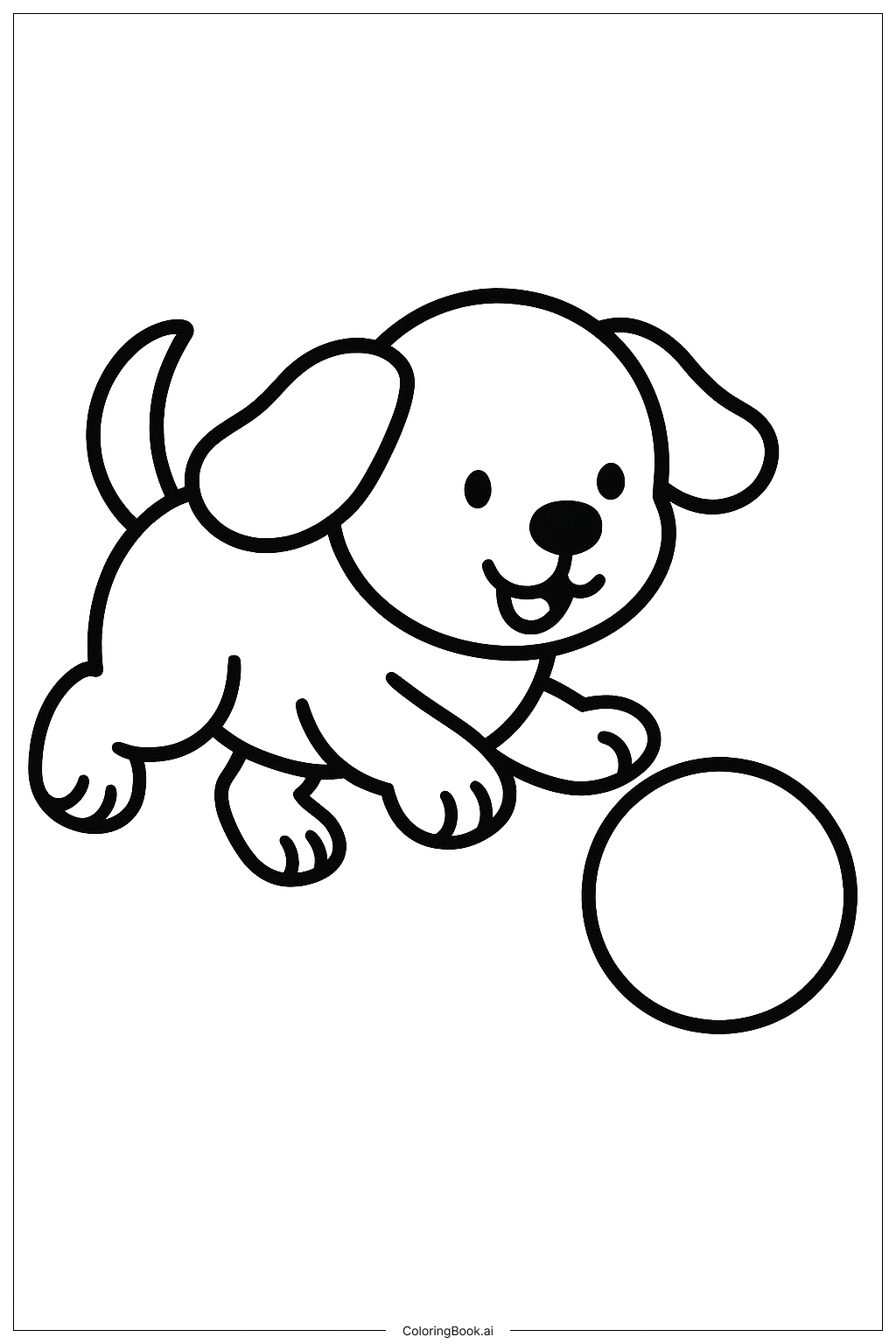
Coloring tips: How to color Puppy Playing With A Ball coloring page well?
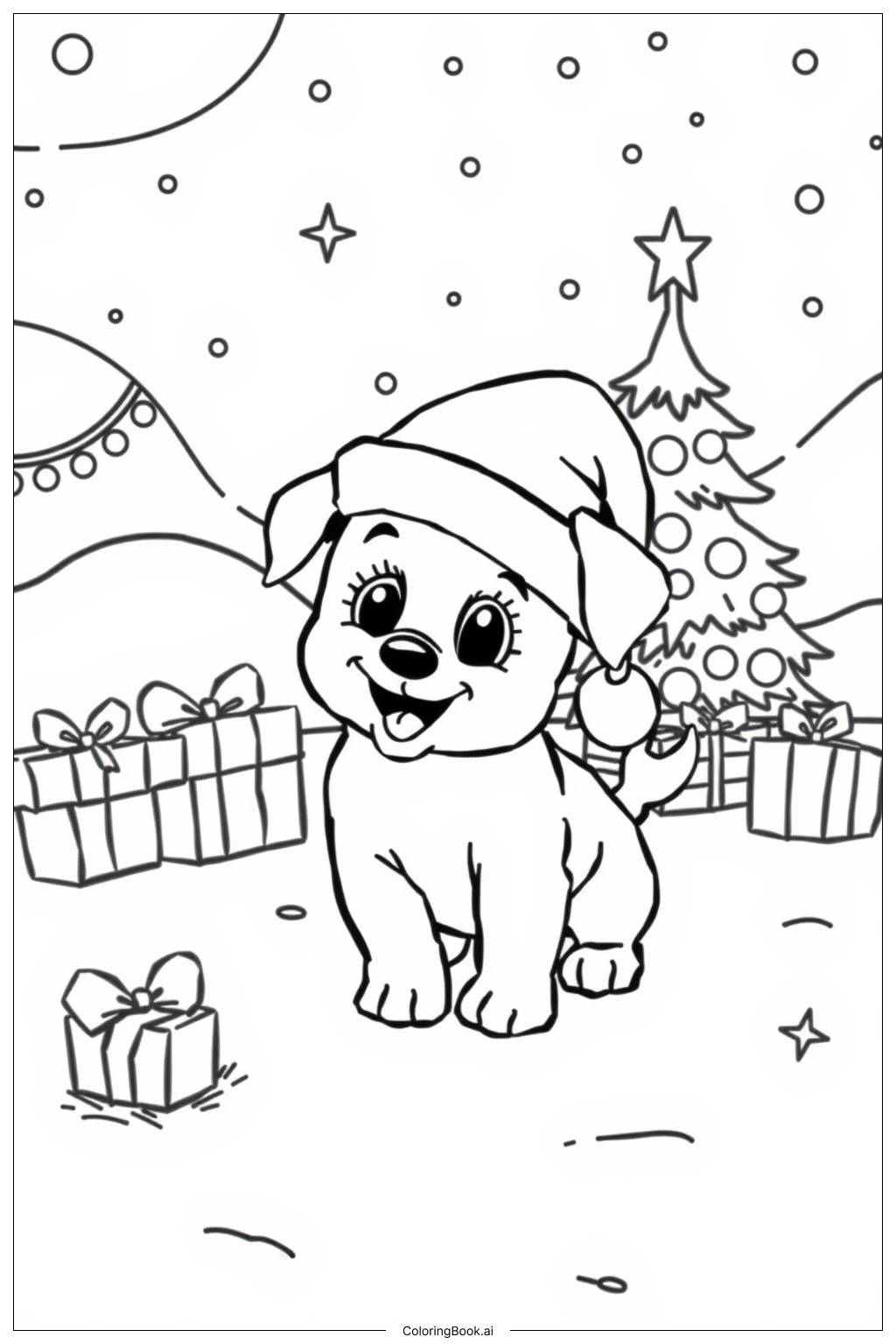
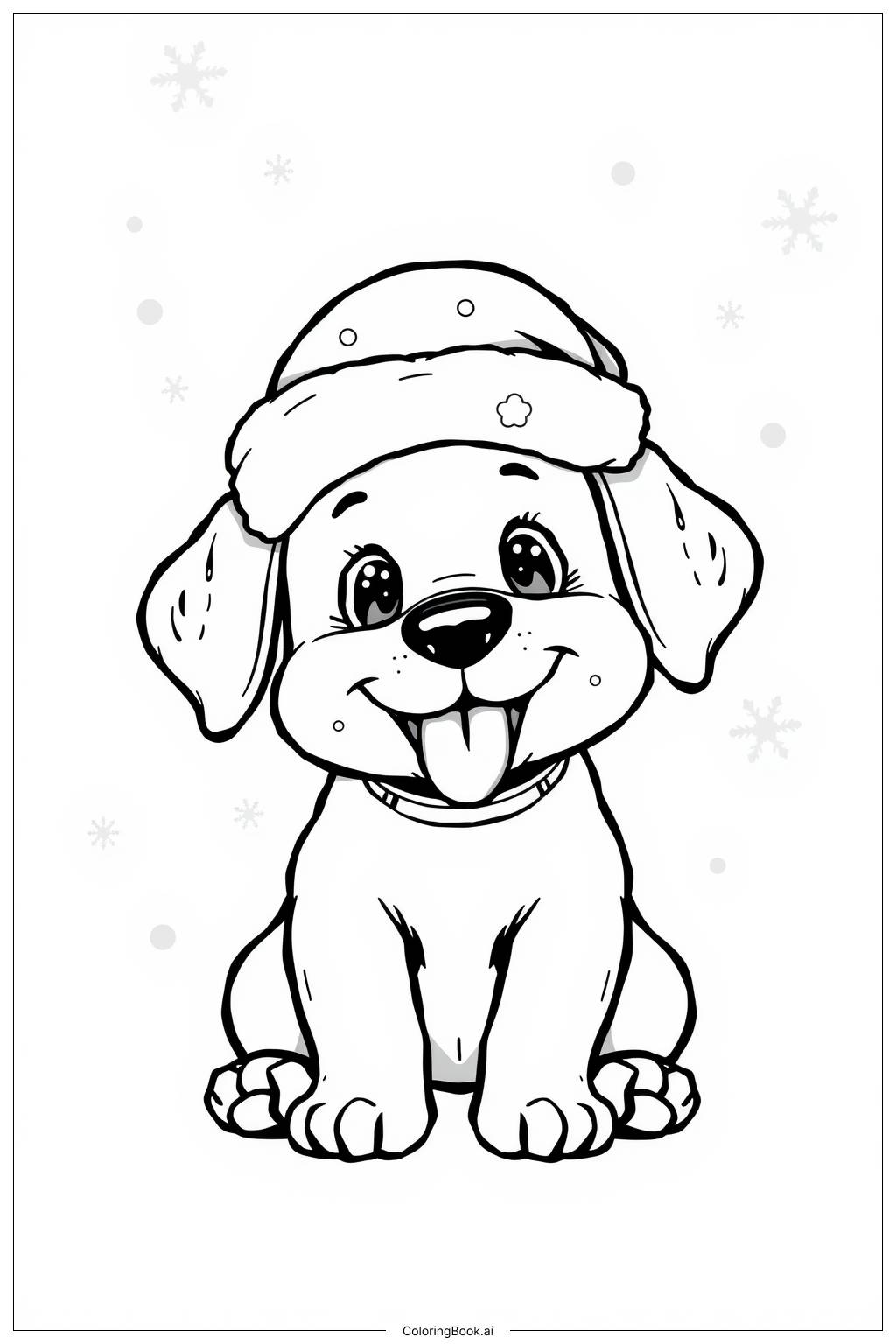
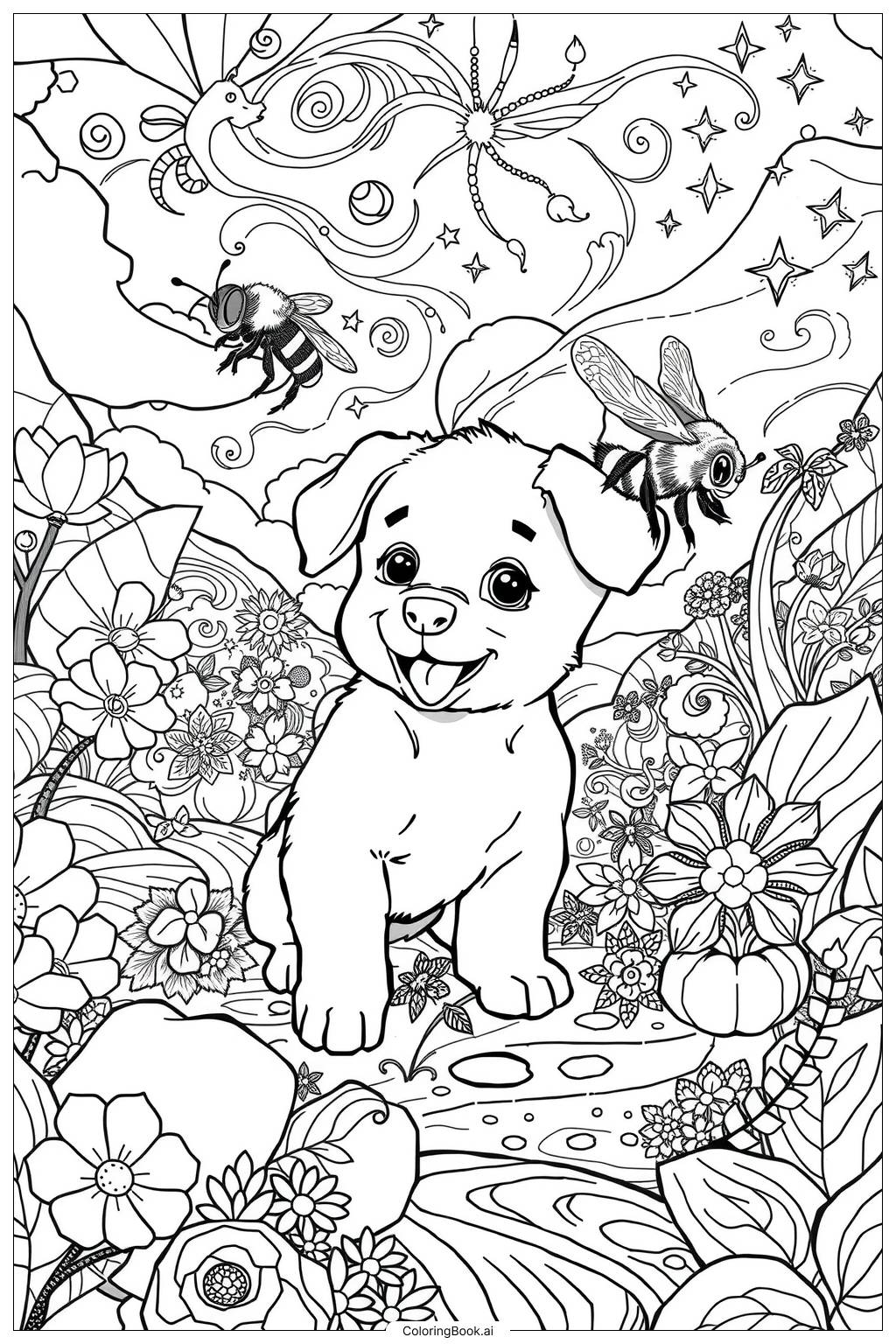
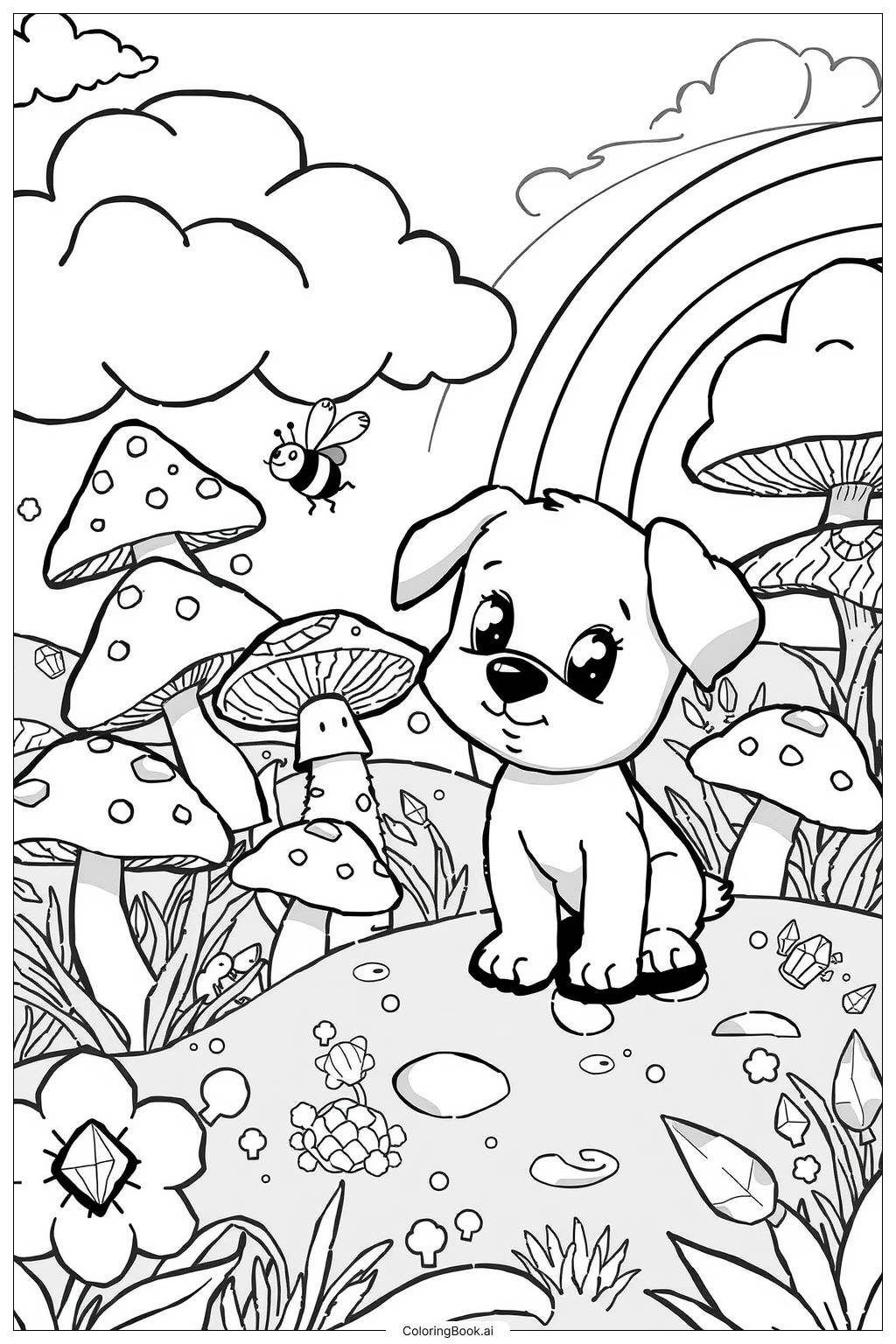
For this Puppy Playing With A Ball, try using warm colors to bring happiness to the scene. You can color the puppy in shades of brown, golden yellow, or soft gray to make it look cuddly. Use bright colors like red, blue, or green for the ball to make it stand out and attract attention. For the grass and flowers, natural greens and gentle yellows or pinks work well to create a lively outdoor feel. Don’t forget to color the puppy’s eyes and nose with darker browns or black to give it life. Adding light blue to the background can suggest a sunny sky. Feel free to mix and match colors creatively—you can even try patterns on the ball or add spots or stripes to the puppy’s fur.
Coloring challenges: Which parts are difficult to color and need attention for Puppy Playing With A Ball coloring page?
• Small Details: The puppy’s eyes, nose, and ears have fine lines that need careful coloring to stay inside the lines without covering too much space.
• Ball Shape: Coloring the round ball evenly can be tricky because shading or highlighting it adds depth. Beginners might find it challenging to create a 3D look.
• Overlapping Areas: Parts of the puppy’s paws overlap with the ball, requiring attention to avoid mixing colors and to keep the objects distinct.
• Grass and Flowers: Coloring the grassy patches and flowers without going outside their small outlines can be a test of precision, especially for young children.
• Expressive Features: Giving the puppy a lively, cute expression means carefully choosing colors and shading the eyes, ears, and tail to reflect its joyful mood.
Benefits of coloring books: Advantages of drawing Puppy Playing With A Ball coloring page
Coloring this Puppy Playing With A Ball helps improve hand-eye coordination and fine motor skills as children carefully fill in different shapes and small details. It encourages creativity by allowing kids to experiment with various color combinations for the puppy, ball, and background. This activity also promotes focus and patience since coloring within lines requires attention. Additionally, coloring a happy puppy scene can boost mood and reduce stress by offering a calming and enjoyable outlet. Finally, it fosters storytelling and imagination by inviting children to think about the puppy’s playful day, which supports language and cognitive development.