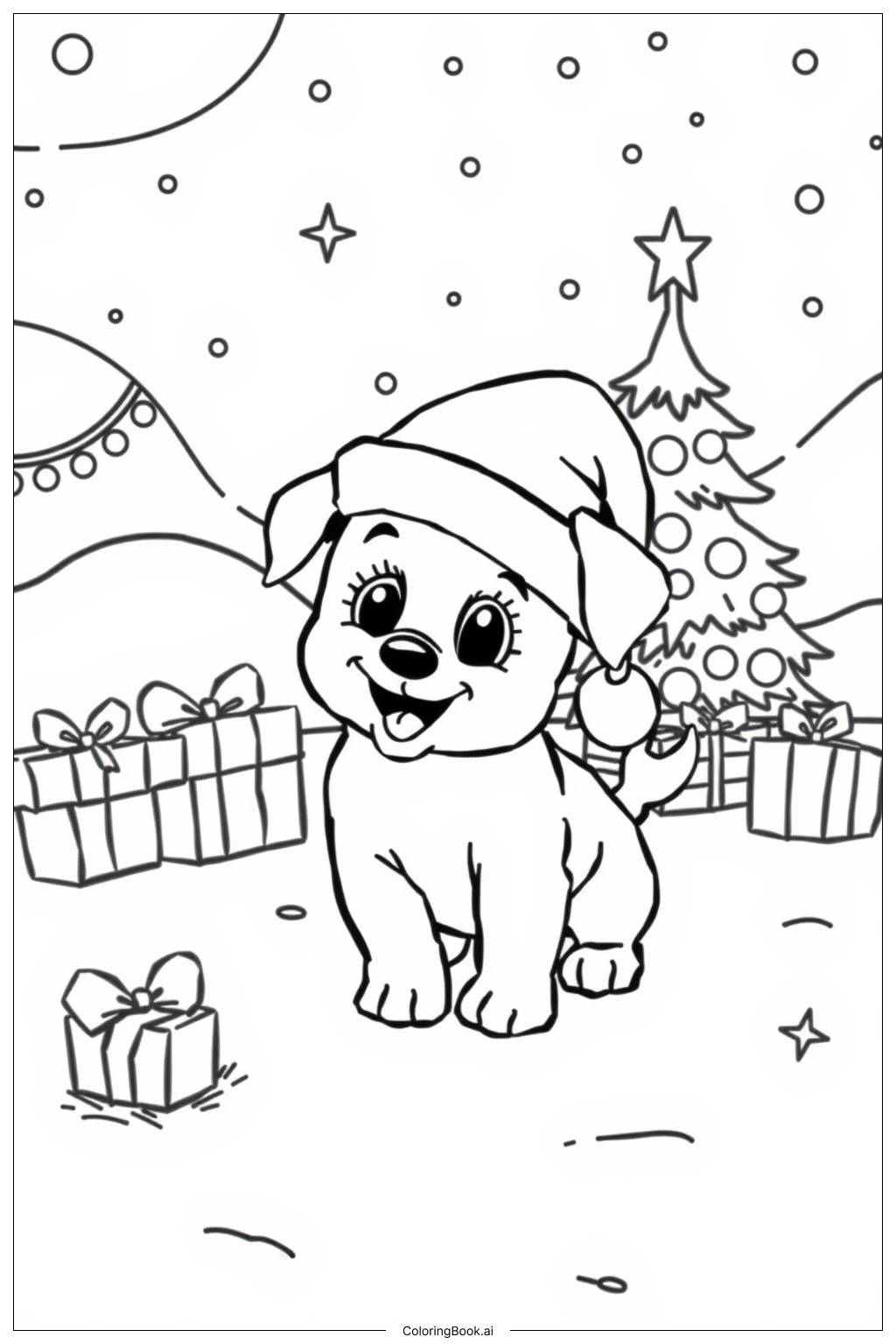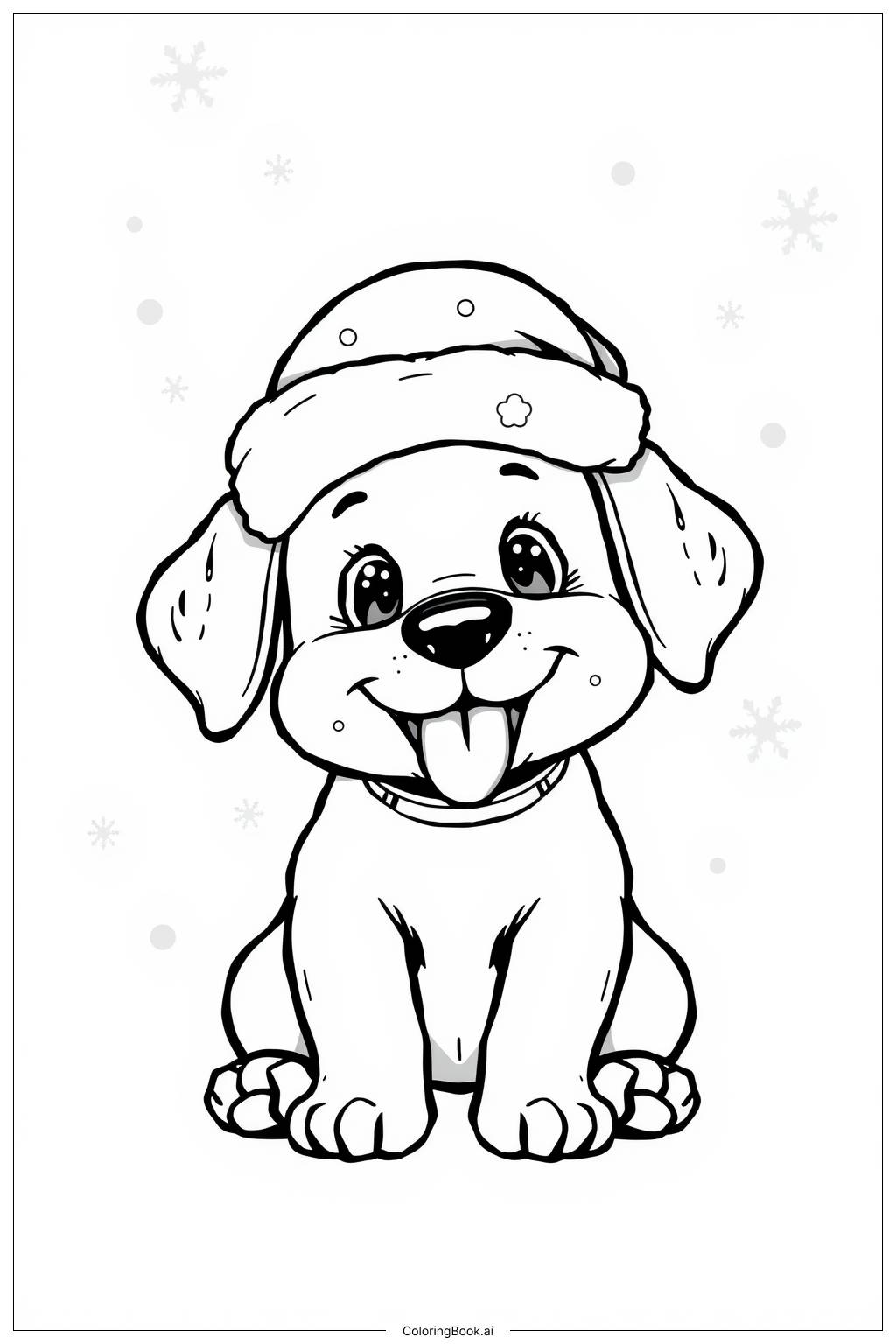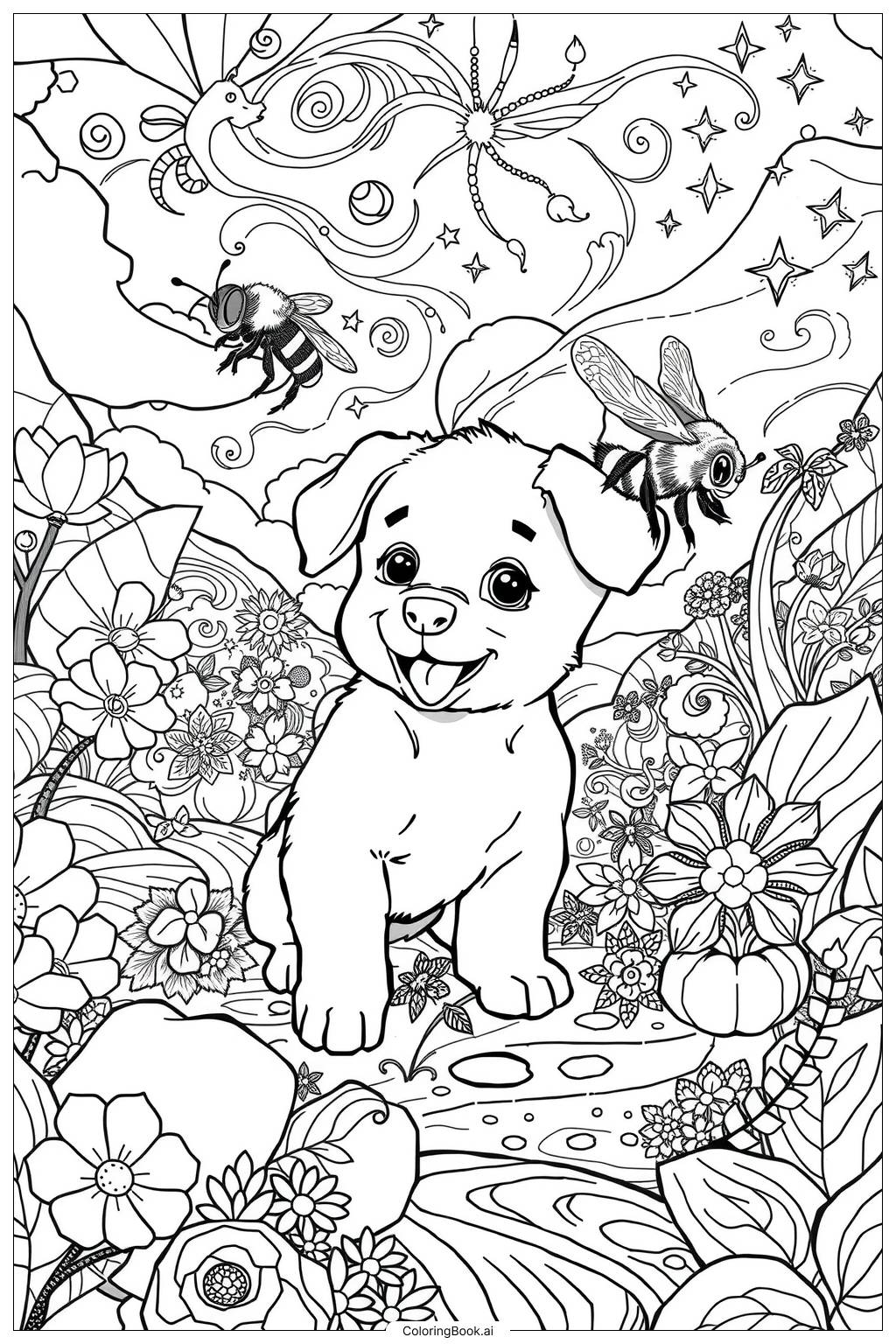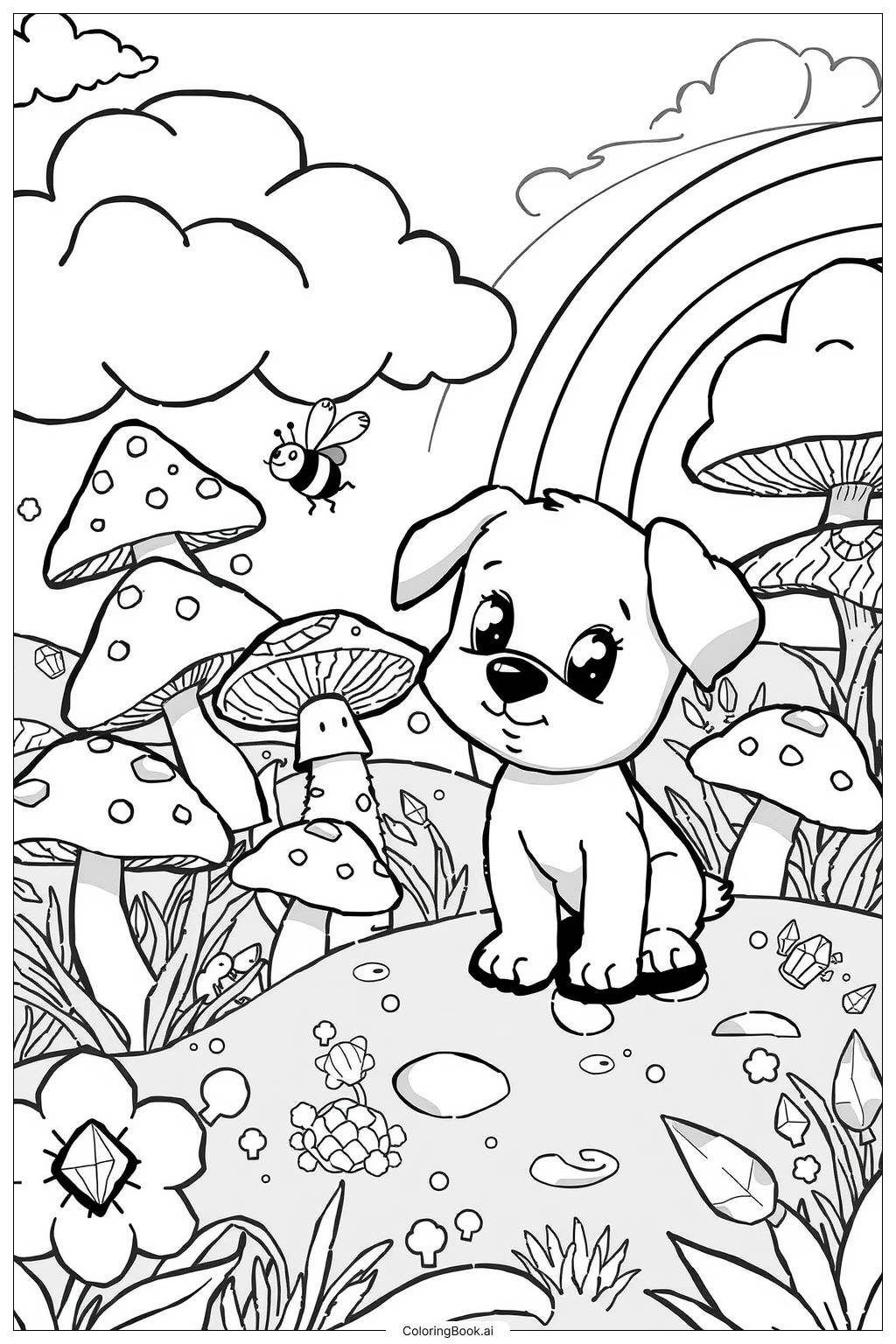
Coloring tips: How to color Puppy Playing with a Ball coloring page well?
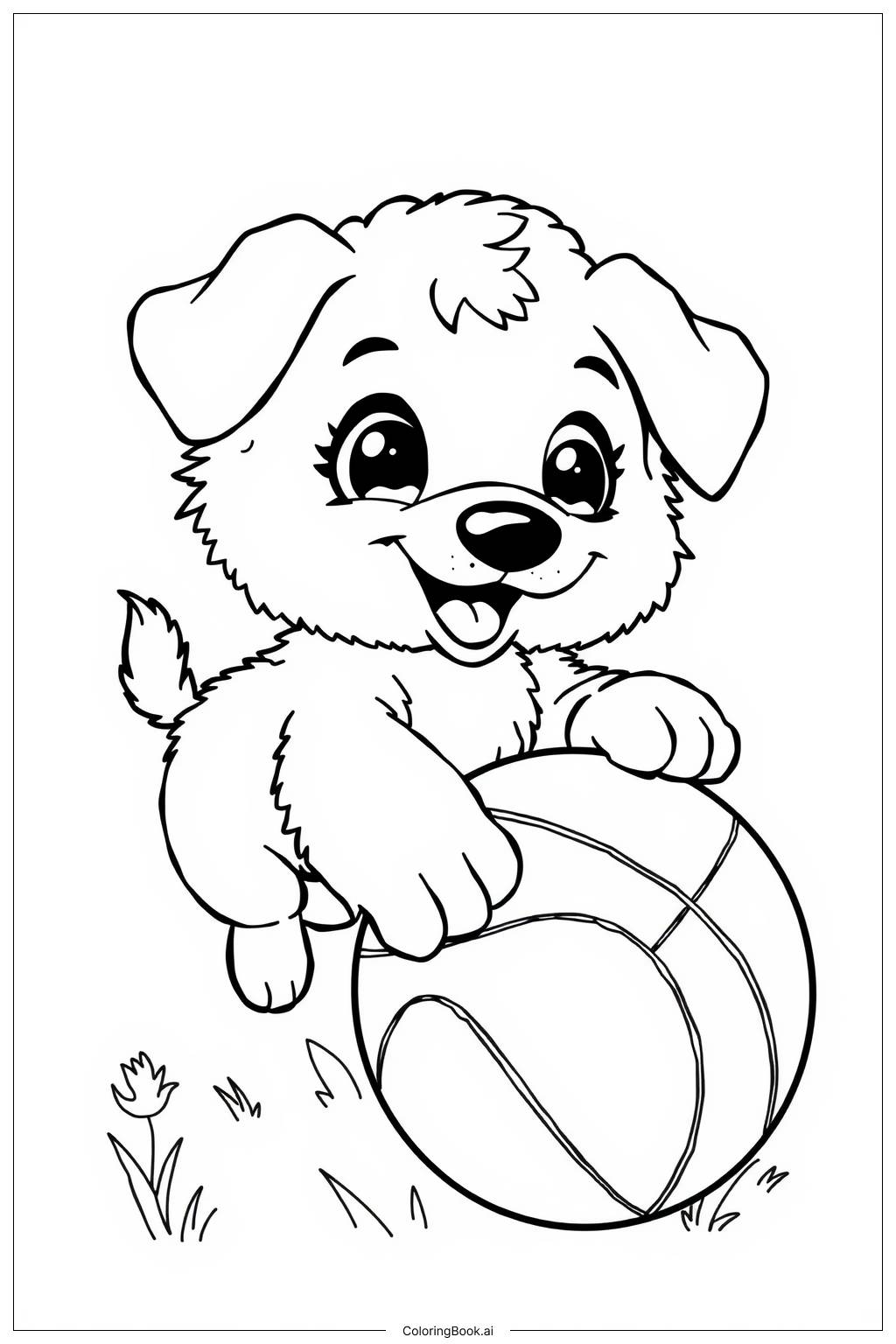
Start with the puppy's fur. Choose a warm color like golden yellow, light brown, or creamy white. You can add darker shades of the same color along the edges of the ears, paws, and back to give the fur some depth and texture. Use short, soft strokes to mimic the look of fluffy fur. For the eyes, color them dark brown or black, and leave a tiny white dot to make them look shiny and alive. Color the nose a soft pink or dark brown. The ball is a great chance to get creative — try bright red, blue, or even a multicolored pattern like a beach ball. Use a slightly darker shade on one side of the ball to add a shadow effect. For the ground, light gray or beige works well. Keep the background simple so the puppy stays the star of the page.
Coloring challenges: Which parts are difficult to color and need attention for Puppy Playing with a Ball coloring page?
• Fur Texture and Shading: The puppy's fluffy coat is one of the trickiest parts to color well. Simply filling it with one flat color will make it look dull. You need to use at least two shades of your chosen fur color — a lighter base tone and a darker shade for the edges, underbelly, and areas around the face. Using short, feathery strokes in the direction the fur grows will make a big difference in how realistic and lively the puppy looks.
• Small Facial Details: The puppy's face has several small features packed closely together — the eyes, nose, mouth, and inner ear markings. These areas require a steady hand and a fine-tipped coloring tool. Smudging or going outside the lines here can change the puppy's entire expression. Take your time and work slowly on the face before moving to larger areas.
• Ball Coloring and Dimension: A ball looks flat if colored with just one solid color. To make it look round and three-dimensional, you need to apply color more heavily on one side and fade it toward the opposite side, which represents where light hits. This gradient effect can be challenging, especially with crayons or markers.
• Paw and Leg Separation: The puppy's paws and legs may have overlapping lines that are close together. Keeping each section its own shade without bleeding into neighboring areas takes patience and control, especially for younger colorists using thicker tools.
Benefits of coloring books: Advantages of drawing Puppy Playing with a Ball coloring page
Coloring this puppy page is a wonderful activity for kids and beginners alike. It helps children develop fine motor skills as they carefully fill in small details like the puppy's eyes, nose, and paw pads. Holding a crayon or colored pencil and staying within the lines strengthens the hand muscles kids use for writing. The image also encourages creative thinking. Choosing colors for the puppy's fur and the ball lets children make their own artistic decisions, which builds confidence and self-expression. There is no single right answer — every color choice is valid, and that freedom is exciting. Coloring a playful puppy is also naturally calming. The focused, repetitive motion of coloring helps reduce stress and improves concentration. For younger children, it extends attention span in a fun and engaging way. The joyful theme of a puppy at play adds an emotional connection to the activity, making it more enjoyable and motivating to finish. Completing the page also gives kids a real sense of accomplishment, boosting their mood and encouraging them to keep creating.