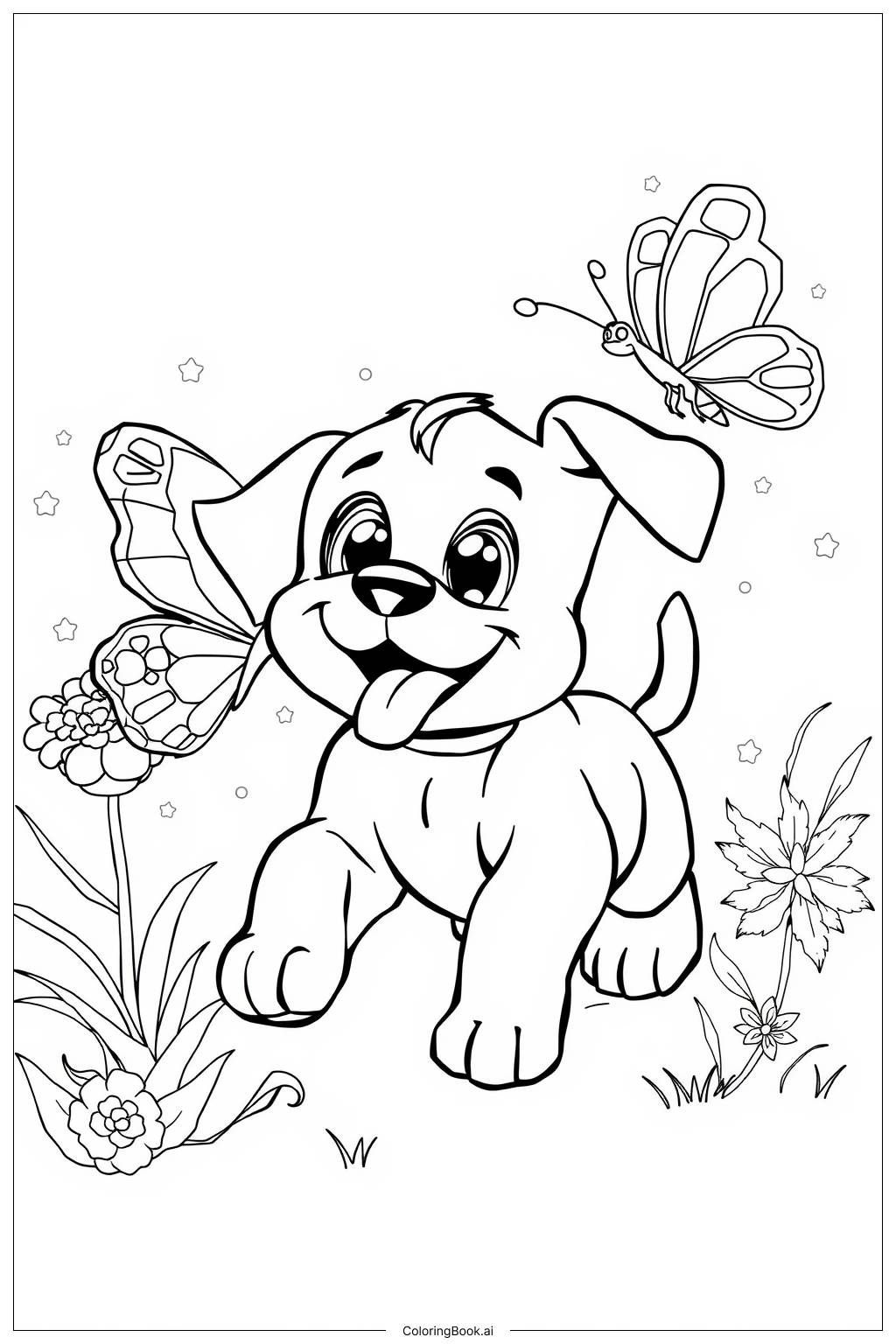
Coloring tips: How to color Puppy Chasing a Butterfly coloring page well?
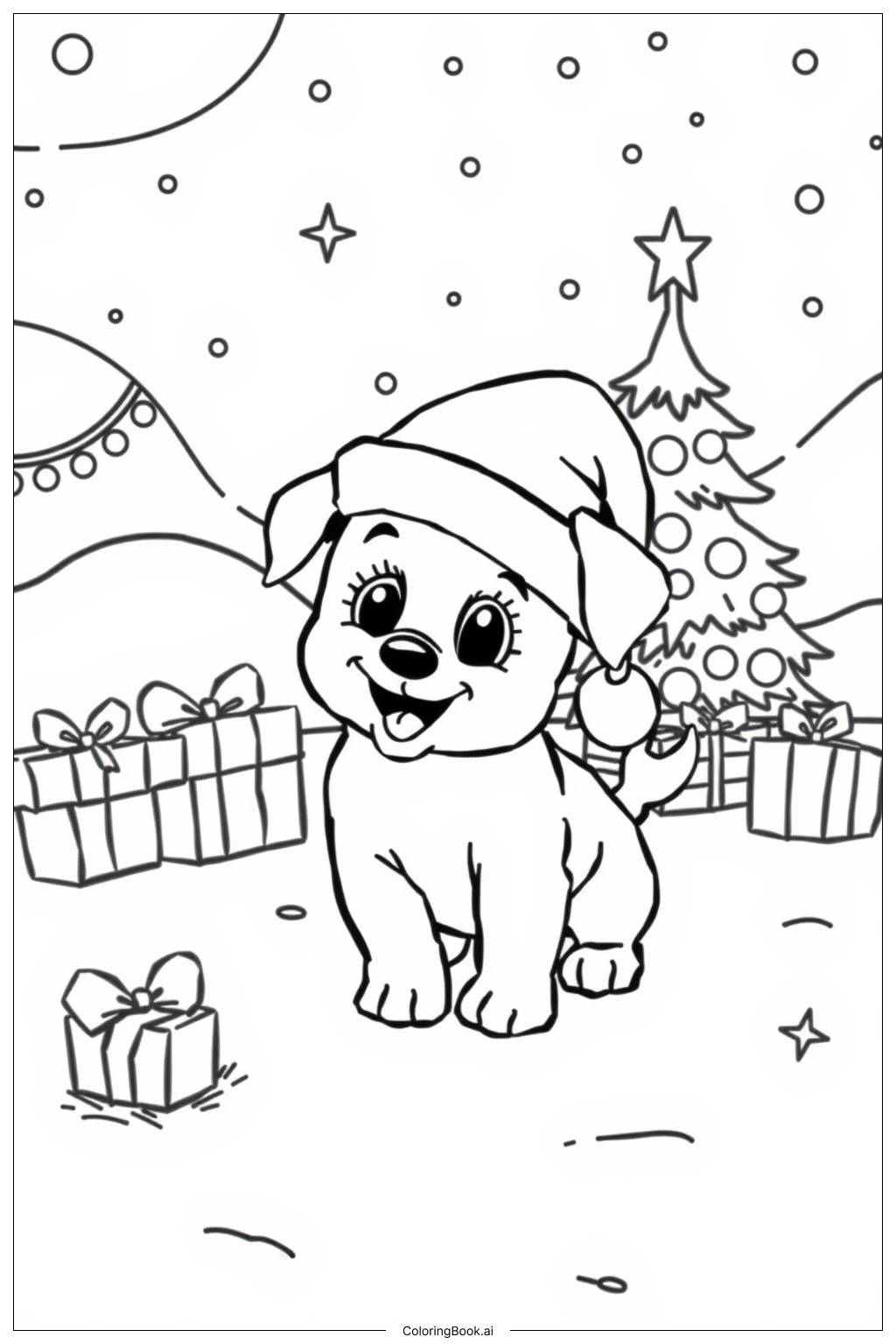
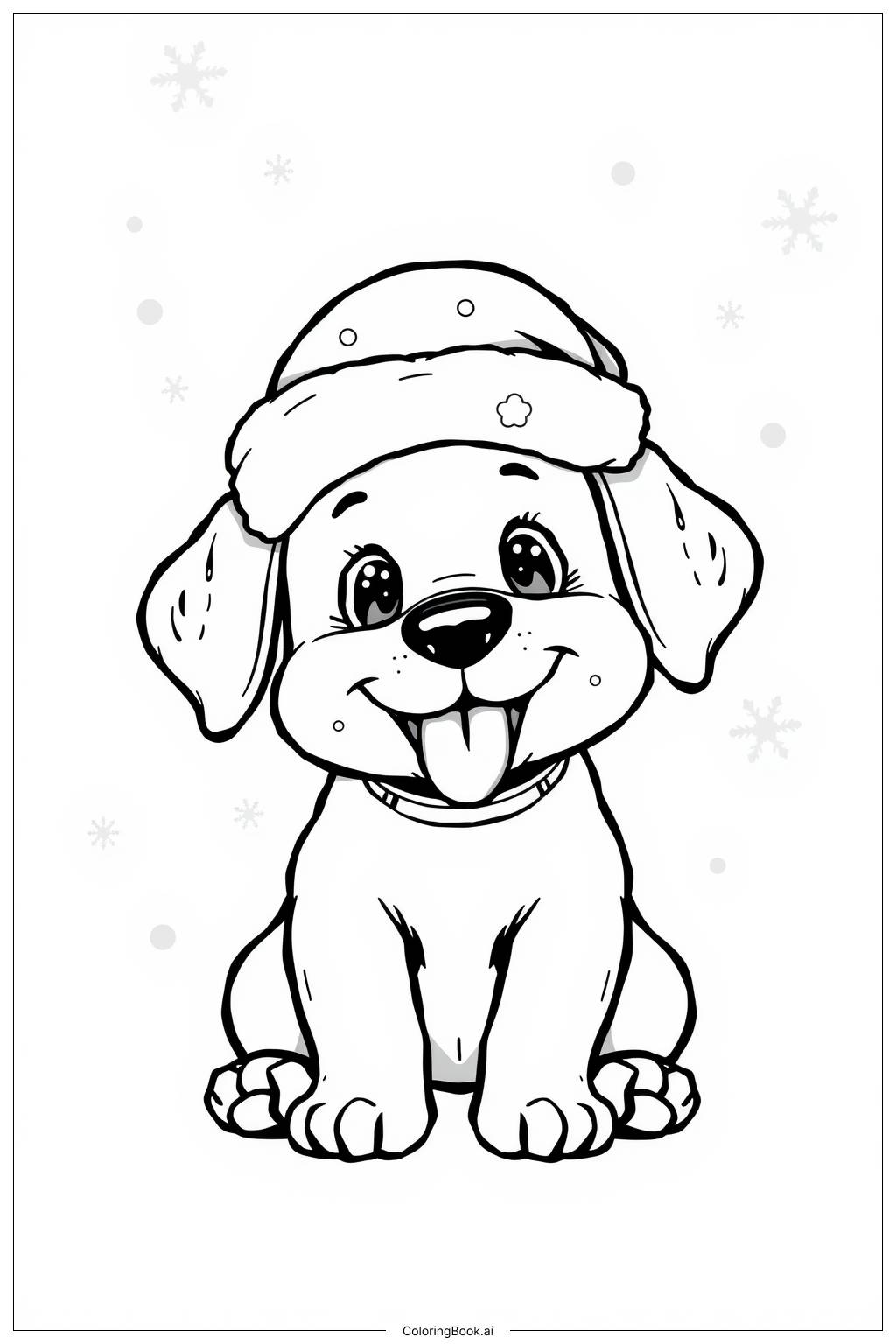
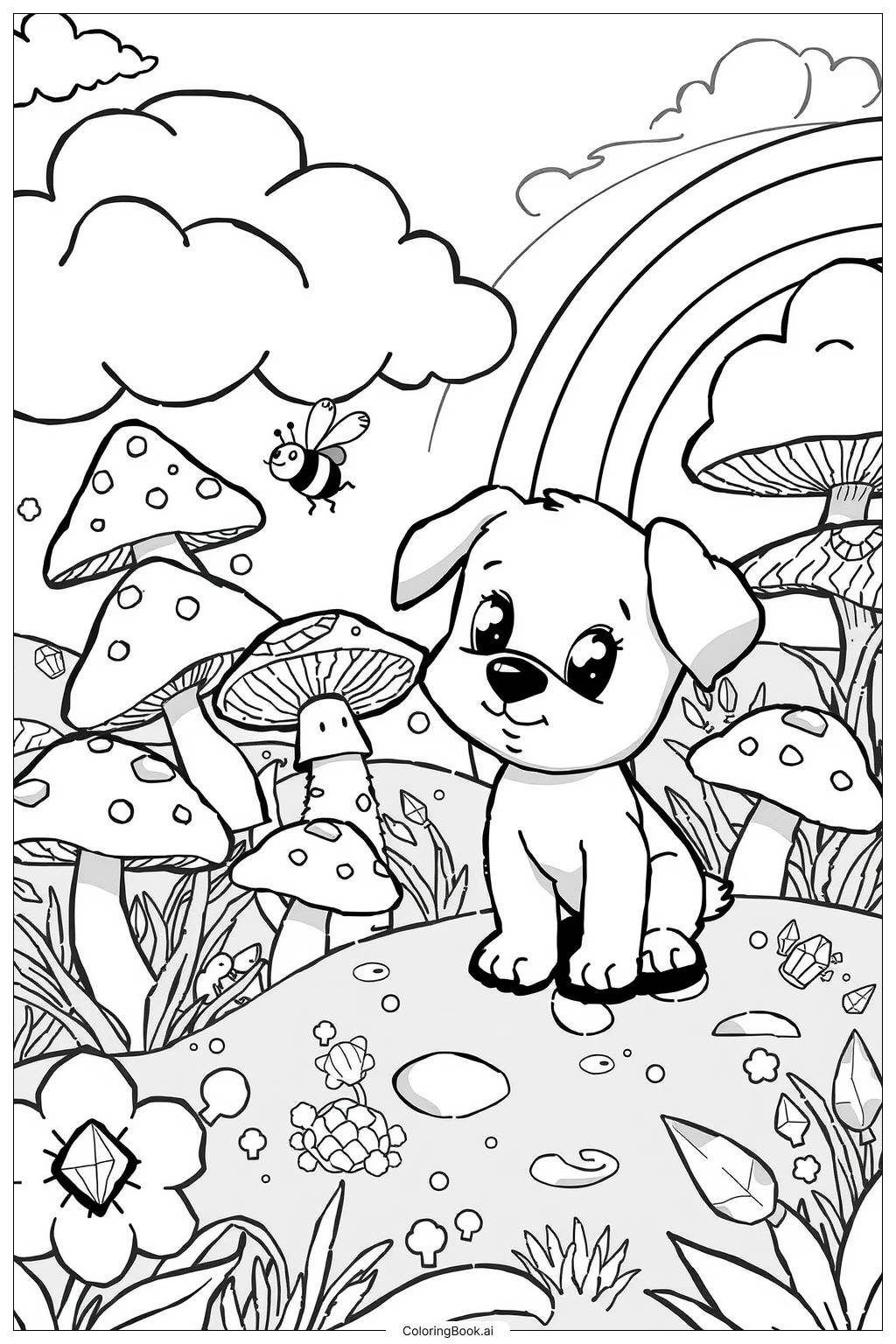
Start with the puppy. Choose a warm base color like golden yellow, light brown, or creamy white for its fur. Add a slightly darker shade on the ears, paws, and tail to give it depth. Use pink for the puppy's nose and tongue, and a soft brown or black for its eyes. For the butterfly, go bold and bright — try orange and black like a monarch, or use purple, blue, and pink for a fantasy look. The wings look great with two or three contrasting colors and small dot patterns inside. Color the flowers in cheerful shades of yellow, red, and violet. Use several greens for the grass to make it feel full and lively. A light blue sky in the background will make everything pop. Let kids experiment freely — there are no wrong color choices here!
Coloring challenges: Which parts are difficult to color and need attention for Puppy Chasing a Butterfly coloring page?
• Puppy Fur Texture: The puppy's coat has layered lines that suggest soft, fluffy fur. Coloring within these small curved lines while keeping the shading smooth and natural can be tricky. Using short, light strokes that follow the direction of the fur lines will help create a realistic and fluffy look. Blending two close shades of the same color works best here.
• Butterfly Wing Patterns: The butterfly's wings feature fine, symmetrical details and small circular markings. Staying inside the tiny pattern sections without smudging or bleeding into neighboring areas requires a steady hand and a well-sharpened pencil or fine-tipped marker. Getting both wings to look balanced and matching is an extra challenge.
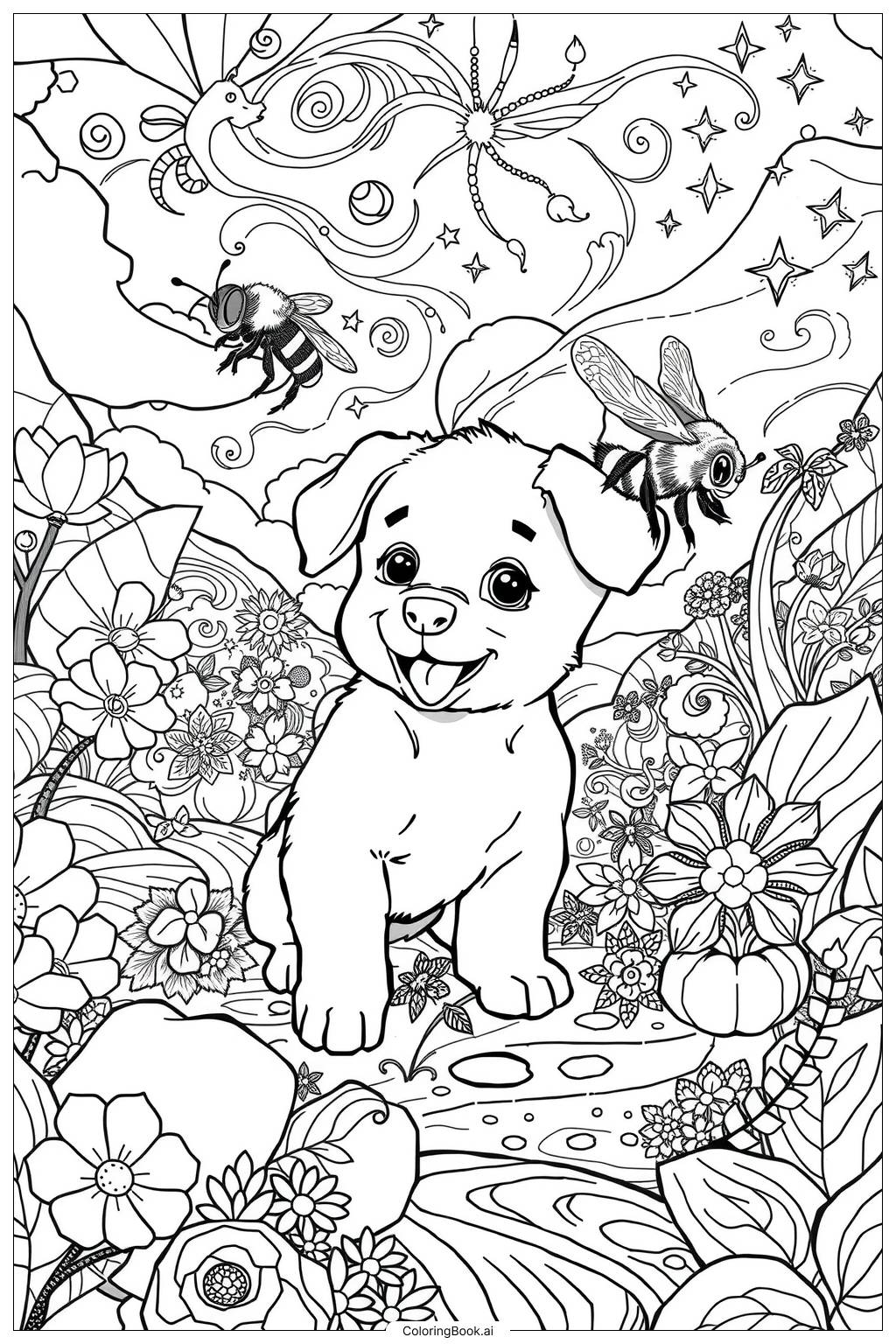
• Small Flower Details: The meadow flowers in the background have small petals and delicate centers. Coloring each petal individually without accidentally filling the wrong section takes patience, especially for younger children. Using a thin coloring tool is recommended for these areas.
• Overlapping Elements: In some areas the puppy's body, the grass, and the flowers overlap. Deciding which element is in front and which is behind — and keeping those colors distinct — requires careful planning before you begin. Lightly sketching your color plan first can help avoid confusion.
• Capturing Motion and Energy: The scene is full of movement. Choosing colors and adding subtle gradient effects to suggest speed and liveliness, like lighter tones at the tips of the ears and tail, adds realism but demands more advanced coloring technique and color control.
Benefits of coloring books: Advantages of drawing Puppy Chasing a Butterfly coloring page
Coloring this puppy and butterfly scene offers a wonderful range of benefits for children. The lively, action-filled composition keeps kids engaged and excited, making it easy for them to stay focused throughout the activity. As they carefully color the puppy's fur, the butterfly's wings, and the surrounding flowers, children naturally develop fine motor skills and improve their hand-eye coordination. Choosing colors for each part of the image encourages creative thinking and builds confidence in making independent decisions. The gentle, joyful subject matter — a puppy playing in a meadow — creates a calming and positive mood, making coloring a great way to unwind after a busy day. Working through the details of the butterfly's wing patterns and the overlapping grass also helps children practice patience and attention to detail. For younger children, this image introduces basic concepts like foreground and background. For older kids, it offers a satisfying creative challenge. Sharing the finished page with family and friends builds a sense of pride and accomplishment. Overall, this coloring page blends fun, learning, and relaxation in one cheerful activity.