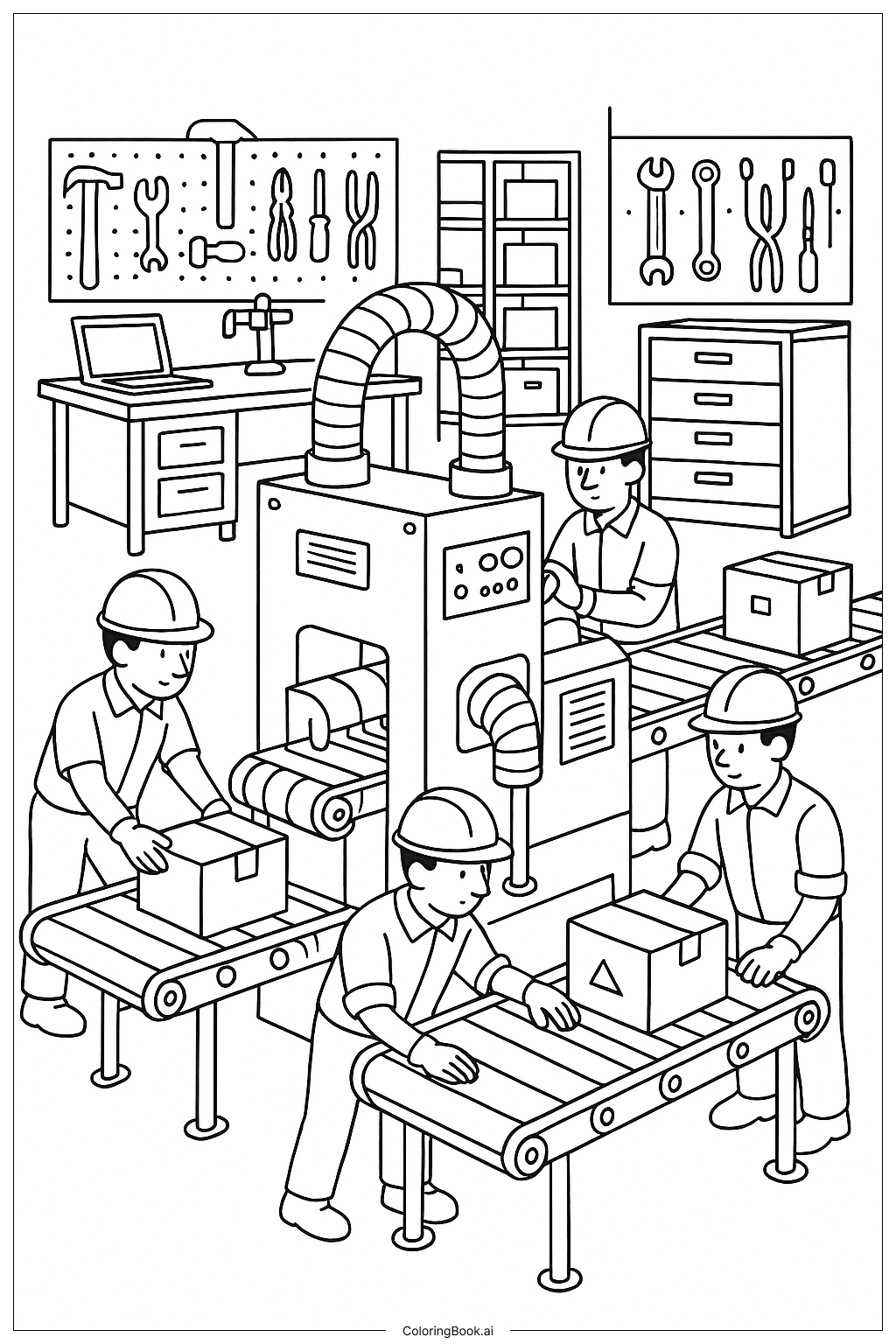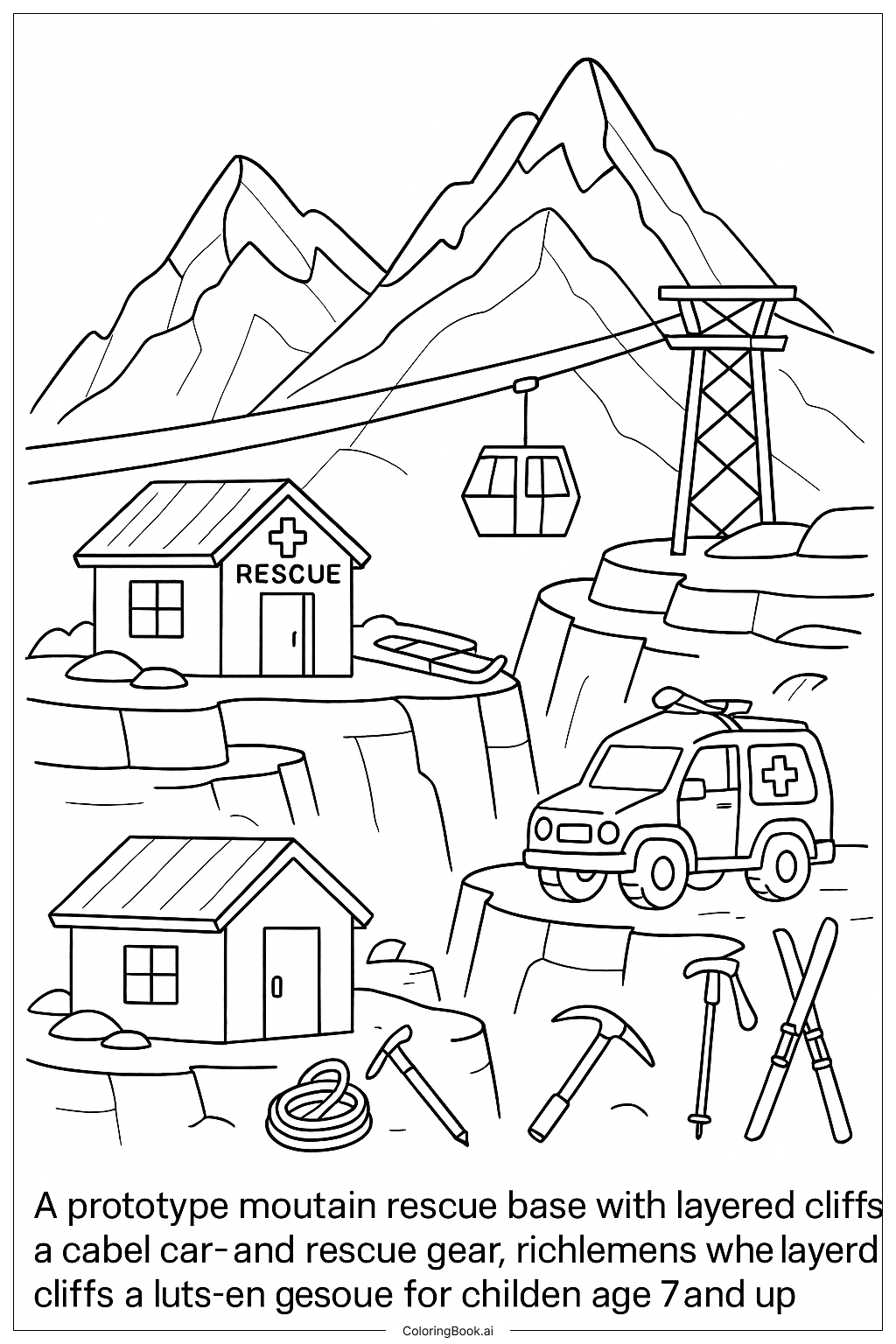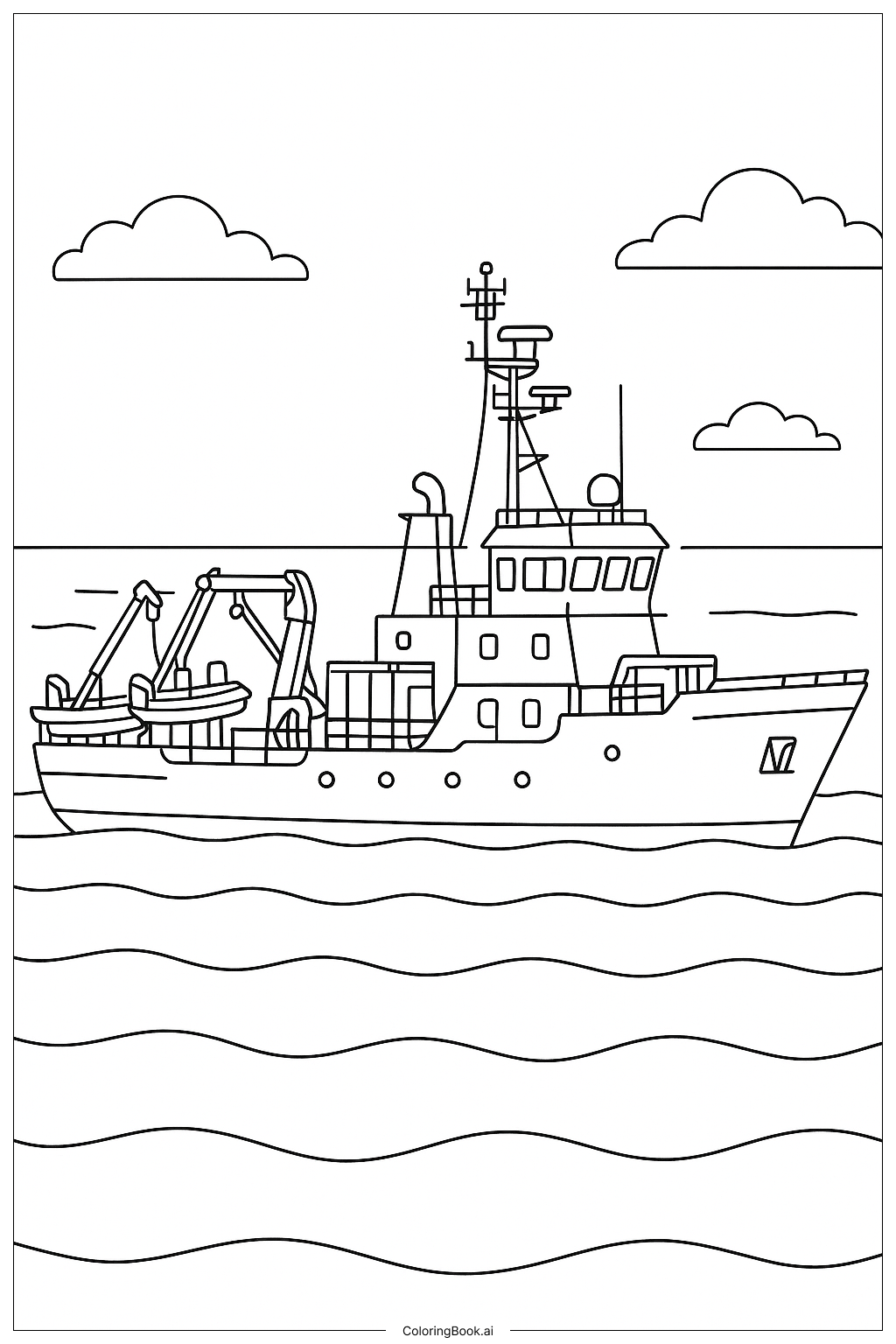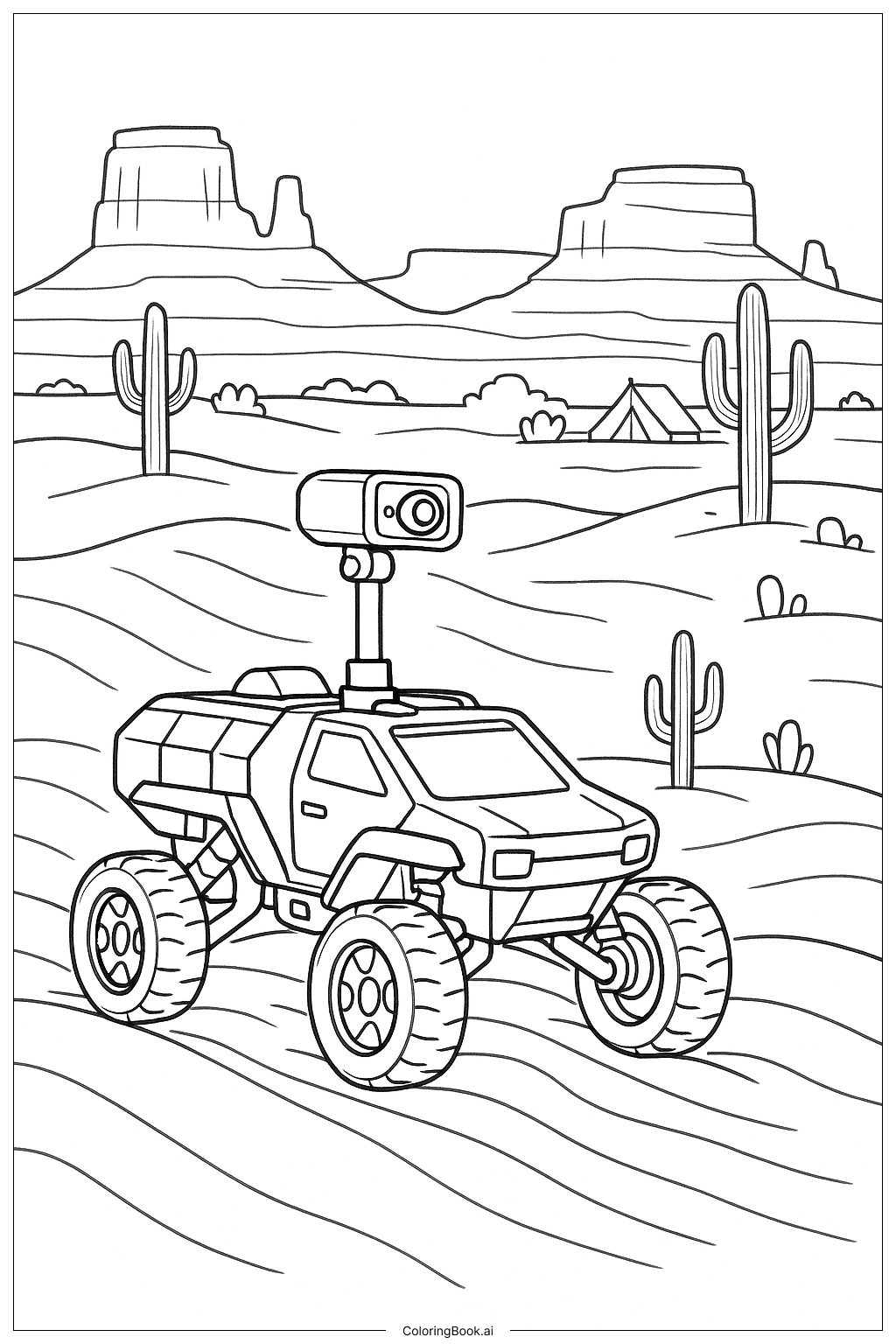
Coloring tips: How to color Prototype Toy Workshop coloring page well?
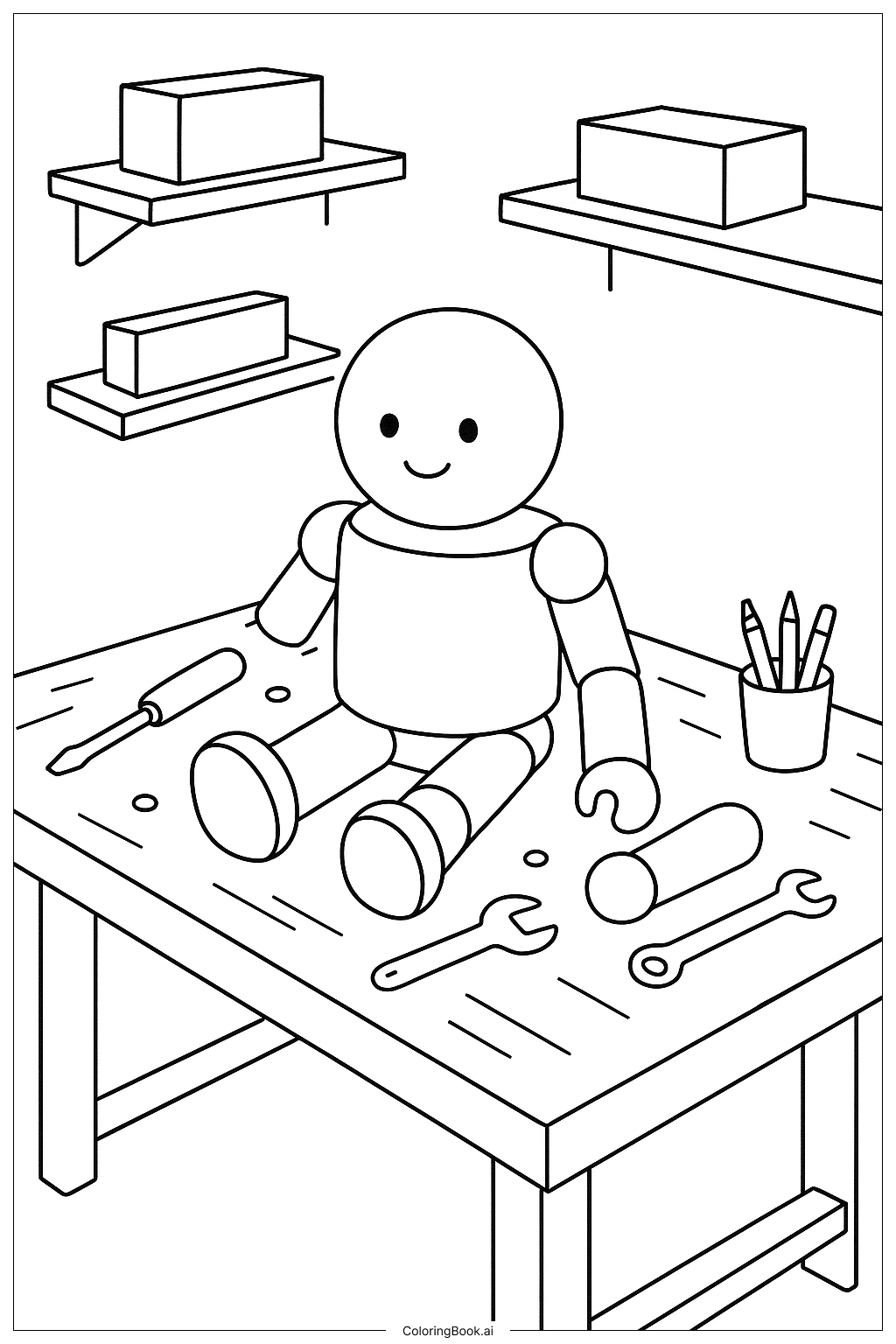
Try coloring the wooden robot with light brown or beige shades to make it look like real wood. Use bright colors like red, blue, or yellow to color the tools and pencils for fun contrasts. For the shelves and boxes, choose soft colors like pastel blues or greens so they don’t distract from the main robot figure. You can give the workbench a natural wood color with brown tones. Feel free to add colorful patterns on the robot’s face or body to make it more lively and playful!
Coloring challenges: Which parts are difficult to color and need attention for Prototype Toy Workshop coloring page?
1. The small details such as the tools and pencils might be tricky to color neatly because of their size and shape. 2. The robot’s round shapes, especially the head and hands, need careful coloring to stay inside the lines. 3. The shelves and boxes require attention to coloring the straight edges precisely. 4. Adding shadows and highlights to make the objects look 3D could be challenging for beginners. 5. Balancing the colors so the whole picture looks harmonious without any part overpowering the others may take some planning.
Benefits of coloring books: Advantages of drawing Prototype Toy Workshop coloring page
Coloring this picture helps children practice fine motor skills because of the small parts like tools and robot details. It encourages creativity as they decide what colors to use on the robot and workbench. The image also teaches about shapes and space while filling in different areas. Working on this scene can boost focus and patience, important skills for young artists. Plus, it’s fun to bring a toy workshop to life with colors!