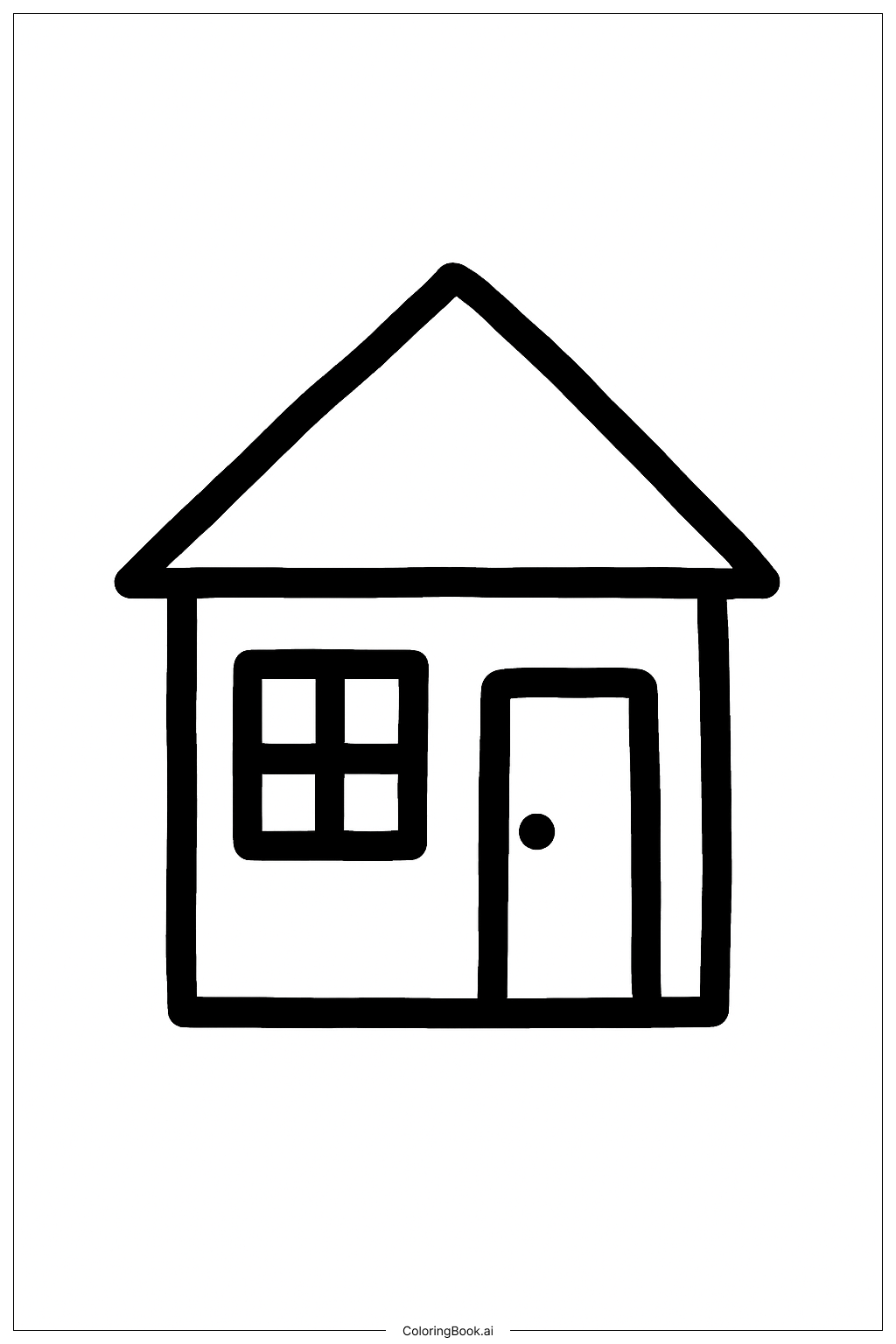
Coloring tips: How to color Prototype Small House coloring page well?
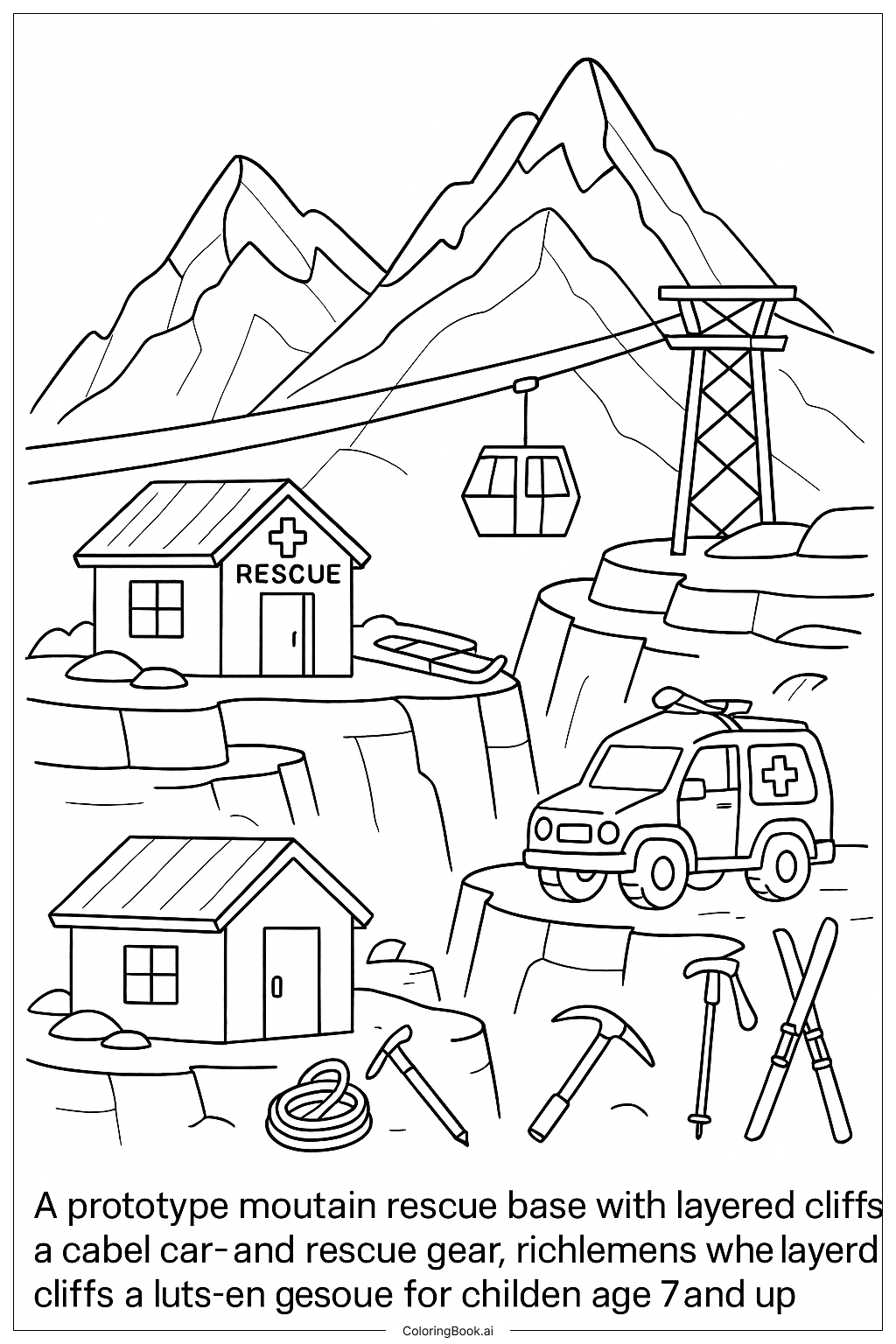
Use bright and cheerful colors to make the house look lively. You can color the roof red or orange to give it a warm feeling. The walls can be colored in soft colors like yellow, blue, or green. For the door, you can choose a different color like brown or purple to make it stand out. The window panes can be light blue or white to show the glass. Try to color inside the lines to keep the house neat. You can also add some details like patterns on the roof or flowers near the door if you want to be creative. Use crayons, colored pencils, or markers based on what you like best.
Coloring challenges: Which parts are difficult to color and need attention for Prototype Small House coloring page?
1. Staying inside the bold lines can be tricky for younger children since the lines are thick but the spaces are not very large. 2. Coloring the small window panes evenly may require careful attention to avoid coloring outside the lines. 3. Choosing colors that look good together can be a challenge, especially for beginners. 4. Keeping the door and window distinct with different colors without blending can take some effort. 5. Balancing creativity while following the basic house shape might be difficult for kids who prefer more abstract coloring but want to keep the picture recognizable.
Benefits of coloring books: Advantages of drawing Prototype Small House coloring page
Coloring this small house helps children improve their fine motor skills by controlling their hand movements. It encourages creativity as they decide what colors to use for the roof, walls, door, and window. This activity also teaches children about shapes and spatial awareness, as they learn to color different parts separately. Coloring within the lines helps build concentration and patience. Additionally, completing the picture boosts confidence and gives a sense of accomplishment.