Coloring tips: How to color Pot Of Gold On A Hill coloring page well?
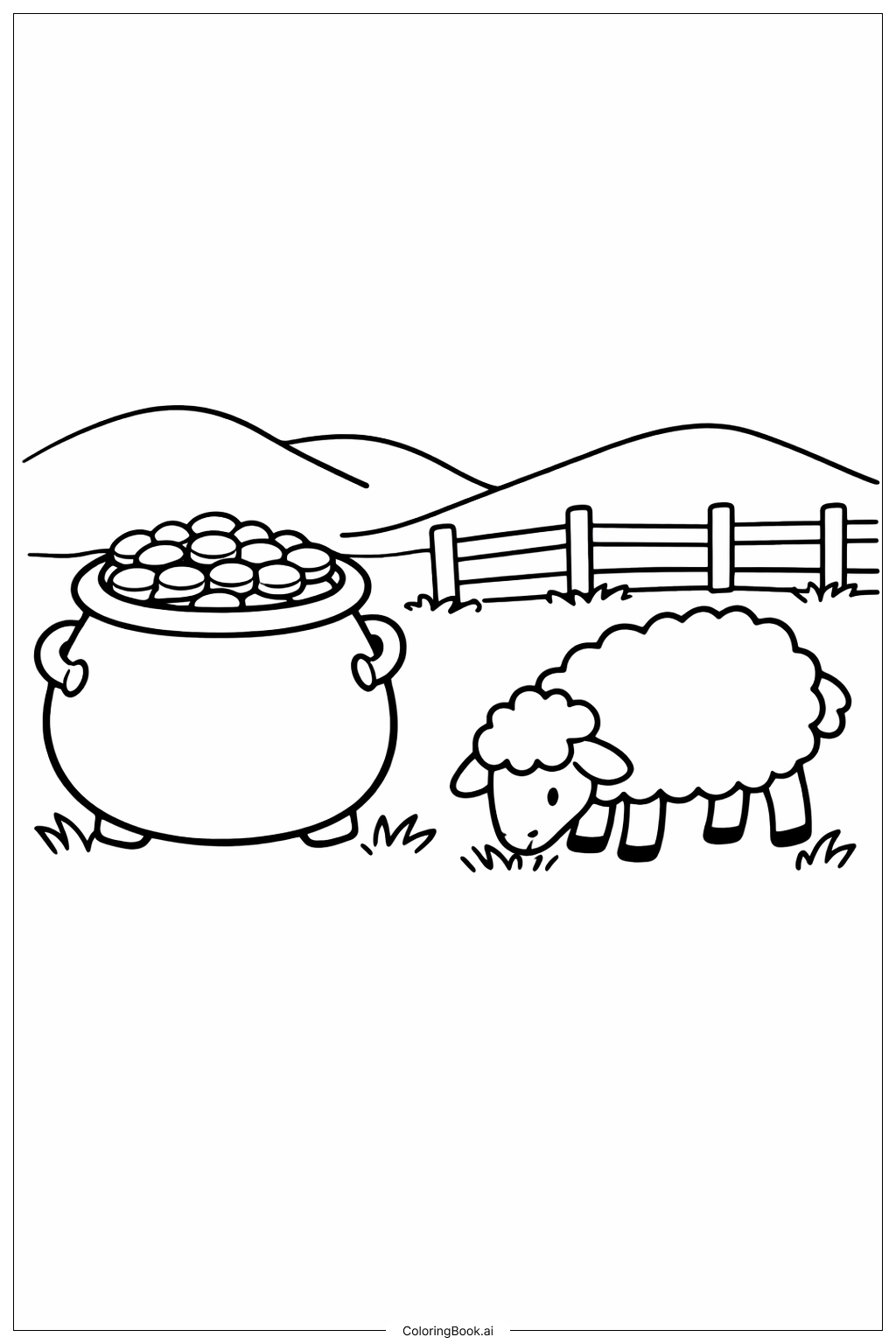
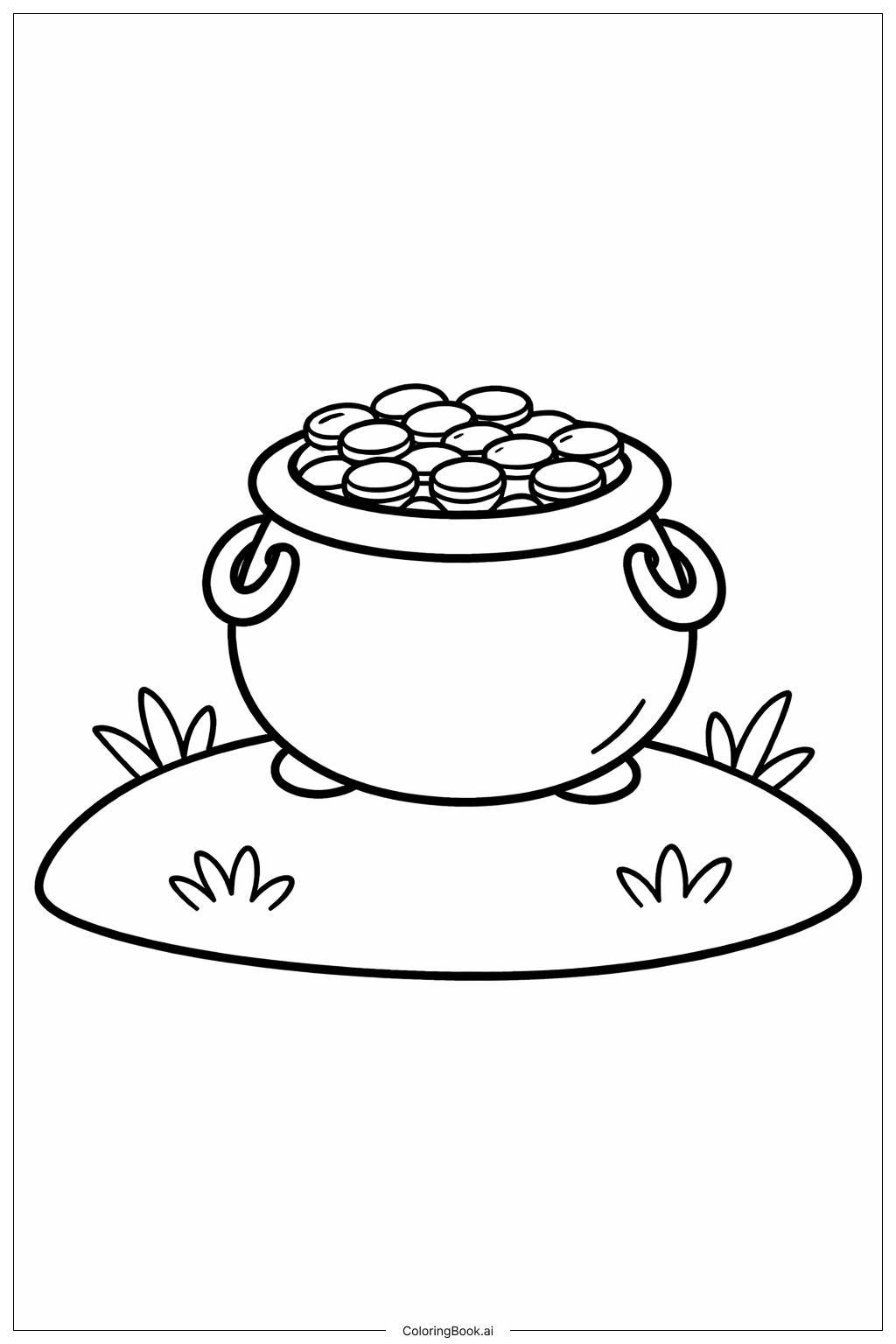
Start with the rainbow, working from the top arch down. Use red, orange, yellow, green, blue, and violet in order for an authentic look. Color the hill in bright or medium green, and add a few lighter green patches to show where sunlight hits the slopes. Use dark brown or black for the pot itself, then switch to a rich golden yellow for all the coins inside and spilling out. You can add a little orange shading on the coins to make them look shiny and three-dimensional. Color the clouds in soft white or pale blue-gray. Fill the shamrocks and clovers with deep green or lime green to make them pop against the hill. Feel free to add a light blue wash across the sky background to bring the whole scene to life.
Coloring challenges: Which parts are difficult to color and need attention for Pot Of Gold On A Hill coloring page?
• Rainbow Color Order: The rainbow has multiple bands that must follow the correct color sequence — red, orange, yellow, green, blue, indigo, and violet. Keeping each band neat and in the right order can be tricky, especially near the curved edges where the bands narrow. Young colorists may need a little guidance to stay within each stripe without letting colors bleed into one another.
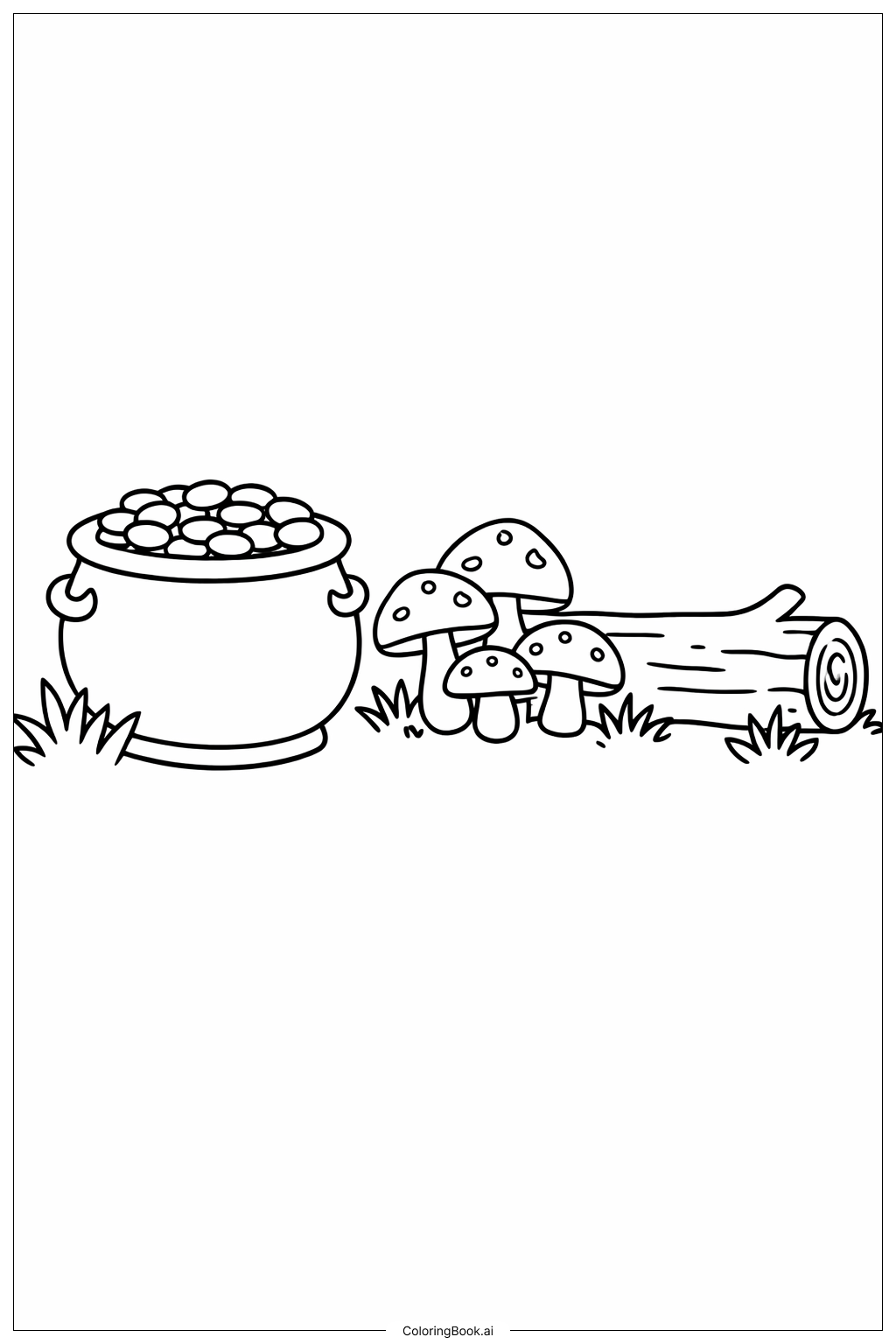
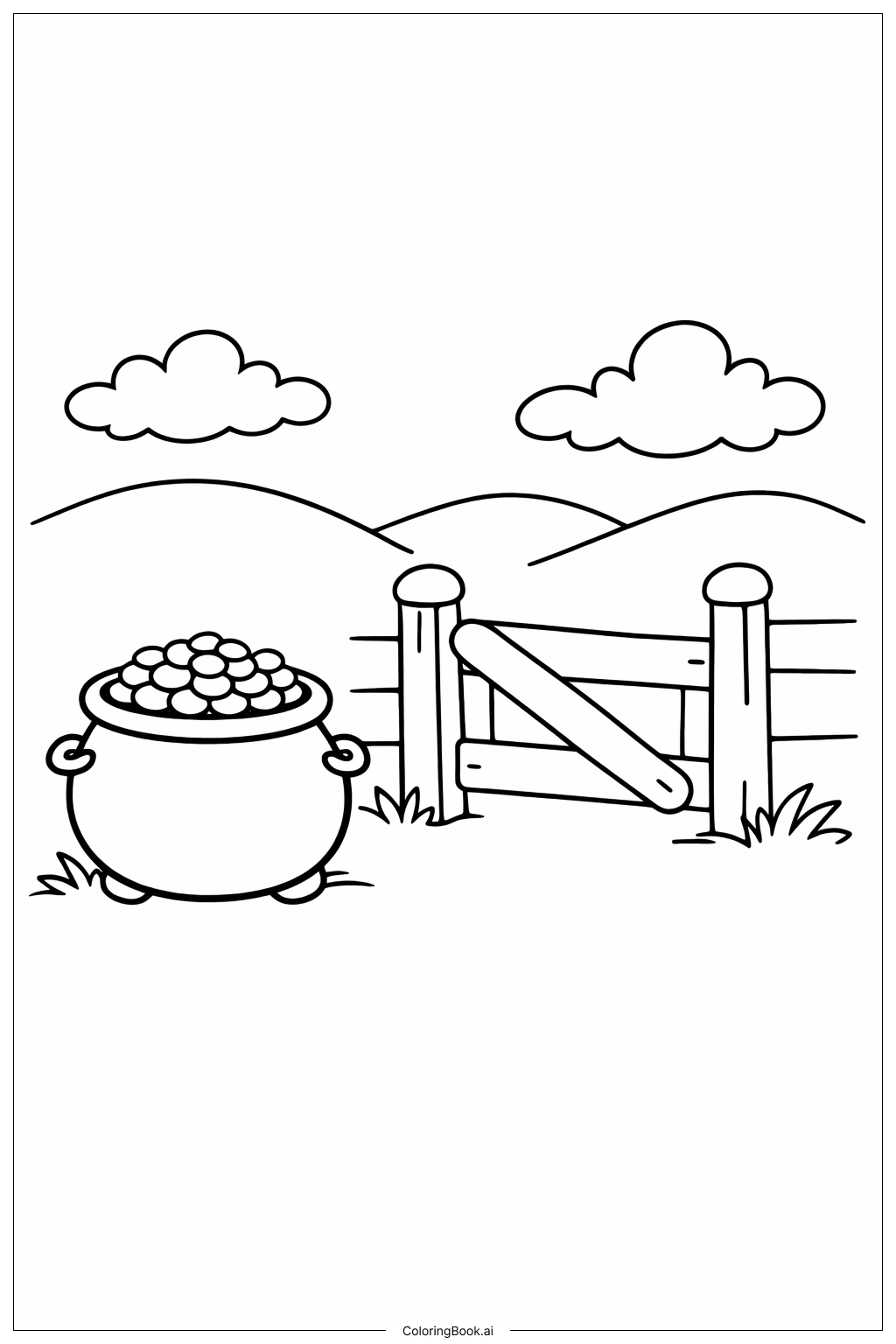
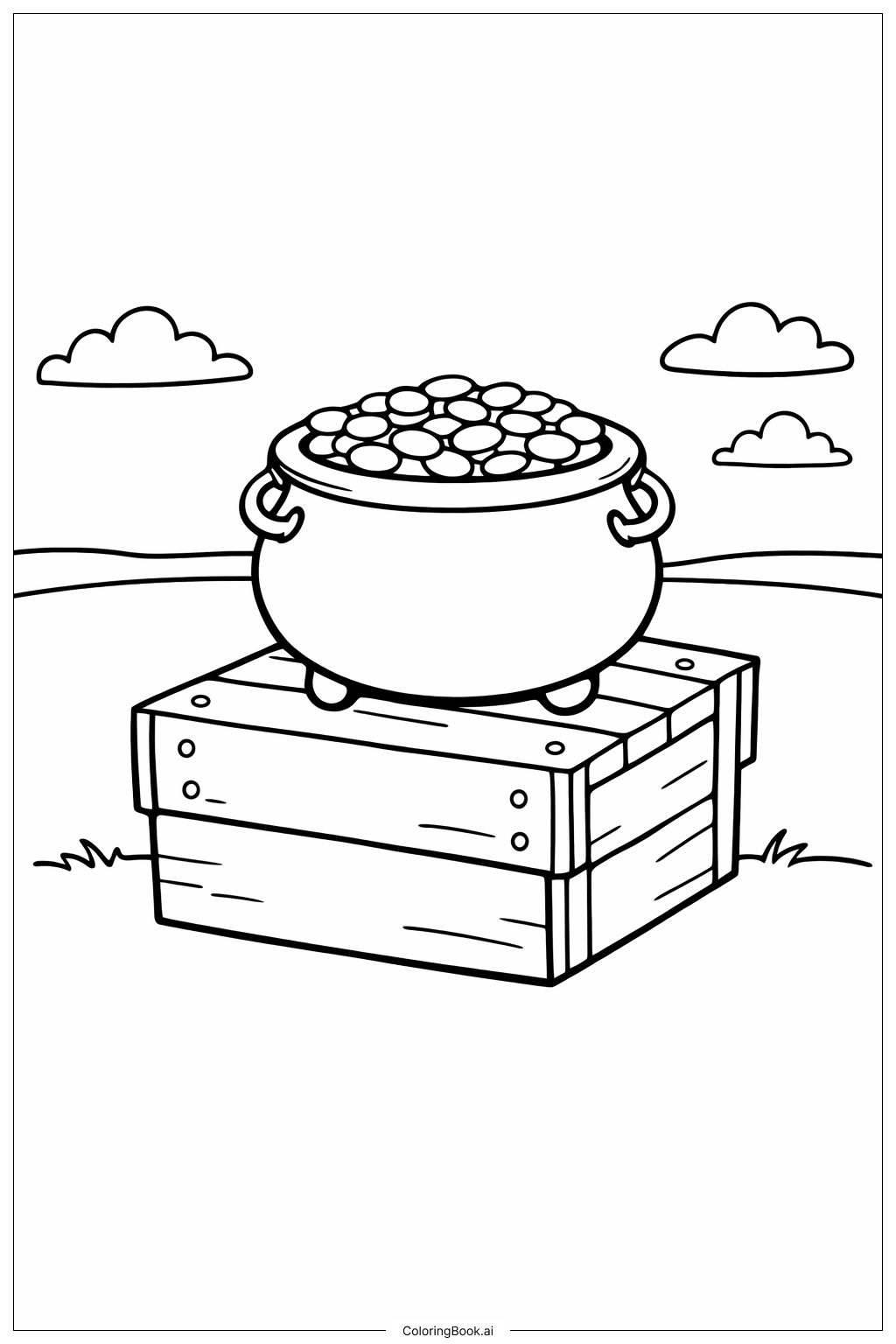
• Shiny Gold Coins: The pile of coins is one of the most detailed parts of the image. Each coin is a small circle or oval shape, and coloring them individually takes patience and a steady hand. To make the coins look truly golden and gleaming, you need to leave some areas lighter and shade others darker, which is a more advanced technique for younger children.
• Pot Texture and Shading: The pot is a simple shape, but making it look round and three-dimensional requires shading. Darker tones on the sides and a lighter area in the middle help suggest a curved metal surface. This blending challenge may be difficult for beginners working with crayons or colored pencils.
• Small Shamrock Details: The tiny shamrocks scattered across the hillside have small, closely spaced leaves. Coloring inside these petite shapes without going outside the lines requires fine motor control and a sharp pencil tip or thin marker.
• Hill Gradients and Depth: The rolling hill looks most natural when colored with subtle variations in green — lighter at the top where light falls and darker in the shadowed lower areas. Achieving this smooth gradient is a challenge for colorists still developing their blending skills.
Benefits of coloring books: Advantages of drawing Pot Of Gold On A Hill coloring page
Coloring this Pot Of Gold On A Hill scene offers a wonderful range of benefits for kids and beginners alike. Working on the rainbow helps children learn about color order and sequencing in a fun, hands-on way. It also builds color recognition skills in a meaningful context they can remember.
Filling in the tiny coins and small shamrock shapes strengthens fine motor control and hand-eye coordination, which are important skills for writing and everyday tasks. The detailed work encourages children to slow down, focus, and practice patience.
The scene sparks imagination and storytelling. Kids often start thinking about who the pot of gold belongs to, where the rainbow leads, and what they would do with the treasure — all of which nurture creative thinking and language development.
Spending time coloring also has a calming effect. The repetitive, focused nature of staying within the lines helps reduce stress and supports emotional regulation, making it a great quiet-time activity after a busy day.
Finally, completing a colorful, finished piece builds confidence and a sense of achievement. Displaying the finished artwork gives children pride in their work and motivates them to keep creating. It is a simple, joyful activity with real developmental value.