Coloring tips: How to color Peacock Walking on Trail coloring page well?
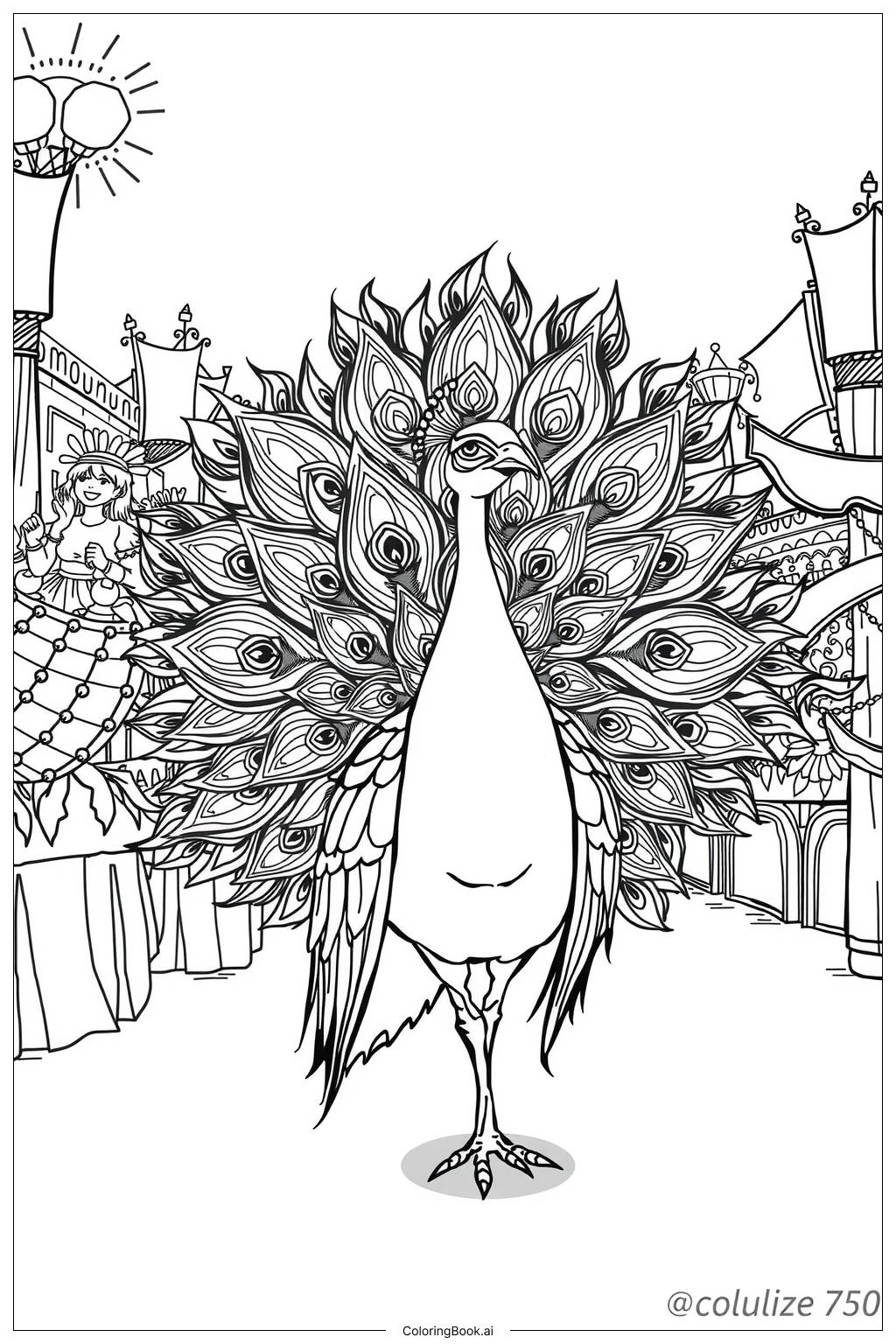
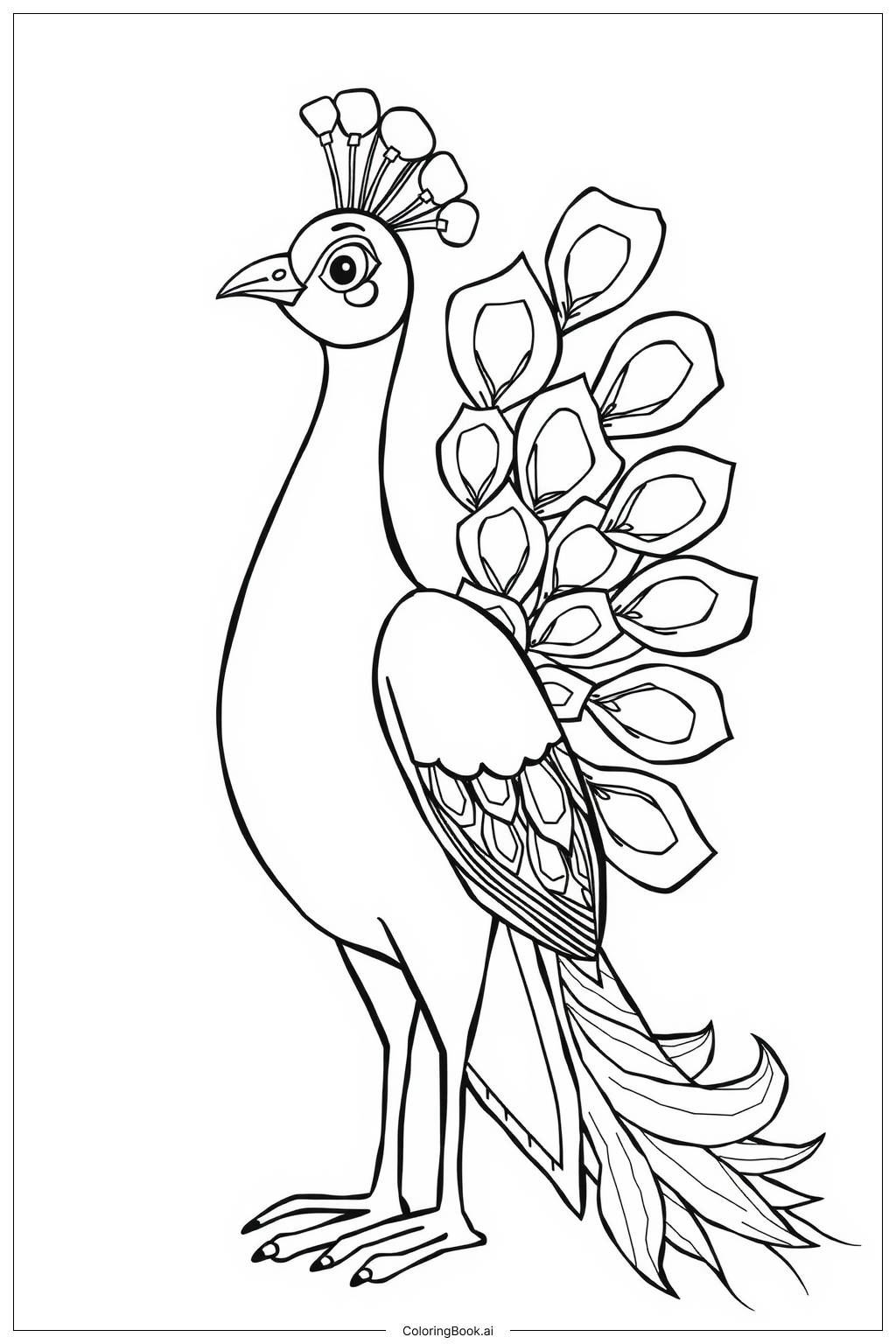
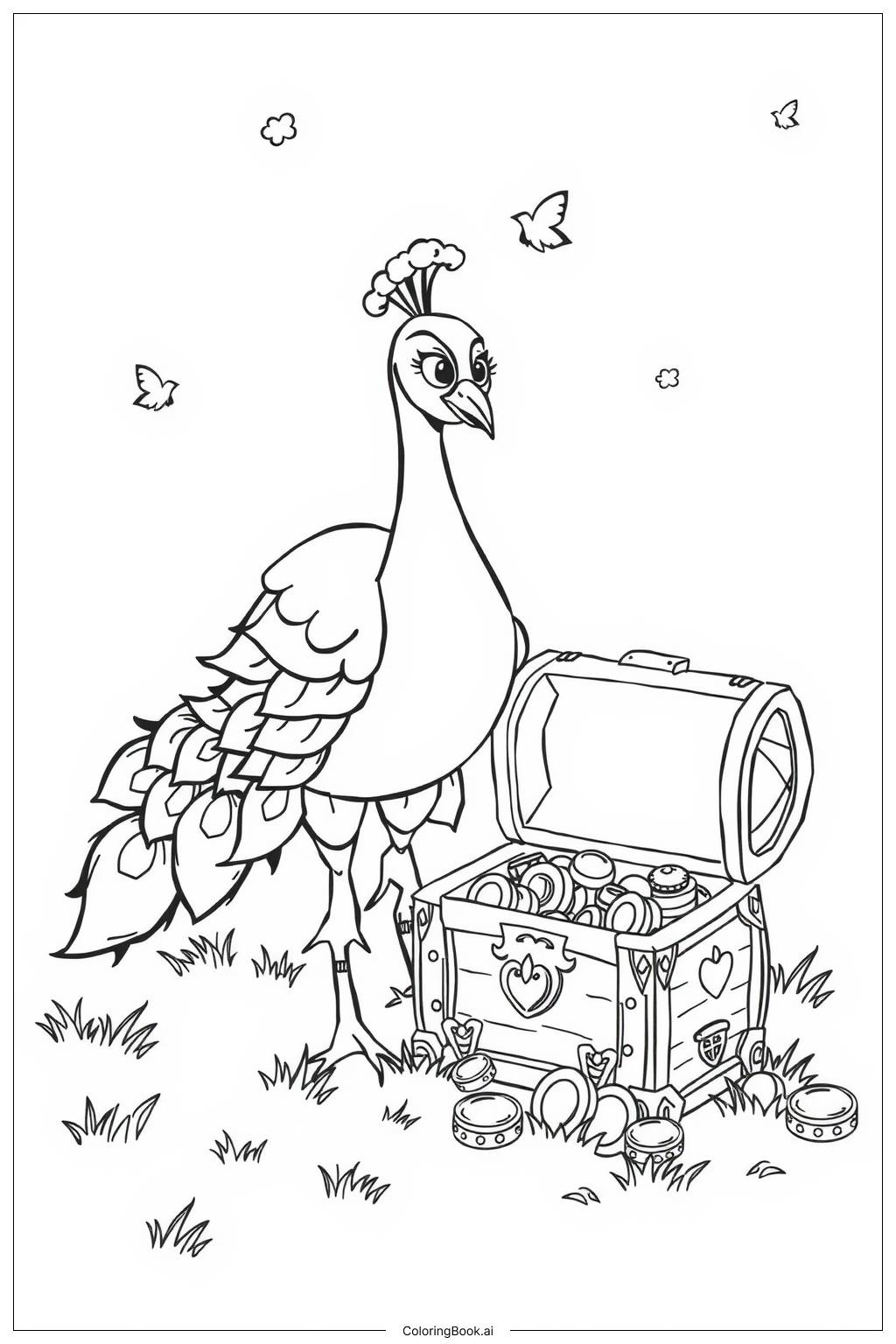
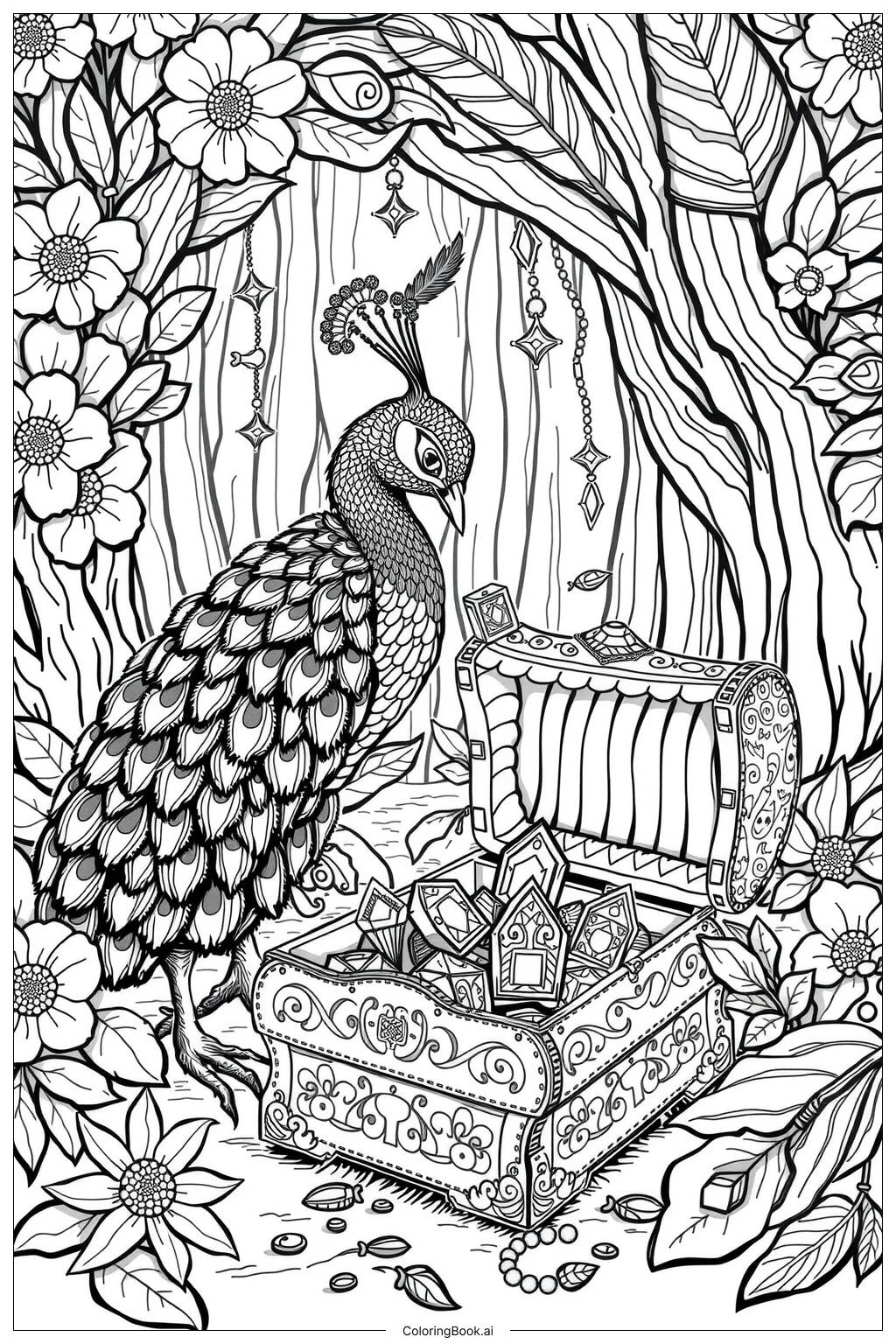
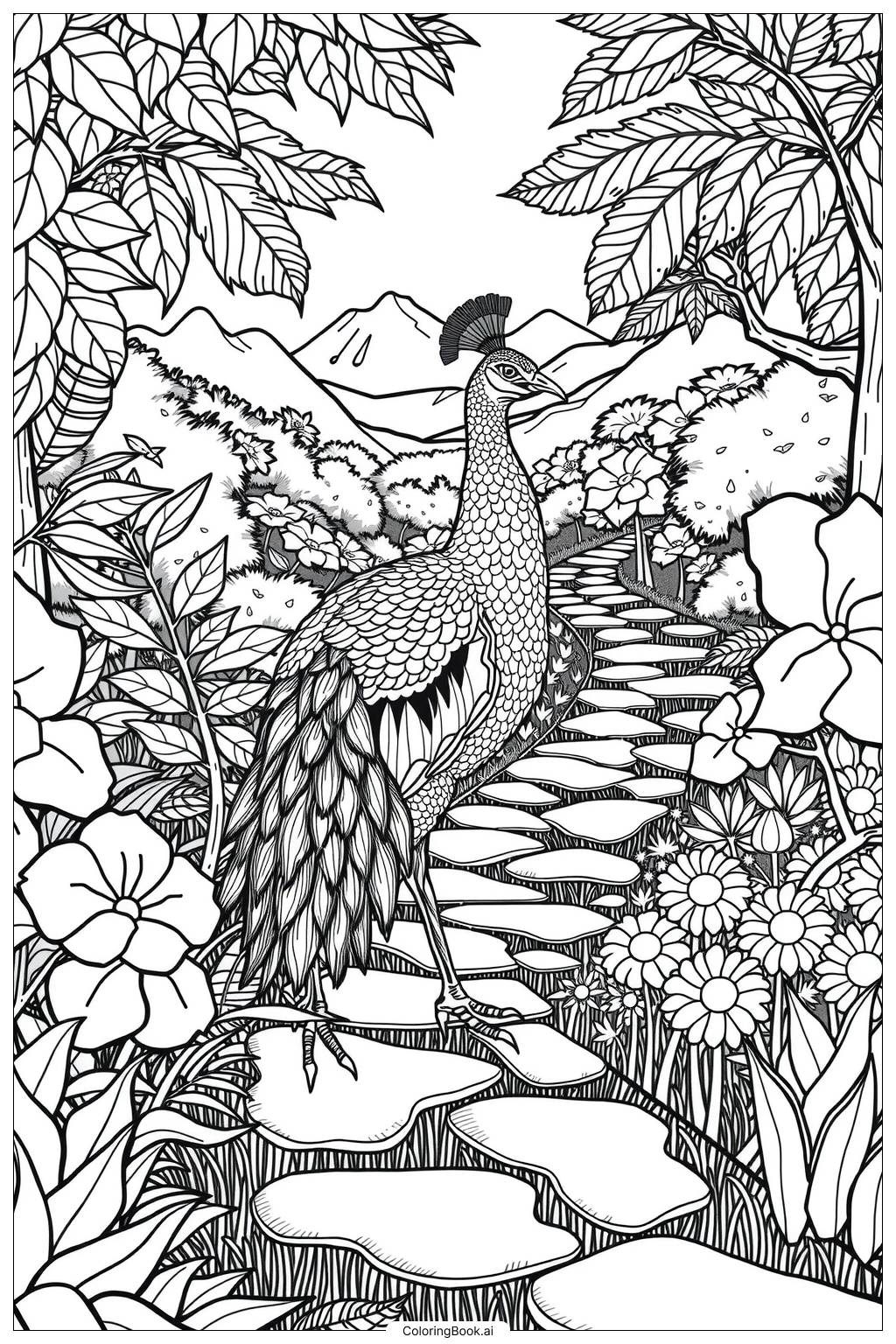
Start with the peacock's body. Use a rich blue or teal for the neck and chest feathers. Add green to the upper back and wing areas. For the tail feathers, use a mix of green, blue, and gold. The eye spots at the tips of the tail feathers look great with a dark blue or purple center, surrounded by a ring of gold or yellow, then green on the outside. Use brown or tan for the trail path and add light greens for the leaves along the sides. The peacock's beak and legs can be a warm golden yellow or light brown. Try shading the feathers by pressing harder near the edges to create depth. Kids can keep colors bright and bold, while older colorists can blend shades for a more realistic look. There is no wrong way — have fun exploring color!
Coloring challenges: Which parts are difficult to color and need attention for Peacock Walking on Trail coloring page?
• Tail Feather Eye Spots: The eye-shaped patterns at the tips of each tail feather are the most complex part of this image. Each eye spot has multiple rings of color layered inside one another. Staying within each small ring requires a fine-tipped colored pencil or marker and a steady hand. Rushing this section can cause colors to bleed together and lose the beautiful detail.
• Overlapping Feather Layers: The tail is made up of dozens of long feathers that overlap and weave around each other. It can be tricky to decide which feather goes on top and which sits underneath. Coloring each feather a slightly different shade of the same color family helps separate them visually and gives the tail a natural, layered look.
• Body Feather Texture: The chest and wing feathers are made of many small, curved shapes stacked in rows. Coloring each one individually takes patience. Using short, curved strokes that follow the shape of each feather will make the texture look more realistic and alive.
• Blending Colors Smoothly: A peacock's real colors shift and shimmer, blending from blue to green to gold. Capturing that effect on paper means layering colors gradually and blending at the edges. This is a skill that takes practice, especially in small areas.
• Background Details: The trail, rocks, and leaves around the peacock are small and close together. Keeping the background colors soft and light will help the peacock stand out as the main subject without the background looking too busy.
Benefits of coloring books: Advantages of drawing Peacock Walking on Trail coloring page
Coloring this peacock walking on a trail is a wonderful activity for kids and adults alike. The detailed feathers and patterns make it a great exercise for building focus and concentration. Sitting quietly and working through each section helps calm the mind and reduce stress, making it a soothing creative break from screens and busy routines.
For younger children, filling in the large body sections builds hand-eye coordination and helps them practice staying within lines. Choosing colors for the feathers encourages creative thinking and color awareness. Children learn that birds come in amazing, vibrant colors found in nature.
For older kids and adults, the complex tail feathers and blending challenges make this a satisfying coloring experience that builds patience and fine motor skills. Completing such a detailed image gives a real sense of accomplishment.
Learning about peacocks through coloring also sparks curiosity about nature and wildlife. Kids may become interested in where peacocks live, why their feathers look the way they do, and how animals use color in the wild. Art and learning come together in a fun, pressure-free way. Best of all, the finished page makes a beautiful piece of artwork to display or share.