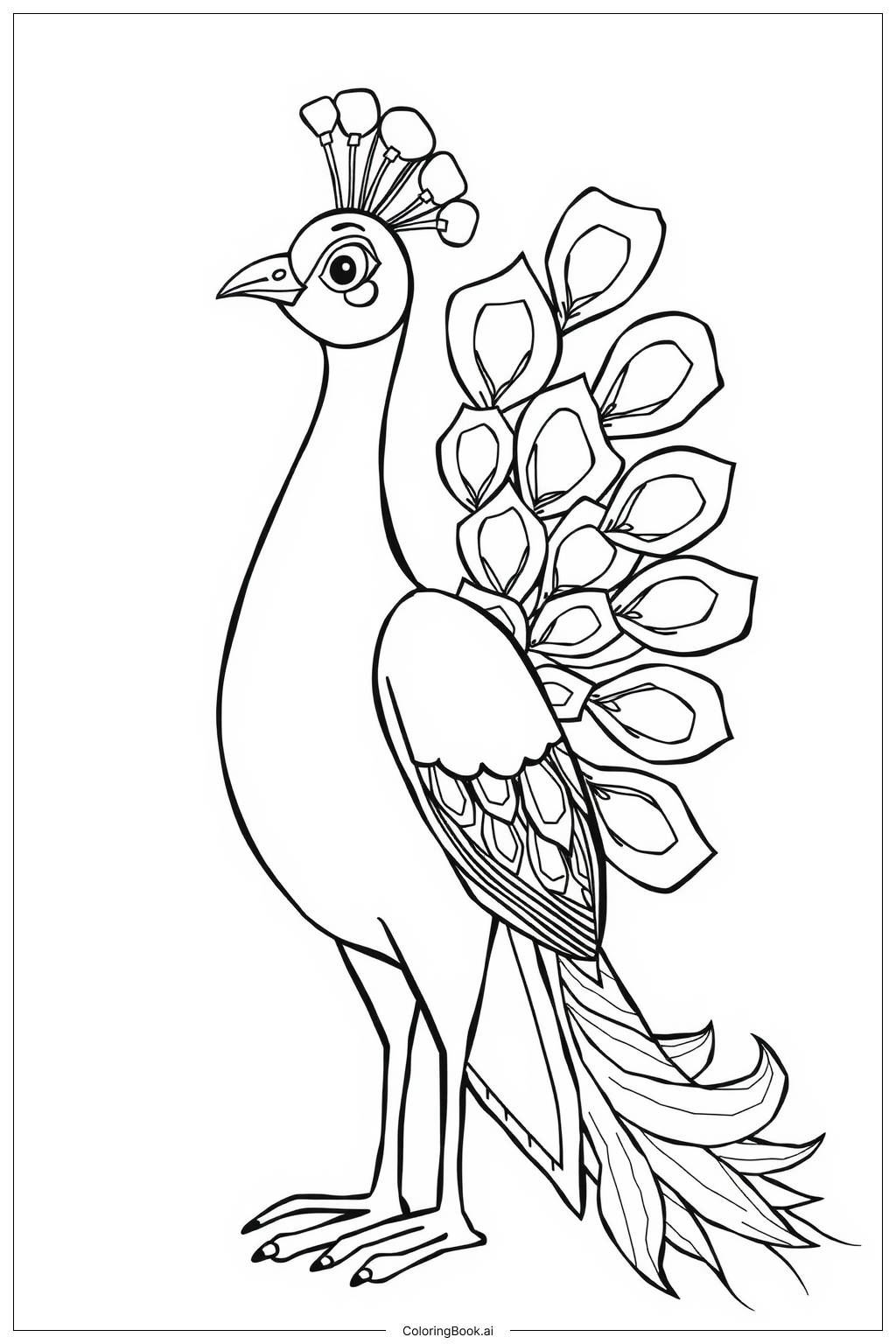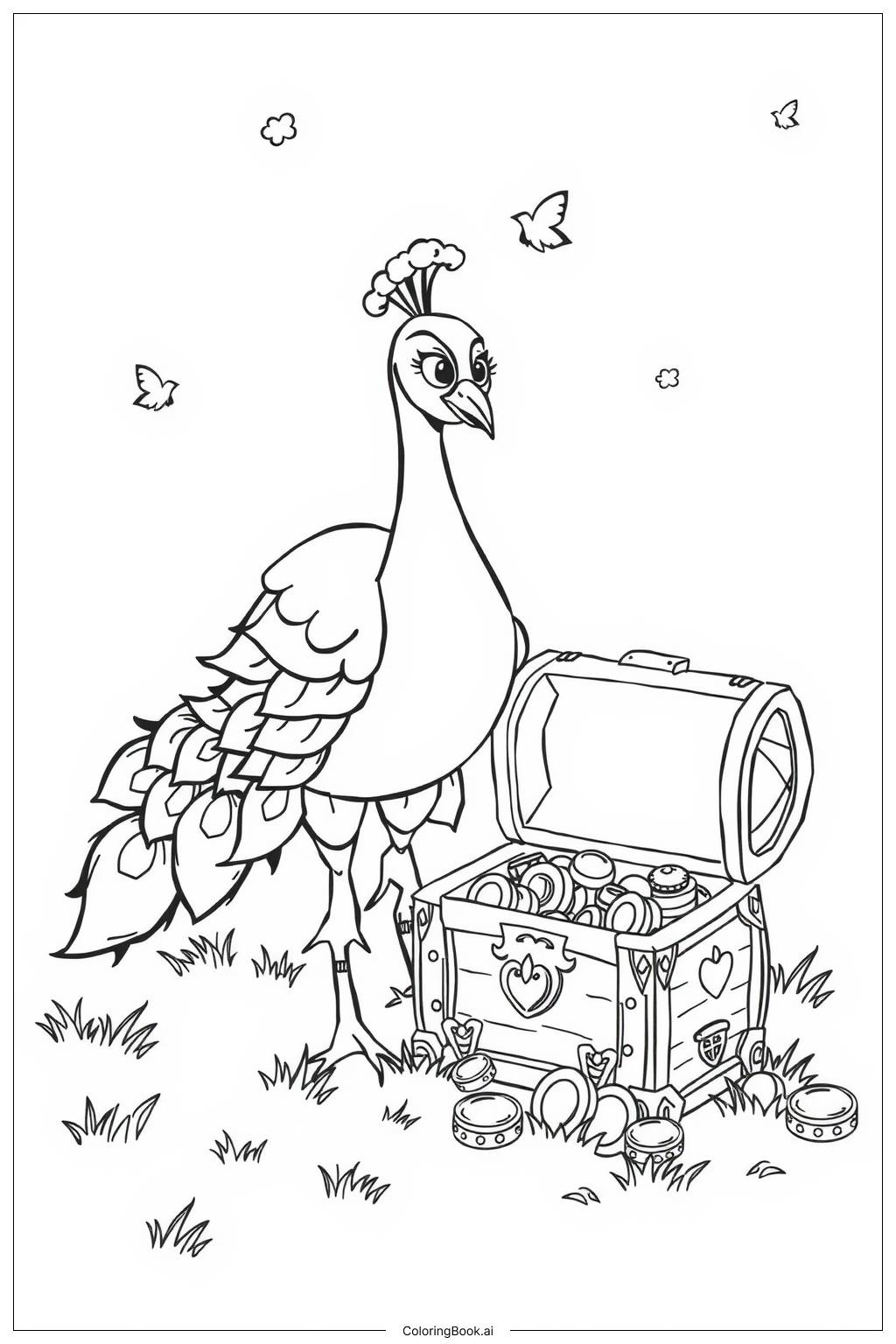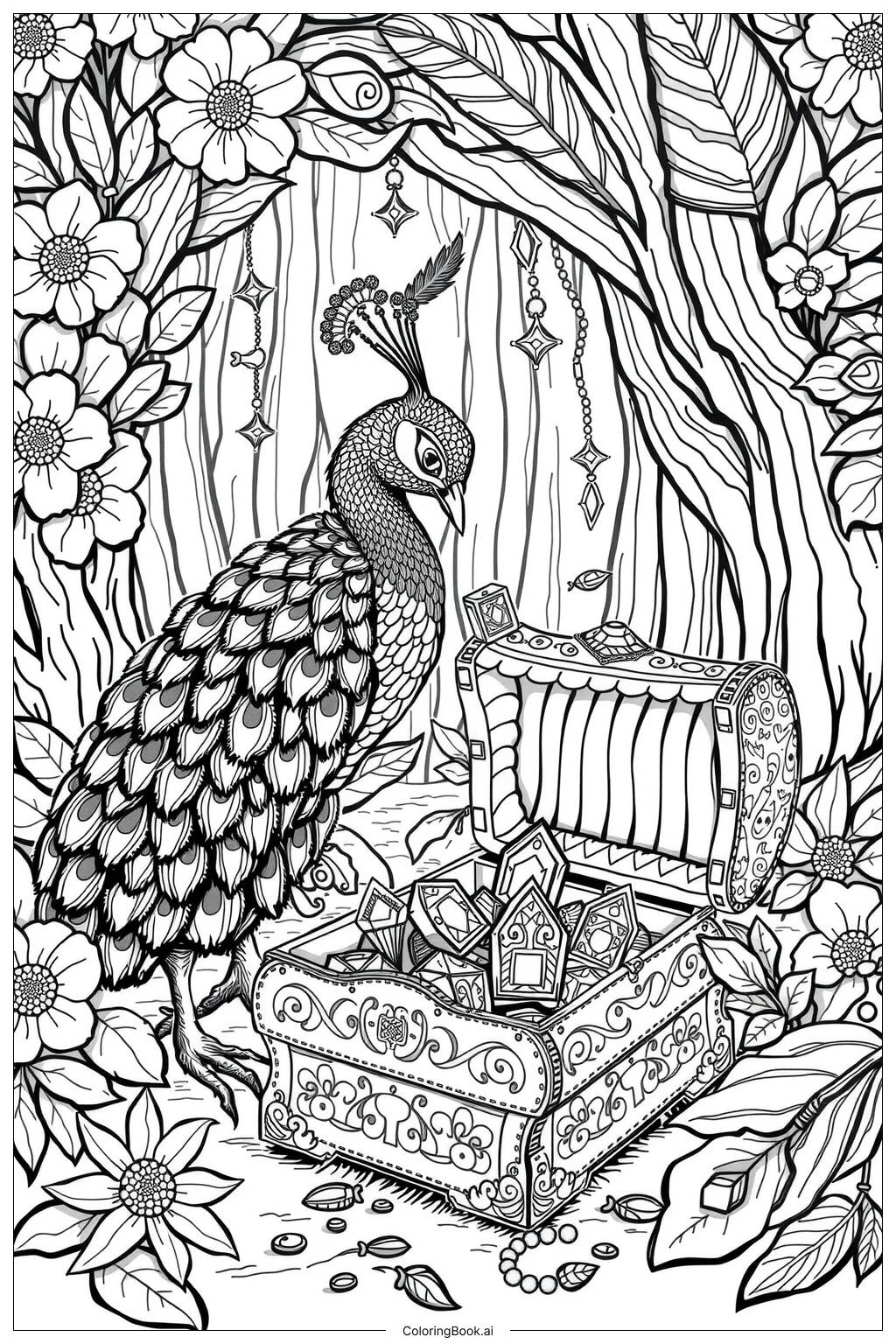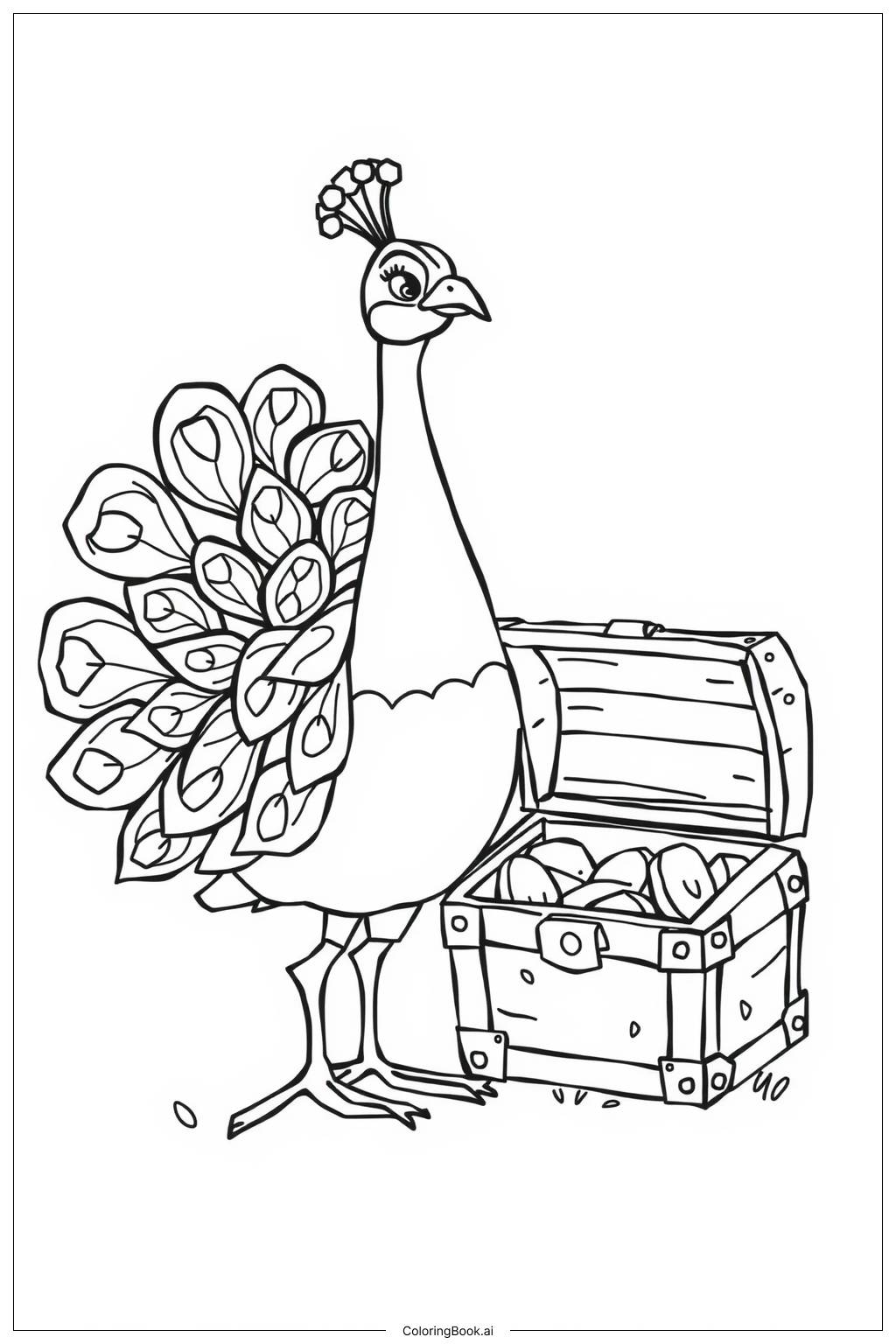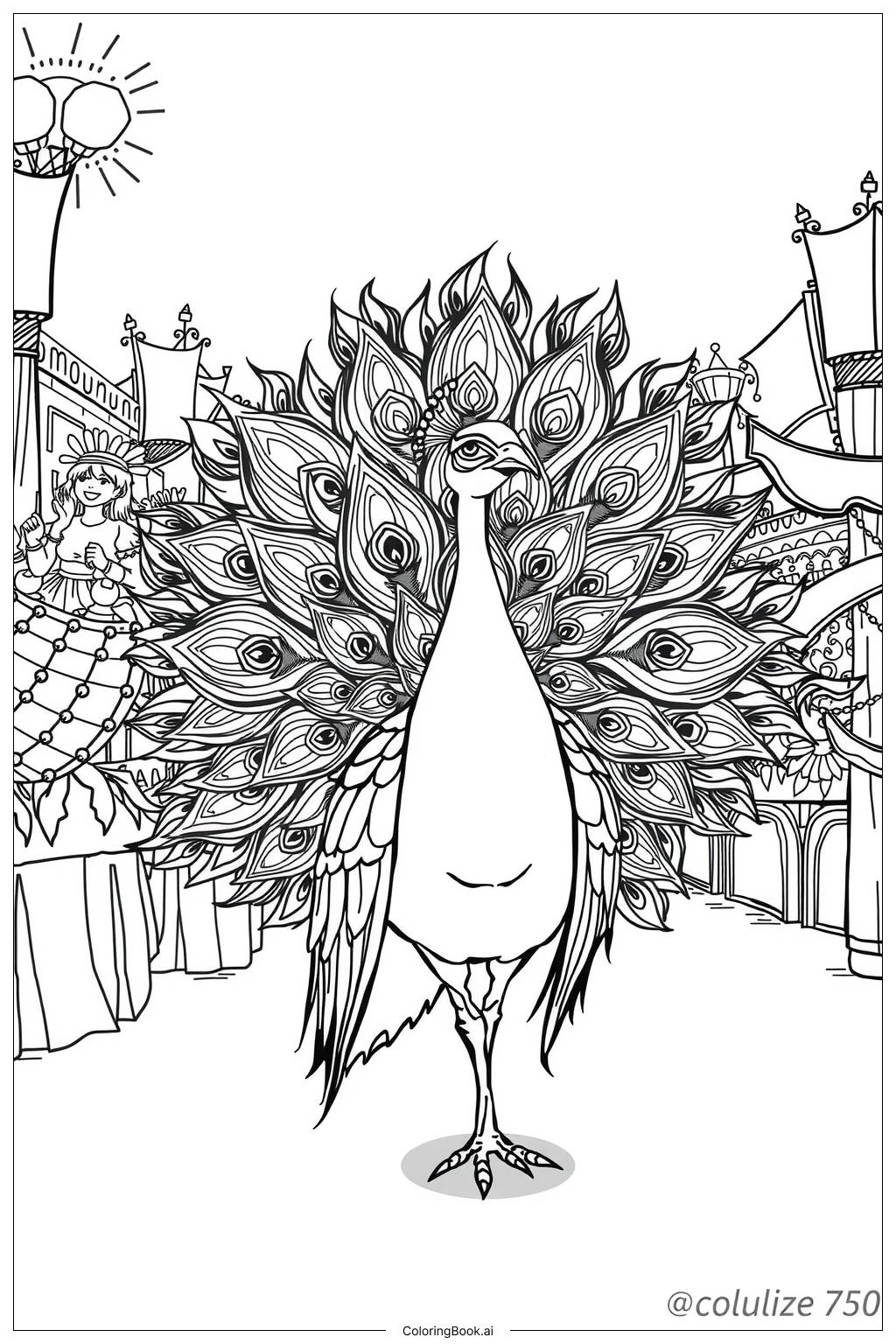
Coloring tips: How to color peacock leading a parade coloring page well?
Try using rich blues and greens for the peacock’s feathers to capture its natural beauty. You can add bright yellows, oranges, or purples to the ribbons and parade decorations for extra cheerfulness. Use lighter colors like sky blue or soft pink for the background to make the peacock stand out. Color the beak and eyes carefully with brown or black to highlight the details. Feel free to mix bright and pastel tones to make the image lively and full of energy. This will make your coloring page vibrant and festive.
Coloring challenges: Which parts are difficult to color and need attention for peacock leading a parade coloring page?
• Feather Details: The peacock’s tail has many small feathers closely arranged, which can be tricky to color without mixing colors or going outside the lines. Patience is needed to highlight each feather’s shape. • Fine Lines: The decorations and ribbon details require careful coloring with a steady hand, especially the thin lines and small shapes. • Color Blending: Blending different shades of blues and greens on the feathers to create a realistic look is challenging but rewarding. It requires good control of shading techniques. • Keeping the Parade Lively: Balancing bright colors in the ribbons and background without overshadowing the peacock itself can be difficult. Choosing complementary colors is important. • Large Spaces: Some large parts of the feathers and background may feel repetitive, so varying your strokes or patterns can keep coloring fun and engaging.
Benefits of coloring books: Advantages of drawing peacock leading a parade coloring page
Coloring this image helps improve focus and attention to detail, especially with the intricate feathers and parade decorations. It encourages creativity by allowing children to experiment with bold and bright colors. The act of carefully filling in small areas builds fine motor skills and hand-eye coordination. Additionally, this cheerful parade scene can boost mood and provide a sense of accomplishment once finished. For children aged 4 to 16, it offers a fun way to practice patience while expressing their artistic ideas in a lively setting.