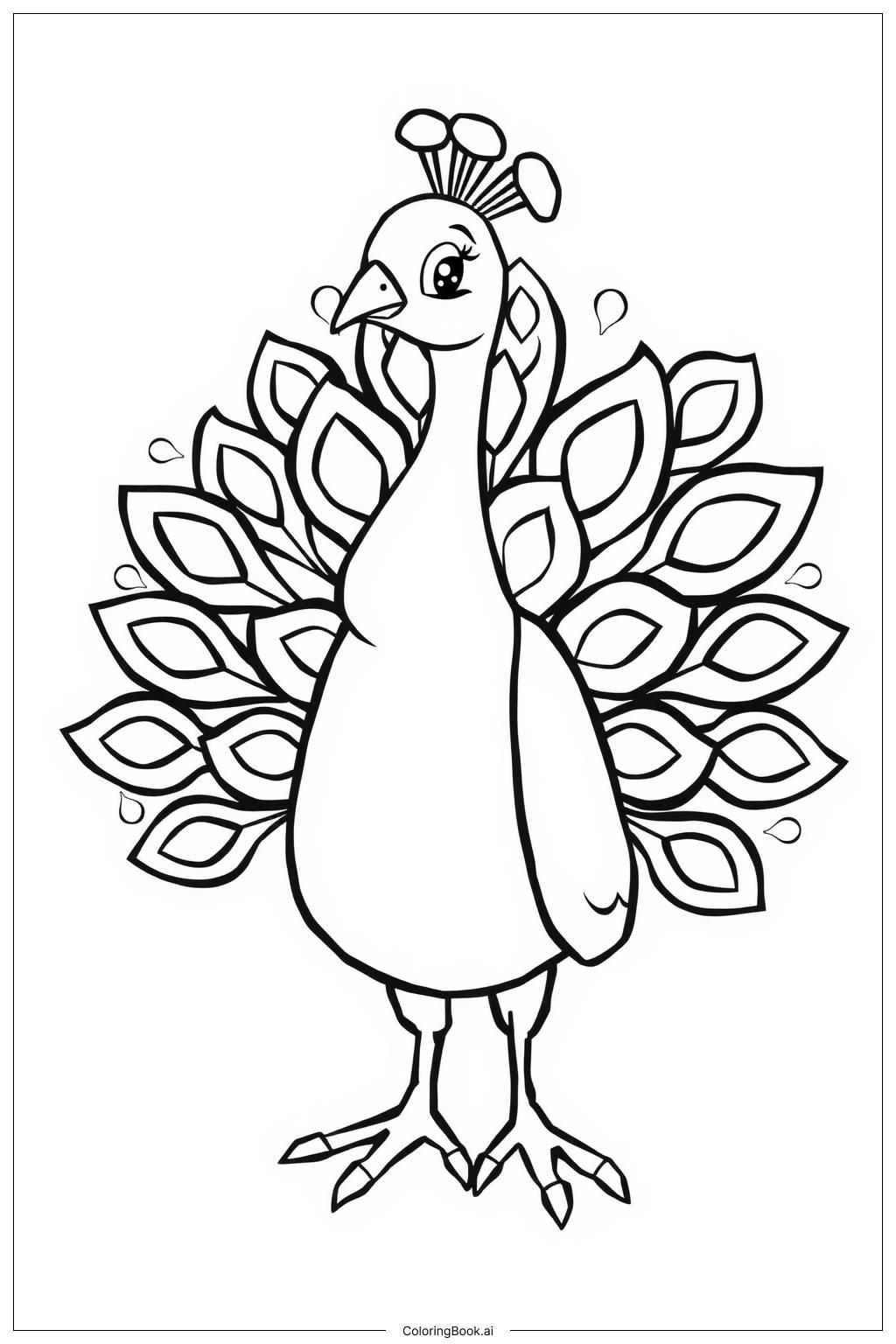
Coloring tips: How to color Colorful Peacock in Motion coloring page well?
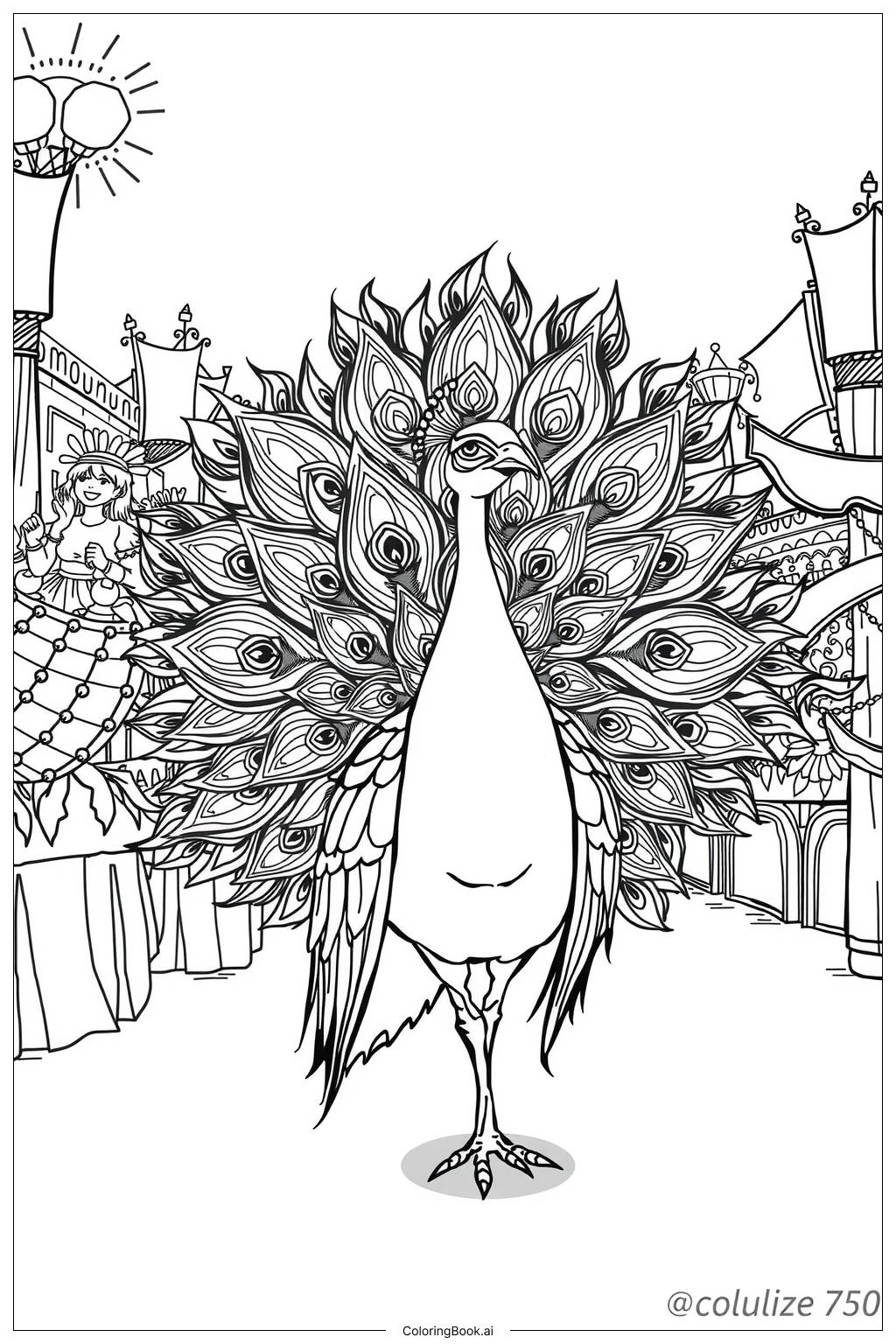
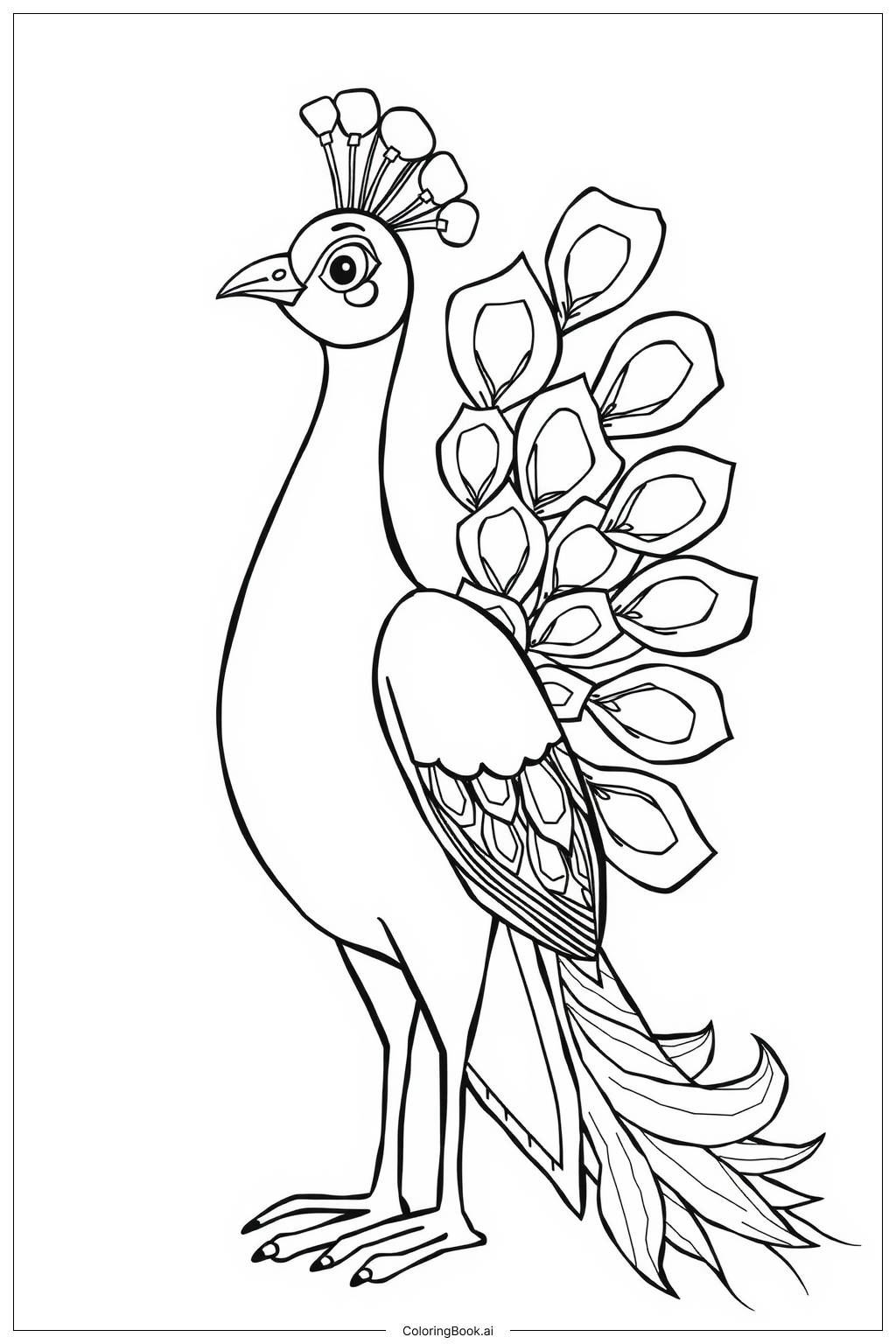
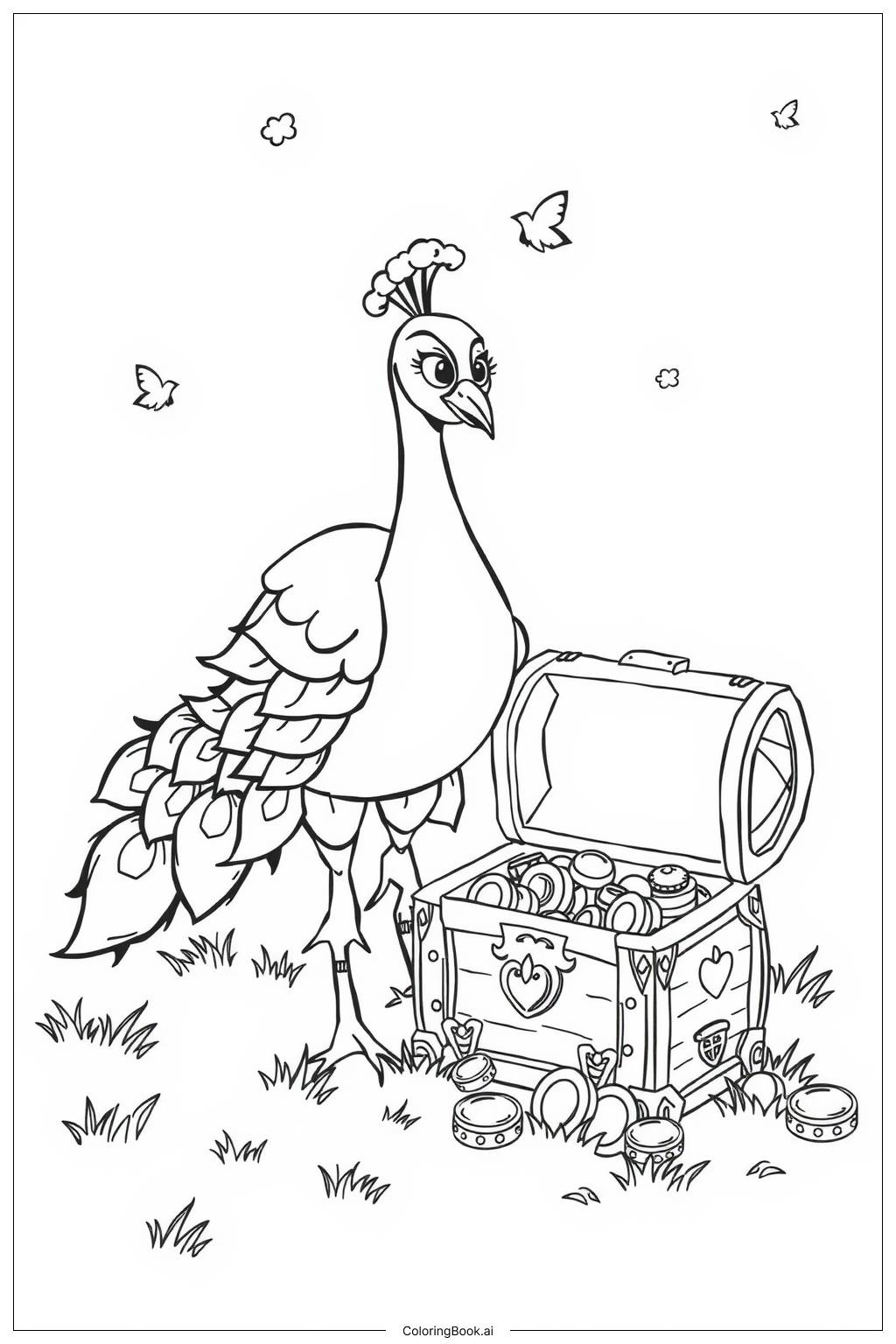
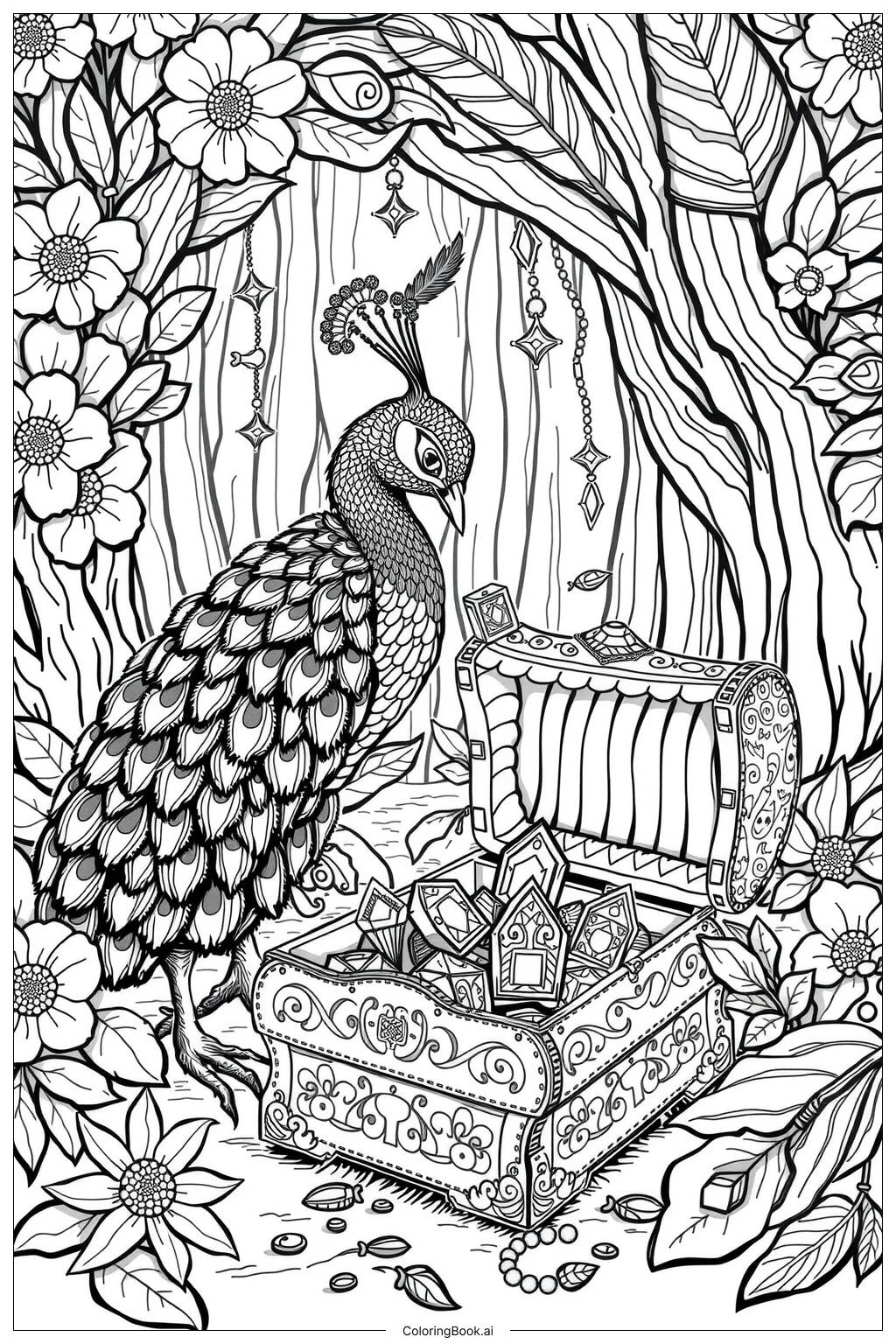
Start with the peacock's body by using deep blues and rich greens for the neck and chest feathers. These areas have a jewel-like shimmer in real life, so layering shades of teal, cobalt blue, and emerald green will create a beautiful effect. For the long tail feathers, use a mix of golden yellow, warm brown, and soft green for the main shafts. The eye spots on each feather are the star of the show — color the center circle a deep reddish-brown or black, then ring it with blue and green. The outer edges of the tail feathers look great in soft olive or tan tones. Use orange or golden yellow for the legs and beak. The head crest can be colored in bright teal or turquoise. Feel free to add your own colors too — there are no strict rules! Try using colored pencils for fine details and markers or crayons for larger areas. Most importantly, have fun and let your imagination guide your color choices.
Coloring challenges: Which parts are difficult to color and need attention for Colorful Peacock in Motion coloring page?
• Eye Spot Patterns: The eye-like markings on the tail feathers are the most complex part of this image. Each spot has several layered rings of different colors that need to be filled in carefully without bleeding into one another. Take your time with small, precise strokes and use a fine-tipped tool for the innermost circles before filling in the outer rings.
• Overlapping Tail Feathers: The tail spreads out with many feathers layered on top of each other. It can be tricky to keep each feather visually distinct. Try using slightly different shades of the same color family for neighboring feathers so they stand apart without clashing.
• Fine Feather Details: The body and wing feathers contain many thin, closely spaced lines that form delicate textures. Coloring these areas without accidentally going over the lines requires a steady hand and a sharp pencil or fine marker tip.
• Color Transitions on the Body: The neck and chest area shifts naturally from deep blue to green in real peacocks. Blending these colors smoothly is a challenge, especially for younger colorists. Try hatching or light layering techniques to create a gradual shift between the two shades.
• Maintaining Balance Across the Page: Because the tail takes up so much space, it is easy to spend all your energy there and rush through the body. Try to give equal attention to every part of the image so the finished piece looks balanced and complete from head to tail.
Benefits of coloring books: Advantages of drawing Colorful Peacock in Motion coloring page
Coloring this peacock page offers a wonderful range of benefits for children and older colorists alike. The rich detail of the feathers gives your hands a great workout, helping to build fine motor skills and improve hand-eye coordination with every careful stroke. Choosing colors for the peacock's body and tail encourages creative thinking and color theory exploration — kids learn how colors work together and what combinations look most vibrant. The repetitive, focused nature of filling in the intricate feather patterns is also deeply calming. It helps reduce stress and brings a sense of mindfulness, encouraging you to slow down and stay in the moment. Completing a complex and beautiful image like this peacock also builds patience and perseverance, especially when working through the detailed eye spots and overlapping feathers. Finishing the page gives a strong sense of accomplishment and pride, which is a great confidence booster for kids. For older colorists, this page offers a satisfying artistic challenge that sharpens focus and attention to detail. Overall, this peacock coloring page is a joyful, enriching activity that nurtures creativity, calm, and concentration all at once.