Coloring tips: How to color Panda Bear Standing coloring page well?
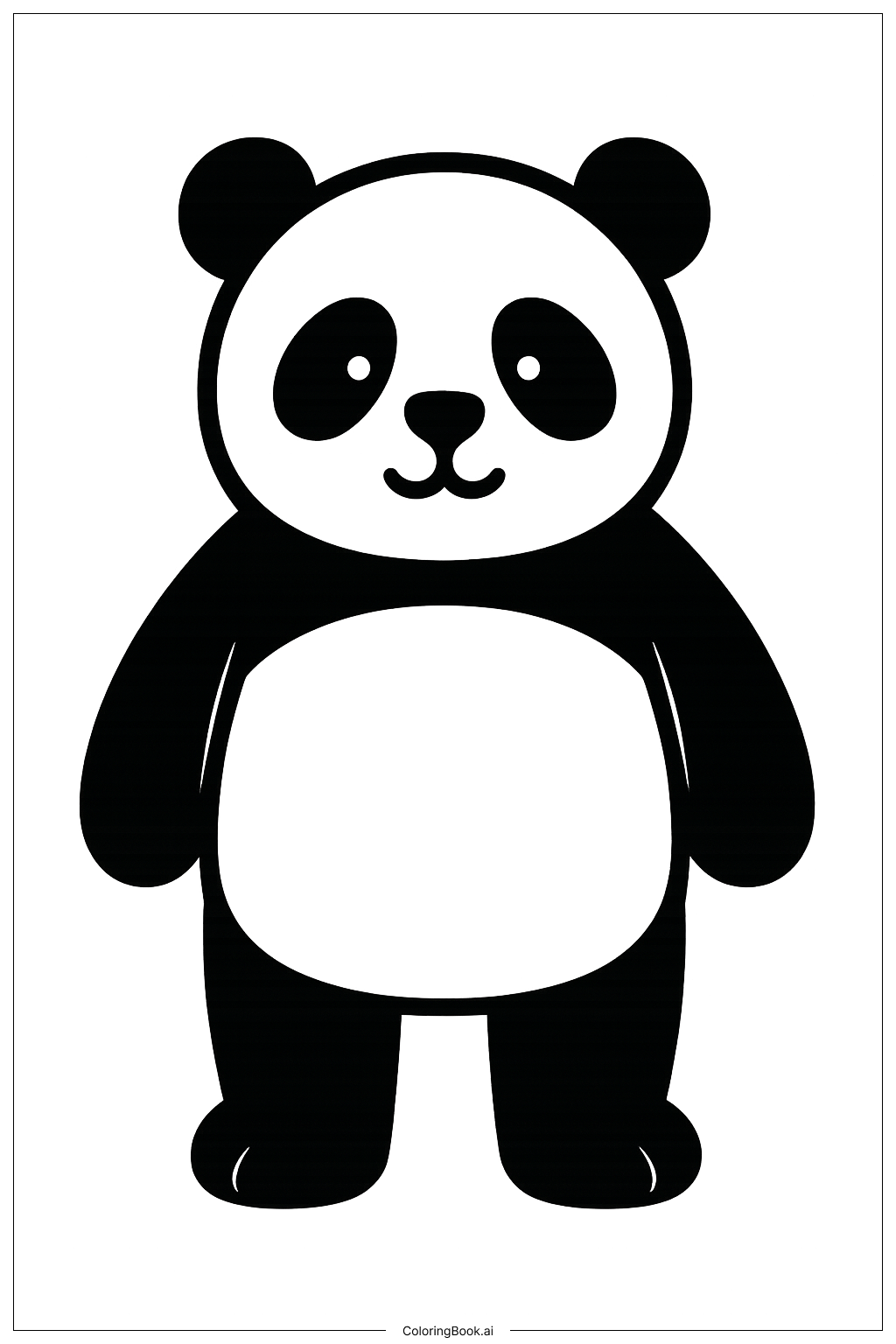
For coloring the panda, start by using black for the ears, eye patches, and the arms. Leave the belly and face white. You can also add light shades of gray to give depth to the black areas. To make it more vibrant, consider using shades of green for the background, like bamboo or trees. You can also use bright colors to create a fun scene around the panda, like flowers or other animals, which will make the picture lively. Don't forget to outline the colors with a black crayon for a neat finish!
Coloring challenges: Which parts are difficult to color and need attention for Panda Bear Standing coloring page?
1. Coloring within the lines: It can be tricky to color the small black areas, like the eyes and ears. Children may need a steady hand to stay inside the lines without spilling into the white areas. 2. Mixing shades: Understanding how to blend lighter and darker shades of black or gray can be confusing for some children. It may require practice to give the panda a three-dimensional look. 3. Background creativity: Deciding what to place in the background and how to color it can be a challenge. Children might feel overwhelmed with choices if they want to make it colorful and engaging. 4. Choosing appropriate colors: Some kids might struggle with color selection, especially if they want the panda to look realistic versus whimsical. They need guidance on balancing the colors. 5. Patience: Coloring such a detailed image may require patience and time, which can be difficult for younger children who prefer quicker tasks.
Benefits of coloring books: Advantages of drawing Panda Bear Standing coloring page
Coloring this panda bear can be fun and exciting for children! It helps improve fine motor skills as they practice holding crayons or markers. It also enhances their hand-eye coordination. Kids learn about colors and how to blend them, which boosts their creativity. Coloring can be relaxing and reduce stress, allowing kids to express their thoughts and feelings. It encourages focus and concentration as they work on a detailed image. This activity also provides a sense of achievement once they finish, building their confidence and motivation to create more art.