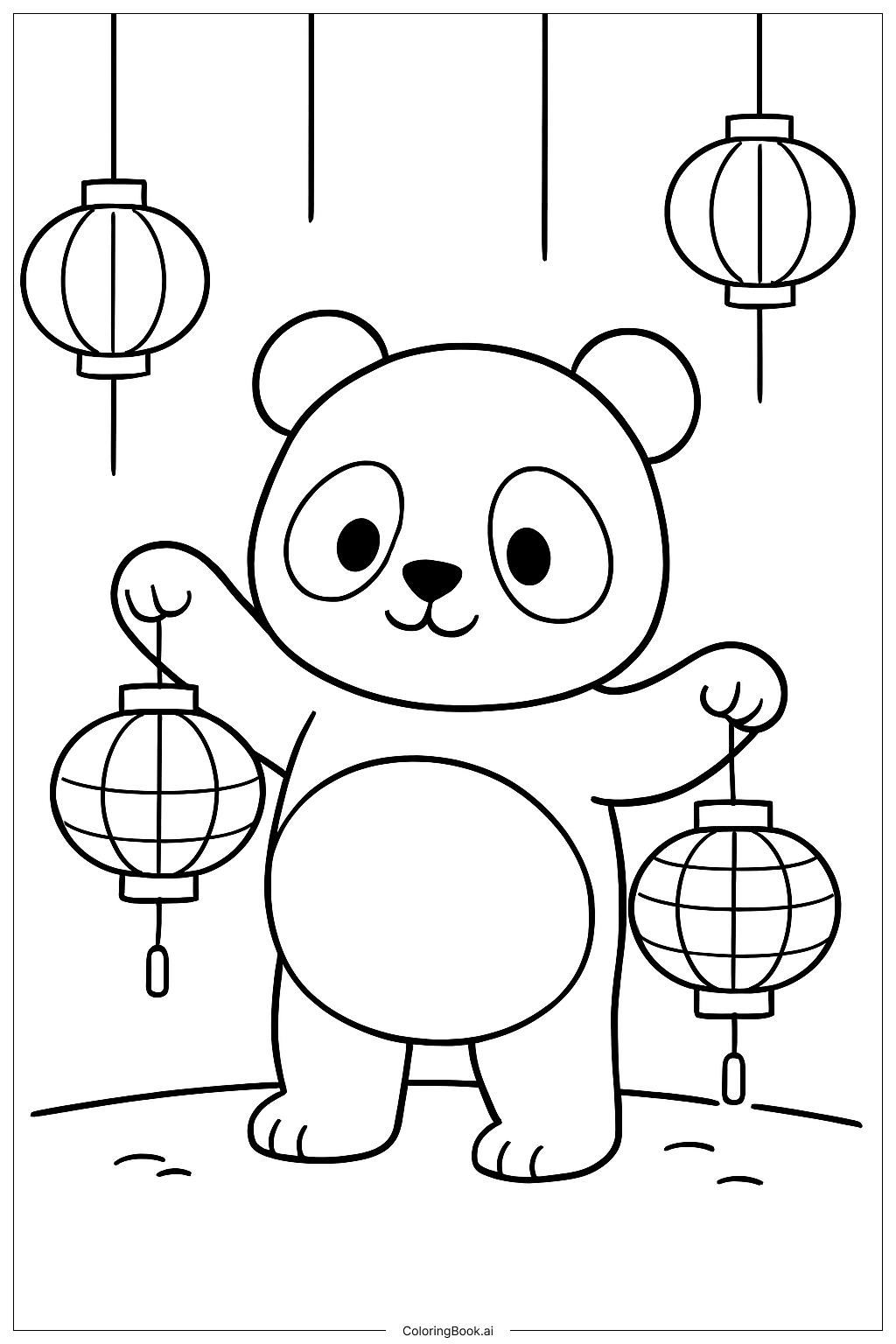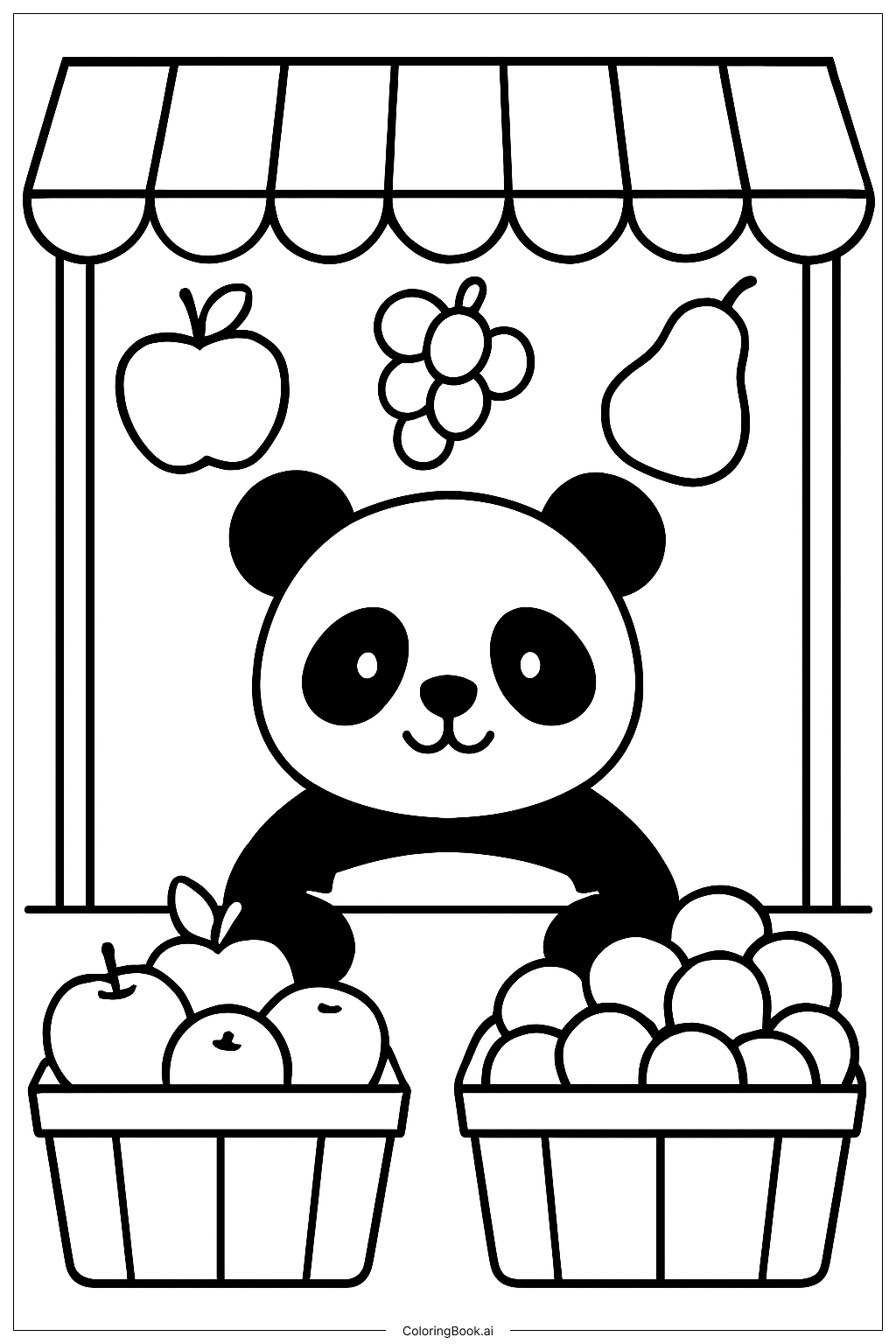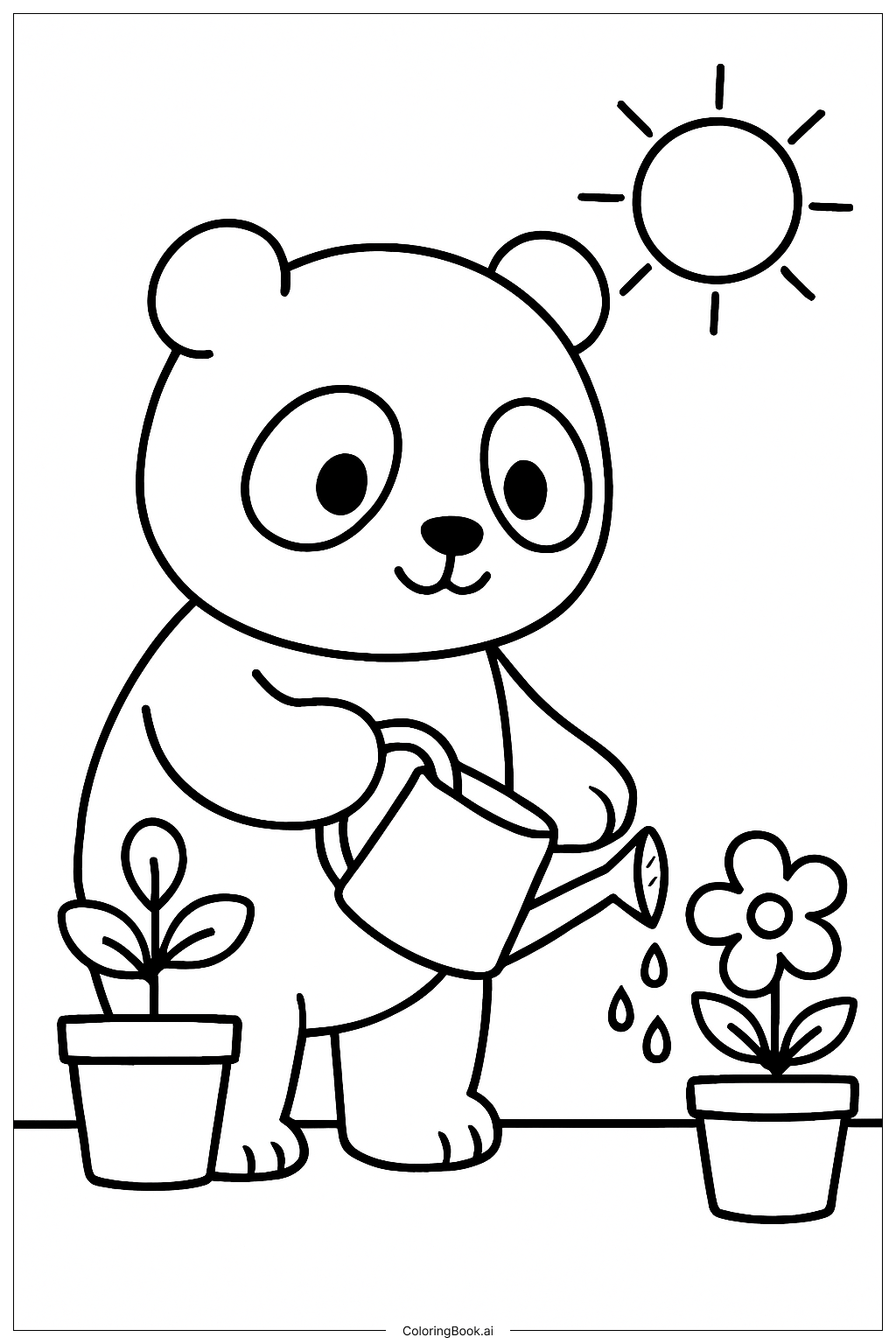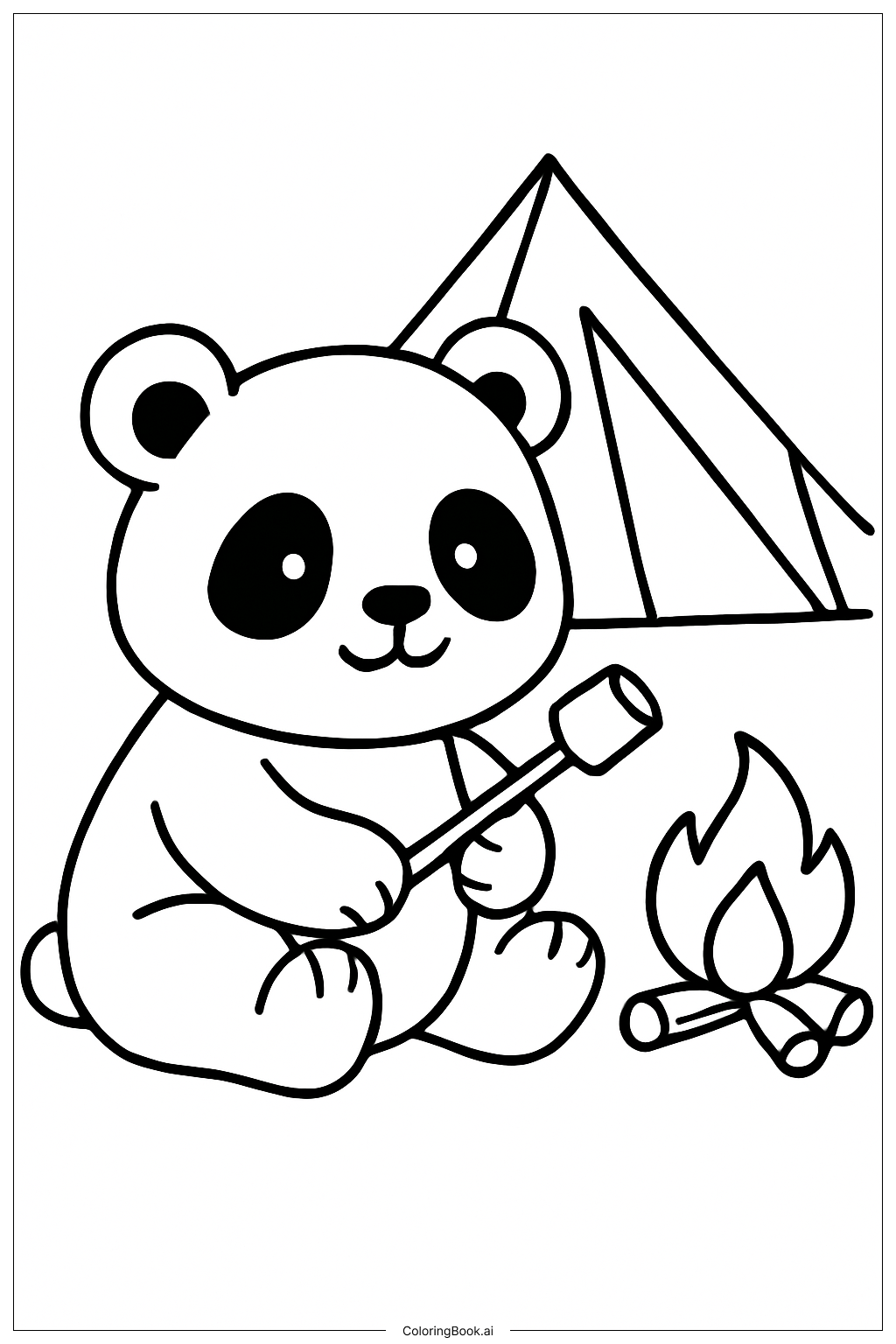
Coloring tips: How to color Panda Bear Smiling coloring page well?
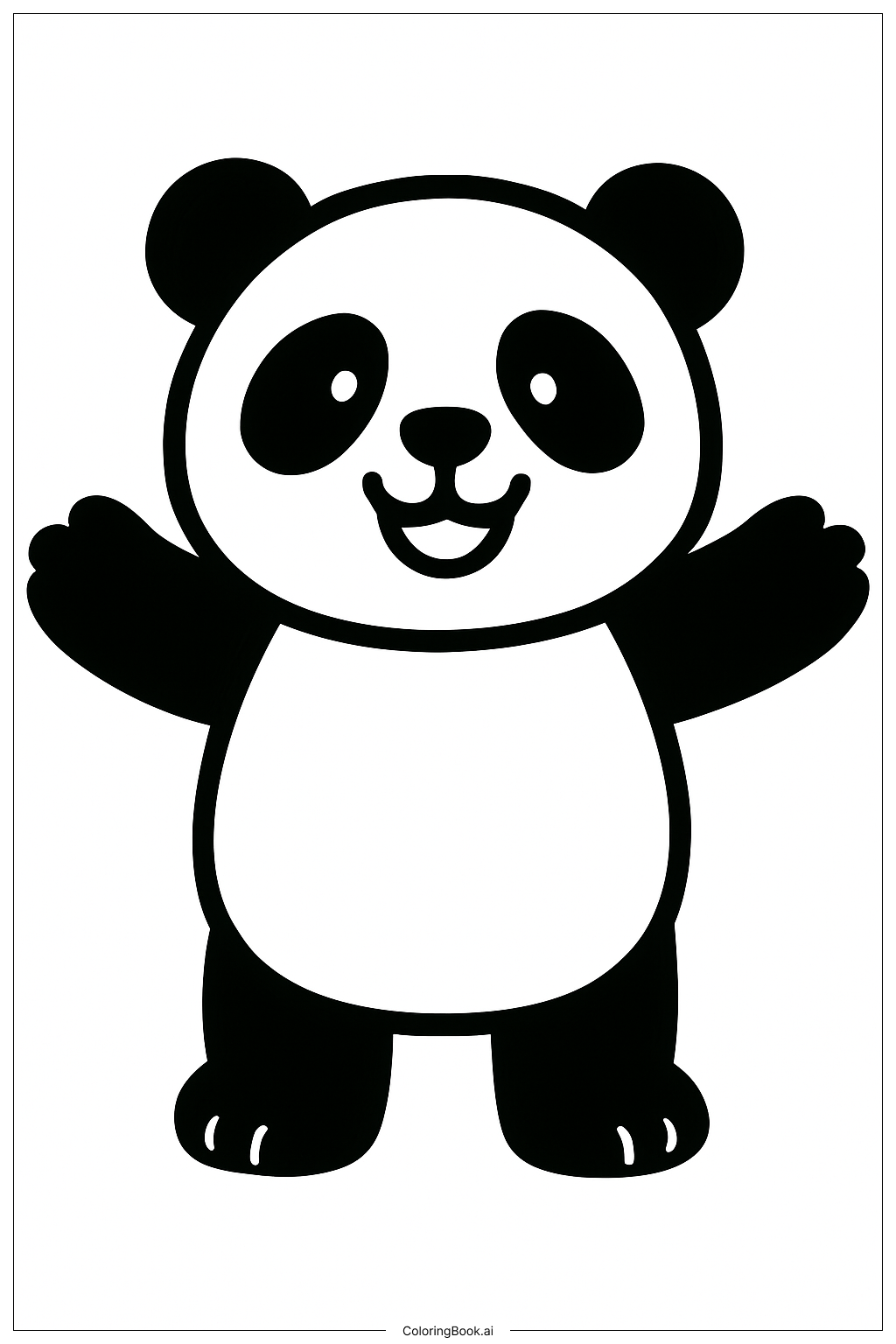
Use classic panda colors by filling the larger parts with black and white. Color the patches around the eyes, ears, arms, and legs with a deep black or dark gray. The panda’s face and belly can be left white, but you can add light gray shading to create depth. For the background, try different shades of green to show bamboo or leaves, giving a fresh and natural look. Brightening the eyes with a small white highlight can make the panda appear lively. Feel free to use soft browns or tans for the ground or tree trunks if included. Keep your colors smooth and don’t be afraid to experiment with layering light and dark tones to bring the Panda Bear Smiling to life.
Coloring challenges: Which parts are difficult to color and need attention for Panda Bear Smiling coloring page?
• Detail Areas: The Panda Bear’s eyes and facial features are small and require careful coloring to preserve their expression without smudging.
• Contrast Management: Achieving the strong black and white contrast typical of pandas can be tricky. Too much blending might make the patches look gray instead of black.
• Rounded Shapes: Coloring smooth, round body parts evenly might be hard for beginners since they need consistent pressure to avoid streaks.
• Background Elements: Although simple, the bamboo or leaf shapes need attention to detail to keep the natural look balanced.
• Edge Control: Staying inside the lines around the ears, limbs, and facial markings can challenge children still developing fine motor skills.
Benefits of coloring books: Advantages of drawing Panda Bear Smiling coloring page
Coloring this Panda Bear Smiling image helps develop hand-eye coordination and fine motor skills by focusing on small details like the eyes and distinct patches. It encourages children to observe and apply contrast through black and white color areas, enhancing their understanding of shading and texture. The simple yet charming nature scene invites creativity and imagination in choosing background colors. Moreover, coloring a happy animal boosts mood and promotes relaxation. This activity also teaches patience and concentration, as children take time to fill in smooth round shapes and stay within the lines. Overall, it’s a calming and rewarding project suitable for a wide age range.