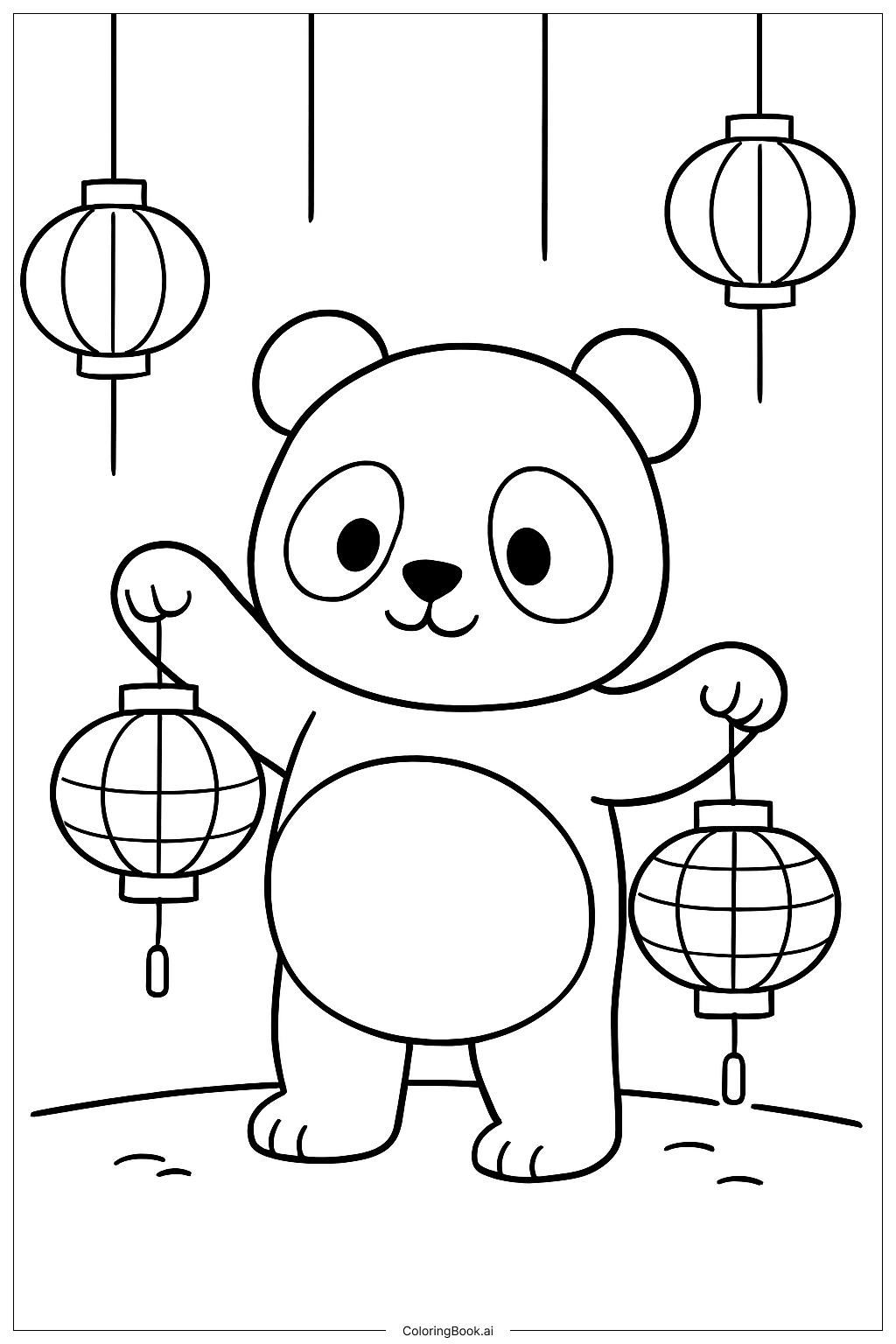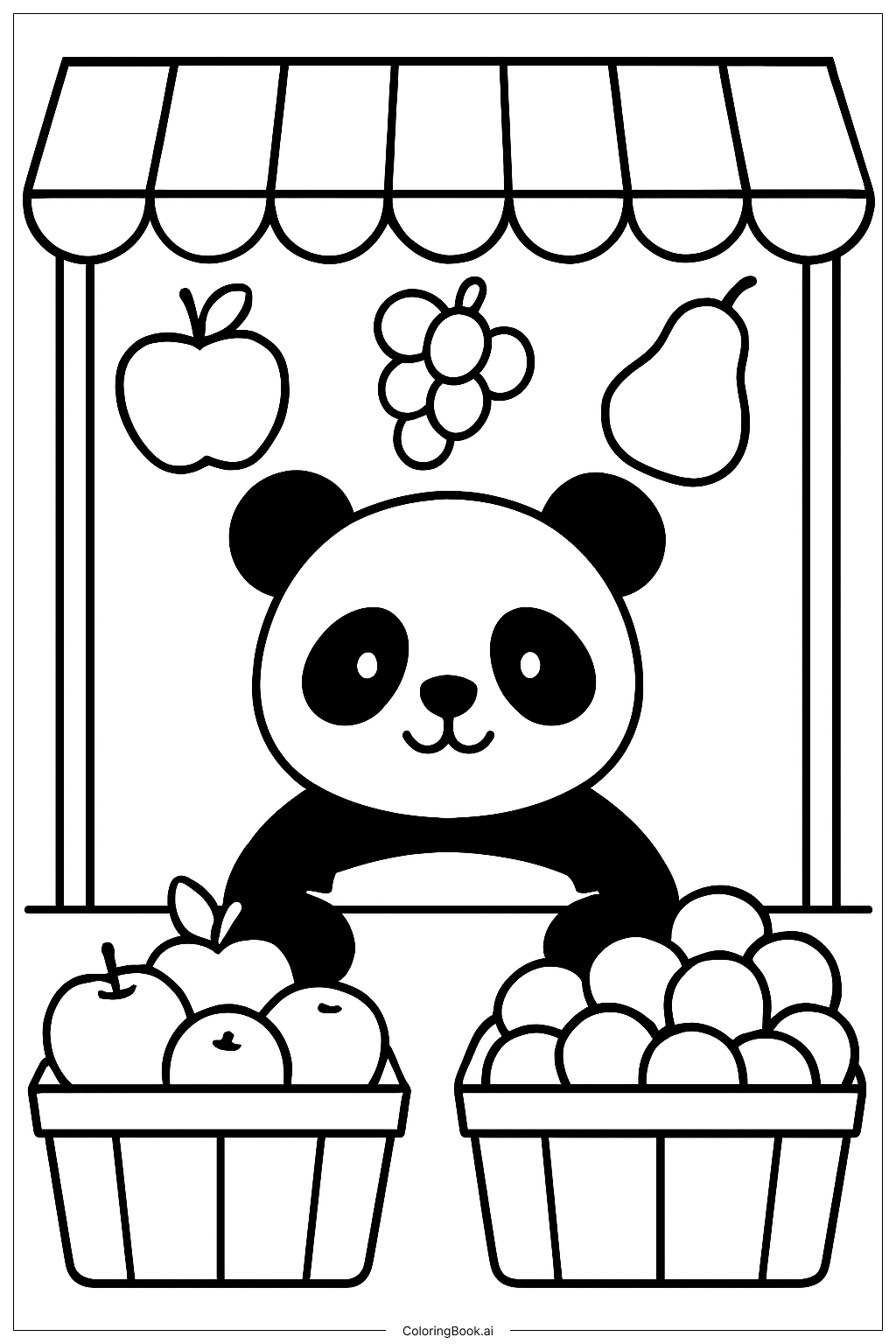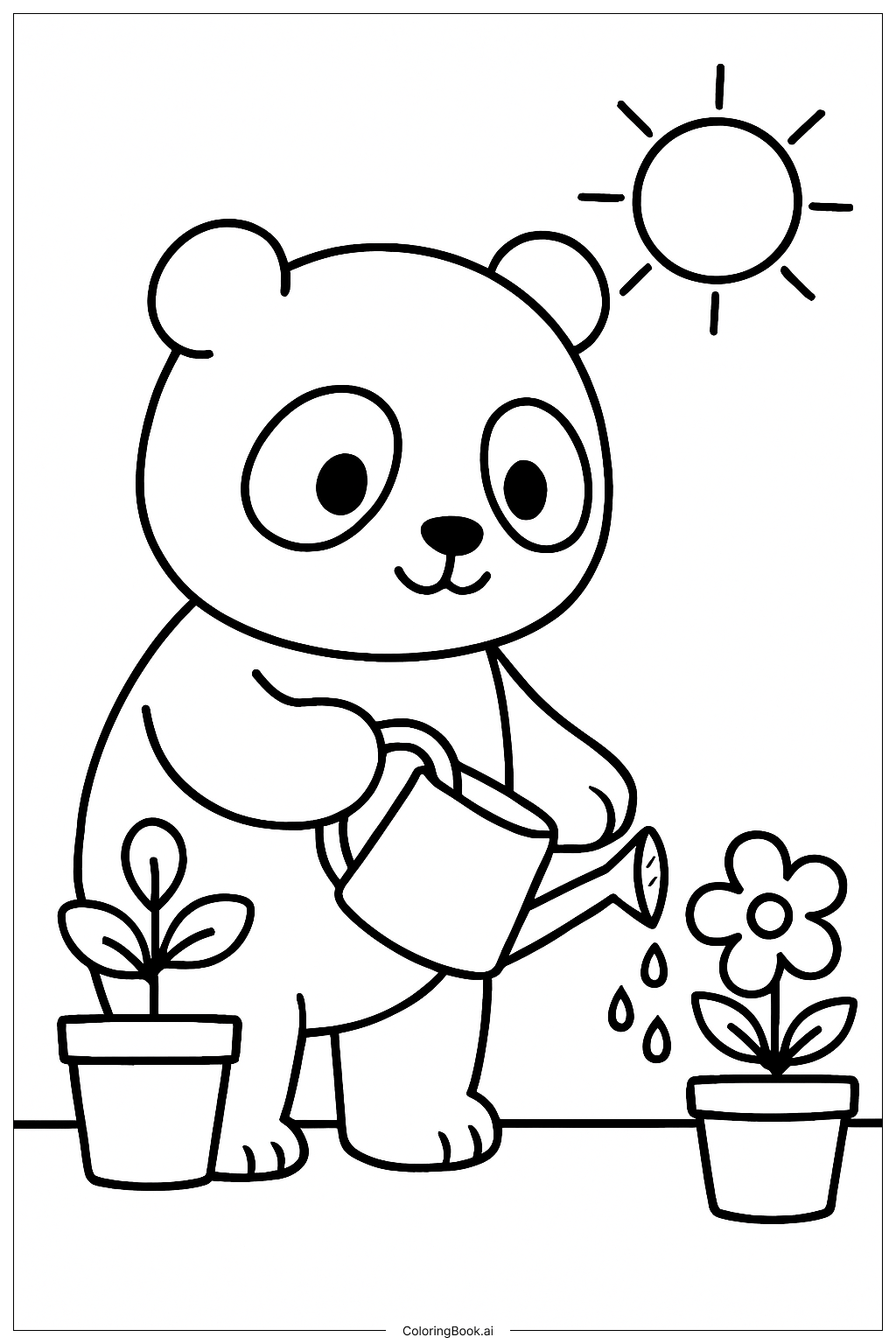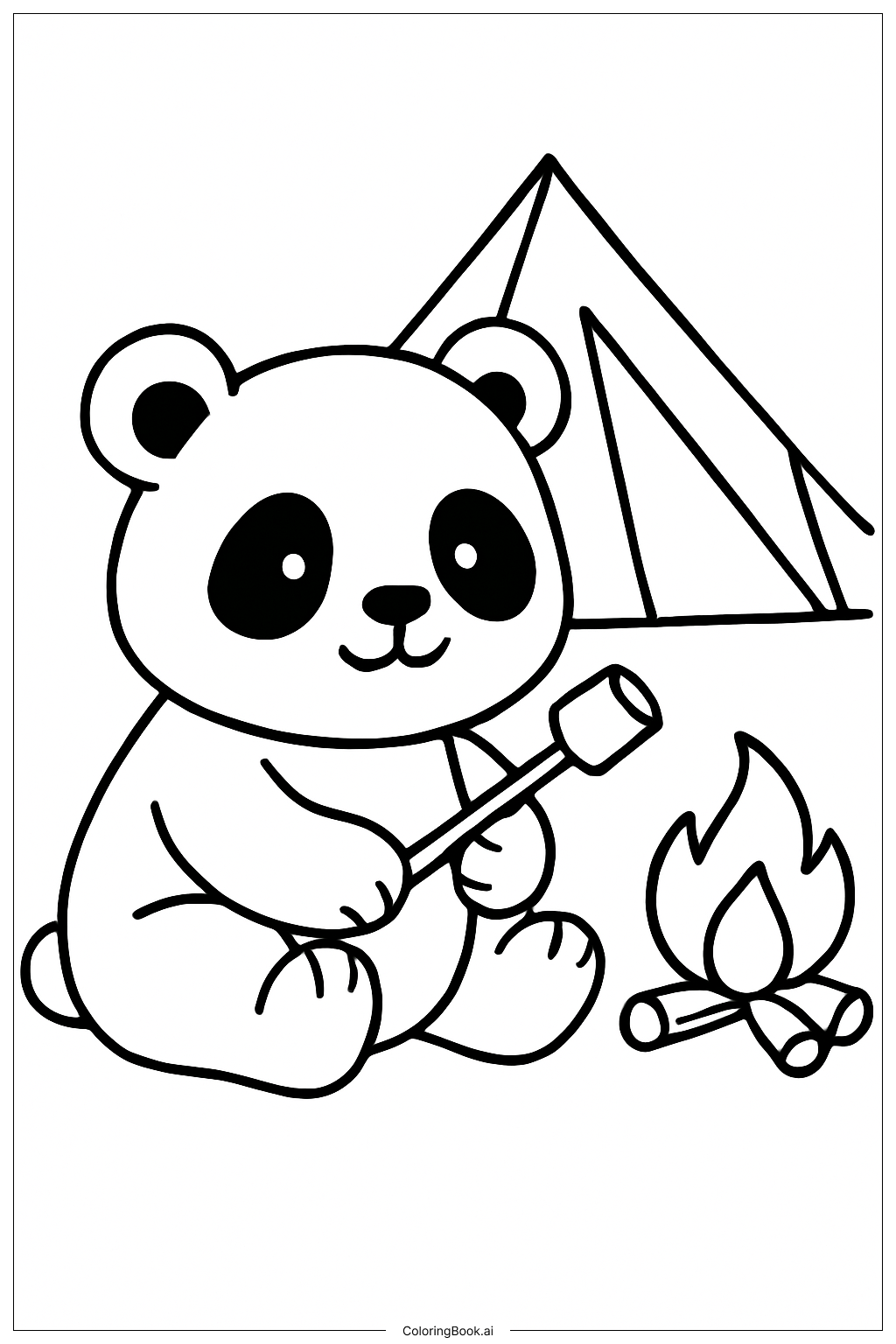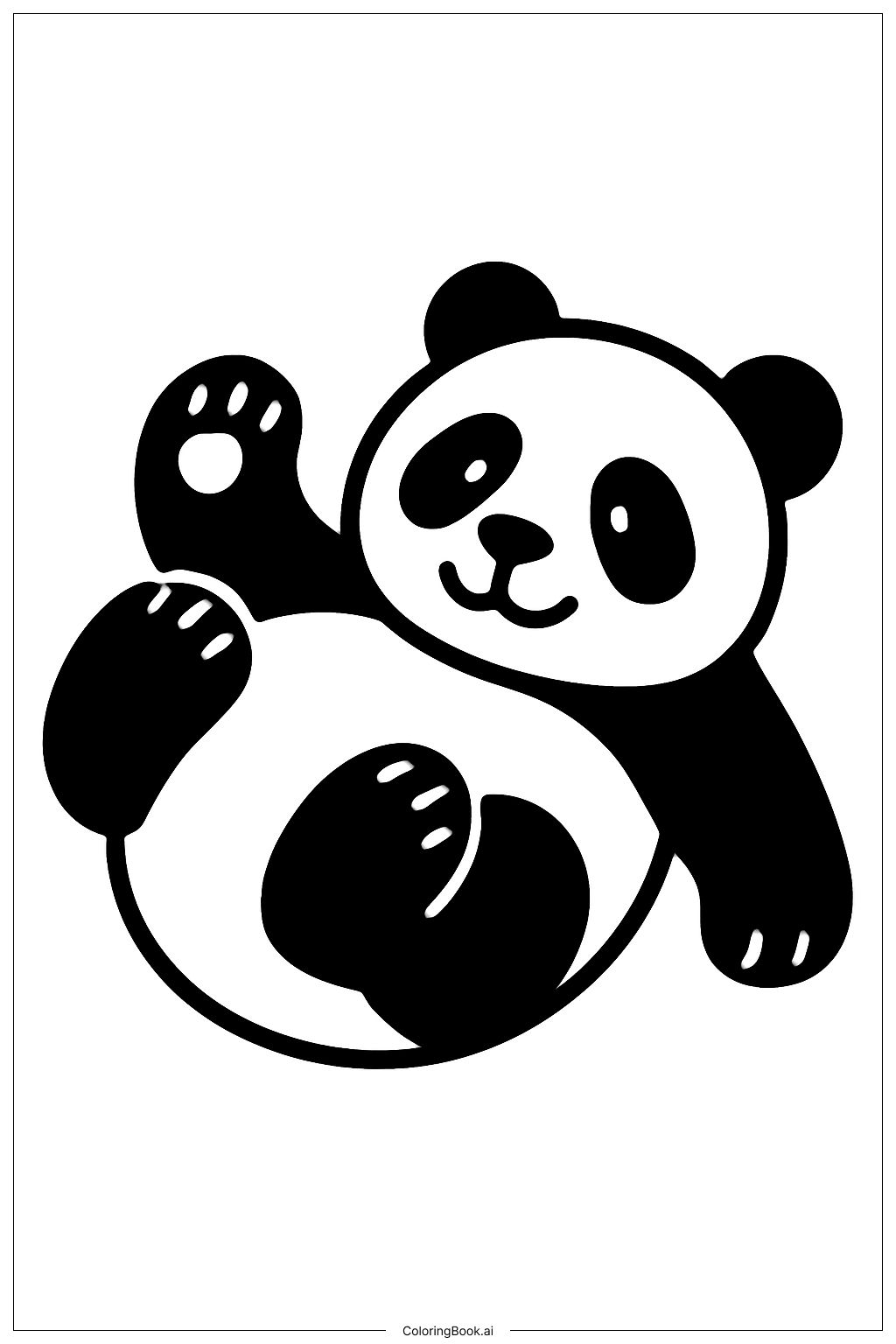
Coloring tips: How to color Panda Bear Rolling coloring page well?
Children can use classic black and white for the panda's fur to keep it real. For a fun twist, they can add other colors too! Bright greens or soft pastels can be used for the grass or surrounding space. They might also want to draw in a colorful background like a blue sky or colorful flowers. Encouraging experimentation with colors can make this panda even more unique!
Coloring challenges: Which parts are difficult to color and need attention for Panda Bear Rolling coloring page?
1. Filling in the black patches: Children may find it tricky to stay within the lines of the panda's black patches, especially since there are curves and small areas. 2. Color blending: If they choose to add other colors, blending different shades can be challenging for younger kids. Getting the right blend may require practice. 3. Adding background details: Deciding what colors to use for a background and how to fill it can be confusing. Kids may struggle to visualize what would work best. 4. Maintaining contrast: Using shades that complement the panda while still keeping it the main focus can be difficult. Balancing colors effectively requires some color theory knowledge. 5. Working with fine details: The paw pads and facial expressions are small details that might require careful attention, which can be hard for younger artists.
Benefits of coloring books: Advantages of drawing Panda Bear Rolling coloring page
Coloring this panda picture helps kids develop fine motor skills as they practice holding and maneuvering crayons or markers. It encourages creativity, allowing them to choose their favorite colors and explore their artistic side. Coloring also teaches focus, helping children to concentrate on staying within lines and choosing colors wisely. Moreover, this activity can be a relaxing way to express emotions and reduce stress. Engaging with colorful art can also spark conversations about nature and animals, increasing their knowledge and appreciation.