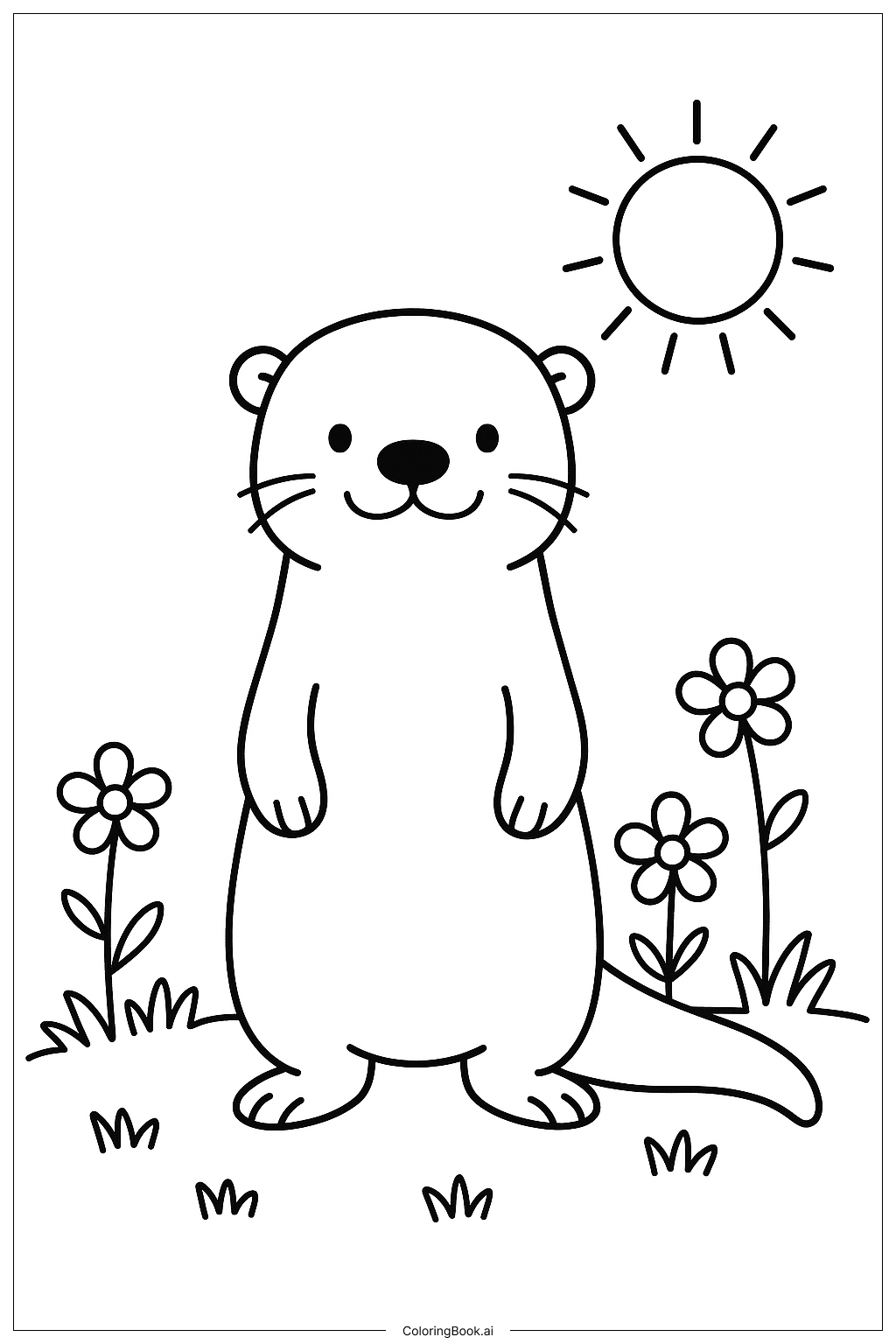
Coloring tips: How to color Otter In Flower Meadow coloring page well?
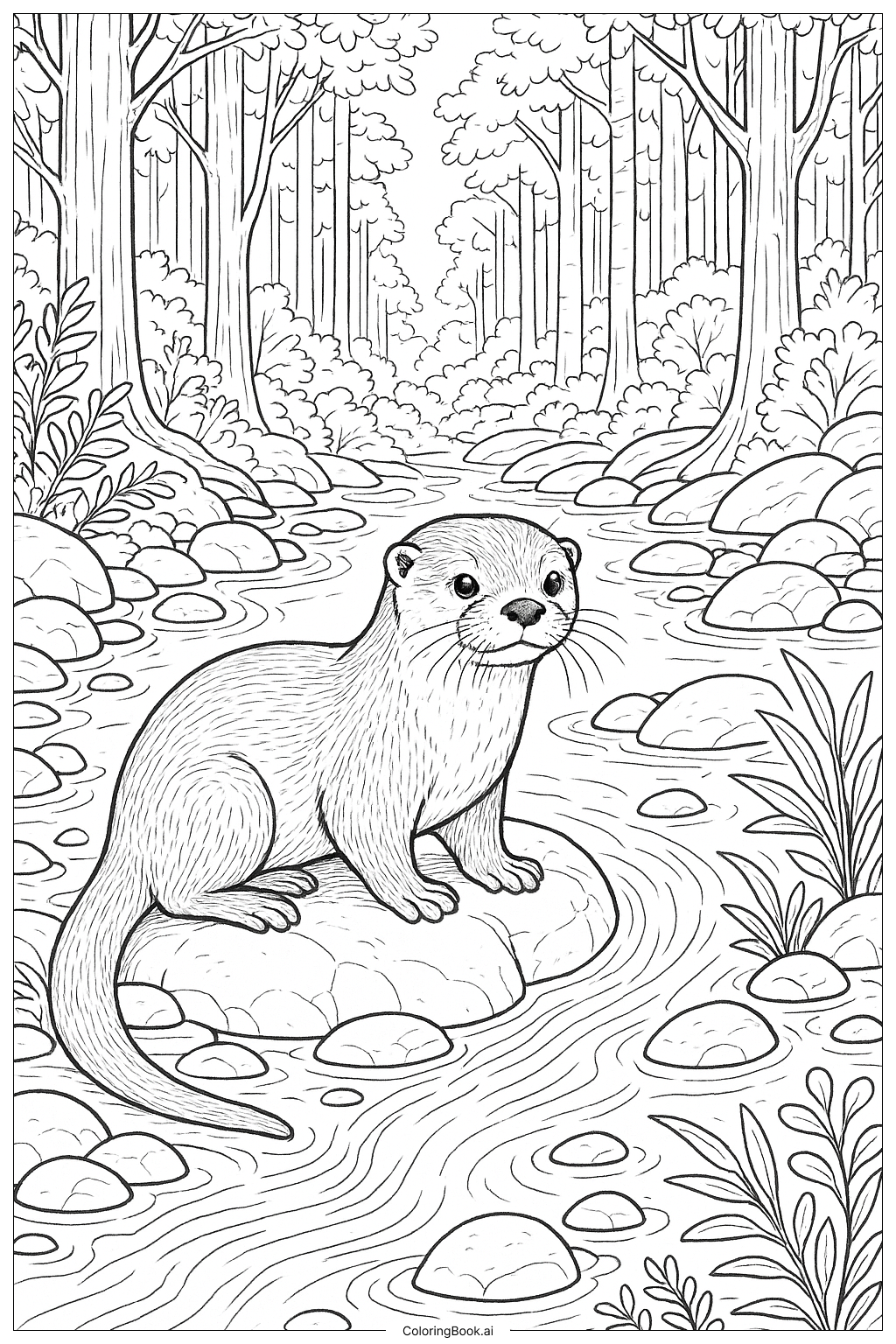
Start with the otter's body using warm shades of brown, such as tan or caramel, and use a slightly darker brown for the edges to add depth. The otter's face can be colored with a lighter beige or cream around the cheeks and belly area. For the flowers, feel free to use a variety of bright and cheerful colors like yellow, pink, purple, orange, and red to make the meadow pop. Leaves and stems look great in different shades of green — try mixing light and dark greens to show texture. The butterflies can be colored in soft pastels or bold contrasting colors to stand out against the flowers. Use a light blue or soft lavender for any sky peeking through the background. Don't be afraid to mix colors and experiment. There are no wrong choices — the goal is to have fun and make the scene your own!
Coloring challenges: Which parts are difficult to color and need attention for Otter In Flower Meadow coloring page?
• Otter's Fur Texture: The otter's body has soft, rounded fur that can be tricky to color realistically. To show depth and texture, you will need to layer at least two or three shades of brown, using lighter tones on the belly and face and darker tones along the sides and back. Blending the colors smoothly will take patience and a careful hand.
• Small Facial Features: The otter's face includes tiny details like the eyes, nose, and whisker dots. These small areas require a fine-tipped tool to color neatly. Staying within the lines here is one of the trickiest parts, especially for younger colorists. Using a sharp pencil or a thin marker works best.
• Dense Flower Arrangement: The meadow is filled with many overlapping flowers, leaves, and stems. Deciding which color goes where can feel overwhelming. It helps to plan your color palette ahead of time and alternate colors so that neighboring flowers do not blend together visually.
• Leaf and Stem Variety: The background contains many different leaf shapes and sizes. Giving each leaf a slightly different shade of green keeps the scene looking natural and avoids a flat appearance. Mixing yellow-greens and blue-greens adds a realistic sense of sunlight and shadow.
• Background Depth: Creating a sense of distance in the background — where flowers and plants appear further away — requires using softer, lighter colors toward the back and more vivid colors up front. This technique, known as color perspective, can be challenging but makes the finished piece look impressive.
Benefits of coloring books: Advantages of drawing Otter In Flower Meadow coloring page
Coloring this Otter In Flower Meadow page offers a wide range of benefits for children and adults alike. For younger kids, it helps develop fine motor skills as they practice staying within the lines and controlling their coloring tools. Choosing colors for the flowers, the otter's fur, and the leafy background also encourages creative thinking and self-expression.
The calming nature of coloring a peaceful meadow scene can help reduce stress and anxiety. Focusing on a simple, beautiful image allows the mind to slow down and relax, making it a great activity after a busy day at school or work.
For older children and teens, this image provides a chance to practice color theory — learning how to blend, shade, and create contrast using different hues. The complexity of the flower meadow gives more advanced colorists plenty of room to explore their skills.
Coloring also builds patience and concentration. Finishing a detailed page like this one gives a real sense of accomplishment and boosts confidence. Sharing the finished artwork with friends or family can also strengthen social connections and encourage positive self-esteem. Overall, this is a fun and rewarding coloring experience for all ages.