Coloring tips: How to color Orca Teaching Calf At Reef coloring page well?
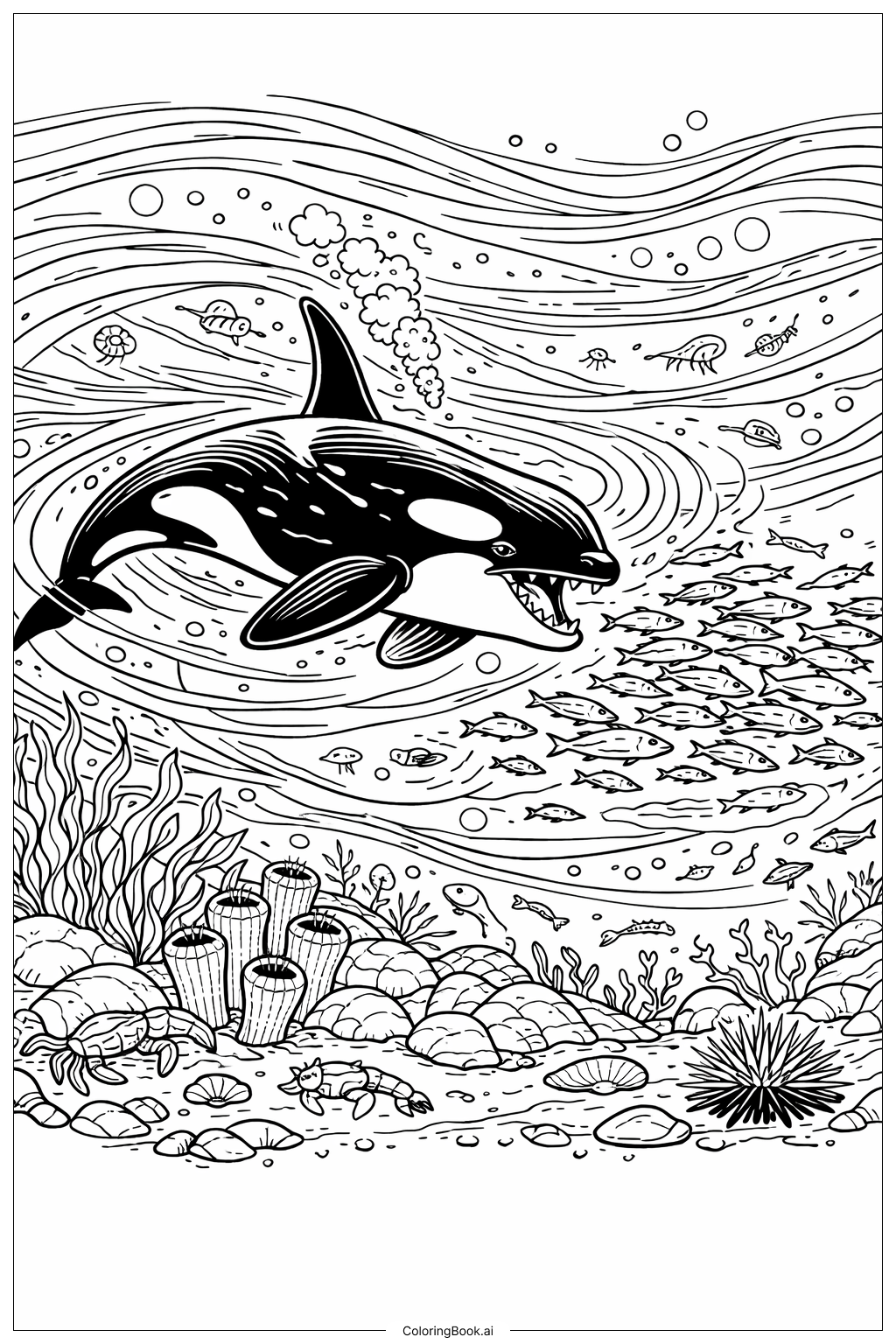
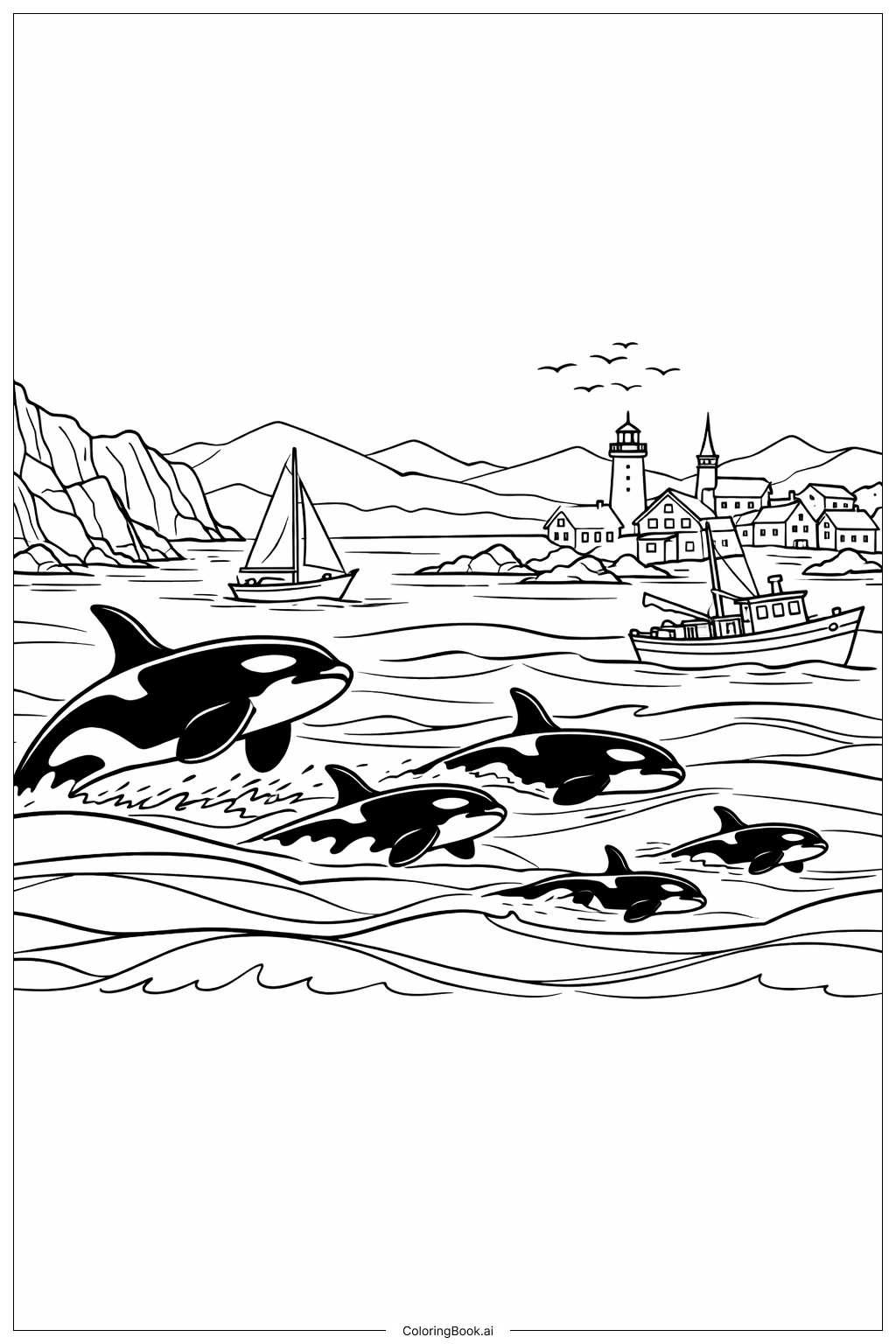
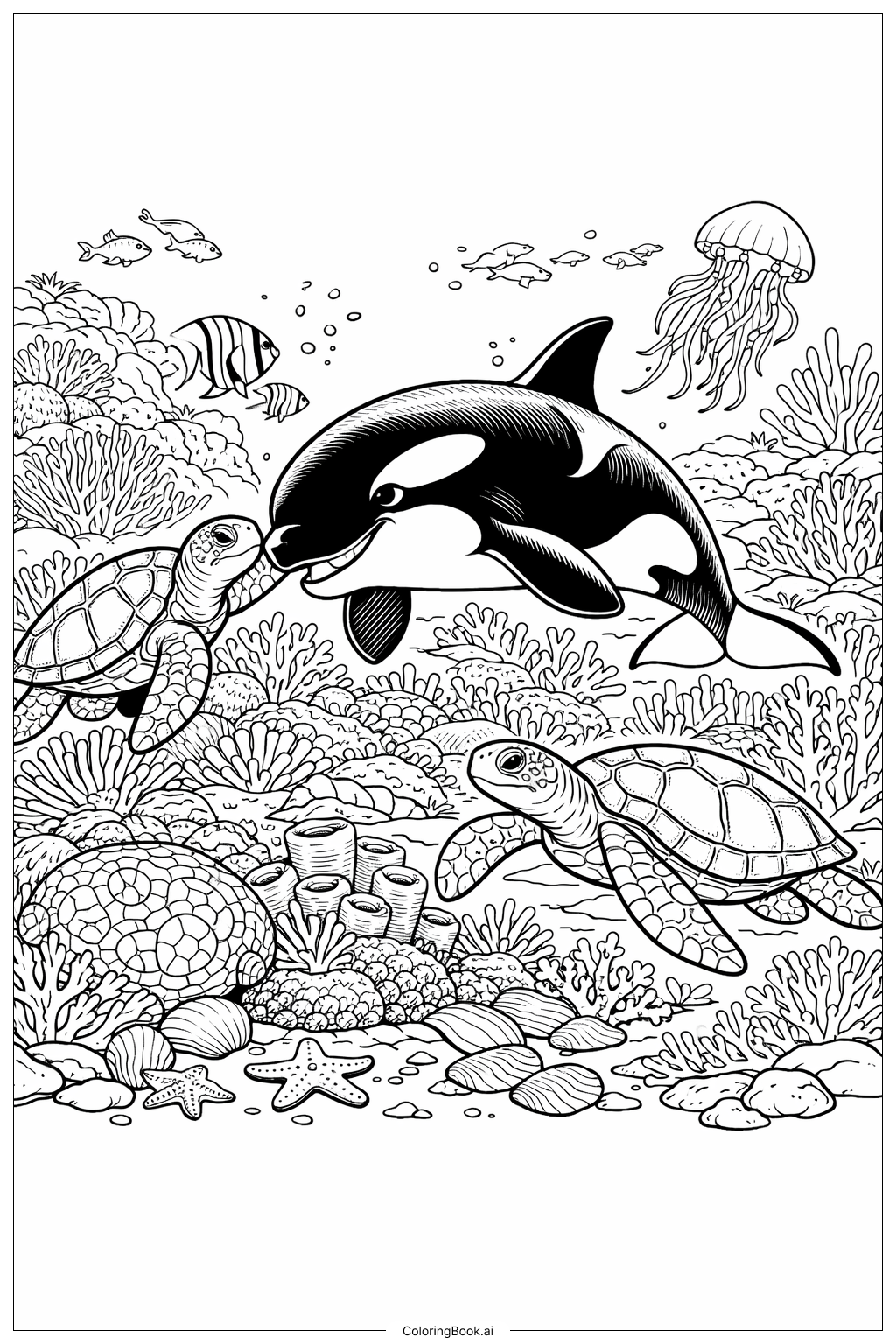
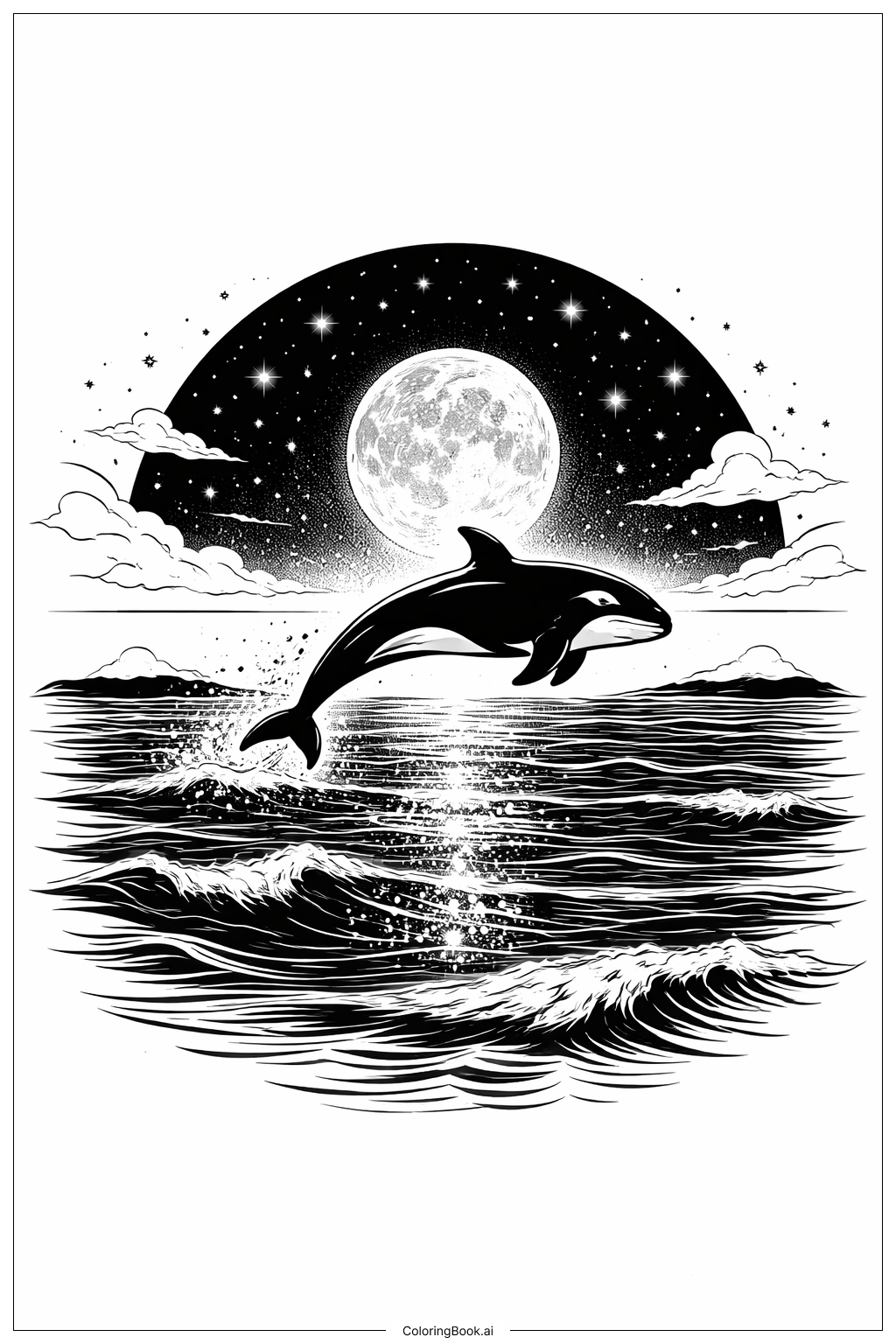
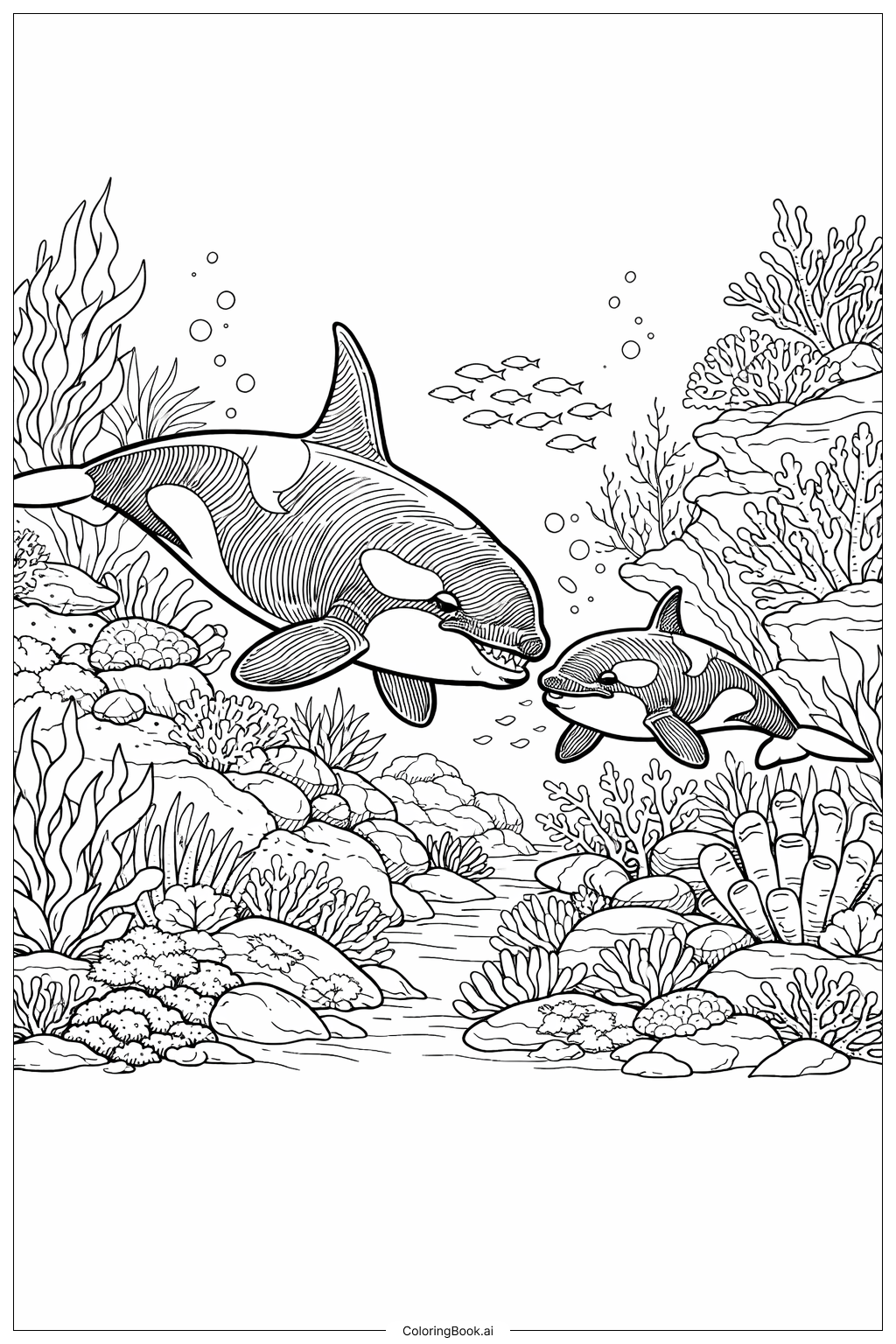
Use different shades of black, white, and gray to color the Orca, paying attention to the smooth contrast between their bodies. The coral reef can be vibrant with colors like orange, pink, yellow, and purple to make it lively and fun. You could also add blues and greens for the water to create a soothing underwater scene. The small fish can be colored in bright tones like yellow or red to stand out against the reef. For the calf, try using slightly softer shades than the adult to show it is younger. Remember to color the sky and waves gently if you want a full underwater environment.
Coloring challenges: Which parts are difficult to color and need attention for Orca Teaching Calf At Reef coloring page?
• Detailing the Orca's markings: Orcas have sharp contrasts between black and white sections on their bodies, which can be tricky to shade smoothly while keeping the natural look. Getting the shapes right is important for a realistic style.
• Coral reef complexity: The reef features many small, intricate shapes and textures. Coloring each part with different colors while maintaining balance and harmony requires careful attention and patience.
• Depth and water effects: Showing the water's translucence and how it affects colors underneath can be challenging. Blending blues and greens smoothly to represent ocean water needs some skill.
• Young calf subtlety: Making the calf look younger by using softer and lighter shades without losing detail is delicate work. Over-coloring can hide its gentler features.
• Small fish detailing: The tiny fish near the reef require careful coloring to avoid smudging or mixing colors together, demanding fine motor skills from the colorer.
Benefits of coloring books: Advantages of drawing Orca Teaching Calf At Reef coloring page
Coloring this picture will help improve observation skills as children notice the different textures and shapes in the ocean environment. It encourages patience and fine motor control when working on detailed areas like the reef and orca markings. This image also sparks curiosity about marine animals and underwater life, fostering a love for nature. By coloring the bond between the adult orca and calf, children can learn about family relationships and teaching moments in the wild. Overall, it promotes creativity and a sense of calm through engaging with a beautifully detailed ocean scene.