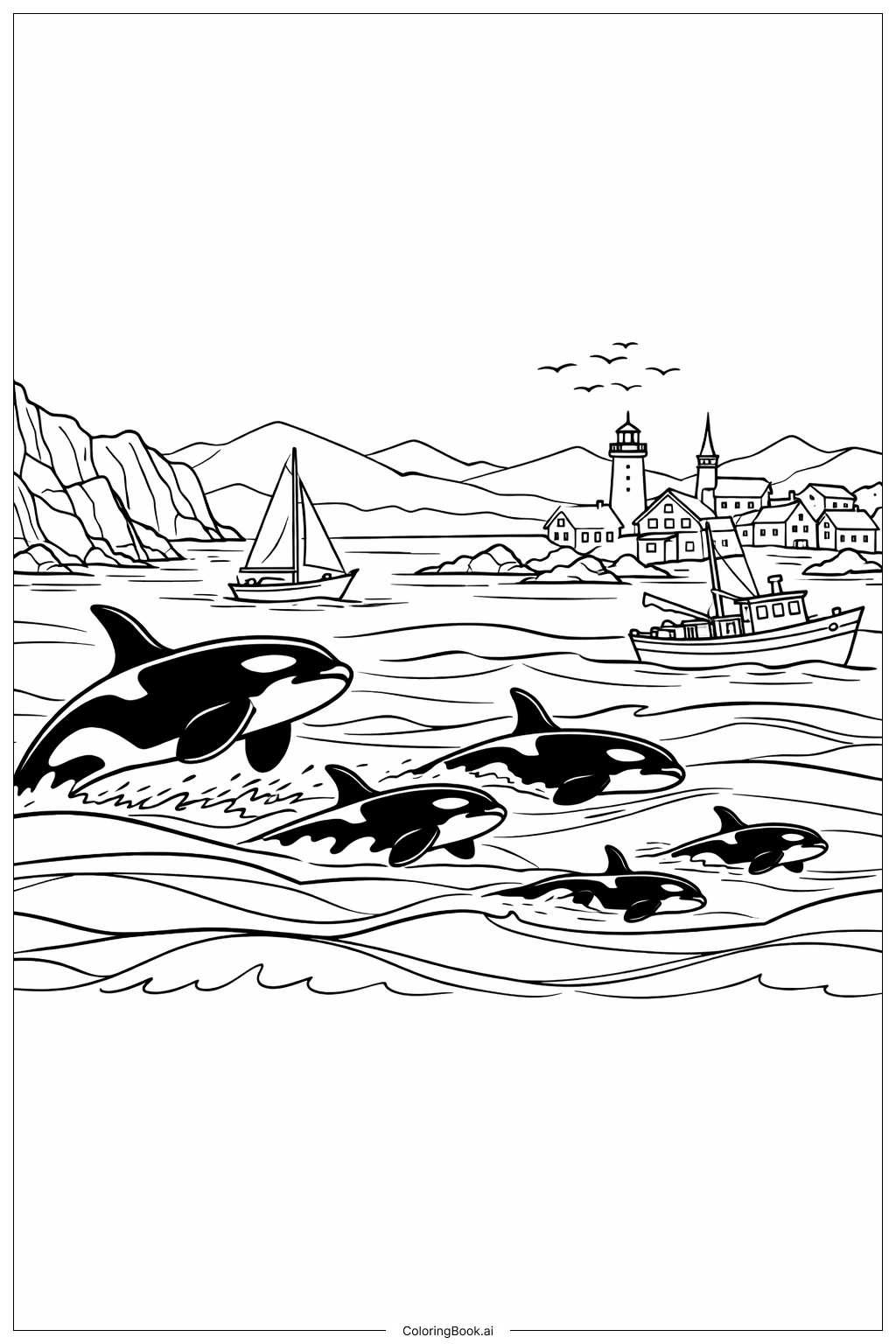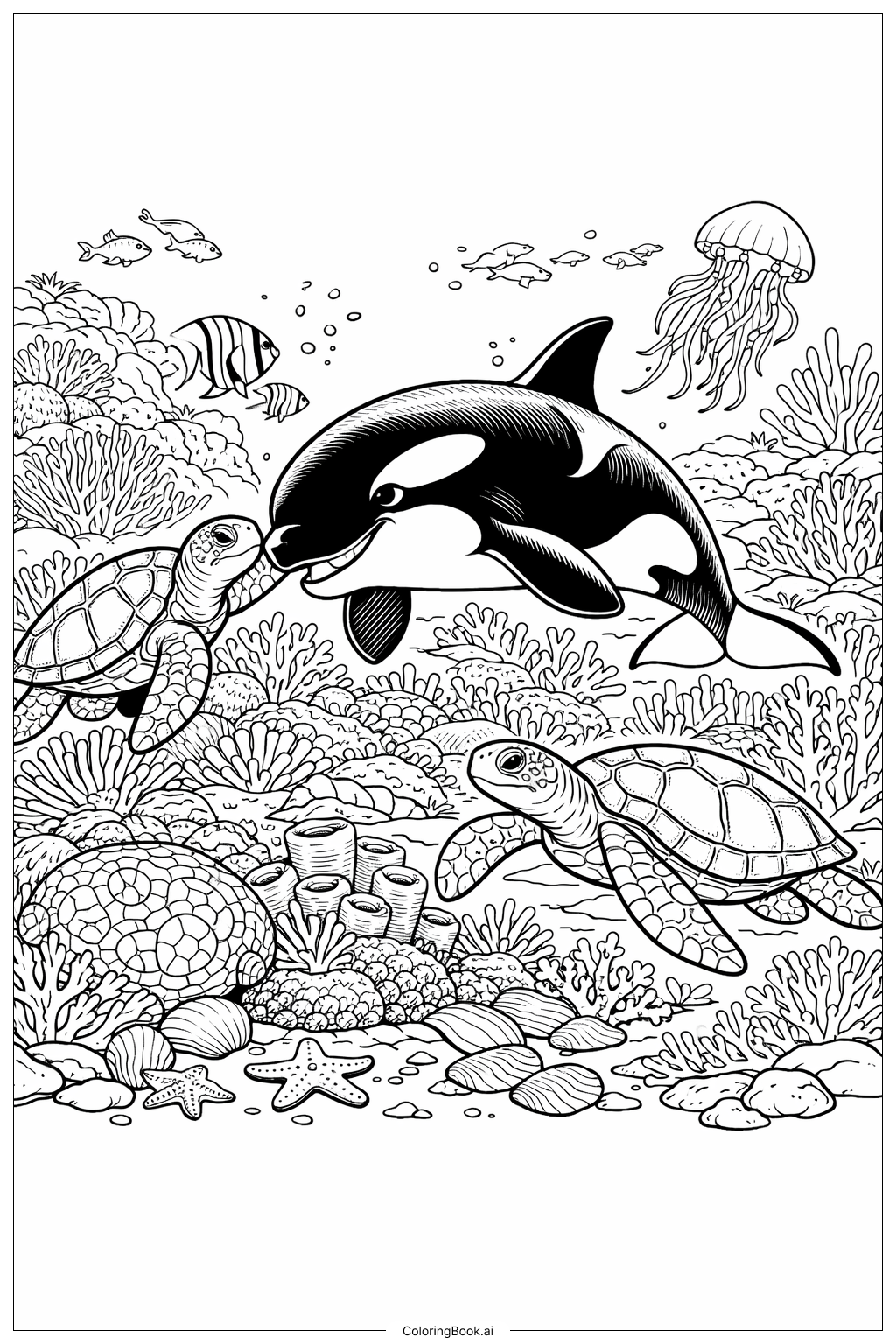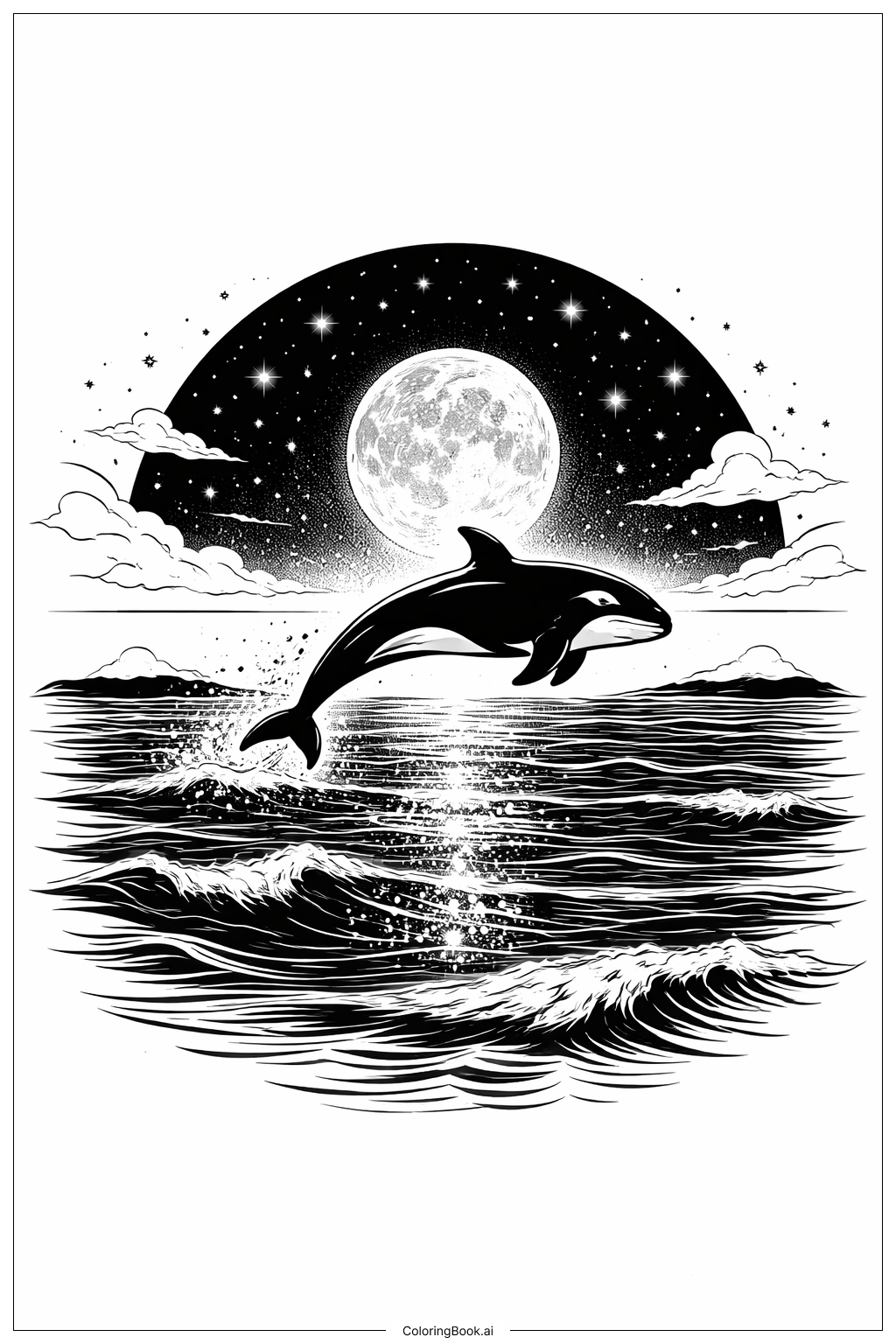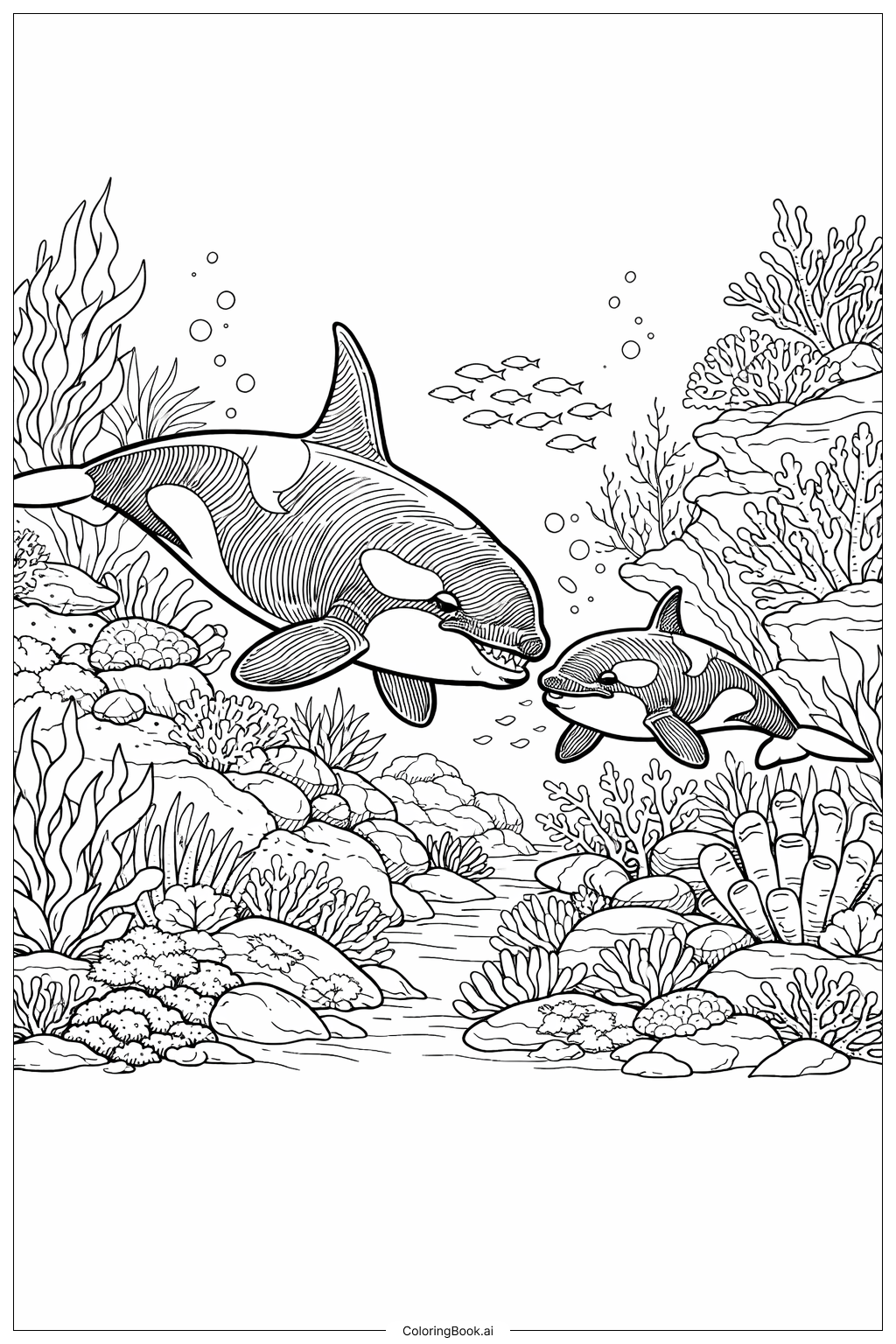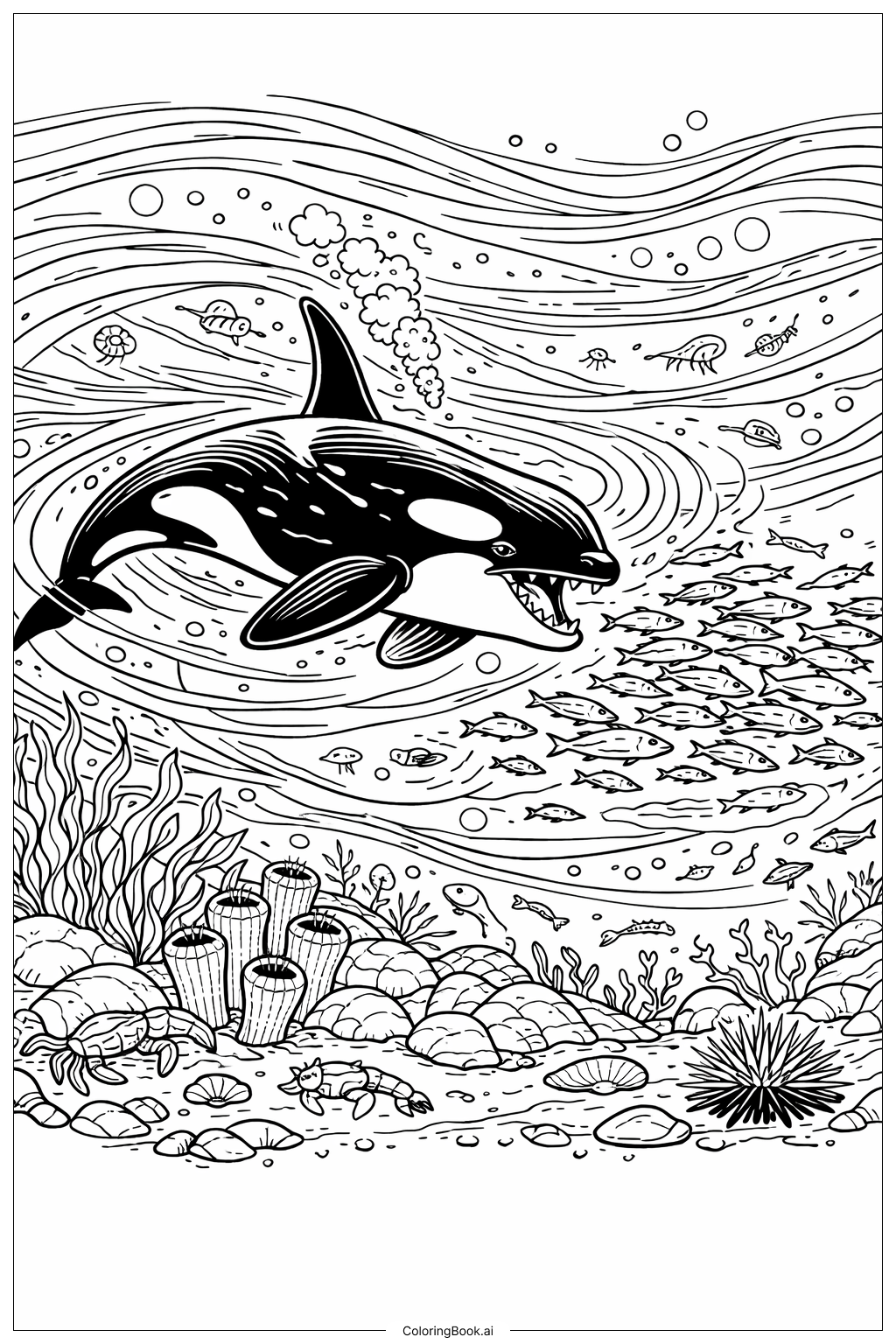
Coloring tips: How to color Orca Hunting Through Plankton Swirls coloring page well?
Use bold blacks and bright whites to capture the striking look of the Orca’s body. For the plankton swirls, try soft blues, greens, and pale whites to show the gentle flow of water and tiny creatures. Blending light and darker shades can help bring out the swirling motion. You might want to add hints of turquoise or sea green to make the water feel fresh and lively. Coloring the background in deeper blue tones will help the Orca stand out. Keep your strokes smooth and follow the curves of the swirls to bring this underwater scene to life.
Coloring challenges: Which parts are difficult to color and need attention for Orca Hunting Through Plankton Swirls coloring page?
• Orca Markings: The Orca has distinct black and white patches. Staying inside these areas carefully can be tricky but is important for an accurate look. • Swirling Plankton Patterns: The plankton create many spirals and twists that overlap. Coloring these detailed curves evenly and smoothly requires attention and patience. • Contrast Balance: Making sure the dark Orca and the light plankton both stand out without blending too much can be hard, especially with similar sea colors. • Fine Details: Some parts of the plankton swirls are very thin lines and small shapes. Coloring them neatly demands good control and possibly fine-tipped coloring tools. • Layering Colors: To show motion and depth, multiple color layers or shading might be needed, which can be challenging for younger artists just learning to blend colors.
Benefits of coloring books: Advantages of drawing Orca Hunting Through Plankton Swirls coloring page
Coloring this image helps improve focus and hand-eye coordination as the artist works to stay inside the Orca’s markings and the delicate plankton patterns. It encourages creativity by blending blues and greens to capture the ocean’s motion. This image also teaches children about marine life and ecosystems—the Orca’s hunting behavior and the role of plankton in the sea. Working on the swirling shapes develops patience and fine motor skills. Overall, it’s a fun way to connect with nature and learn while practicing artistic skills.