Coloring tips: How to color Orca Splash Simple coloring page well?
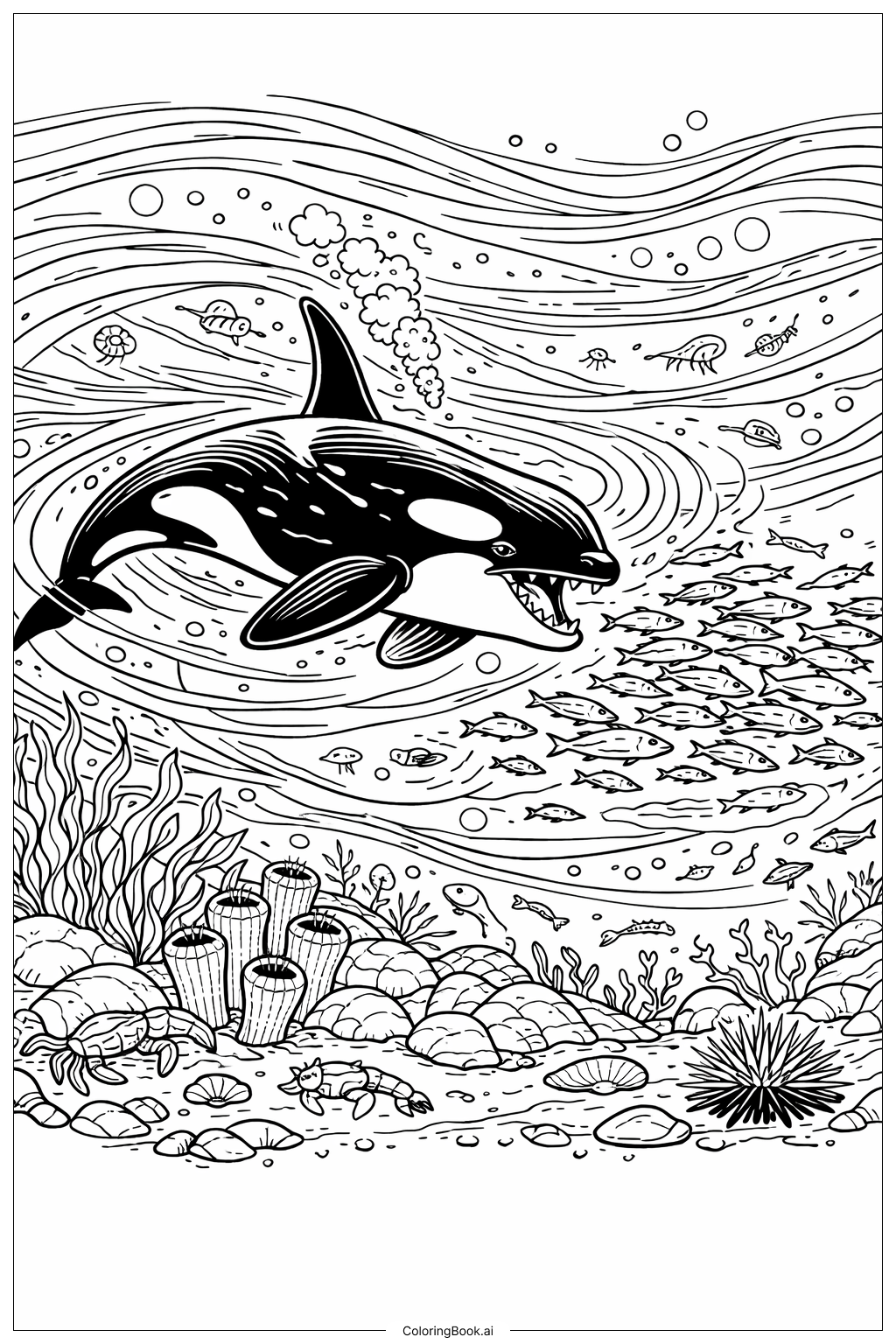
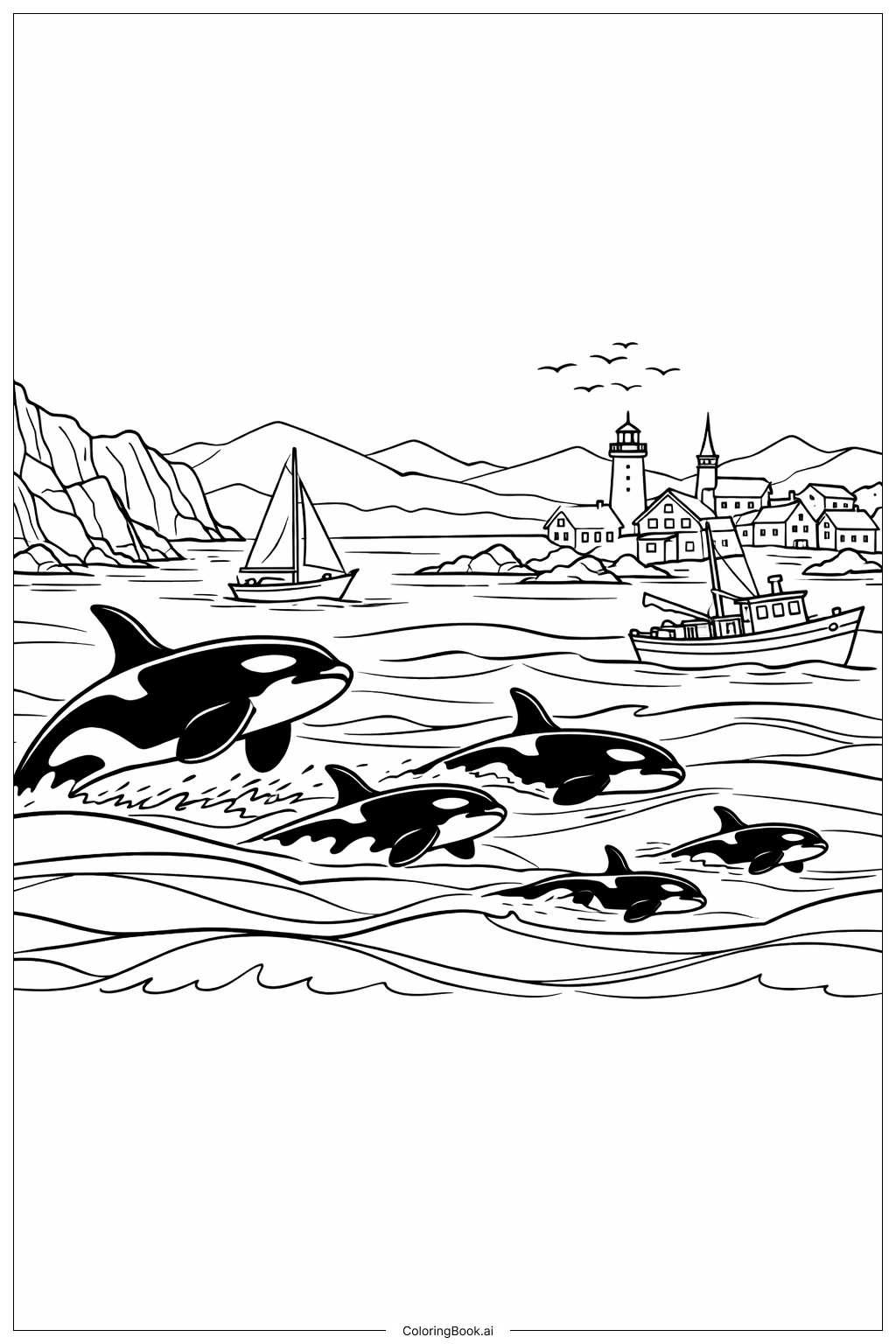
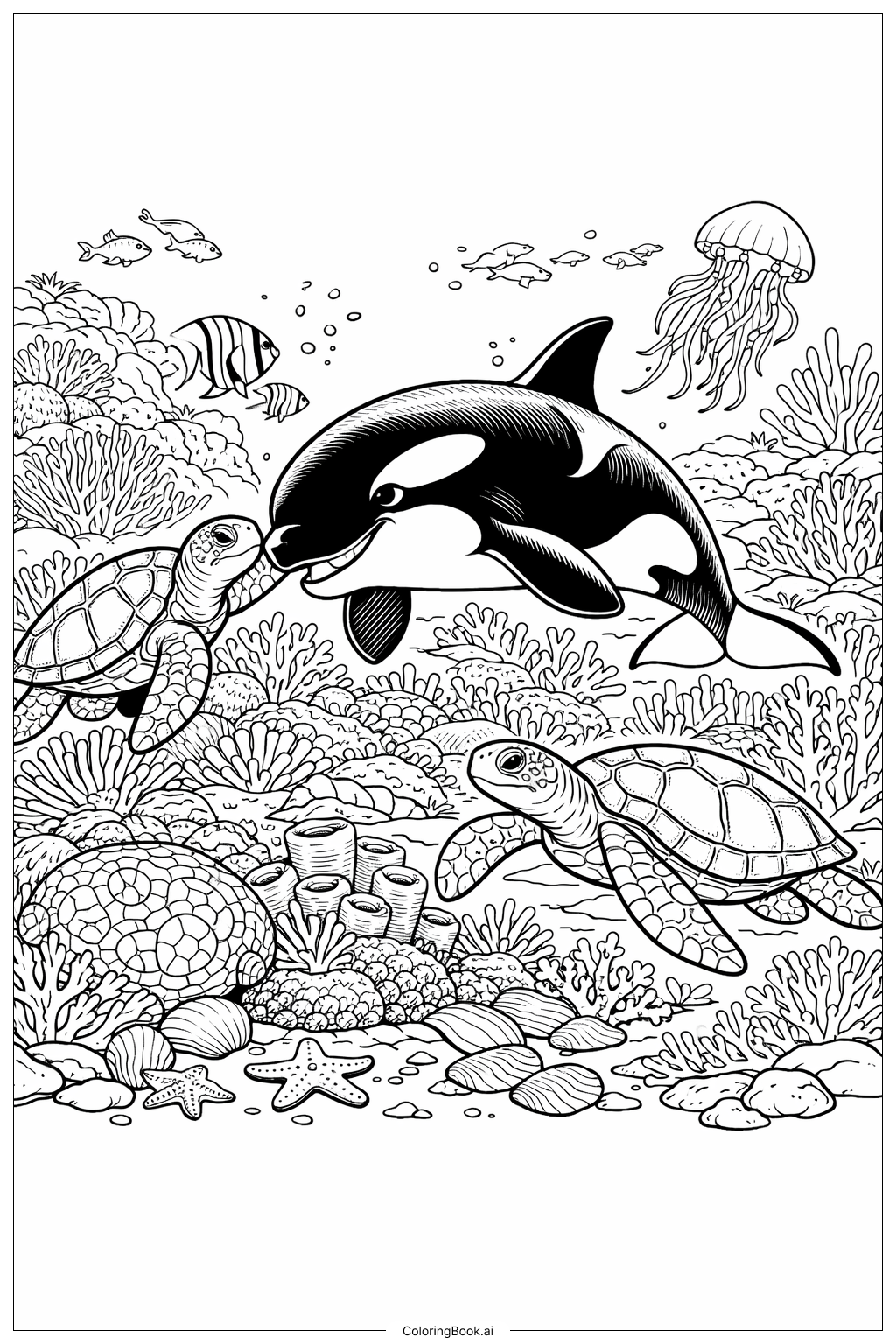
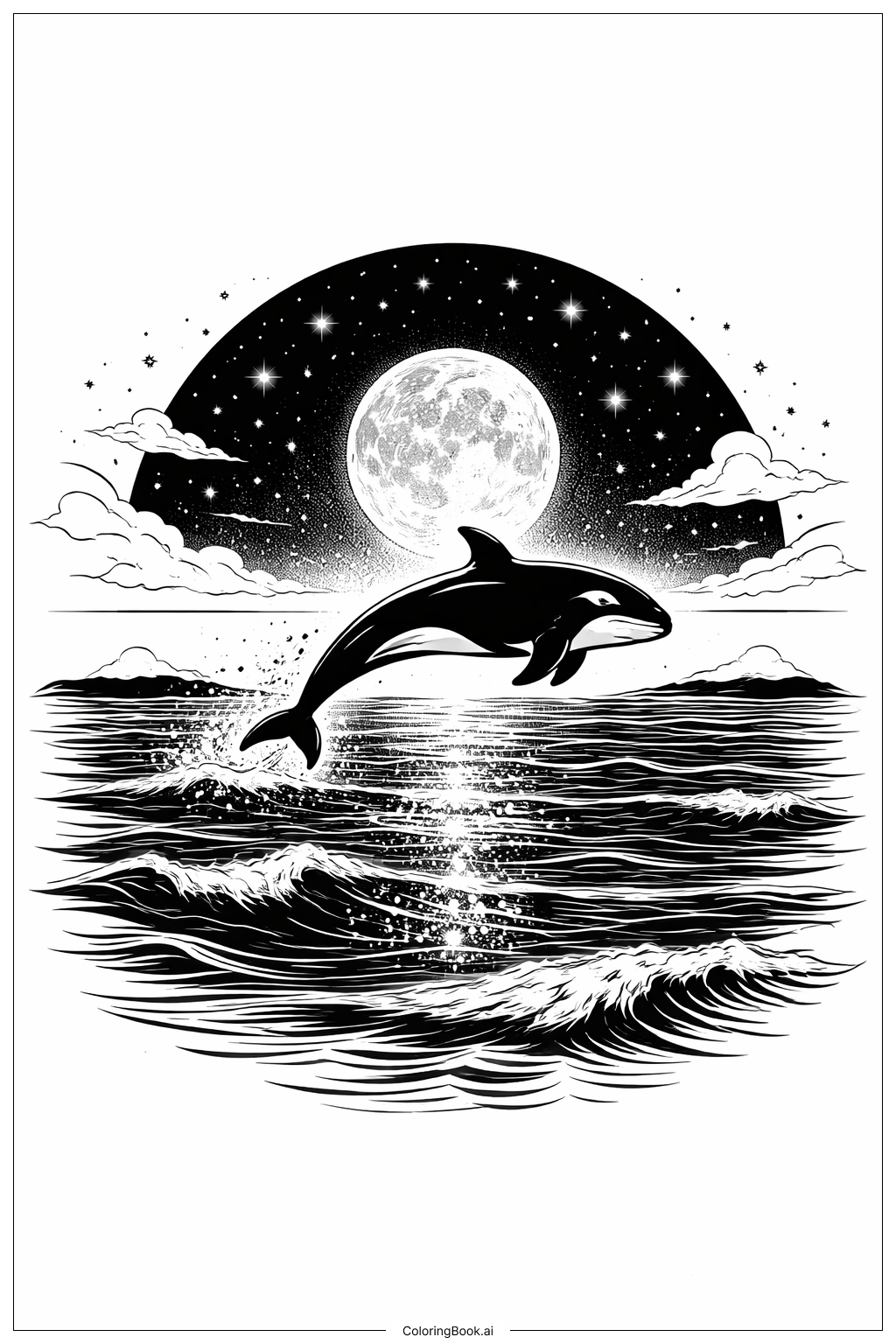
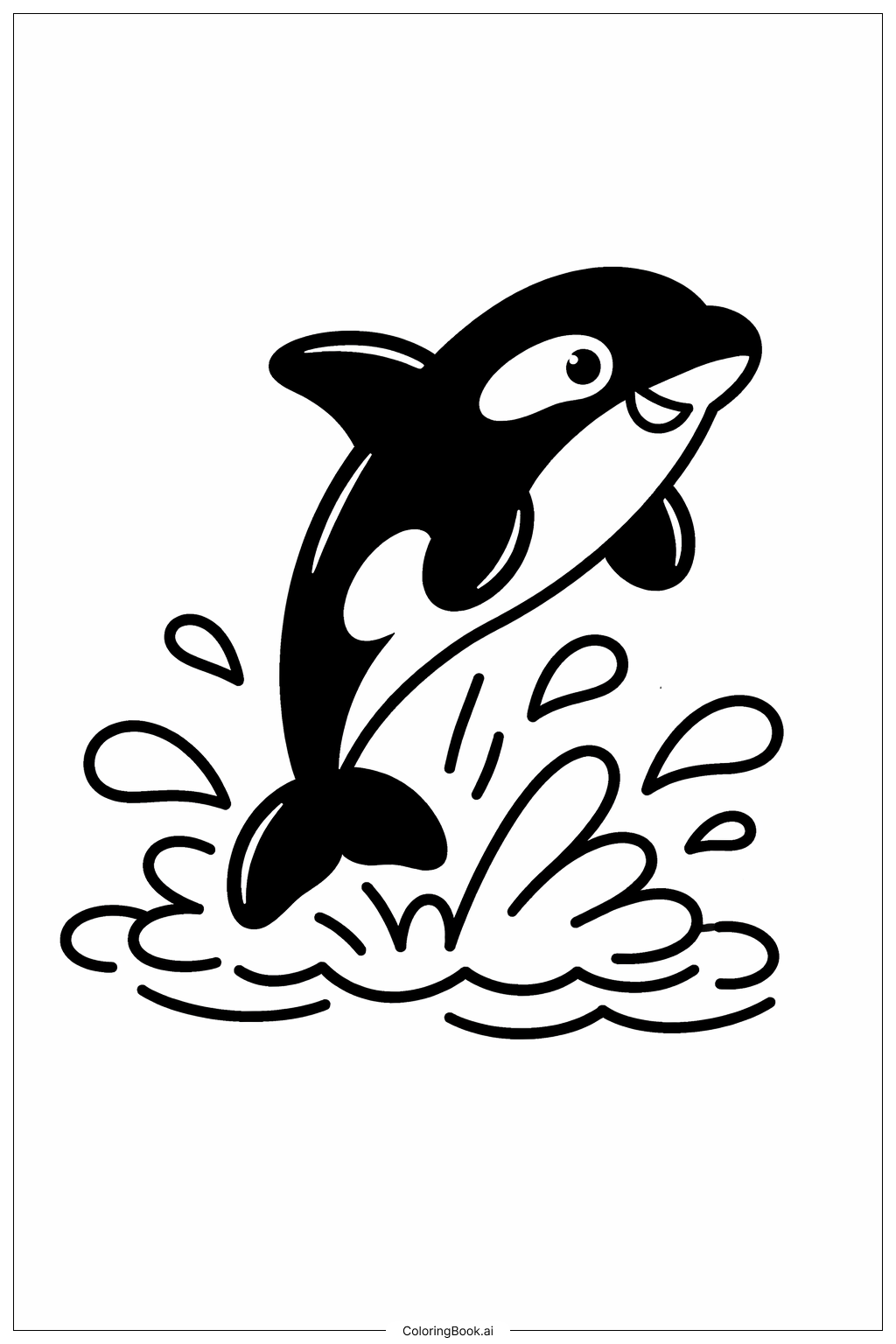
To color this orca, start with the classic black and white patterns on its body. Use a deep black for the main parts and bright white for its belly and patches near its eyes. For the splash and water, choose shades of blue and light blue to show the movement and freshness of the ocean. You can add some white or light gray highlights on the splash to show the water spray. For the background, try light blues or even soft purples to create a peaceful sea scene. Younger kids might enjoy bright and bold colors, while older children can try blending colors to show light and shadow on the water. Feel free to get creative and use your favorite colors to make the orca and splash unique!
Coloring challenges: Which parts are difficult to color and need attention for Orca Splash Simple coloring page?
• Orca Body Patterns: The orca’s black and white areas must be colored carefully to keep the distinct contrast. It can be tricky to stay inside the lines without mixing colors.
• Splash Details: The water splash has many small droplets and waves. Coloring these with different shades to show movement can be challenging but adds a nice effect.
• Smooth Curves: The orca’s curved body requires smooth coloring strokes to keep the shape looking natural and lively.
• Water Reflections: Creating a believable splash means using colors that represent light reflections, which may be difficult for beginners.
• Minimal Background: Since the background is simple, it can be tempting to leave it blank, but adding color here helps the orca stand out more and makes the picture complete.
Benefits of coloring books: Advantages of drawing Orca Splash Simple coloring page
Coloring this orca splash image helps children improve hand-eye coordination as they carefully color inside curved and detailed areas. It encourages focus and attention to detail, especially with the orca’s unique black and white patterns and water splash. The image inspires creativity by letting children decide how to color the water and background. It also teaches about marine life, helping kids learn to recognize orcas and appreciate ocean animals. Coloring scenes like this can be relaxing and build confidence as children see their artwork come to life.