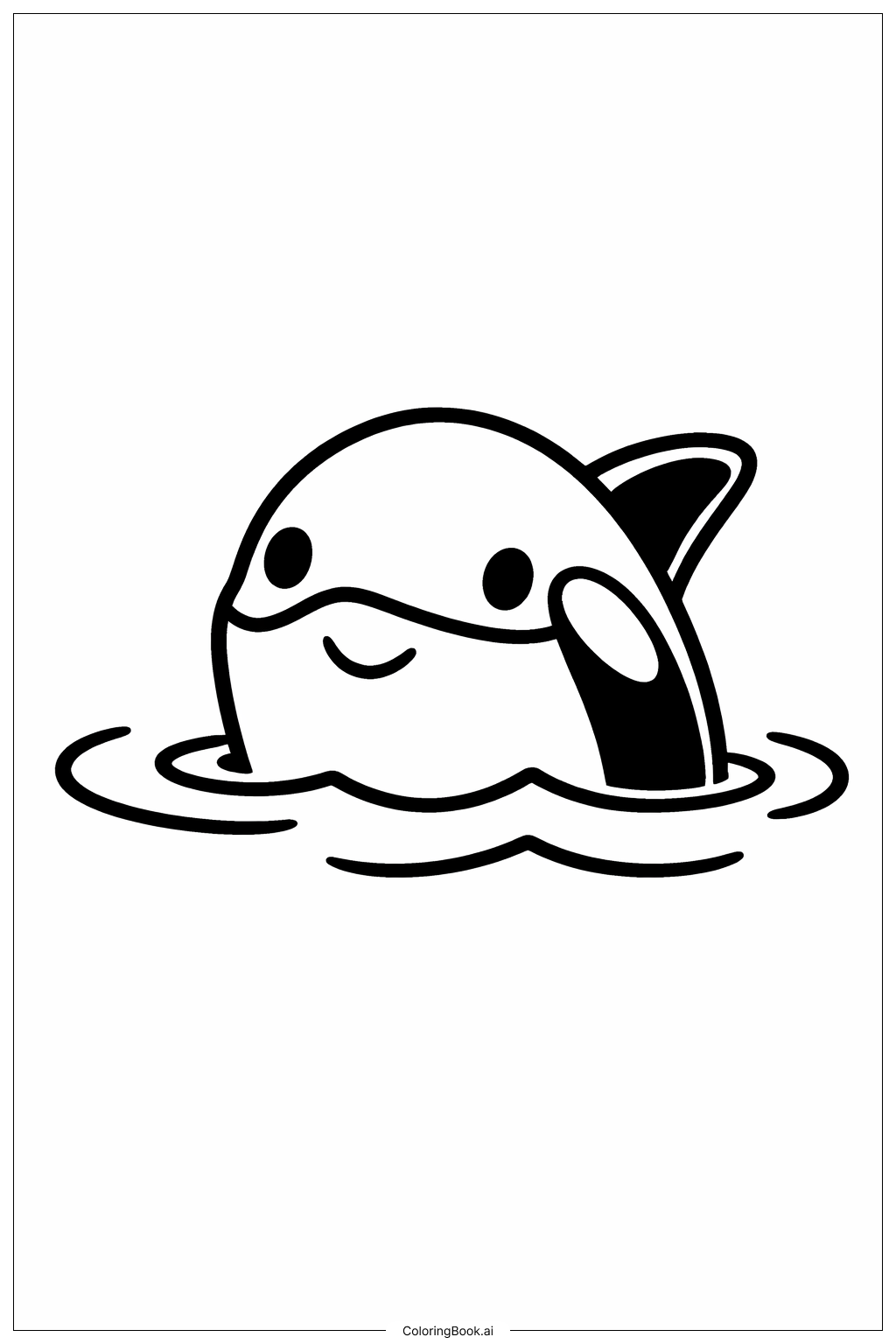
Coloring tips: How to color Orca Peeking From Water coloring page well?
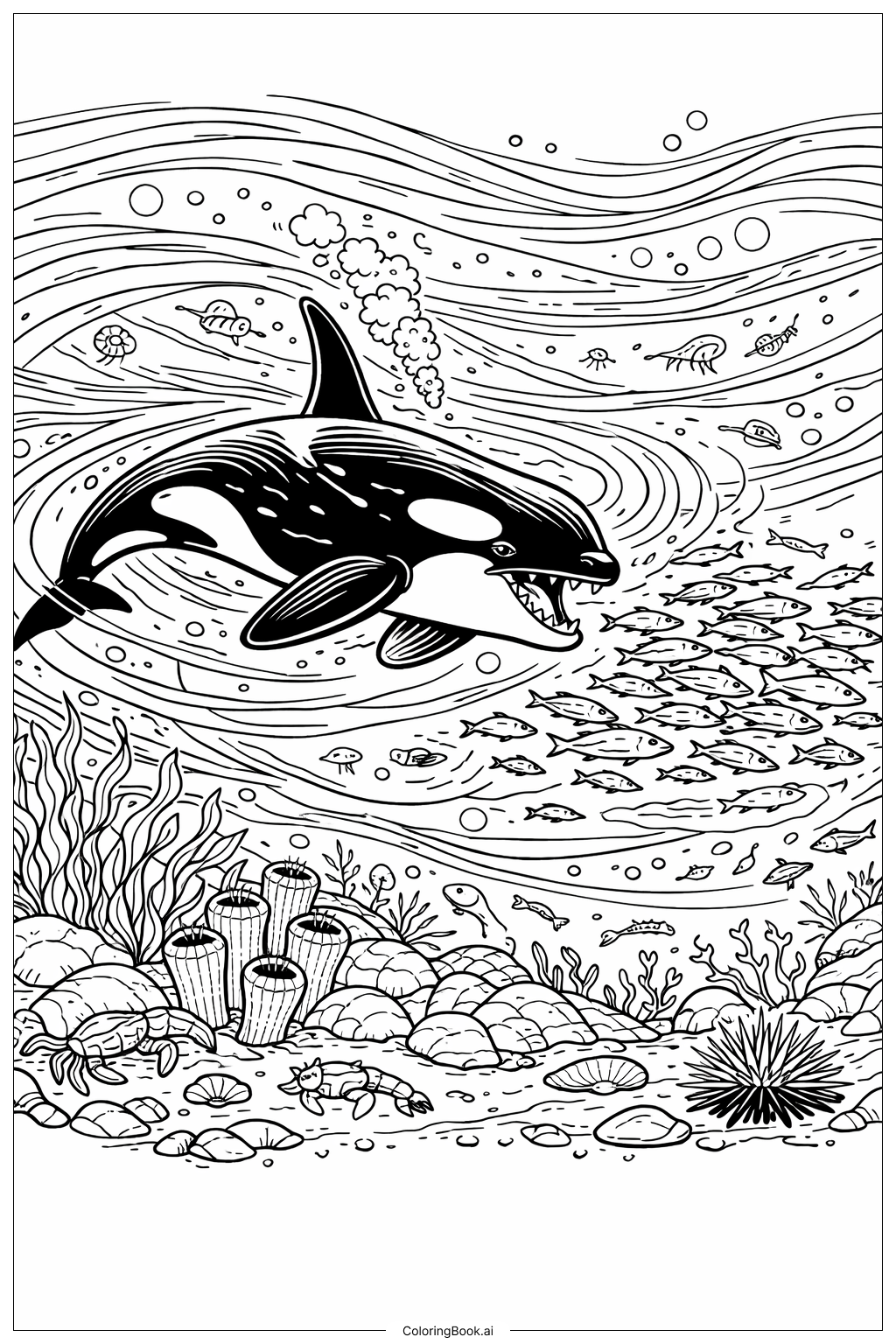
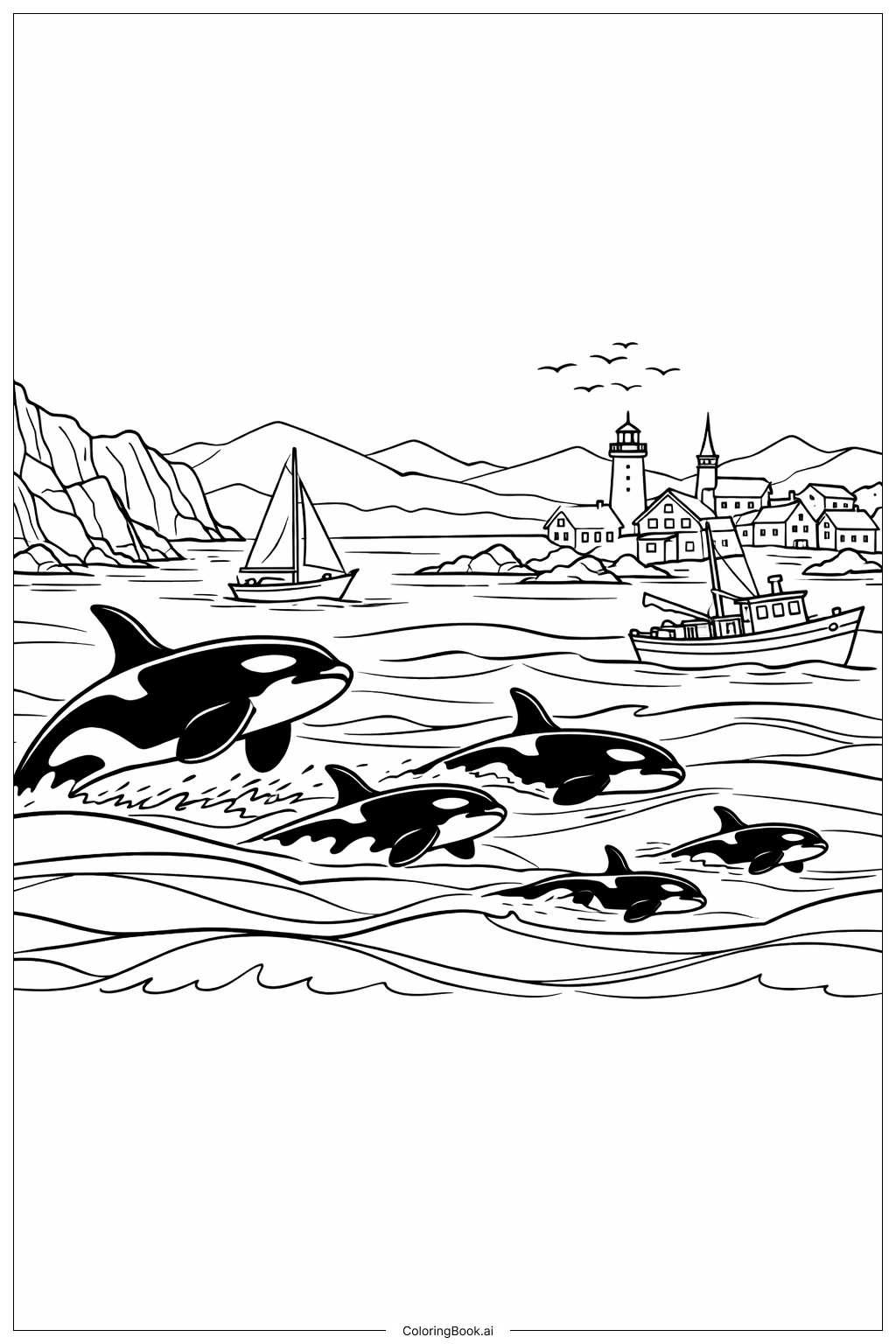
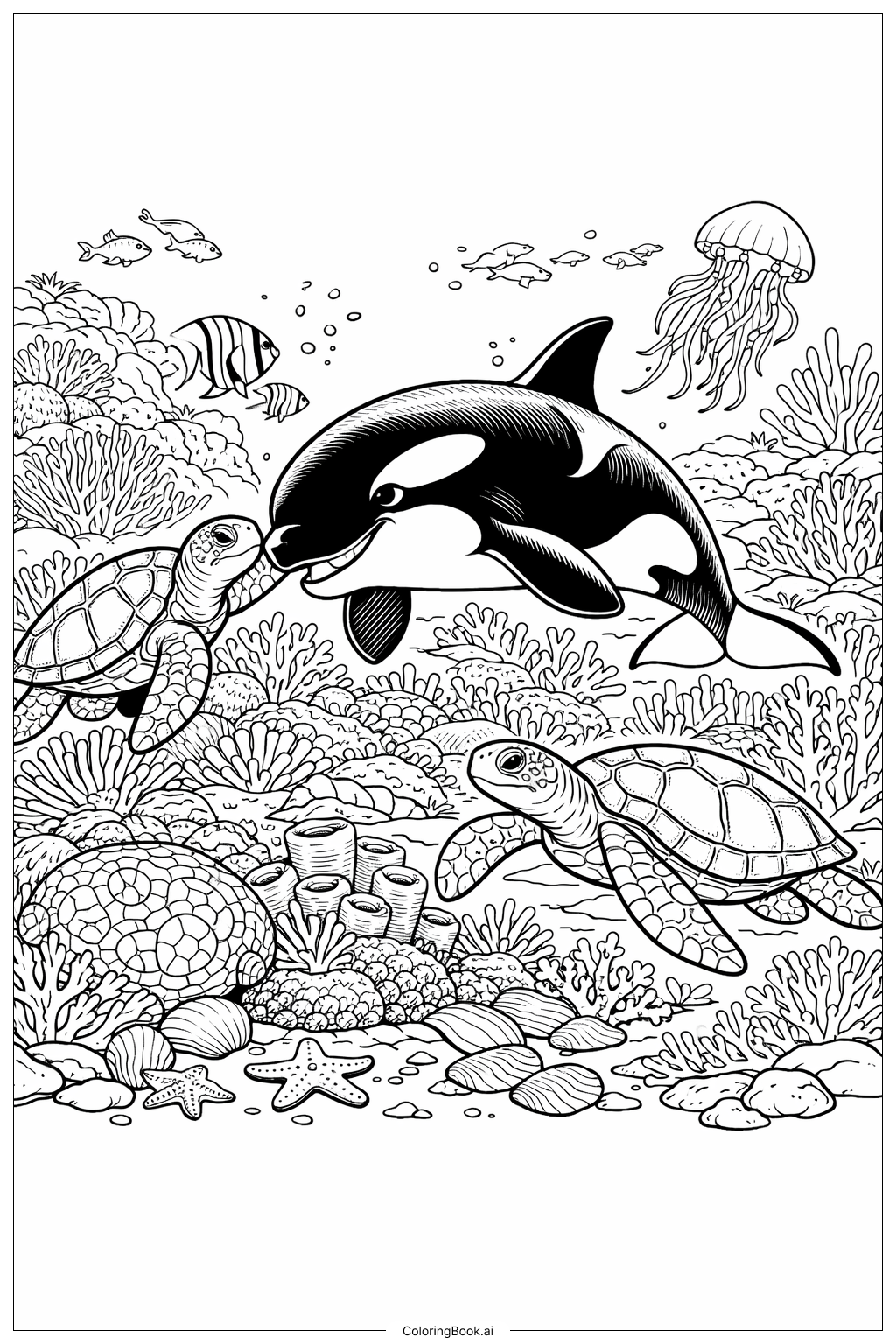
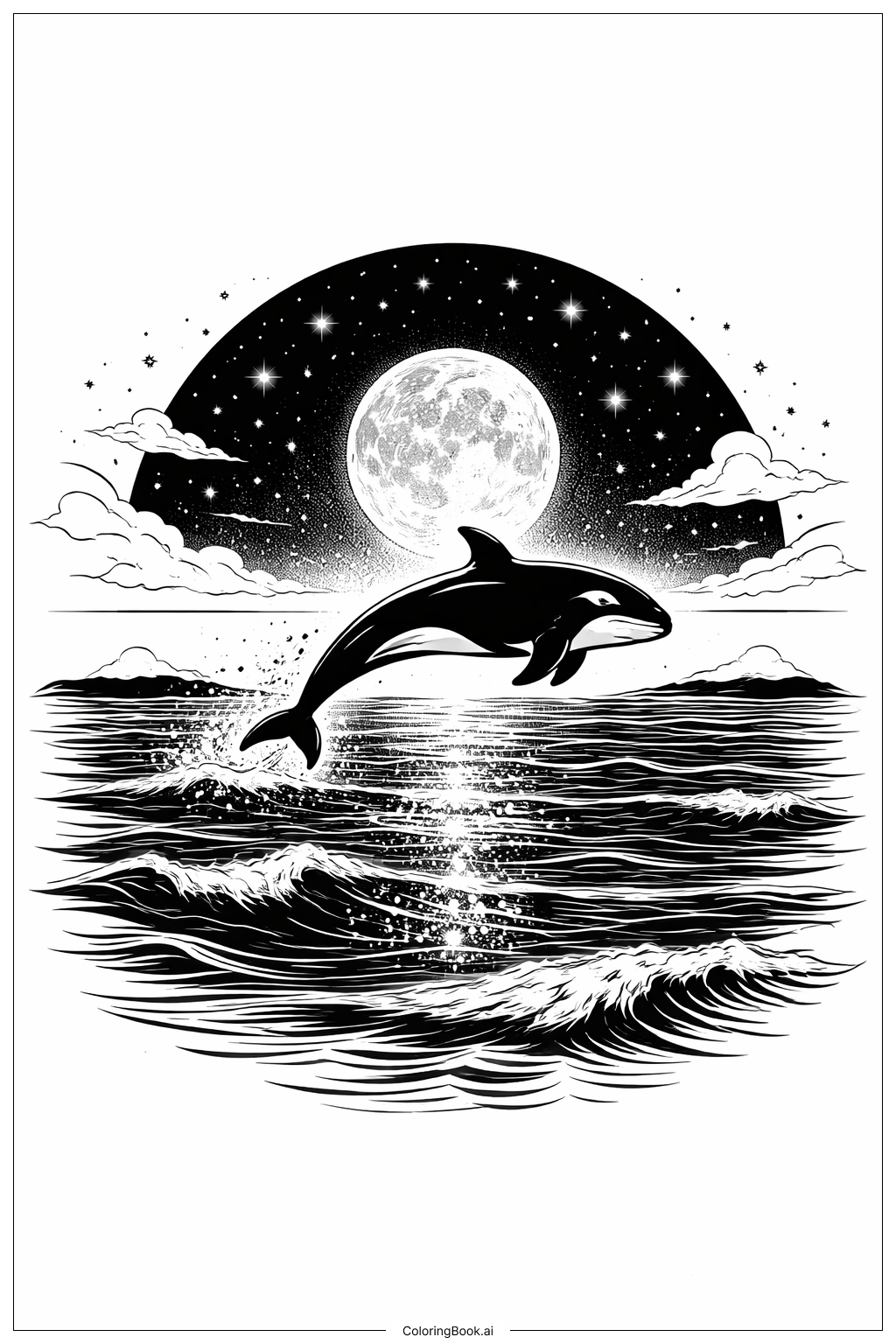
Try using deep blacks for the Orca’s main body to highlight its distinctive markings. For the white patches, use bright whites or very light gray tones to add dimension. The water can be colored in different shades of blue and turquoise, with hints of white or light gray to show where it ripples and splashes. You could also add some reflections or sparkles on the water surface to bring the scene to life. Feel free to experiment with blending colors softly around the Orca to create a realistic wet look. Using blue-green tones for the water contrasted against the sharp black and white of the Orca will make the picture stand out beautifully.
Coloring challenges: Which parts are difficult to color and need attention for Orca Peeking From Water coloring page?
• Color Contrast: The strong contrast between the black and white areas of the Orca needs careful coloring to avoid smudging or blending the two colors accidentally.
• Smooth Blending: Capturing the smooth texture of the Orca’s skin and the fluid movement of water can be tricky, requiring gentle shading and blending skills.
• Water Ripples: The detailed, overlapping ripples around the Orca require patience to color without losing the sense of motion or making the water look flat.
• Light and Shadow: Creating realistic lighting effects on the Orca and water involves recognizing where shadows and highlights fall, which can be challenging for beginners.
• Maintaining Detail: Coloring inside the fine edges of the Orca’s eye patch and other small details calls for steady hands and precision coloring tools.
Benefits of coloring books: Advantages of drawing Orca Peeking From Water coloring page
Coloring this Orca image can help develop focus and fine motor skills as you work on the clean lines and detailed shapes. It encourages observation of nature’s patterns and contrasts, especially the striking black and white of the Orca. Coloring the water fosters creativity with blending and shading techniques to show reflections and movement. This activity can also spark curiosity about marine life and the ocean environment. For young children, it offers a fun way to practice patience and color coordination. Overall, this coloring page combines art and learning in an engaging, calming experience.