Coloring tips: How to color Orca Mother And Calf coloring page well?
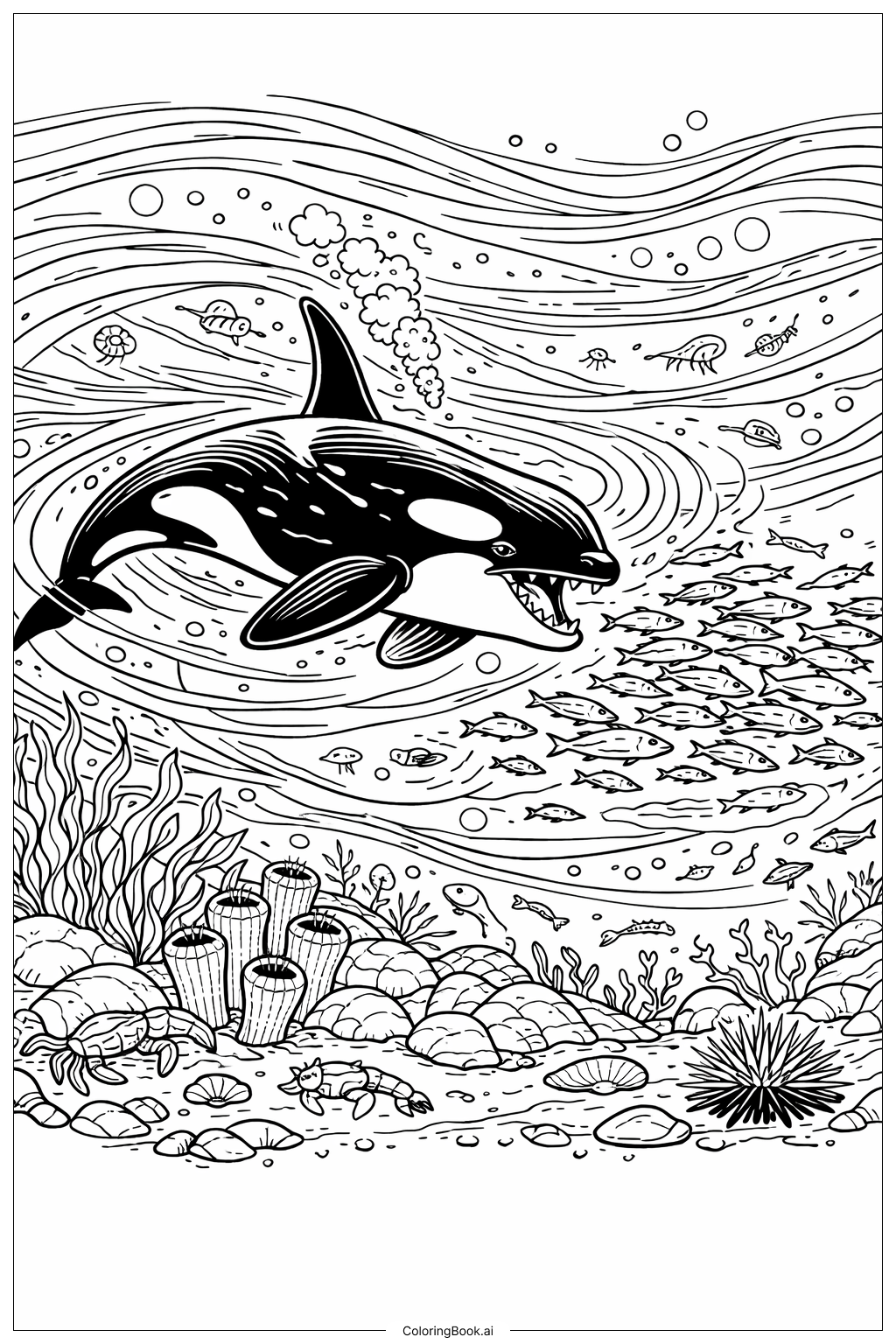
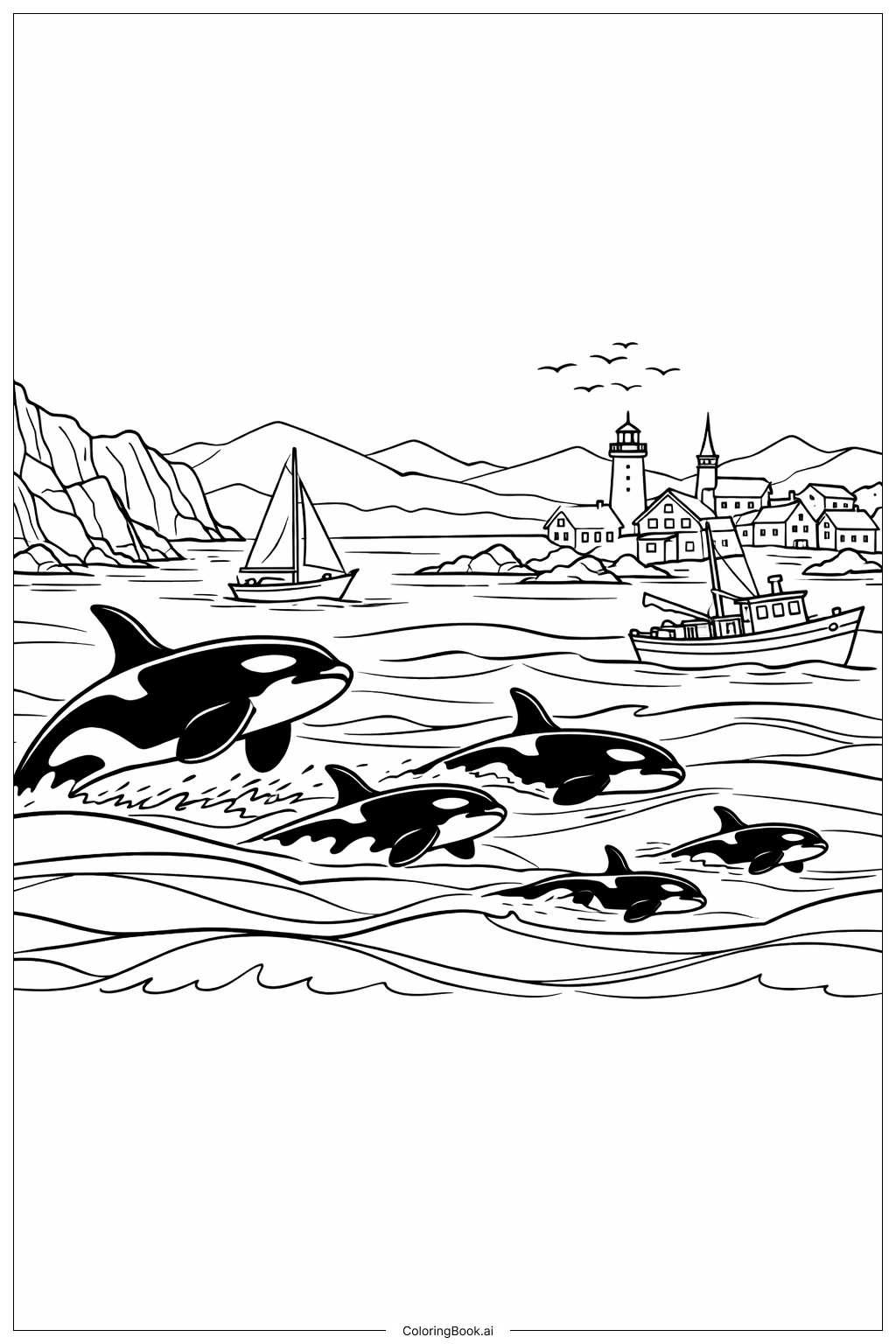
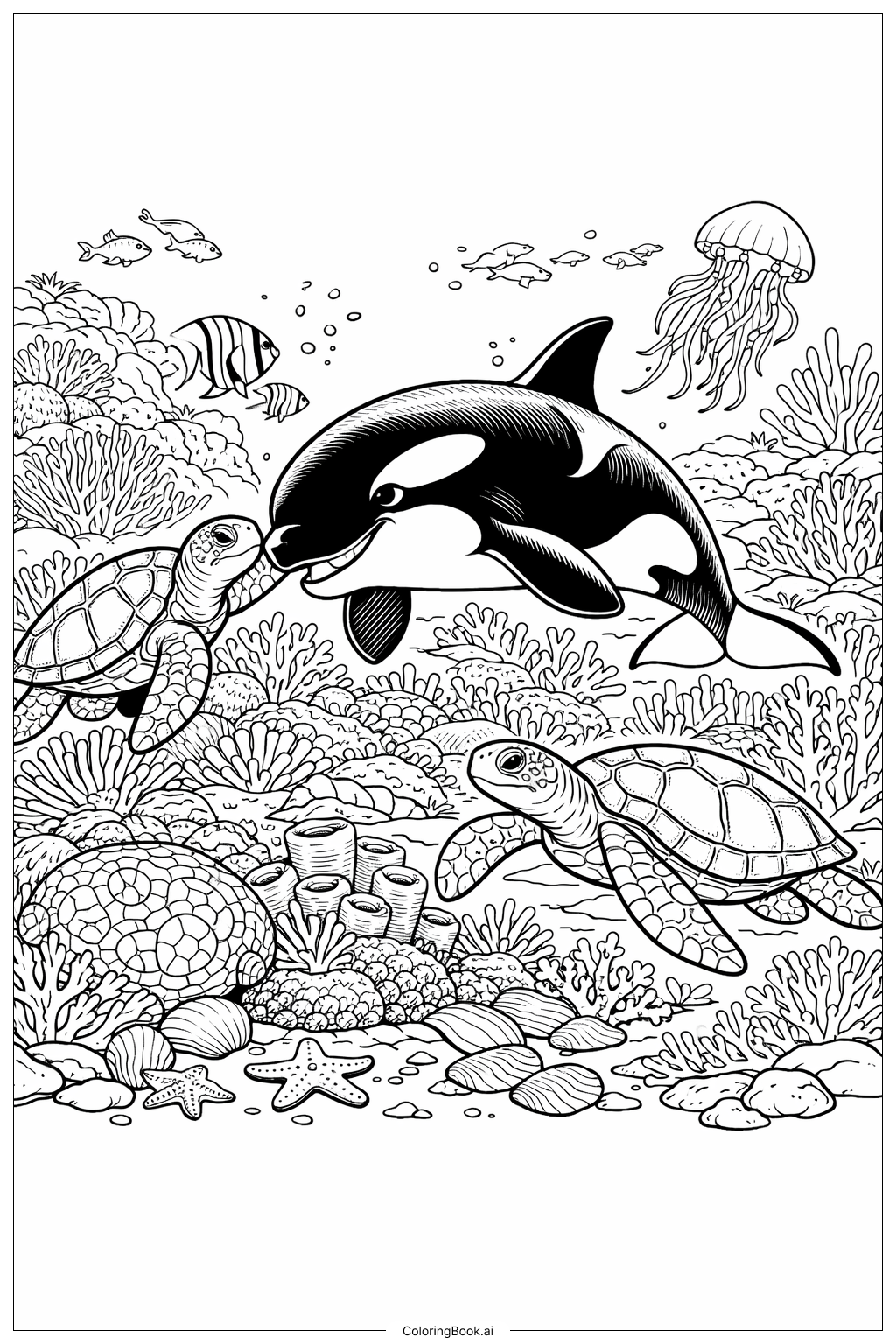
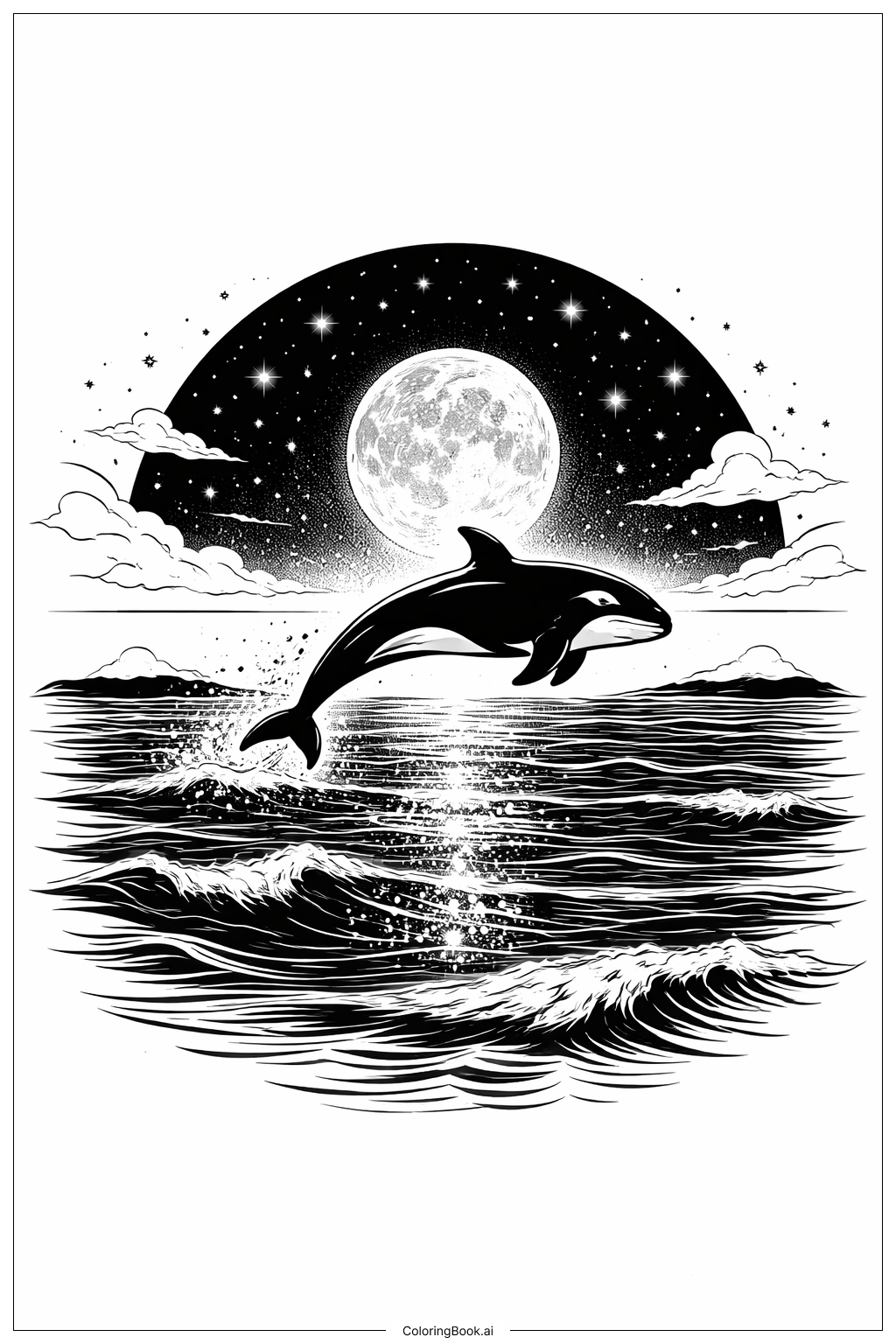
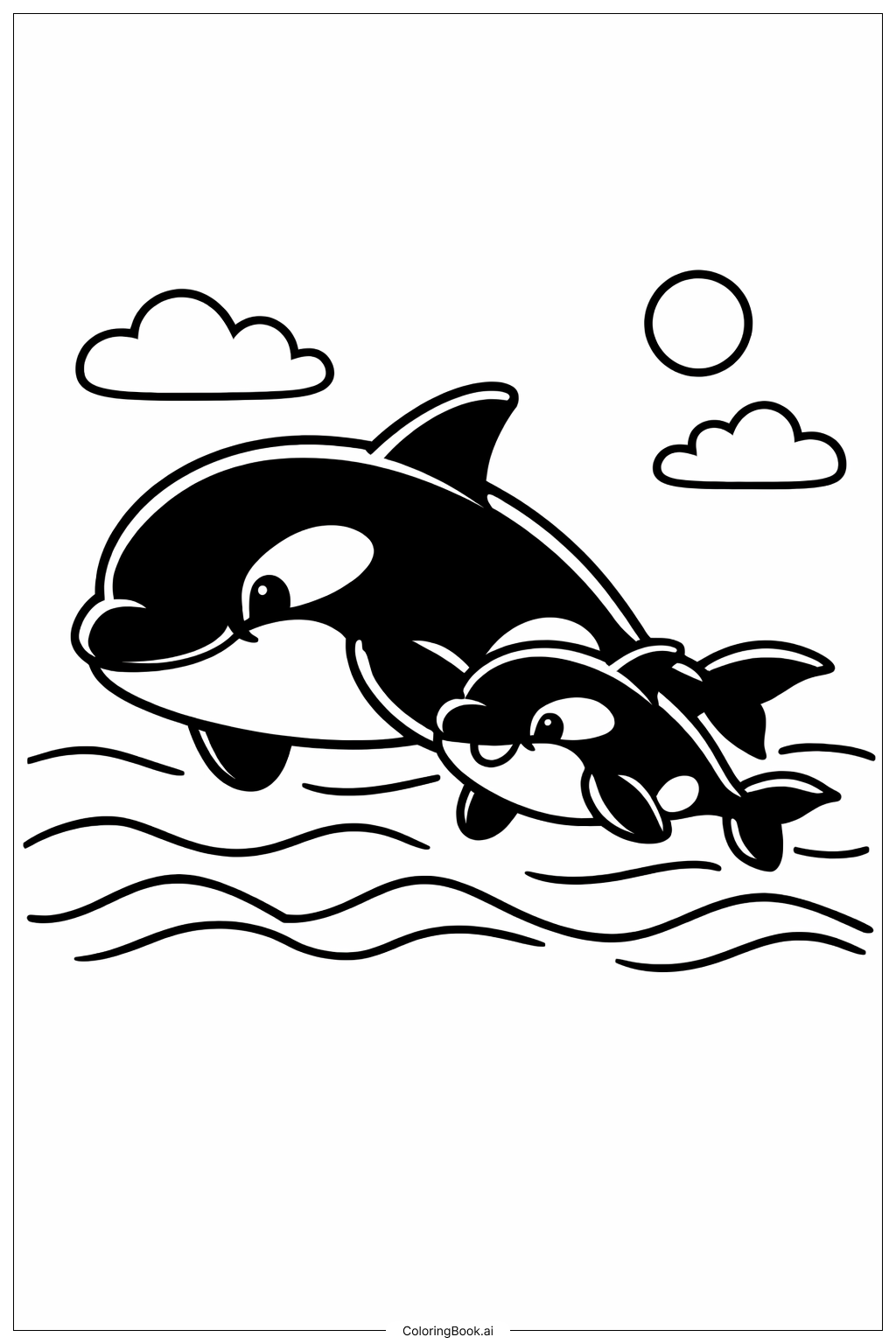
For this image, use black for most of the orca bodies. Their stomachs and eye patches are white, so leave those parts uncolored or use a very light gray or cream for shading. You can add soft blues and greens to the water around them to give the ocean a lively feel. Try blending light and dark shades of gray or blue to create a sense of movement in the waves. Use gentle strokes for the calf to show its smooth, baby-like skin. Keep it simple for younger children by focusing on the main black and white areas. Older kids can add shadows to give the animals a three-dimensional look. Consider coloring the background lighter so the orcas stand out clearly.
Coloring challenges: Which parts are difficult to color and need attention for Orca Mother And Calf coloring page?
• Fine Details in Patterns: The distinct black and white patterns on both the Orca mother and calf require careful coloring to stay within the lines and preserve their unique markings.
• Smooth Curves and Body Shape: Capturing the graceful curves of the orca bodies can be challenging for younger colorers who might struggle with controlled strokes to follow rounded shapes.
• Water Effects: Representing water around the orcas using shading and color gradients involves blending techniques that may be difficult for beginners.
• Size Contrast: Coloring both the larger mother and smaller calf proportionally while maintaining the correct size difference can be tricky.
• Limited Color Palette: Orcas have mainly black and white coloring, so adding interest with subtle shading and background colors requires patience and creativity.
Benefits of coloring books: Advantages of drawing Orca Mother And Calf coloring page
Coloring this Orca Mother And Calf image helps improve hand-eye coordination as children must carefully navigate the detailed patterns and rounded shapes. It encourages focus and patience, especially when coloring the contrasting black and white areas precisely. Through adding water colors and shading, kids learn about mixing and blending colors to create depth and texture. The natural theme also fosters appreciation and curiosity about marine animals and the ocean environment. For younger children, it builds basic coloring confidence, while older children can practice more advanced techniques. Overall, this image is a calming, educational activity that nurtures creativity and fine motor skills.