Coloring tips: How to color Orca Leaping With Splash coloring page well?
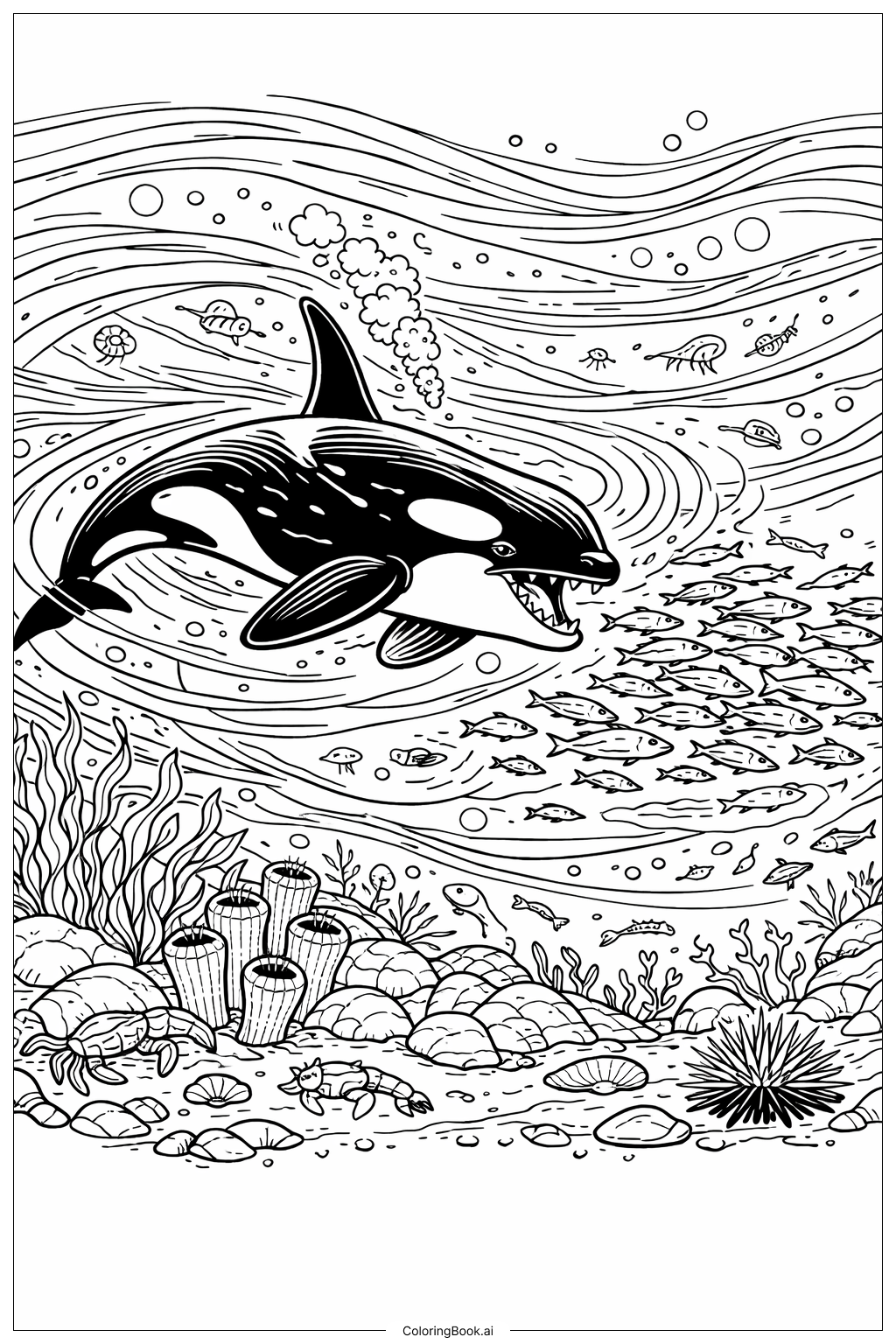
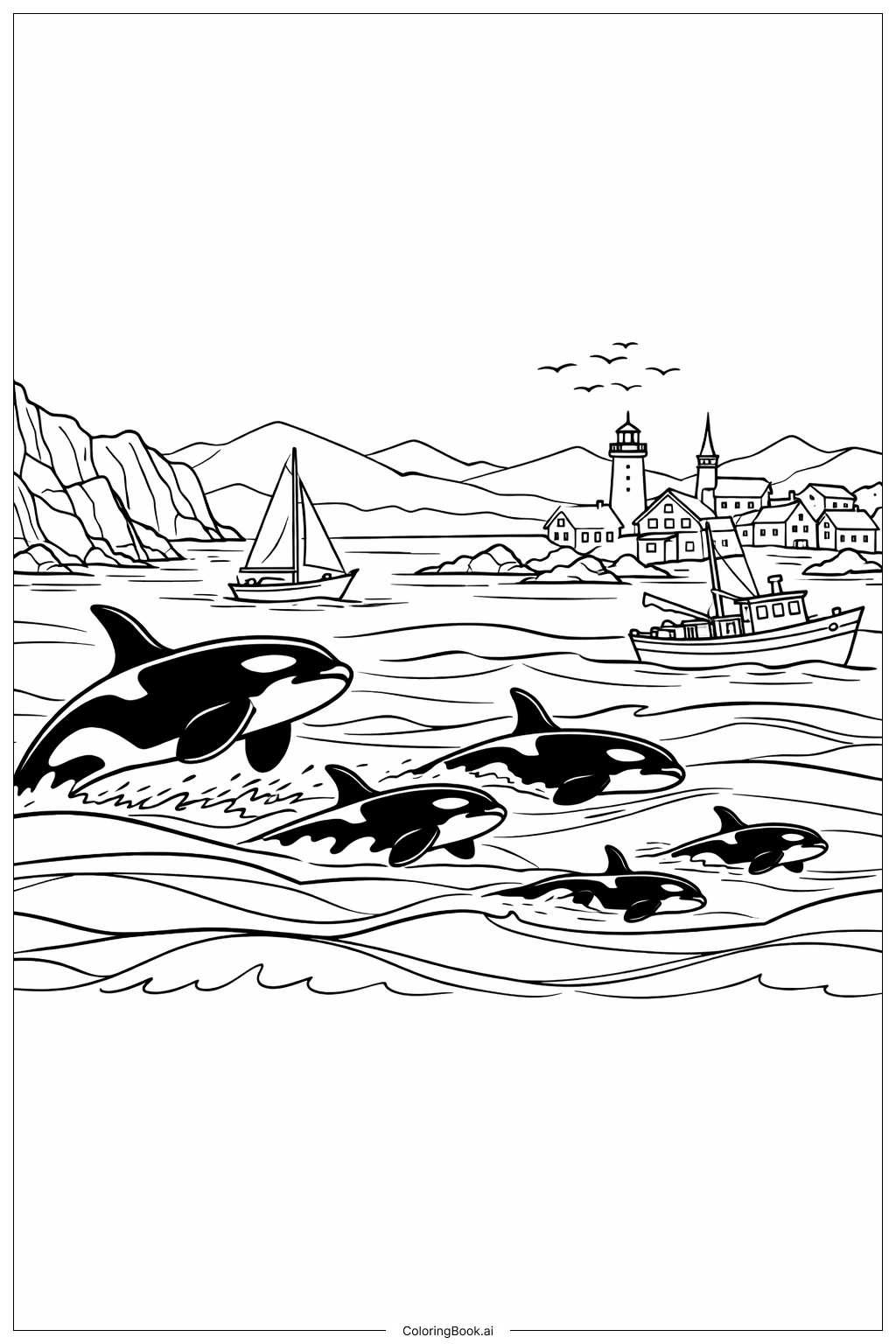
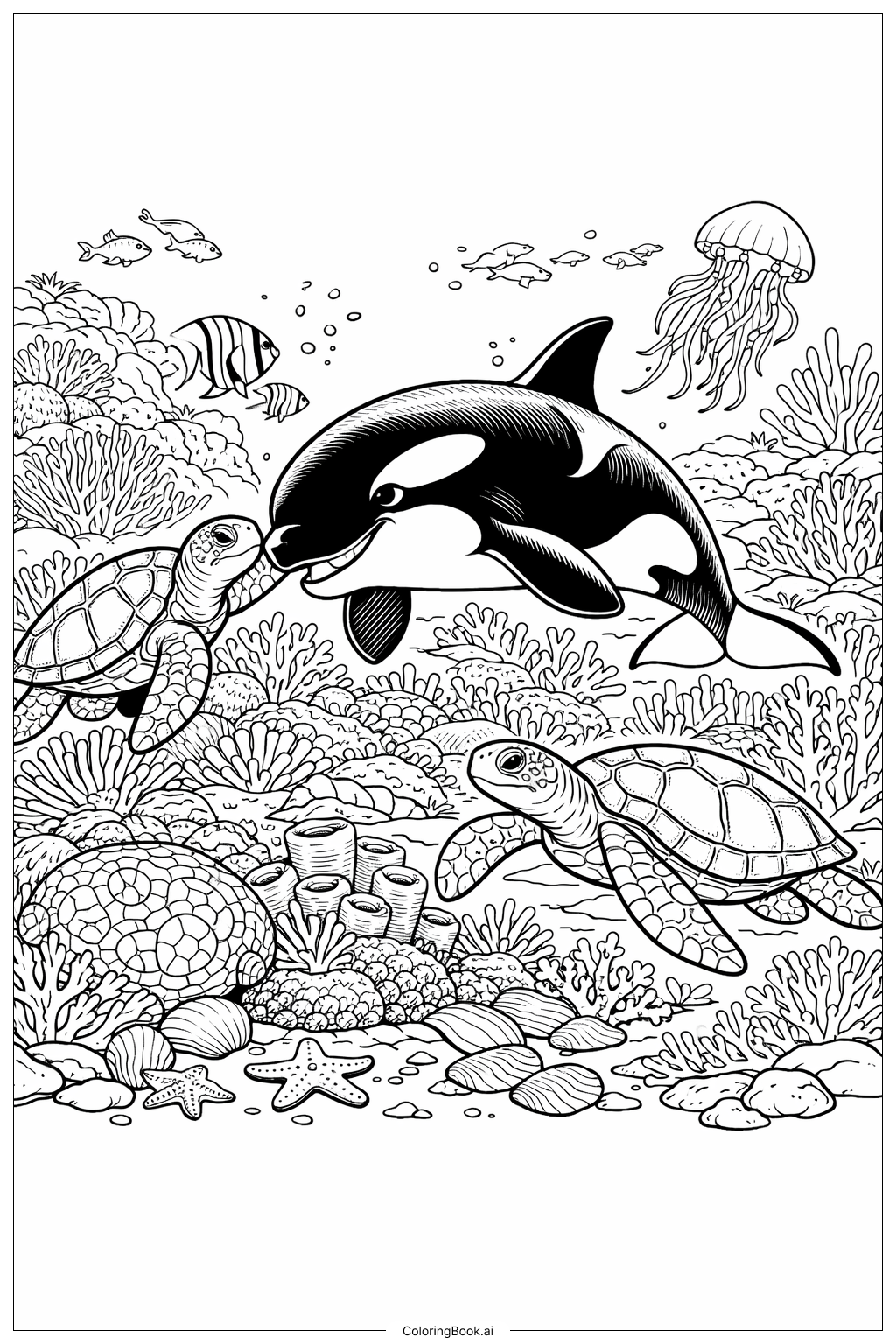
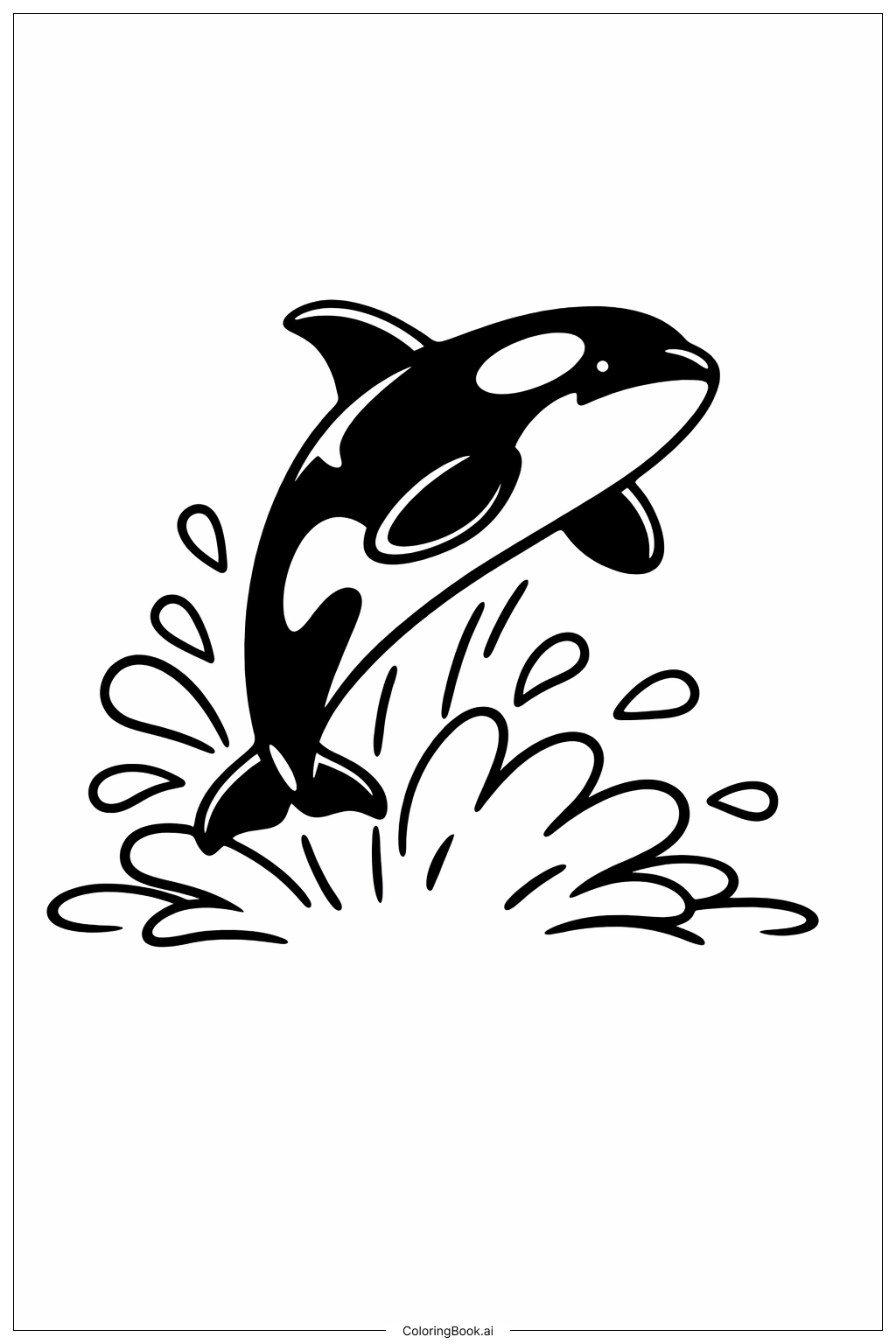
Start by coloring the orca's body. Use a deep black for the dark sections on the back, sides, and fins. Leave the belly, chin, and eye patch areas white or use a very light gray to give them a soft, natural look. Next, move to the water. Use bright, cheerful shades of blue and teal for the main splash. Add some white or light yellow around the edges of the splash to show the foam and bubbles. Try layering a darker blue at the bottom of the splash and a lighter blue near the top to make the water look exciting and alive. For the background ocean, a medium or deep blue works beautifully. You can blend in a little green to make it feel like real seawater. If you want to add a sky, use a soft light blue or pale yellow near the top of the page. Use colored pencils to add gentle shading on the orca's body and around the splash. This makes the image look three-dimensional and full of energy. Have fun and make your ocean scene as colorful and lively as you like!
Coloring challenges: Which parts are difficult to color and need attention for Orca Leaping With Splash coloring page?
• Orca Body Gradient: The orca's body is divided into bold black and white sections, but making the transition look smooth and natural is tricky. Younger colorists may find it hard to stay neatly within the curved boundary lines, especially around the belly patch and the chin area. Blending light shading into the white sections adds depth but requires a careful, steady hand.
• Splash and Water Texture: The exploding splash around the leaping orca is made up of many curved lines, droplets, and wave shapes. Filling each water element with a believable ocean color without making the page look flat or muddy is a real challenge. Layering different shades of blue, teal, and white to create the feeling of moving water takes patience and color-mixing skill.
• Fine Droplet Details: Tiny water droplets are scattered around the main splash. These small shapes are difficult to color neatly because they are closely spaced and easy to accidentally color over the outlines. A fine-tipped colored pencil or a thin marker works best here, but control is essential.
• Dynamic Background: The background represents open ocean and sky. Deciding where the water ends and the sky begins — and how to blend those two areas naturally — can confuse beginners. Getting a smooth, gradient-like feel from deep ocean blue at the bottom to lighter sky tones at the top requires layering colors gradually.
• Overall Composition Balance: Because the orca is large and bold while the splash details are delicate, keeping the whole image visually balanced is a challenge. Making the orca stand out without overpowering the surrounding water elements calls for thoughtful color choices throughout.
Benefits of coloring books: Advantages of drawing Orca Leaping With Splash coloring page
Coloring this Orca Leaping With Splash page offers wonderful benefits for children and adults alike. It helps build focus and concentration as you carefully fill in the orca's body and the swirling water around it. Working on the detailed splash patterns improves fine motor skills and hand control, which are great for young learners. Choosing colors for the ocean and the whale sparks creativity and imagination — there are no wrong answers! Kids can explore cool blues, teals, and greens for the water while deciding how to shade the orca's smooth body. This activity also teaches children about marine life, making it both fun and educational. Spending quiet time coloring helps reduce stress and brings a sense of calm. Finishing the page gives a real feeling of pride and accomplishment. Whether you color alone or with friends and family, this page is a joyful way to express yourself and connect with the beauty of the ocean world. It is perfect for Boys, Girls, and Adults who love animals and nature.